


Premium Jewelry Packaging as a Brand Asset in Competitive Retail Markets
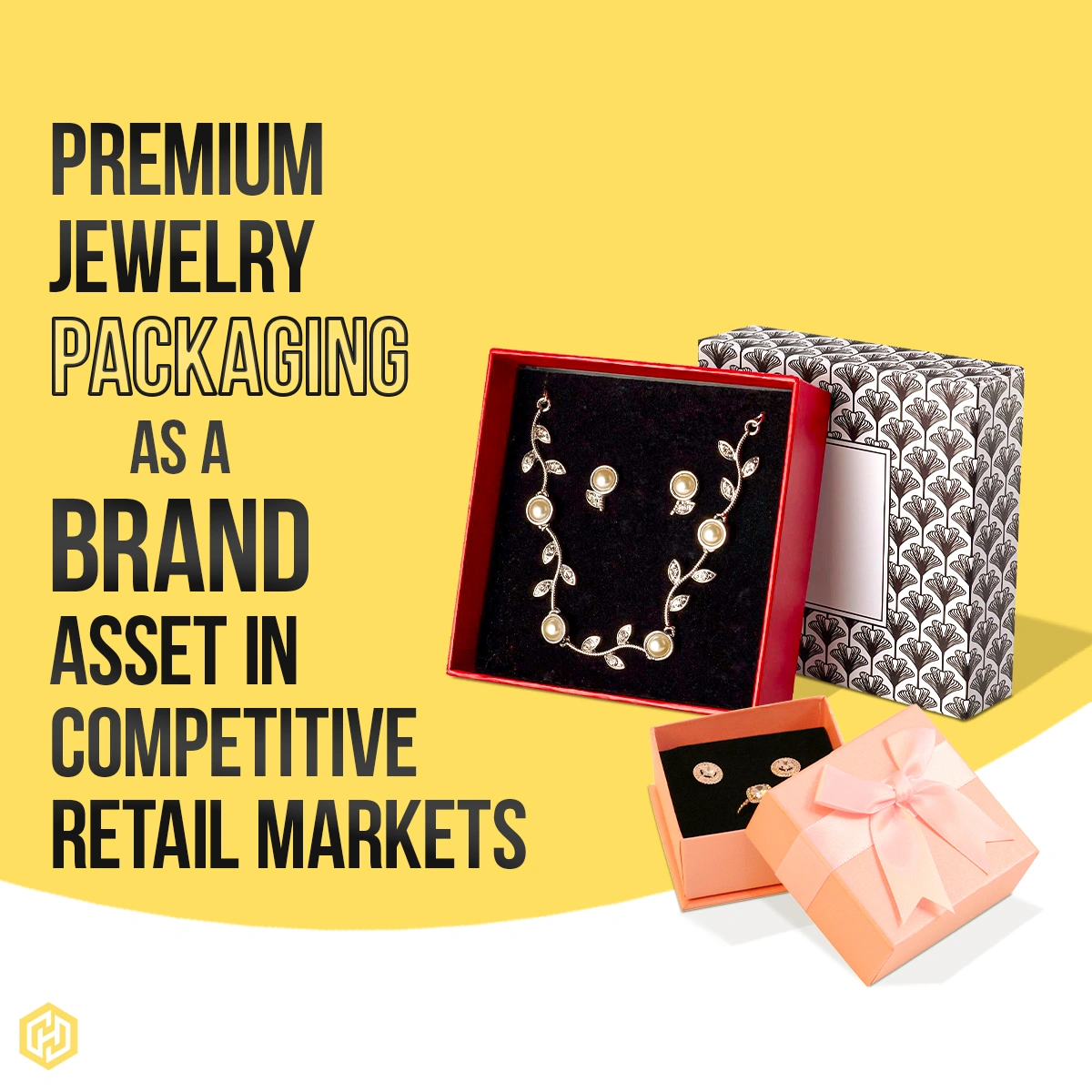
In saturated markets, differentiation rarely comes from the product alone. Presentation plays a direct role in perceived value, brand authority, and customer retention. Packaging, particularly in the luxury and accessories segment, acts as a silent ambassador long before the product is used.
For brands operating in jewelry, gifting, and boutique retail, packaging is not a protective necessity, it is a strategic business tool.
Packaging and Perceived Value
Consumers associate weight, texture, structure, and finishing quality with product worth. A well-constructed box communicates durability and professionalism. Thin, poorly printed packaging does the opposite, regardless of how valuable the product inside may be.
Businesses investing in customize jewelry Packaging understand that customers evaluate quality within seconds. The tactile experience, opening resistance, interior lining, closure style , directly influences buying psychology.
Premium packaging increases the likelihood of:
- Positive first impressions
- Social media sharing
- Repeat purchases
- Gift suitability
Packaging becomes part of the product experience.
Structural Design and Protection
Jewelry requires specialized structural consideration. Rings, necklaces, and bracelets must remain stable during transport and display.
Effective packaging design includes:
- Insert supports to prevent movement
- Cushioned interiors for protection
- Secure magnetic or rigid closures
- Compact but protective dimensions
Well-engineered custom jewelry boxes reduce damage rates, minimize returns, and protect brand reputation.
Material Selection and Brand Positioning
Material choice should reflect brand positioning. Rigid board, velvet interiors, foil stamping, and textured finishes all signal different market levels.
For example:
- Matte black rigid boxes often reflect luxury positioning
- Kraft finishes communicate sustainability
- Embossed logos suggest exclusivity
The packaging should align with the brand’s price point. Overly simple packaging may weaken high-end positioning, while excessive decoration may conflict with minimalist branding.
Custom jewelry boxes must reflect strategic alignment, not decorative excess.
Printing and Finishing Techniques
Printing for jewelry packaging often prioritizes subtlety over heavy graphics. Minimal design with precise finishing typically performs best.
Common finishing enhancements include:
- Foil stamping
- Embossing or debossing
- Soft-touch lamination
- Spot UV highlighting
These techniques enhance brand perception without overcrowding the visual layout.
Clean typography and controlled white space reinforce sophistication.
Packaging as a Marketing Extension
Luxury packaging extends beyond the purchase moment. Many customers retain jewelry packaging for storage, increasing long-term brand visibility.
Reusable custom jewelry boxes act as:
- Brand reminders
- Storage solutions
- Gift-ready packaging
This extended lifecycle increases customer engagement without additional advertising cost.
When packaging remains in use, branding continues working silently.
Cost Strategy and Production Planning
Premium packaging does not require unnecessary complexity. Strategic production planning keeps costs controlled.
Efficient approaches include:
- Standardizing sizes across product lines
- Ordering in bulk to reduce per-unit cost
- Simplifying color schemes
- Avoiding excessive print coverage
A balanced approach maintains premium appearance while protecting profit margins.
Businesses that treat packaging as an investment rather than an expense often see stronger long-term returns.
Sustainability and Modern Consumer Expectations
Today’s customers increasingly evaluate brands based on environmental responsibility. Sustainable material choices enhance trust.
Eco-conscious improvements include:
- Recyclable rigid board
- Reduced plastic inserts
- Minimal ink coverage
- Reusable structural design
Luxury and sustainability are no longer opposites. Modern custom jewelry boxes can combine elegance with responsible production.
Strategic Conclusion
Customize Packaging in the jewelry sector is a branding instrument, a protective solution, and a psychological influence tool. It shapes perception before the product is touched and continues reinforcing brand value long after purchase.
Companies that integrate structural engineering, premium finishing, and brand consistency into their packaging strategy build stronger market positioning.
In competitive retail environments, presentation is not optional. It is part of the product itself.

