Food Boxes


Description
Food Boxes | Custom Printed and Wholesale
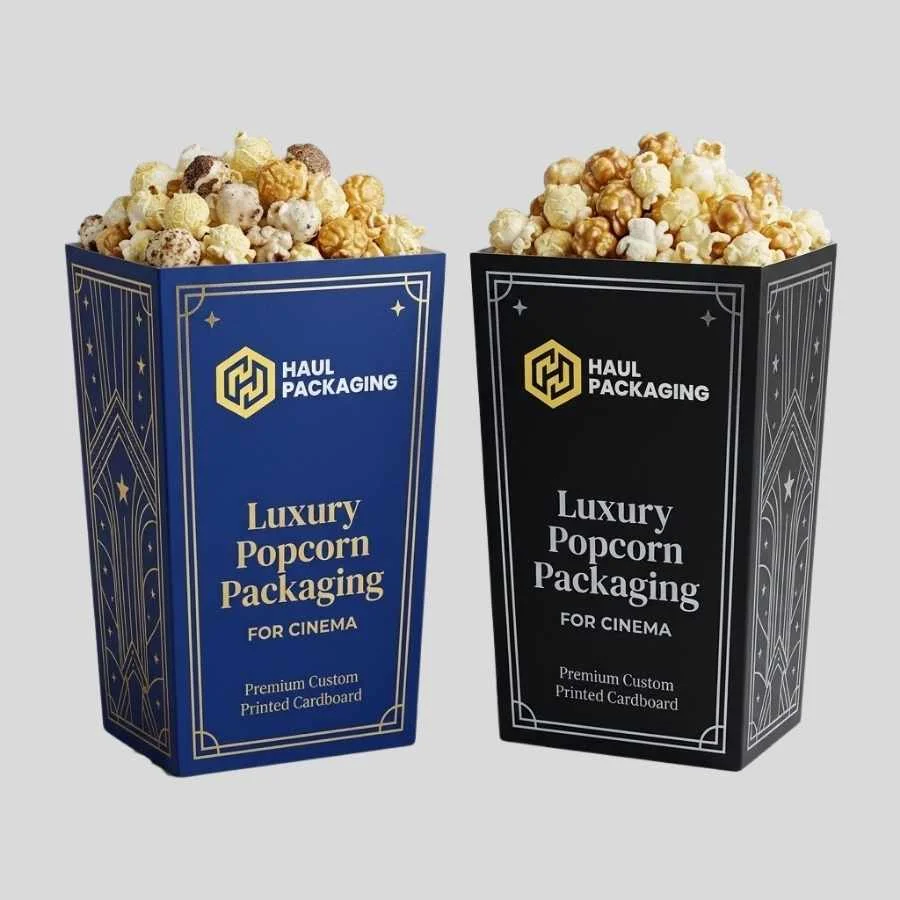
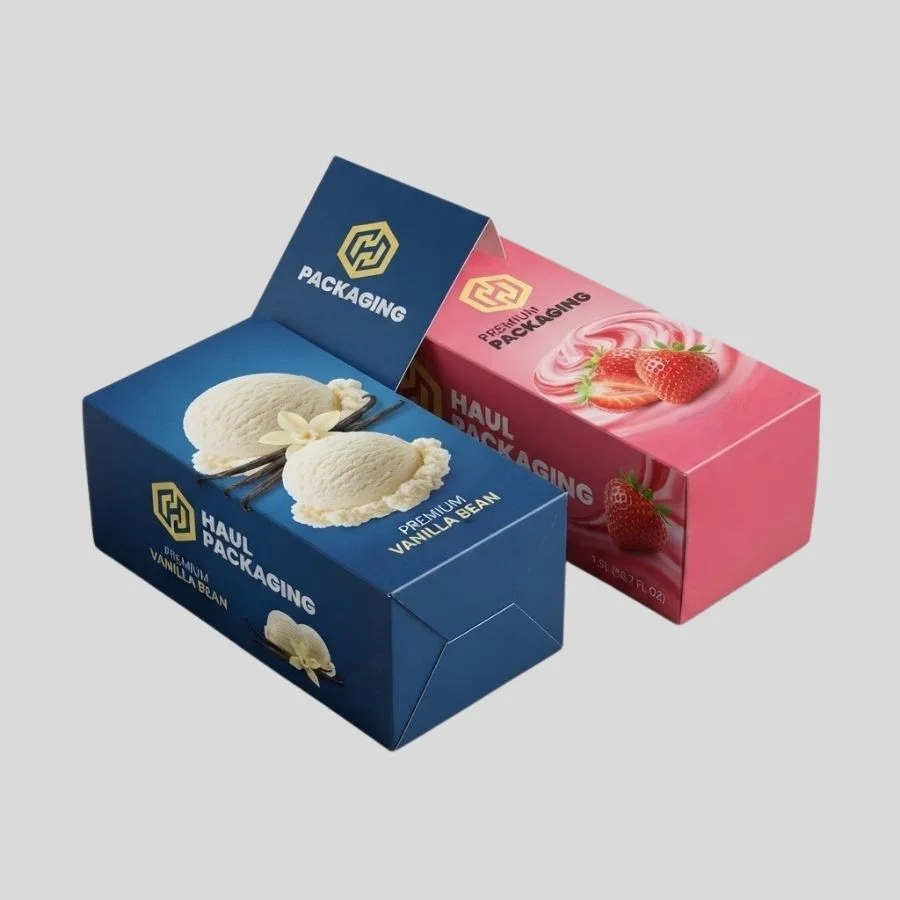
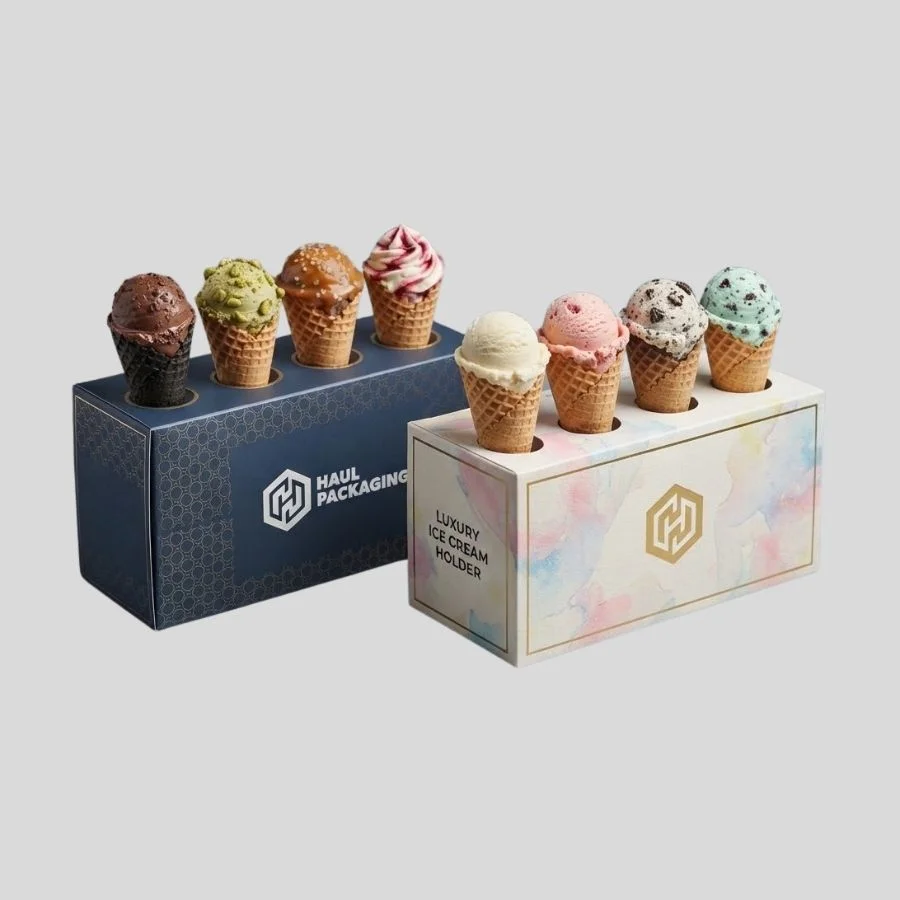
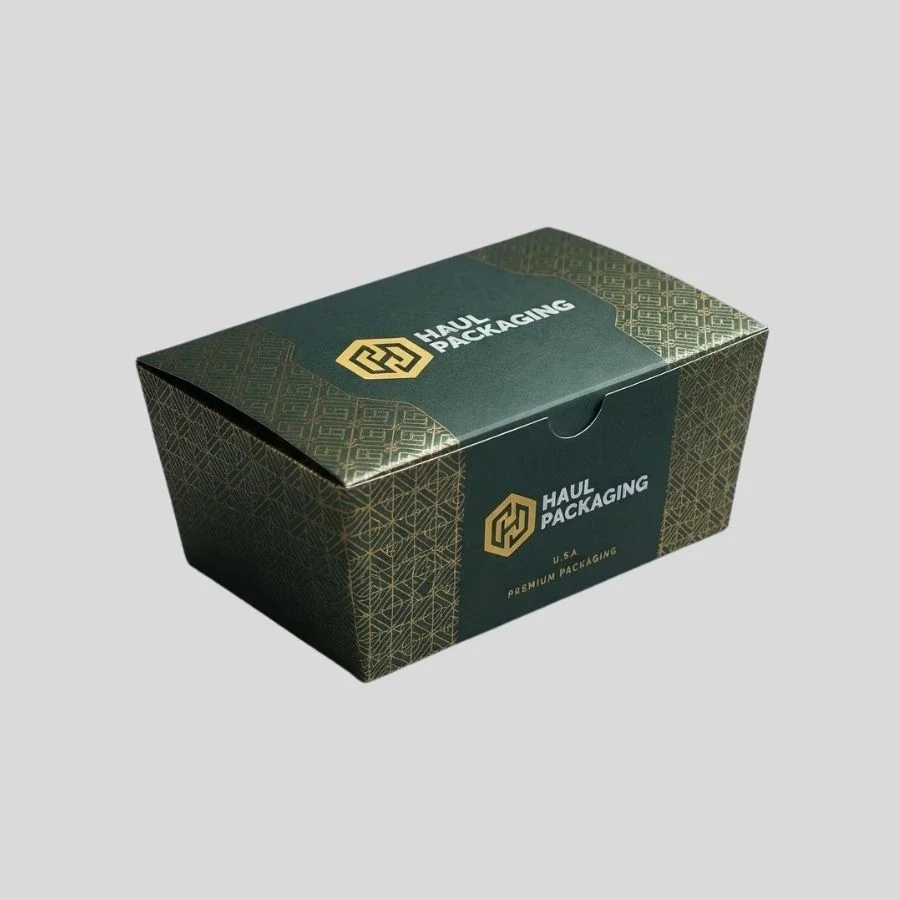
Food boxes need to keep your product safe, simplify handling, and showcase your brand. At Haul Packaging, you can find custom packaging for takeaway meals, frozen foods, snacks, sweets, and retail food items. Pick the size, shape, printing, and finish that fit your food and sales needs. Refer to the styles below, or send us your product details, measurements, quantity, and artwork for a custom quote.
Choose Food Packaging Around the Product
The best packaging depends on the food inside. For example, a burger needs a different box than sushi, and frozen meals have different needs than sweets or tea.
Before choosing a box, consider the product’s size, weight, temperature, and moisture. Also consider how your team will pack it, how far it will travel, and how customers will open it.
Packaging for Takeaway and Fast Food
The box should fit the portion size. If the packaging is too large, the food can shift and take up extra space in delivery bags.
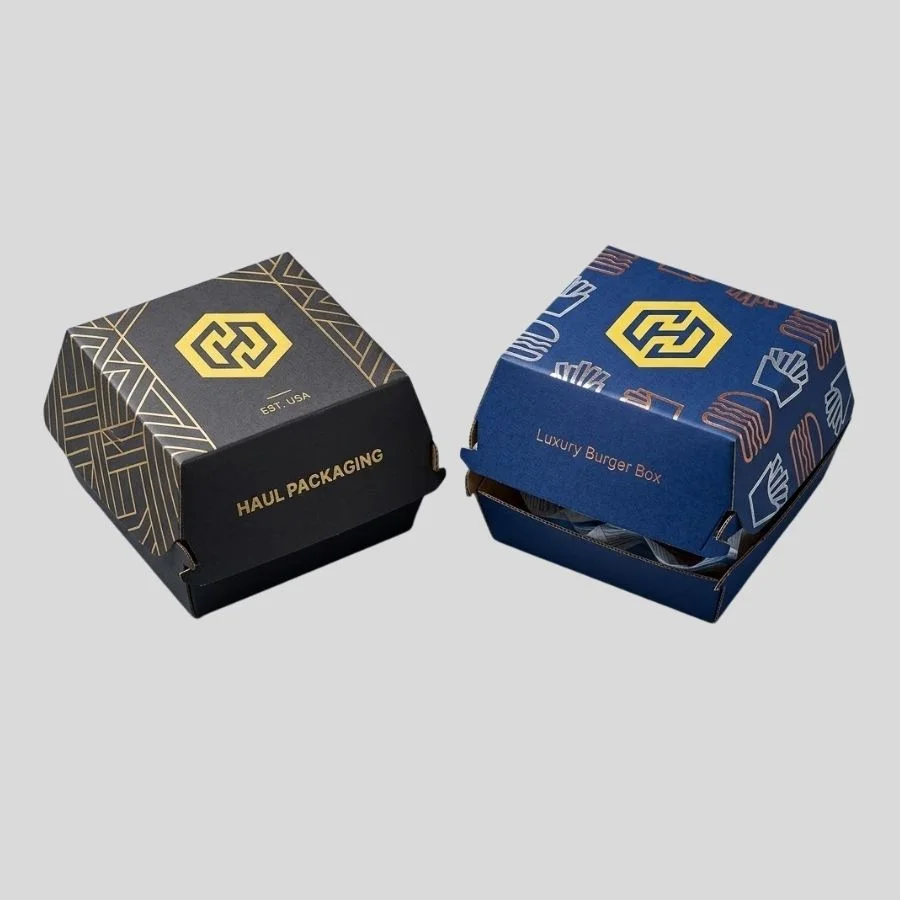
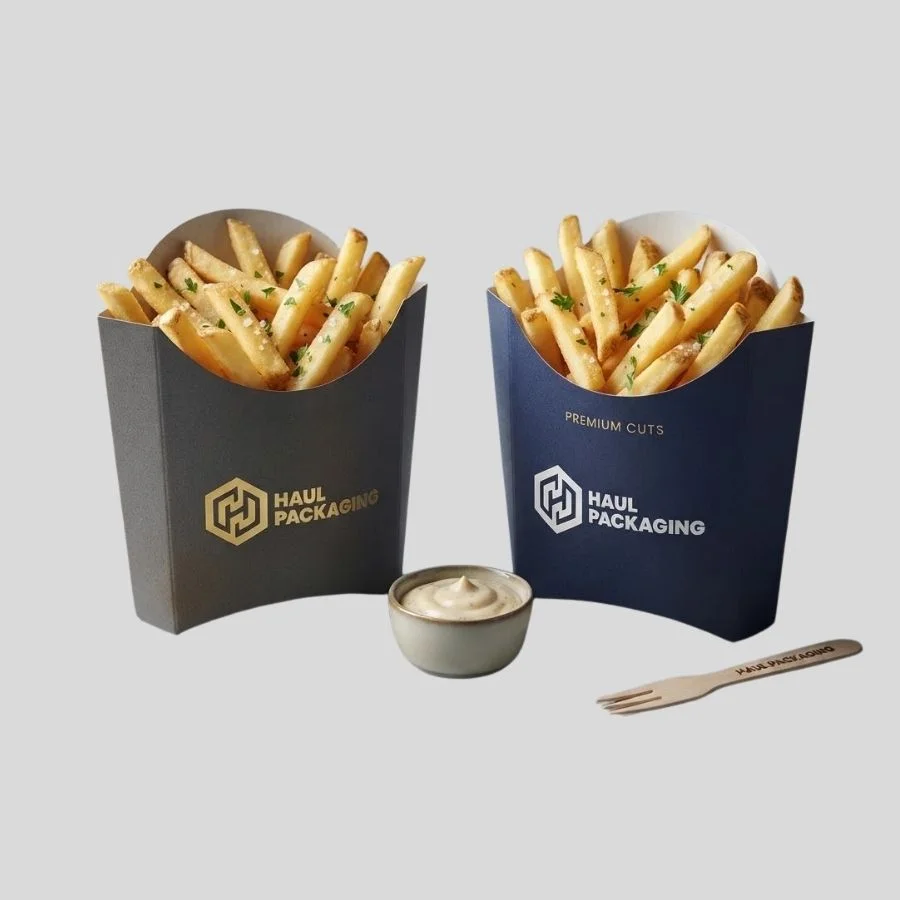
Pair them with custom French fries boxes for a consistent look in every order. Using the same colors, fonts, and logo placement makes your packaging look more professional.
Packaging for Noodles and Takeout Meals
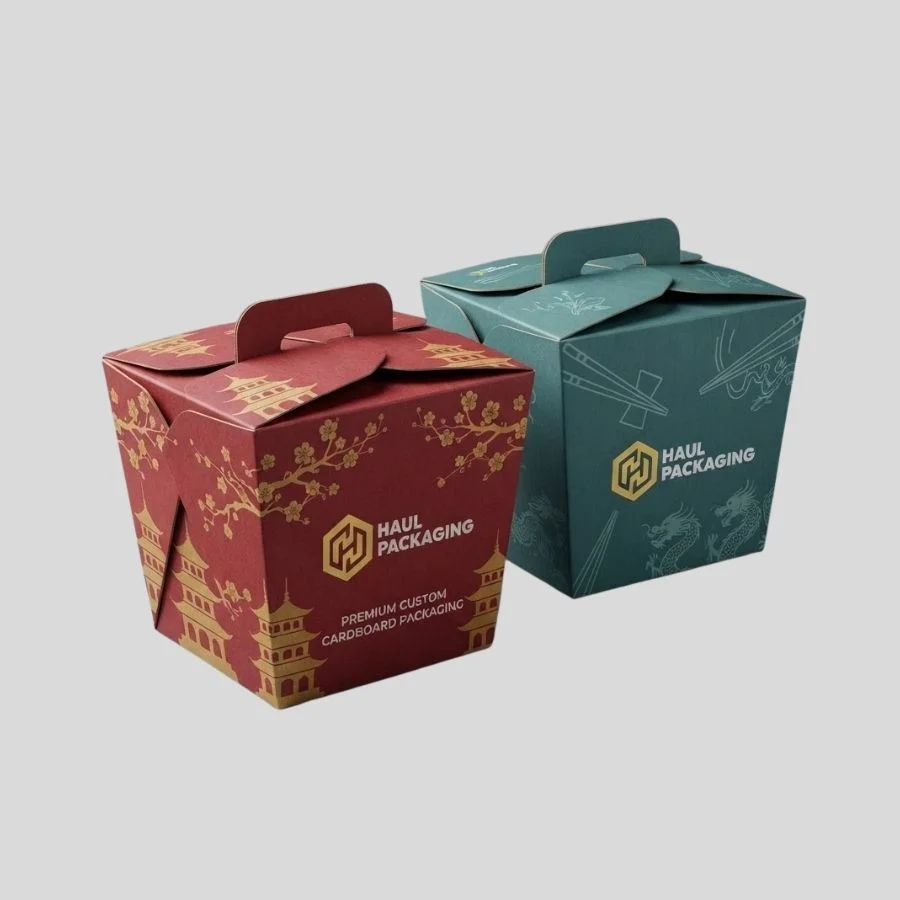
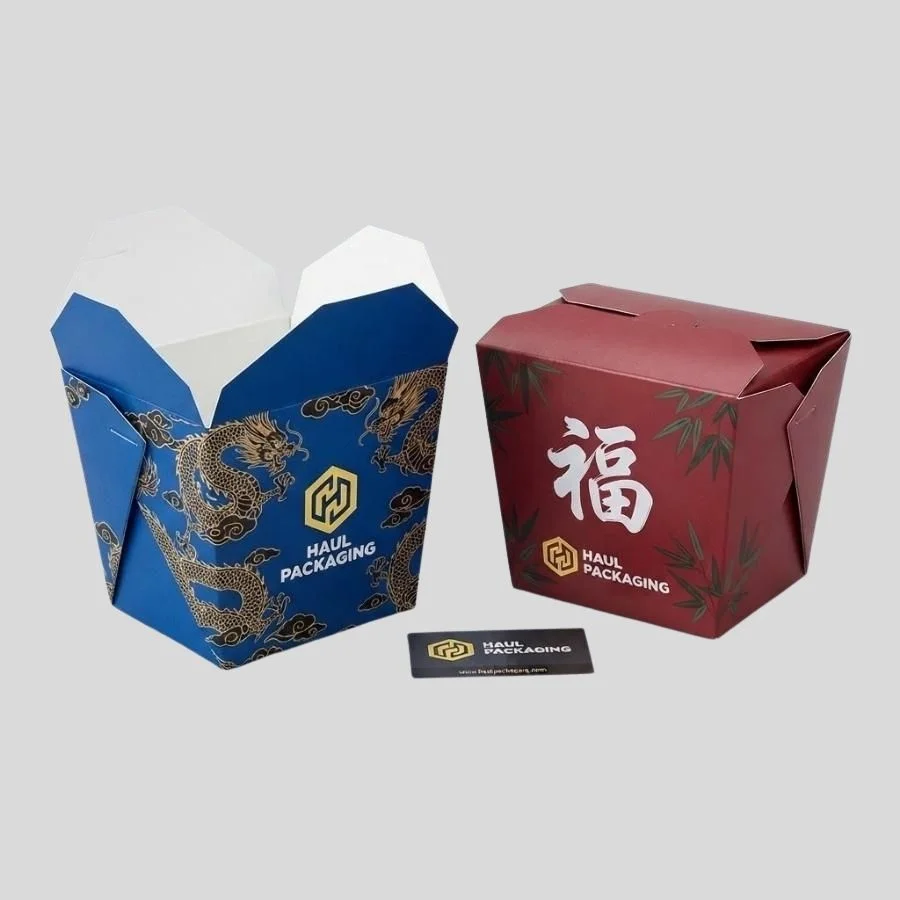
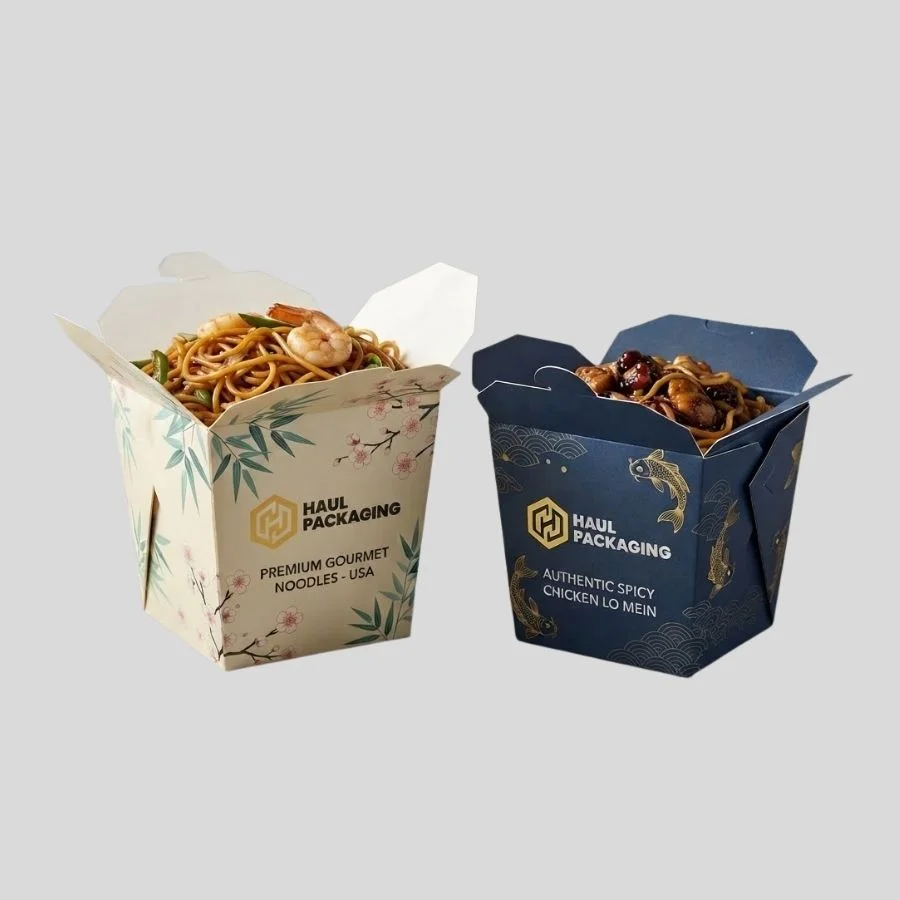
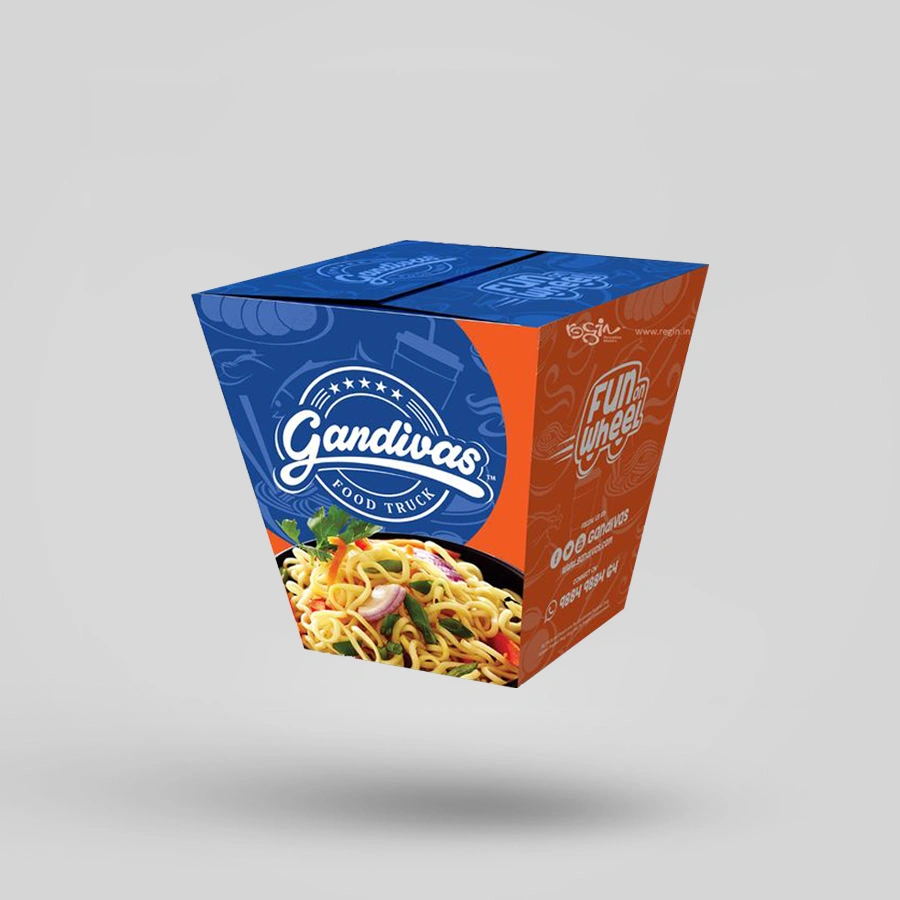
Restaurants can use custom Chinese takeout boxes for noodles, rice, appetisers, and other prepared foods. The outer panels can display your logo, contact details, social media handle, or promotional message.
Consider the food’s temperature and moisture before picking the material. Hot meals can release steam, and oily foods or sauces may need a special barrier.
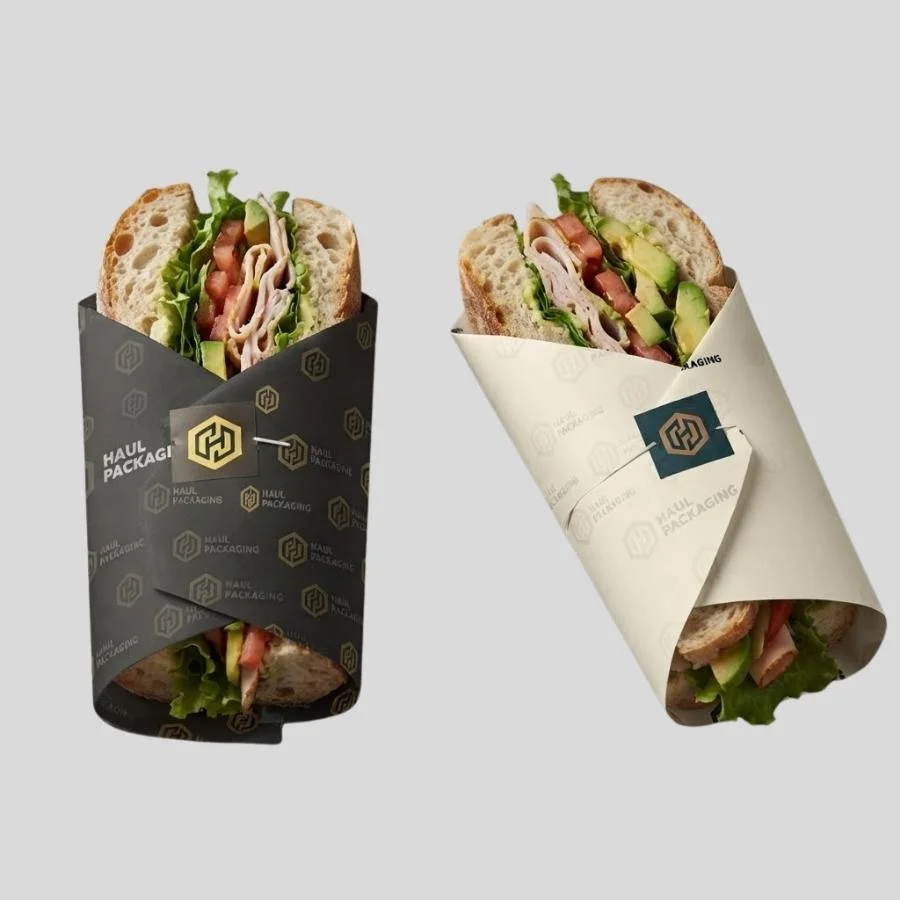
Packaging for Sushi and Prepared Foods
The box should fit snugly in the delivery bag. Too much space can make it slide or tip over during transport.
Packaging for Frozen and Chilled Foods
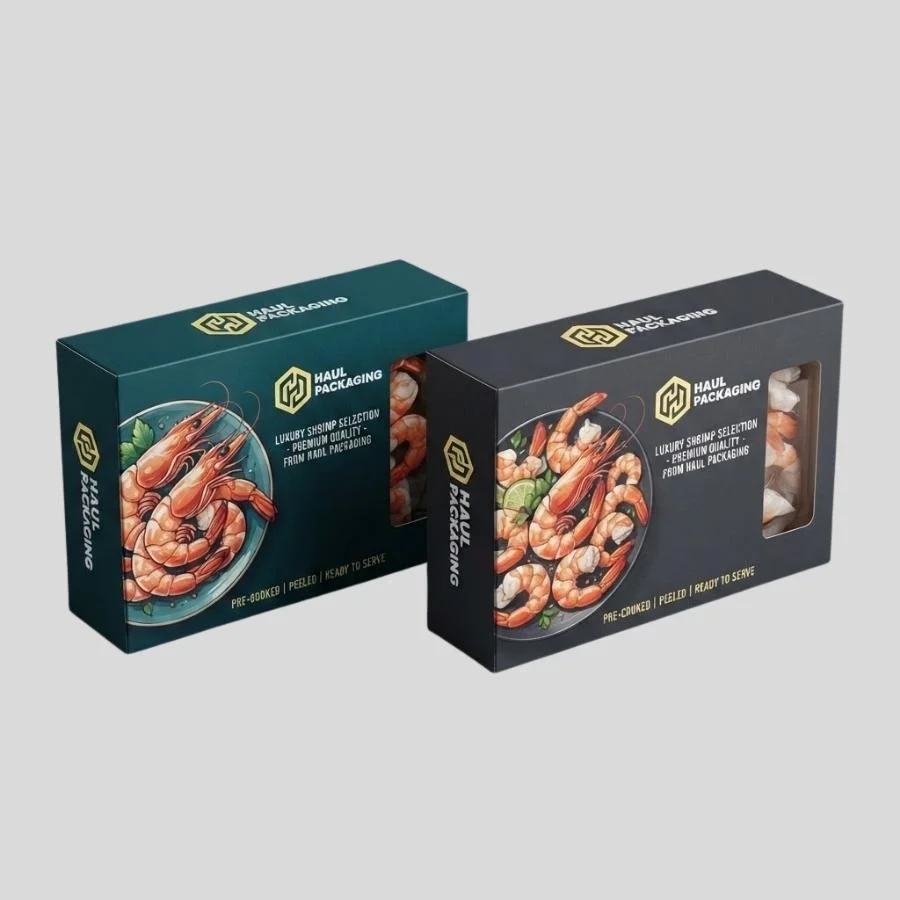
Frozen meals, desserts, seafood, and chilled foods need different packaging than takeaway items. The packaging should match the right temperature, storage, and handling needs.
Measure the whole packed item, including any tray, bag, liner, or wrapping. Don’t pick the box size based solely on product weight.
Packaging for Snacks and Confectionery
Sweets and snacks often rely on eye-catching packaging. Customers might buy them as gifts, treats, or on impulse.
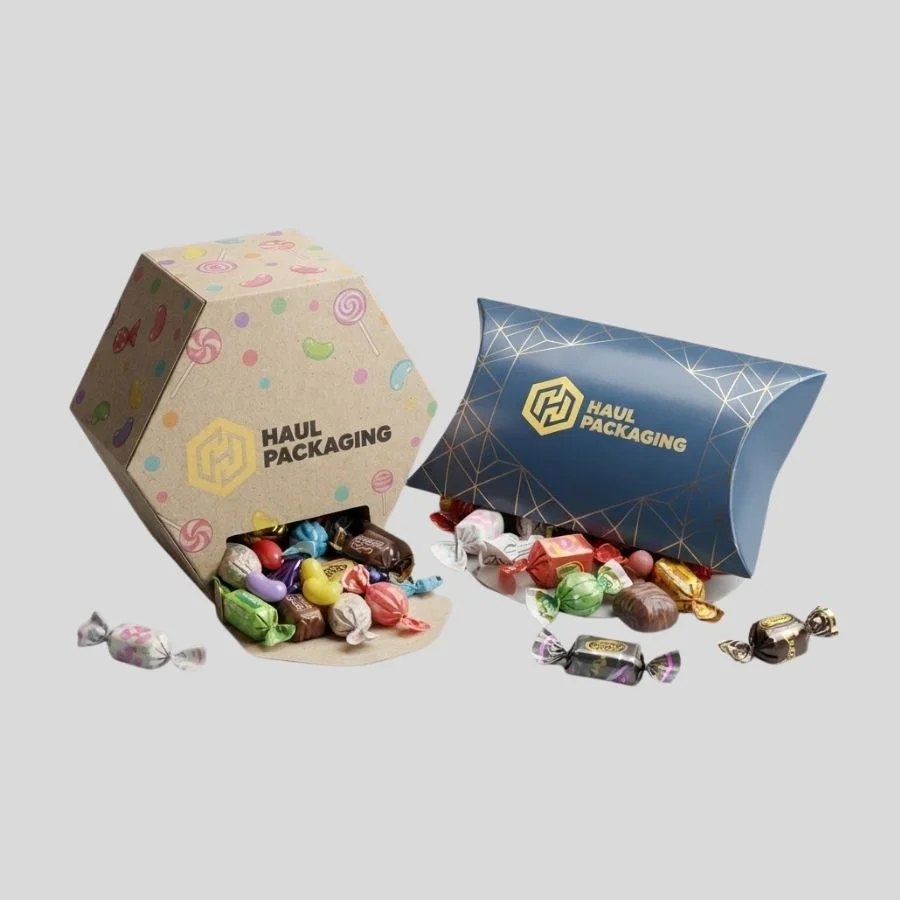
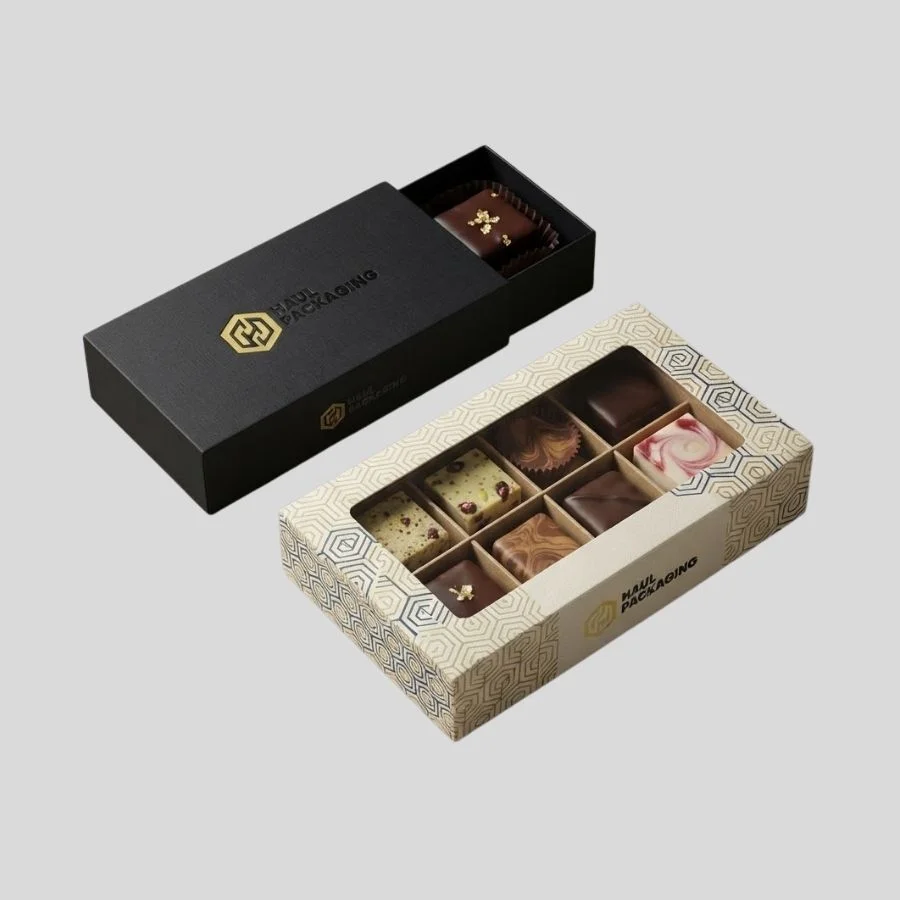
Bakeries, confectionery brands, and sweet shops can use custom candy boxes for chocolates, fudge, sweets, and mixed assortments.
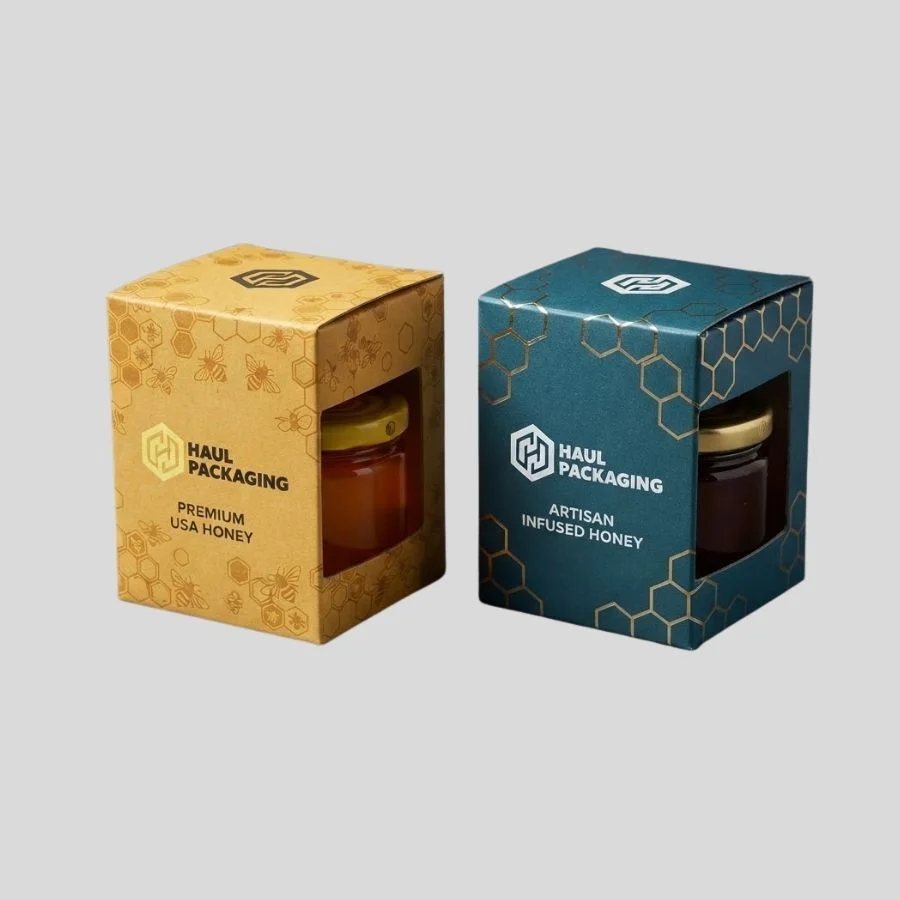
Windows let customers see what’s inside before opening the box. Inserts and dividers help keep items organized and prevent them from shifting.
Packaging for Tea and Dry Foods
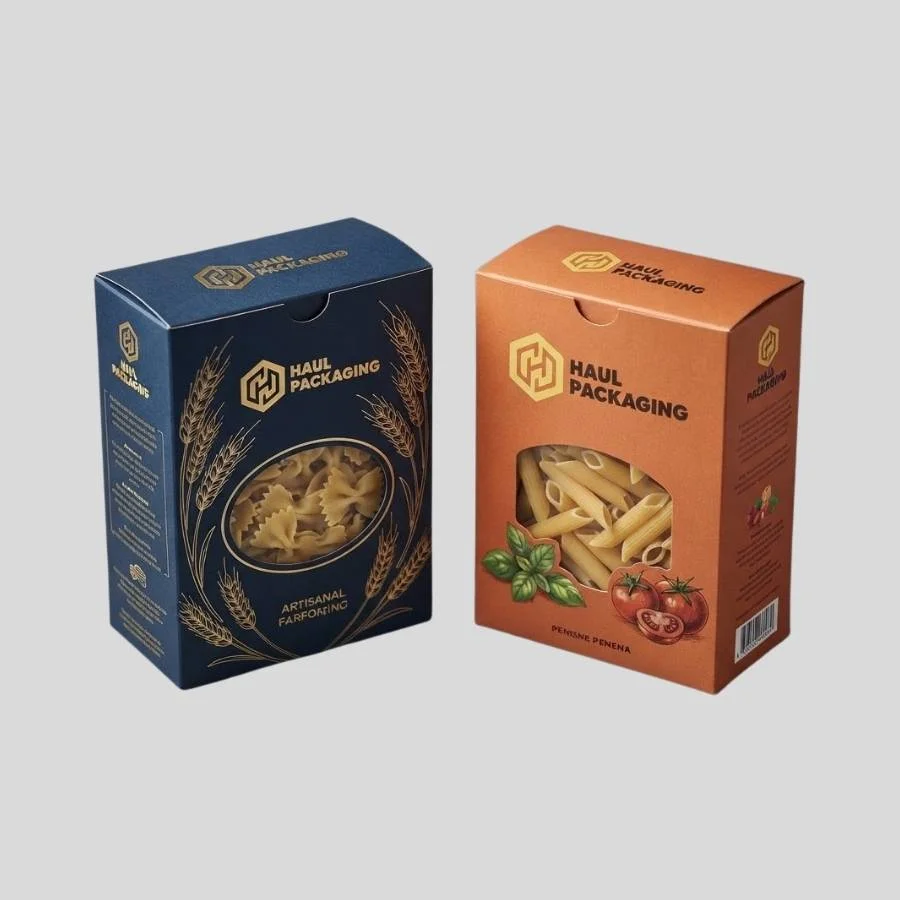
Tea, coffee, pasta, cereal, and dry snacks need packaging that stands out on store shelves. Customers should quickly understand the product and spot your brand. Companies can use custom tea boxes for tea bags, loose-leaf products, sampler packs, and gift collections.
This way, customers can tell your products apart but still see they’re from your brand.
Packaging for Eggs and Delicate Products
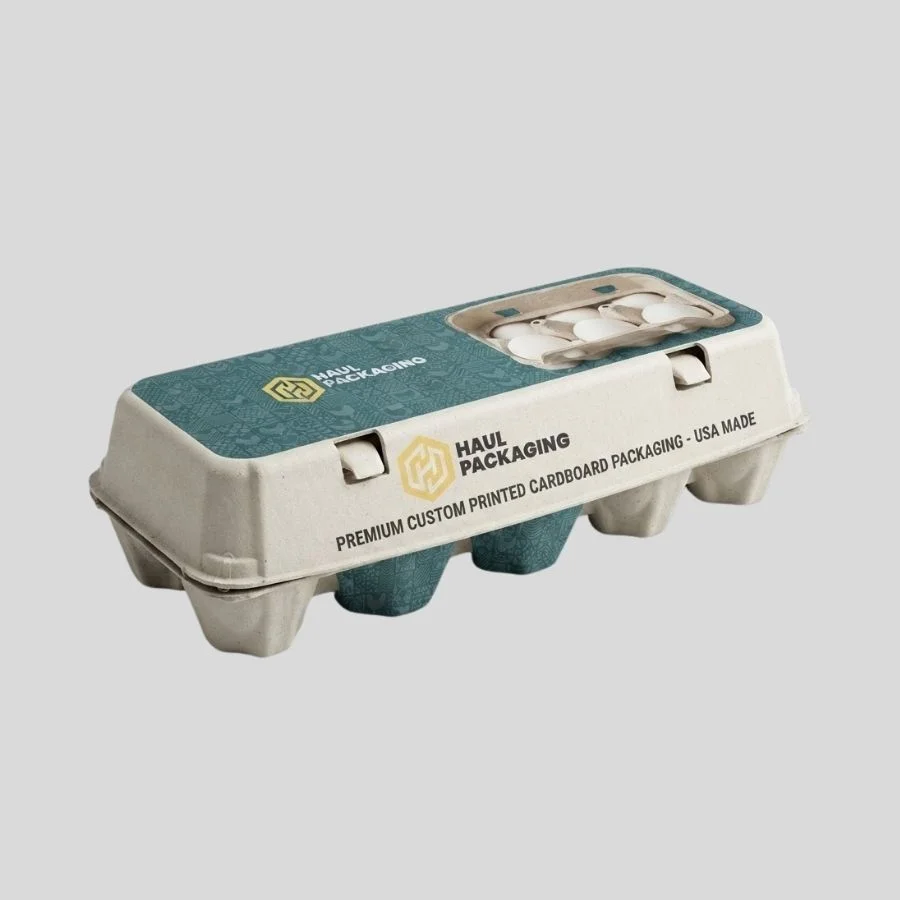
Eggs and other fragile foods need packaging that keeps them from moving and protects them from bumps. Liers and food retailers can explore custom egg cartons based on the required quantity and handling needs.
The outer surface can display your farm name, logo, product information, and storage guidance.
Get the Size and Structure Right
Accurate measurements help protect your product and make it look good. Measure the full length, width, and height.
Consider how your staff will assemble and close the packaging. Complicated designs might look nice, but they can slow things down when it’s busy.
Consider Food Contact and Handling Conditions
These details affect what material, coating, or inner barrier your packaging needs.
Keep Your Branding Consistent
Your food business might use different packaging styles, but every item should still look like it’s from the same brand.
Your burger box, fries box, takeaway carton, and retail package can all use the same colors, fonts, and logo placement. Consistent packaging improves delivery presentation and product photography. It also helps customers recognize your business more easily.
Printing and Finishing Options
Many restaurants and food brands choose paper food boxes because they work for a wide range of products and provide space for branding.
- Full-color printing
- Kraft or white paperboard
- Window cut-outs
- Inserts and dividers
- Matte or gloss lamination
- Foil stamping
- Embossing or debossing
- Spot UV
- Custom handles
- Different closure styles
Pick finishes that match your design and product. A clear printed logo often looks better than using lots of decorative effects at once.
Prepare Your Food Packaging Brief
A clear brief helps the packaging team understand your project and speeds up quotes while improving accuracy.
- Product type
- Exact dimensions
- Product weight or portion size
- Required quantity
- Storage temperature
- Direct or indirect food contact
- Grease or moisture level
- Takeaway, delivery, or retail use
- Preferred material
- Printing requirements
- Artwork files
- Window or insert requirements
- Closure style
- Finishing preferences
Why Us?
At Haul Packaging, we believe your packaging is more than just a box—it's a marketing tool, a brand ambassador, and a promise of quality, all rolled into one. Whether you're running a small e-commerce startup or an established retail brand, this guide will walk you through everything you need to know about finding the perfect custom packaging in the USA.
Premium Finishes
Haul Packaging provides a range of high-quality finishings, including as foil stamping, glossy or matte coatings, embossing, and soft-touch finishes, to improve the visual attractiveness of packaging. These finishes have the power to increase a product's perceived worth and make it stand out on retail shelves.
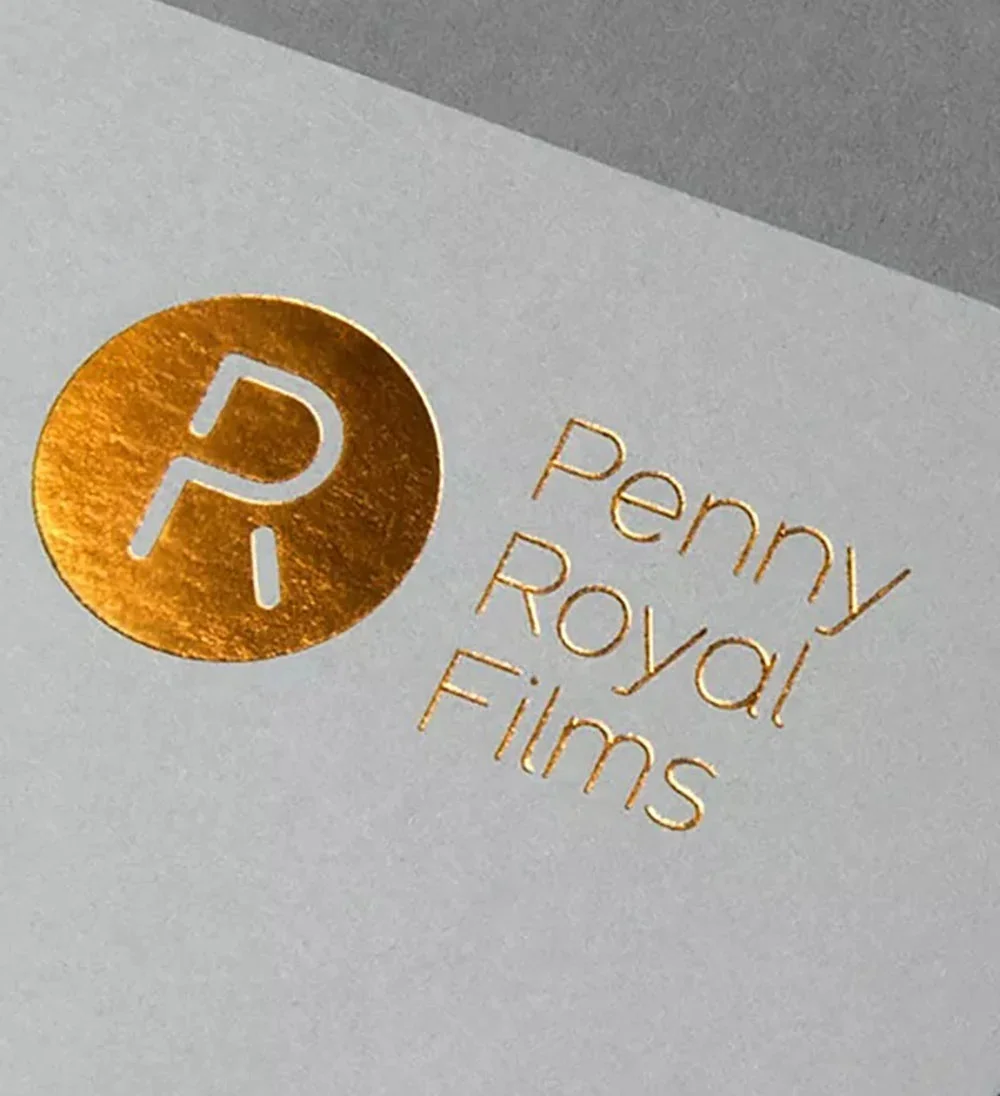
Copper Foiling
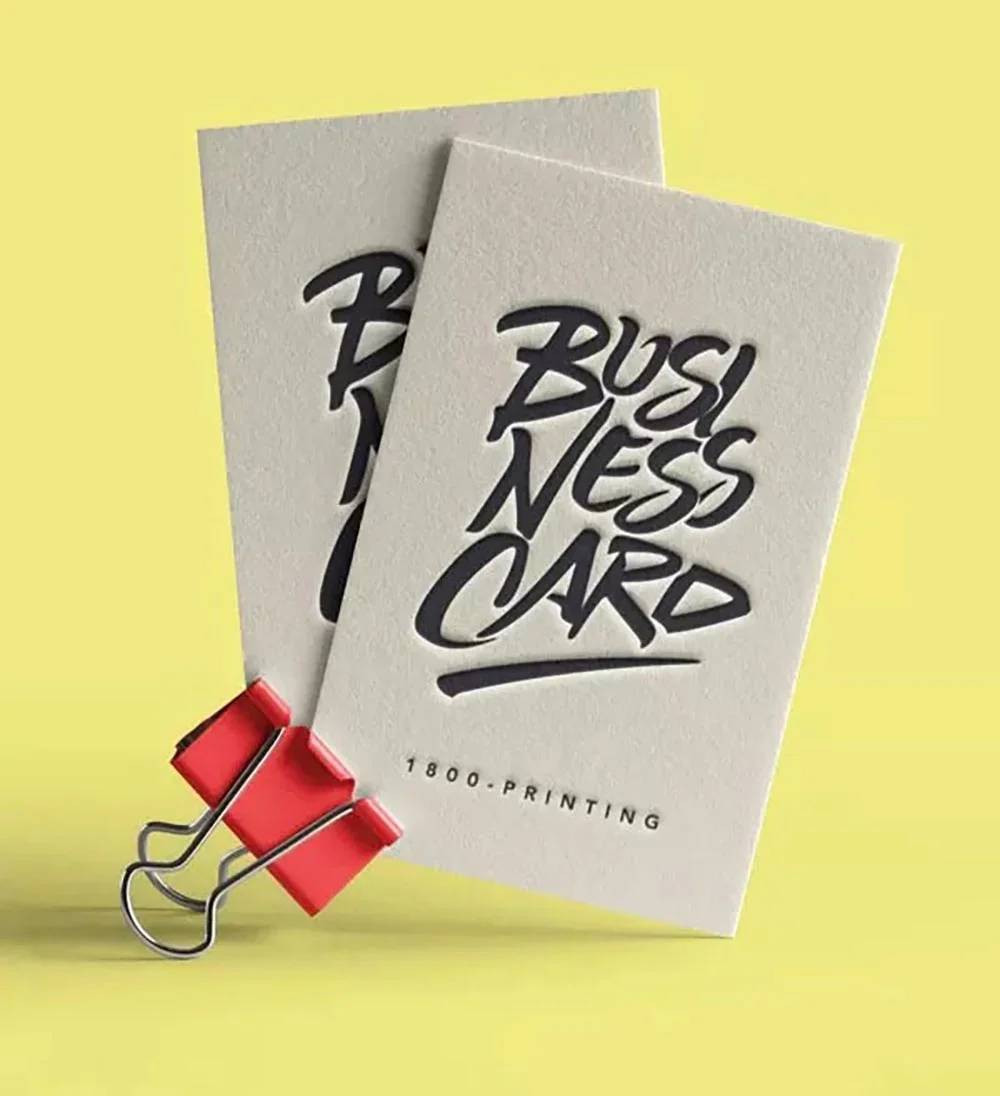
Debossing
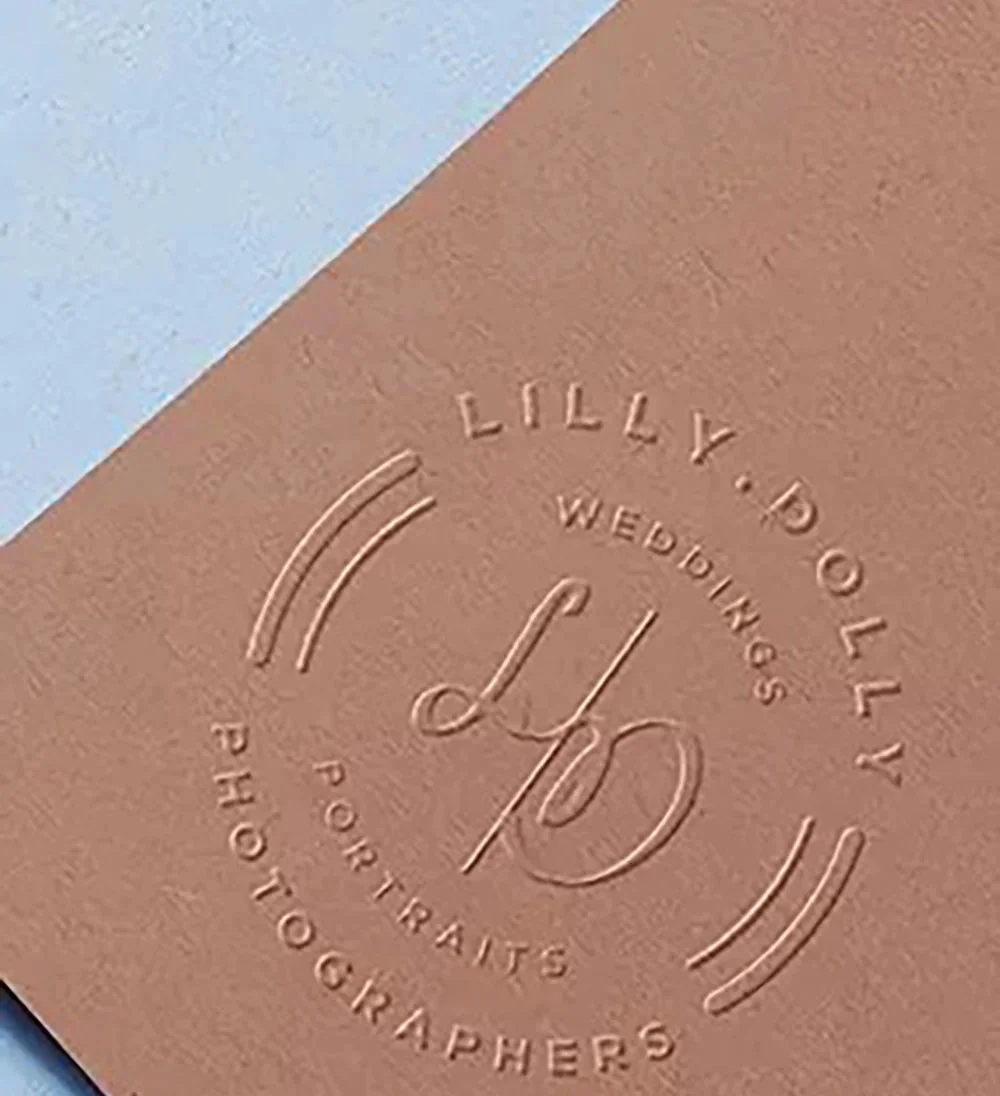
Embossing
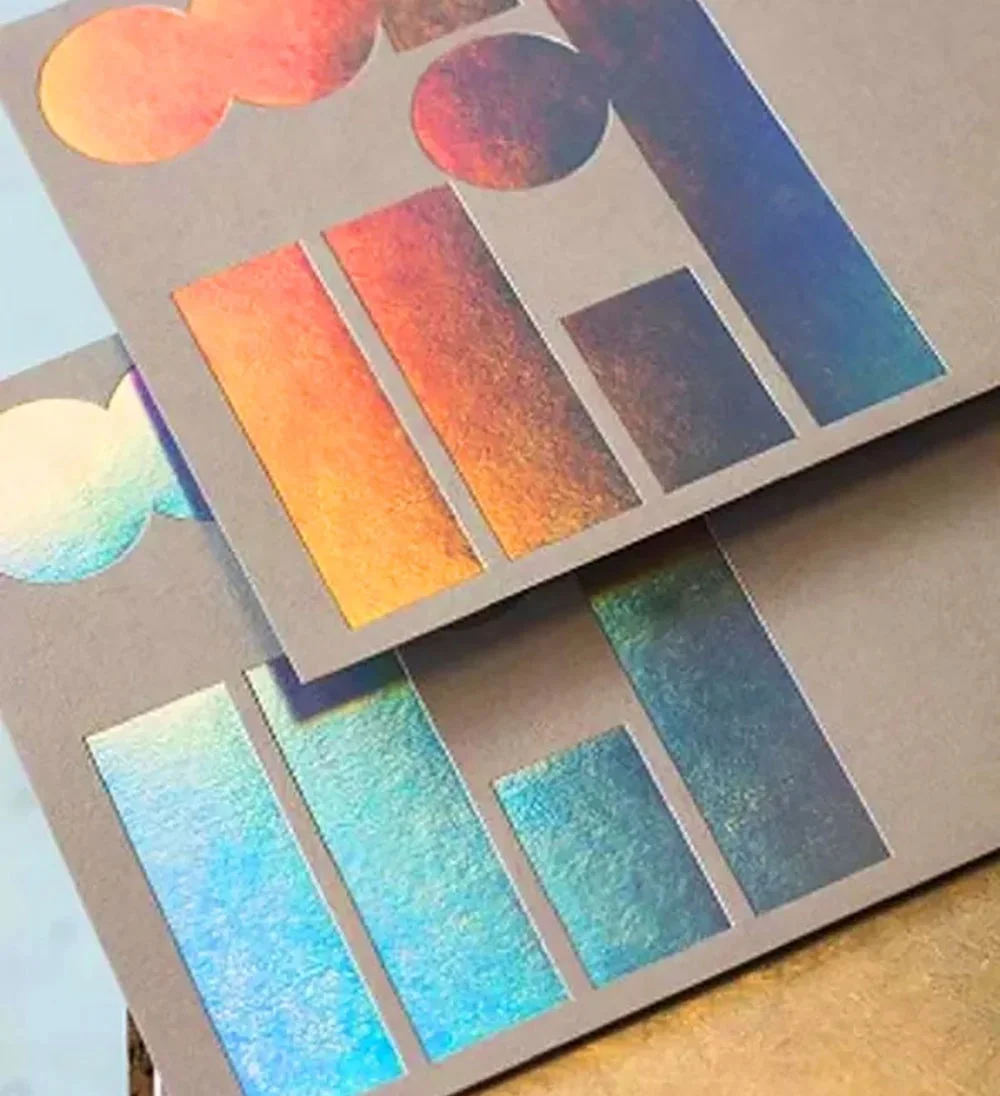
Holographics foiling
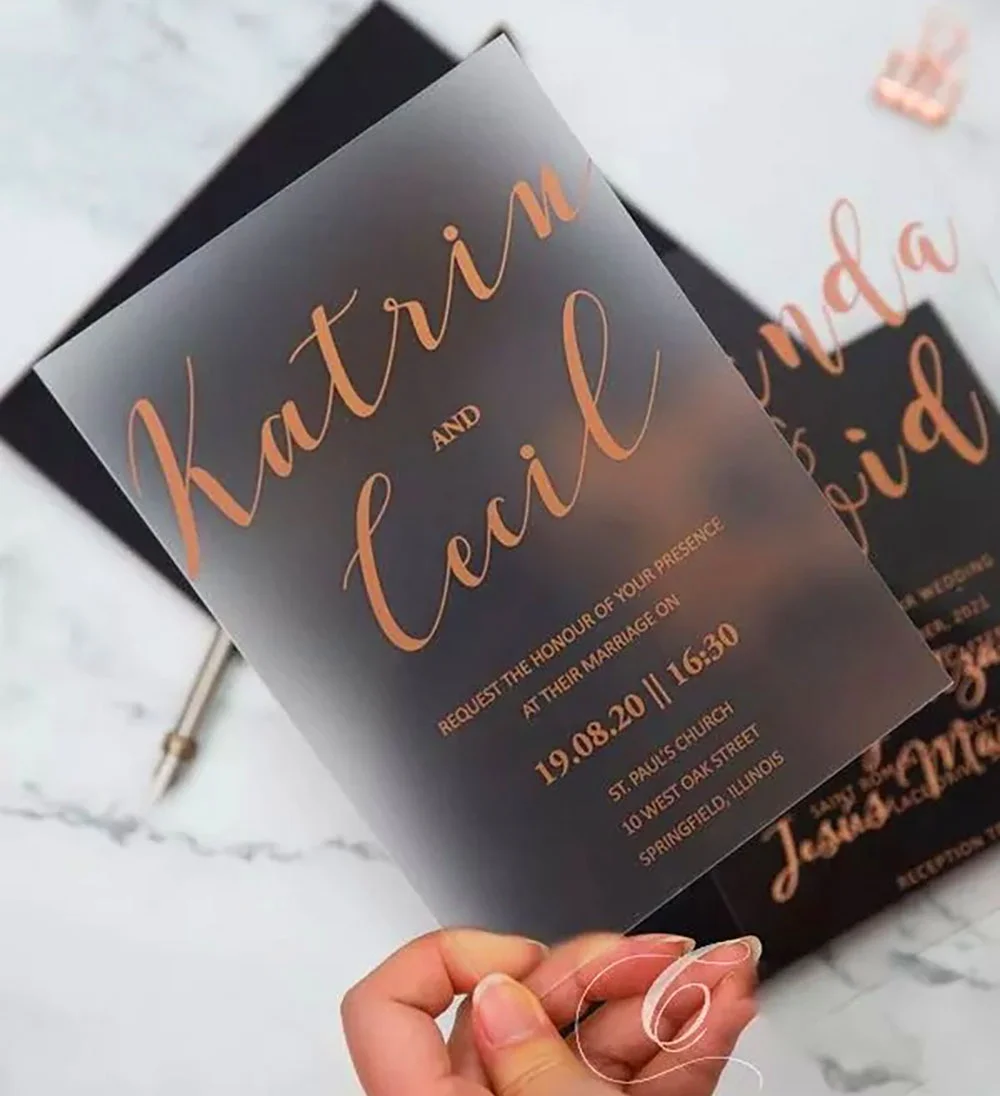
Rose Gold
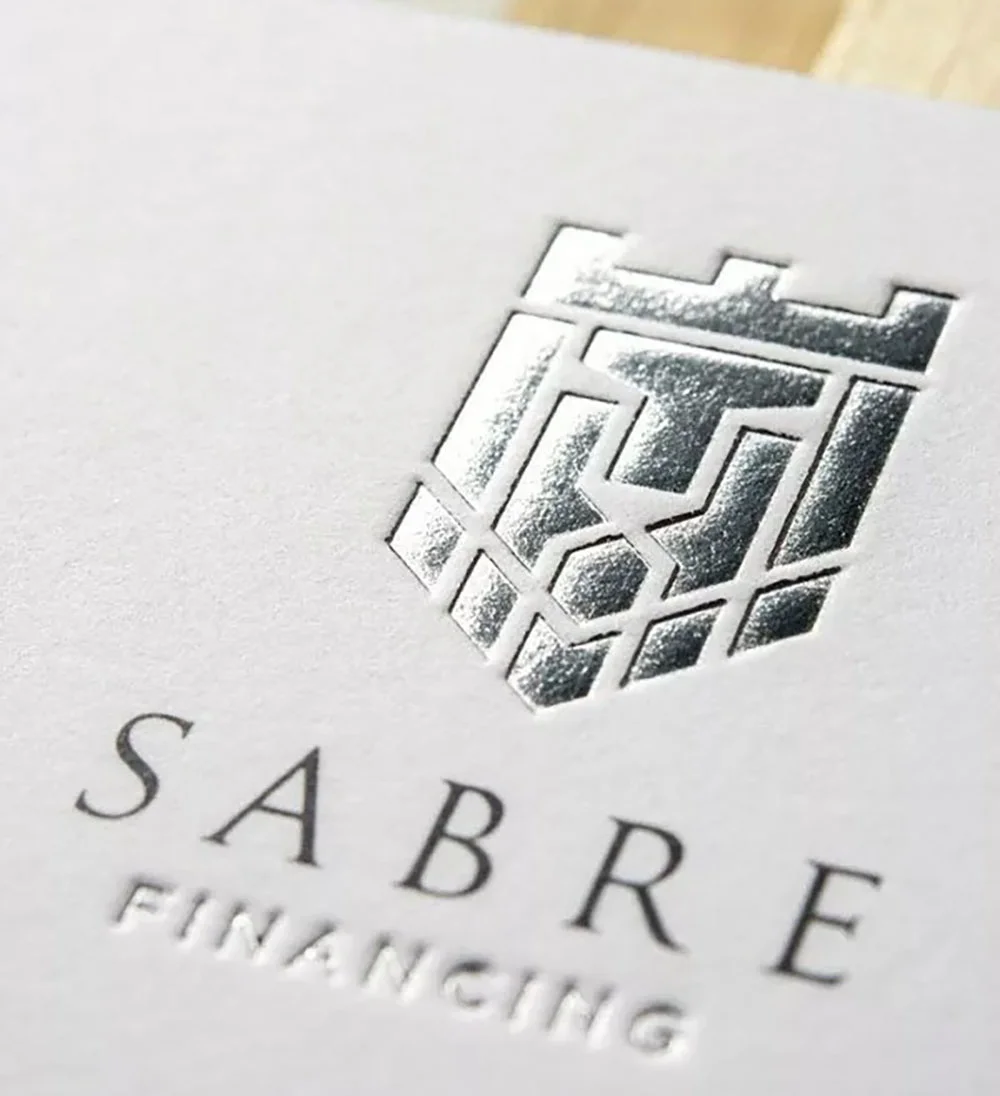
Silver Foiling
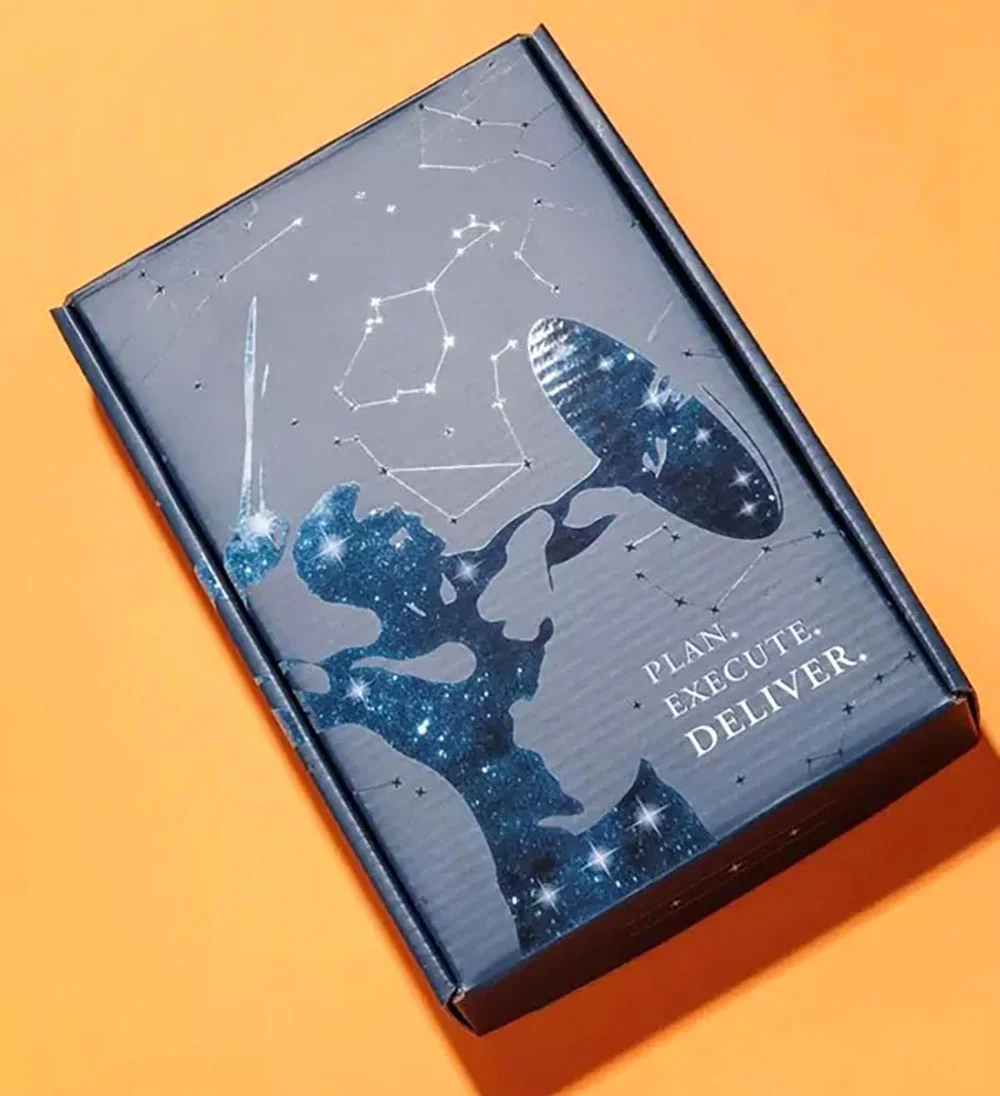
Spot UV
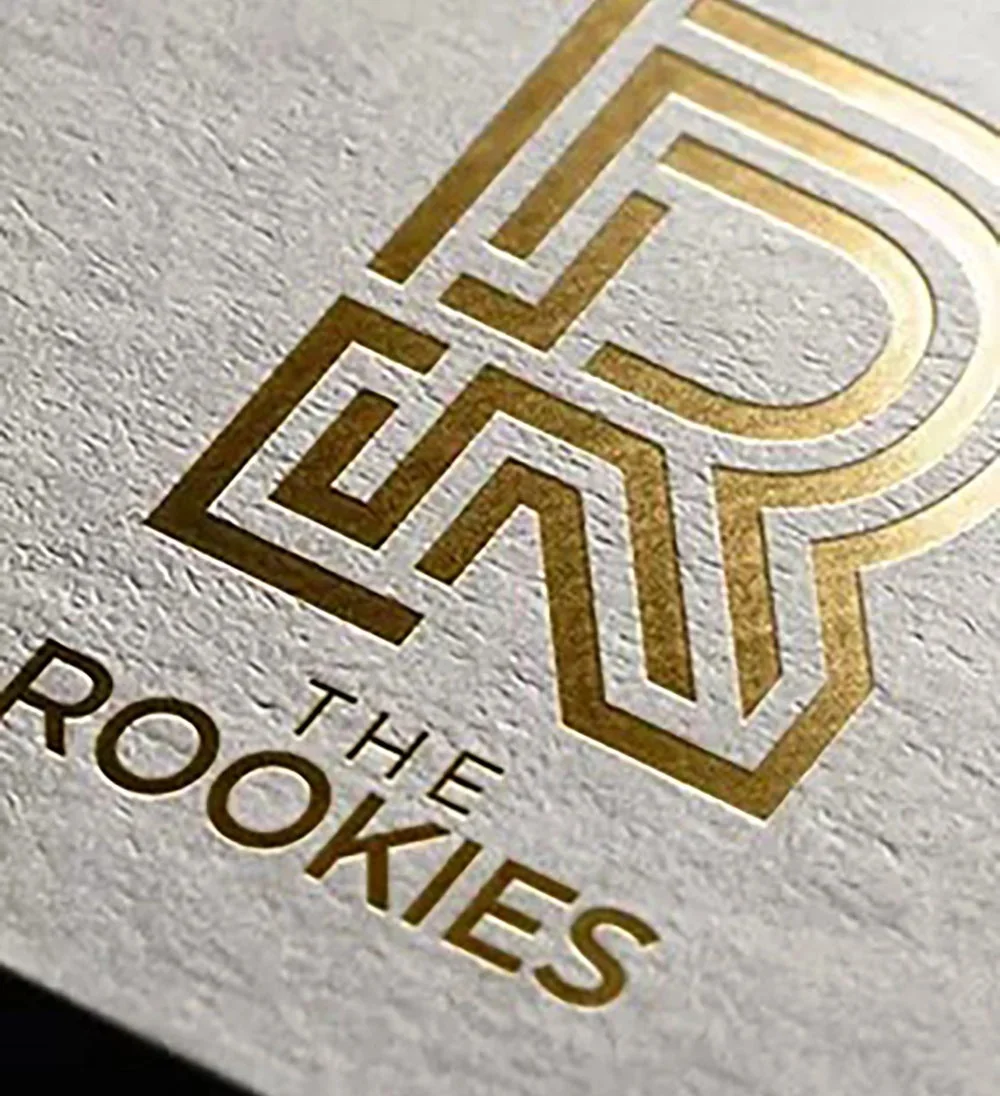
The Rookies
Card Stock Options
Haul Packaging provides a large selection of card stock types to meet various needs for packaging. You may give your box an adorning appearance and feel by selecting from a range of cardstocks with varying thicknesses, textures, and colors. The card stock selections for Haul Packaging are of excellent quality and longevity, guaranteeing that the packaging not only looks fantastic but also protects the contents within.

Corrugated

Glitter
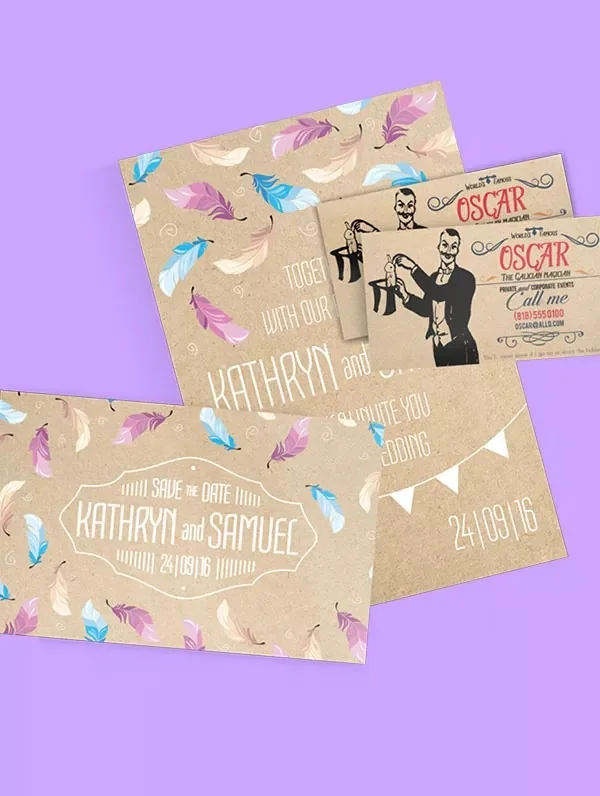
Kraft
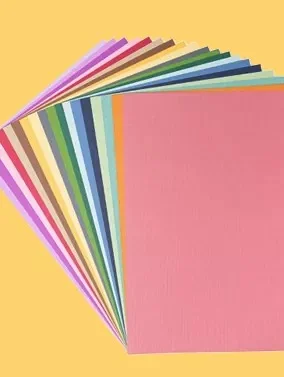
Matte
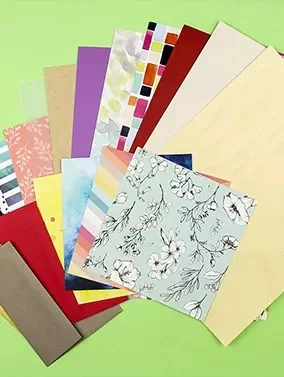
Textured
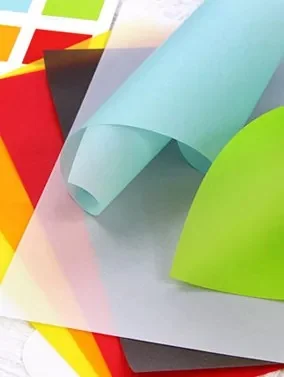
Vellum
FAQs
-
Can I print my logo on food boxes? Yes. You can add your logo, brand colours, product name, contact details, and other supplied artwork.
-
Can I order food boxes in custom sizes? Yes. Share the exact length, width, and height of the complete packed product.
-
Can one box work for every type of food? Not always. Different foods may need different sizes, structures, coatings, and closures.
-
Can food packaging include a window? Many box styles can include a window. Confirm the available size, position, and material when requesting your quote.
-
What information do I need for a quote? Provide the food type, dimensions, quantity, printing requirements, and intended use. Mention any inserts, windows, coatings, or special closures.