

In Stock
Custom Printed Cereal Boxes
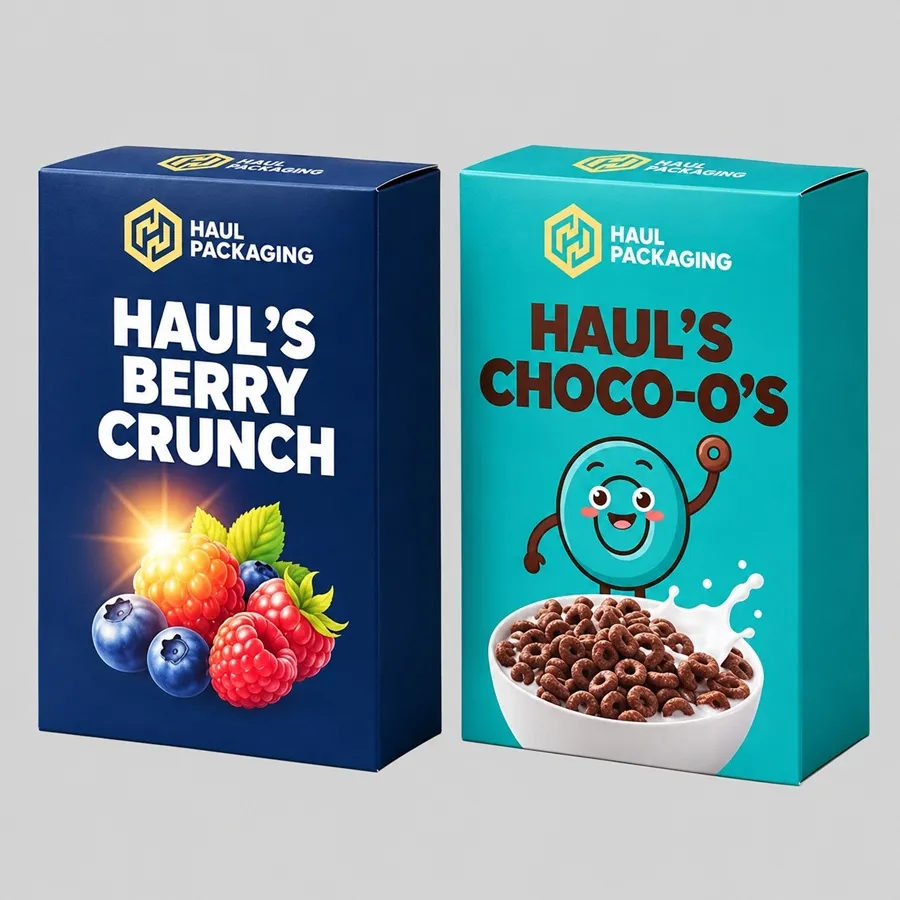
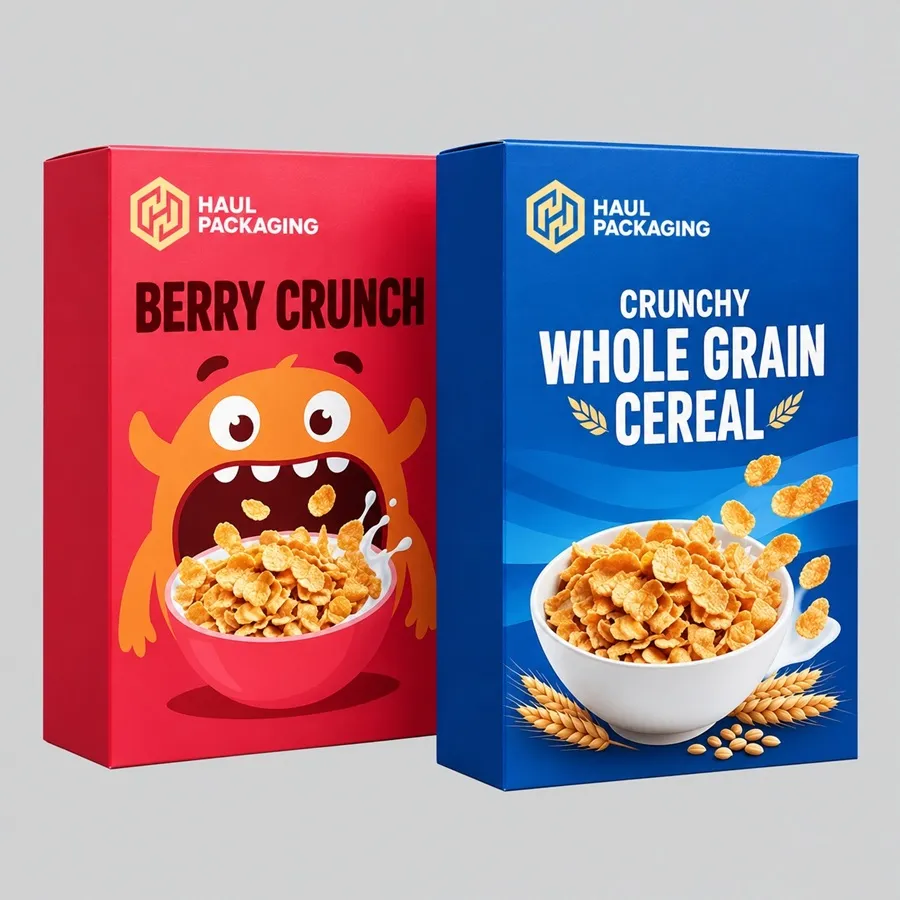
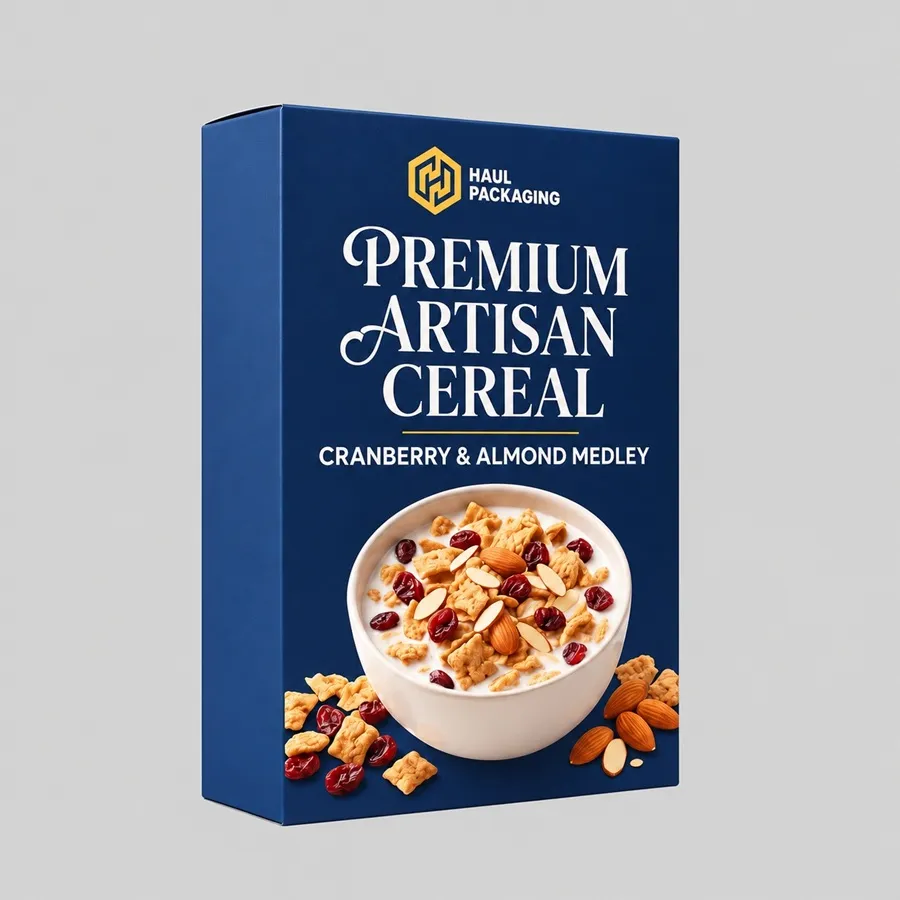
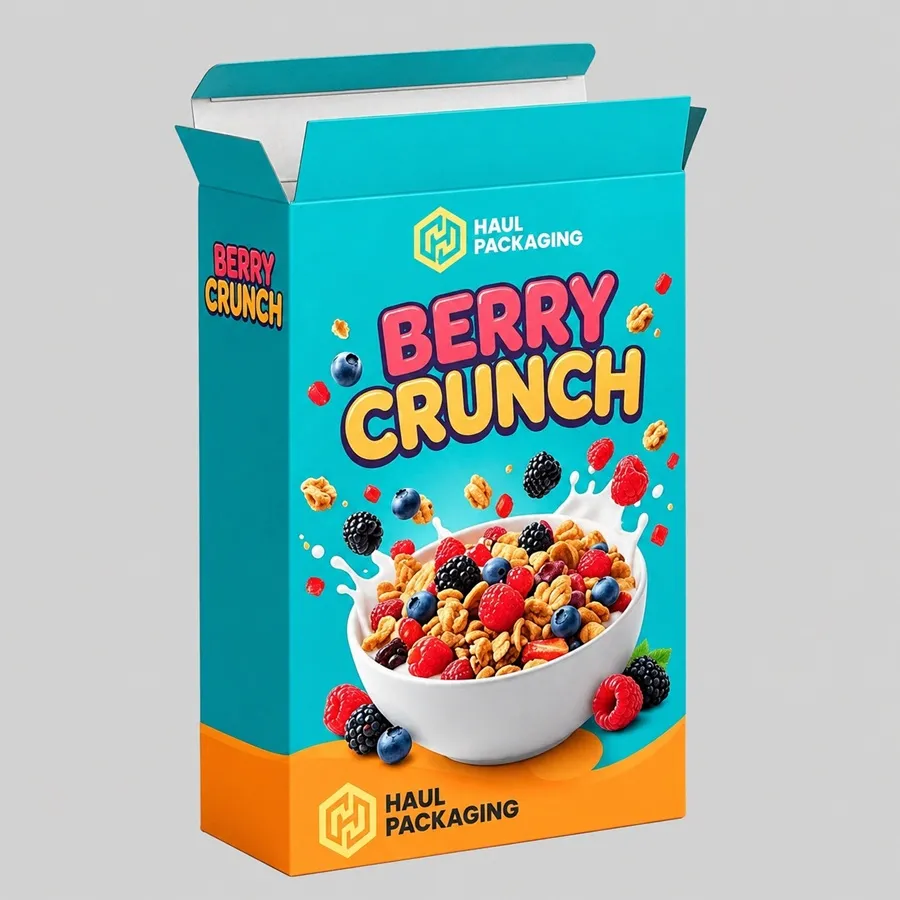
If you want your cereal brand to stand out on the shelf, start with packaging that reflects your identity. With Haul Packaging, you can customize every detail: add your logo, product visuals, brand colors, and all the label information your customers need. Select the right size, paperboard type, and finish to match your product. Whether you’re launching a new cereal or need branded cartons for a large order, reach out for a tailored quote that fits your needs.
Trusted Payment Methods


No Die & Plate
Charges

Quick turnaround
time

Free & Shipping

Starting from
50 boxes

customize size
& style

free graphics
designing
- Details
- Specifications
Custom Printed Cereal Boxes That Make Every Panel Count
Every panel has a job to do, and good printing will bring all those elements together.
Custom-printed cereal boxes give food brands control over how their packaging communicates, from the first glance on a retail shelf to the moment a customer opens the carton at home.
Your artwork deserves more than a standard box.
Good cereal pack design starts with knowing what consumers need to see at a glance.
A shopper should be able to identify the brand, the cereal, and the key product information without having to wade through a lot of cluttered graphics.
Front Panel: Make the Product Instantly Recognizable
The front panel should communicate the product name and visual identity at a glance.
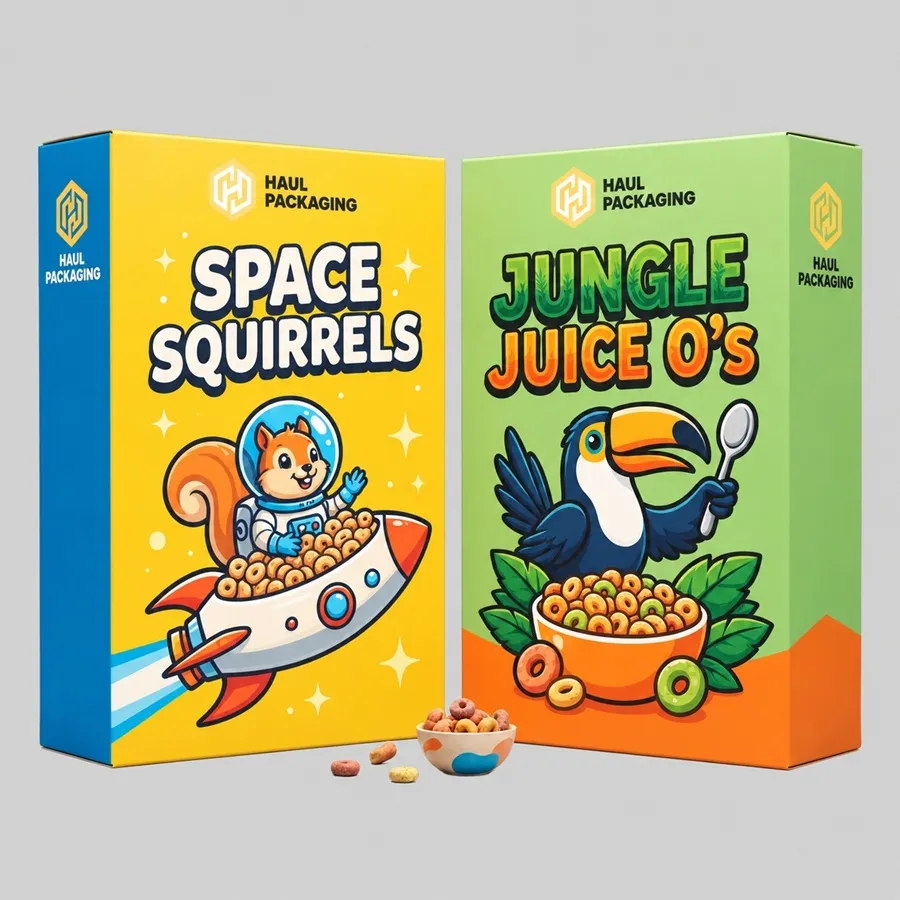
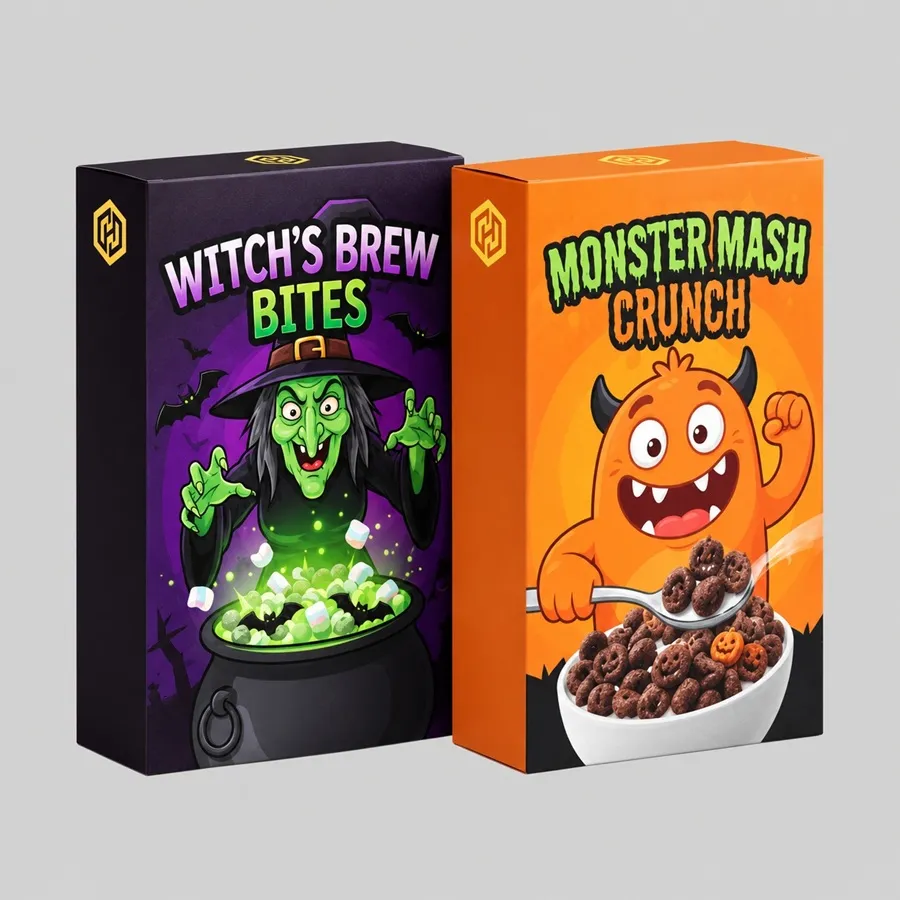
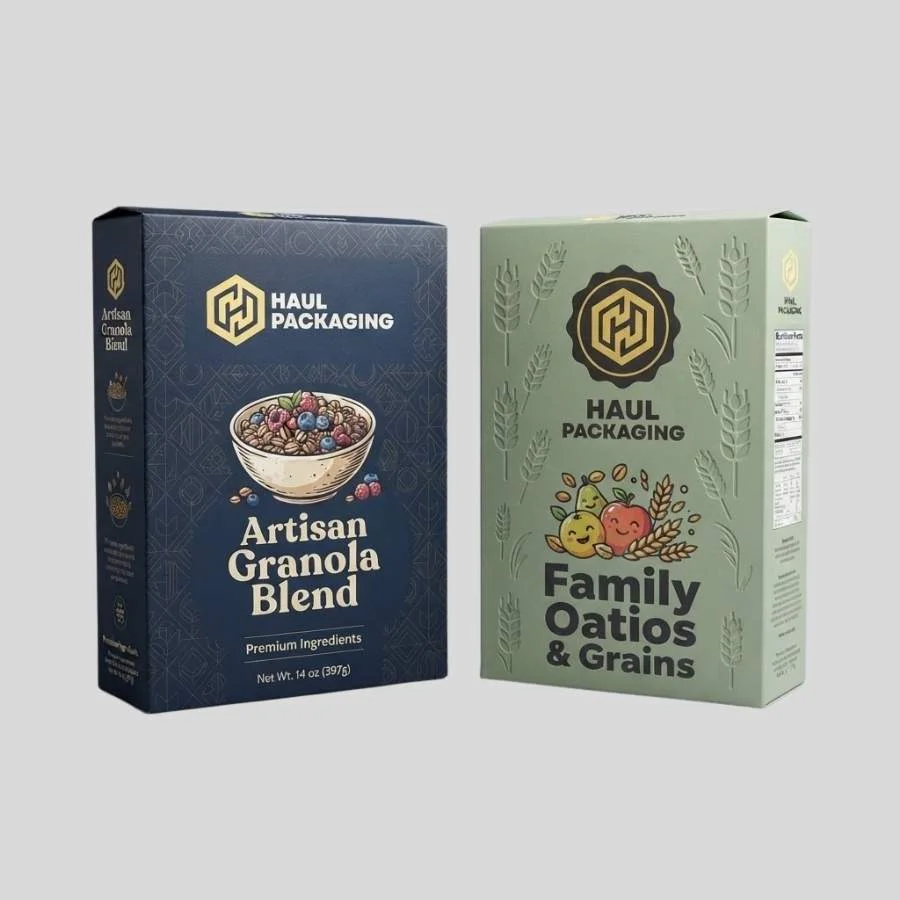
For a granola brand, it might be all about the ingredient imagery and very restrained type. A kids' breakfast cereal might go for more exuberant illustrations and a very specific color scheme.
Side Panels: Make Information Easy to Find
Side panels can carry product information, brand messaging, and design features that link the front and back of the carton.
Back Panel: Give Customers a Reason to Look Again
The back panel has space for preparation guidance, serving suggestions, product information, or a short brand story.
Custom Cereal Box Printing: Getting the Details Right
Printing quality is about so much more than a pretty digital design.
CMYK Printing for Full-Color Artwork
CMYK printing uses cyan, magenta, yellow, and black inks to reproduce a broad range of colors.
It's frequently used for packaging that contains photos, illustrations, gradients, and all sorts of detailed graphics.
Pantone Colors for Brand Consistency
Pantone Matching System (PMS) references can help communicate specific brand-color requirements.
Spot colors can be the right thing to do if a particular color is important in terms of brand recognition. The end result will, of course, still be down to the print process, the board surface, and the approved production specs.
Offset, Flexographic, and Digital Printing
Different printing methods are appropriate for different production requirements.
Offset lithography is commonly used for high-quality printed folding cartons, particularly where detailed graphics and consistent reproduction are priorities.
Flexographic printing uses flexible plates and can suit packaging production, depending on the substrate, artwork, and run requirements.
Digital printing can suit shorter runs, prototypes, or variable-artwork projects, though availability and cost depend on the production setup.
The best method isn't necessarily the most expensive one. It's the method that's appropriate for the amount of work, the type of artwork, the substrate, and the quality required.
Preparing Print-Ready Artwork for Cereal Packaging
Even good art can lead to very disappointing packaging if you don't prepare it for the finished carton.
Start With an Approved Dieline
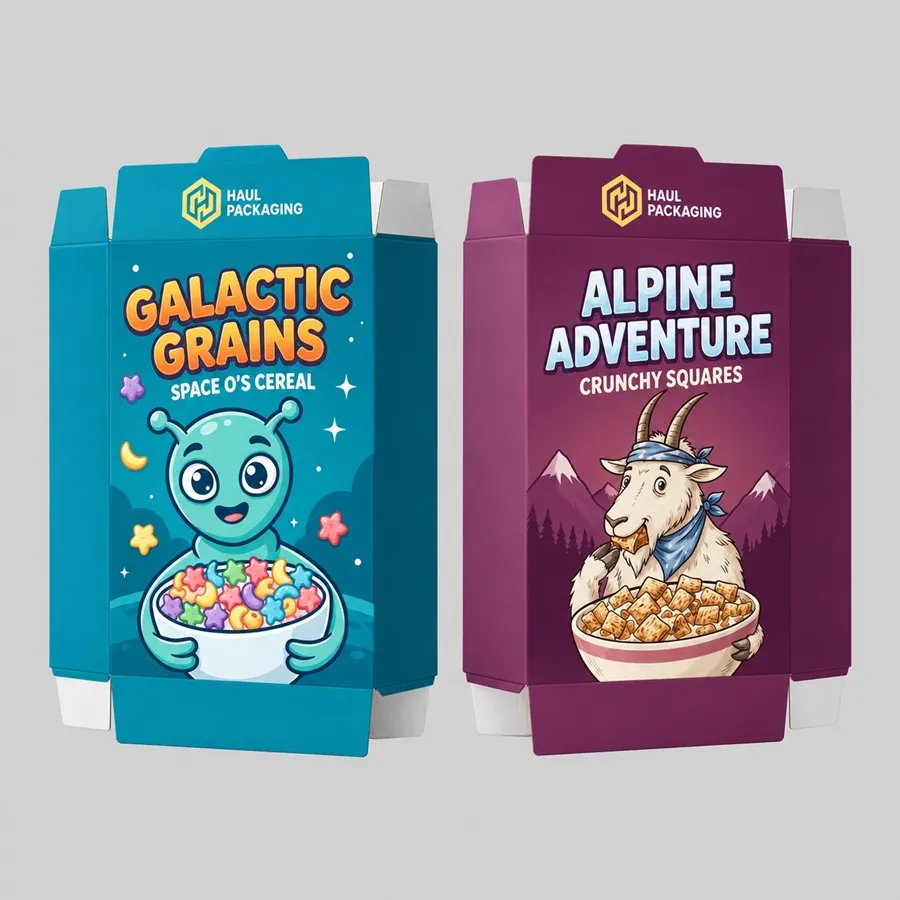
A die line is a structural template showing the carton panels, the cut lines, the fold lines, and the glue areas.
Designing to the correct dieline will ensure that your logos, images, and text all remain in the correct position after cutting and assembly.
Include Bleed and Safe Areas.
Bleed allows the printed artwork to extend beyond the final trim edge and is used to prevent the unwanted white border that can occur as a result of normal cutting tolerances.
Safe areas keep the key text and design elements clear of the edge, where trimming or folding could otherwise interfere with readability.
Review Fonts, Images, and Barcodes
Raster images should have adequate effective resolution at their intended printed size.
Fonts should be embedded, outlined, or otherwise supplied in accordance with the printer's artwork requirements.
Approve the Proof Carefully
A digital proof will help confirm the layout, wording, artwork placement, and all the various design details.
When you can get a physical sample or a press proof, that can be of immense value in terms of seeing the actual material, the way it folds, and the actual printed color.
Choose Finishes That Strengthen the Design
A matte surface will give a very subdued appearance, whereas gloss will emphasize the reflected light and the color contrast.
Specialty finishes can be appropriate for certain packaging applications, but they should have a clear visual raison d'etre.
| Finish | Visual effect | Consideration |
| Matte coating | Low-sheen appearance | May show scuffs differently depending on formulation |
| Gloss coating | Reflective surface | Can create glare under strong lighting |
| Spot UV | Localized glossy accents | Requires compatible substrate and artwork |
| Foil stamping | Metallic decorative details | Adds tooling and registration considerations |
| Embossing | Raised surface detail | Must account for board and panel structure |
| Debossing | Recessed surface detail | Fine details may require testing. |
Paperboard Selection Affects the Printed Result
The same artwork can appear quite different when printed on different paperboard stocks.
Bright white-coated stock will support exceptionally detailed graphics.
Natural kraft stock, on the other hand, has a totally different feel, as the brown stock itself affects the appearance of the printed colors.
Recycled paperboard grades differ in brightness, surface finish, stiffness, and fiber content.
For conventional retail cereal cartons, folding carton paperboard is the material of choice, as it's printable and can be cut, scored, and assembled.
When you're choosing your materials, bear in mind the finished box size, the weight of the product, the printing requirements, and the conditions of distribution.
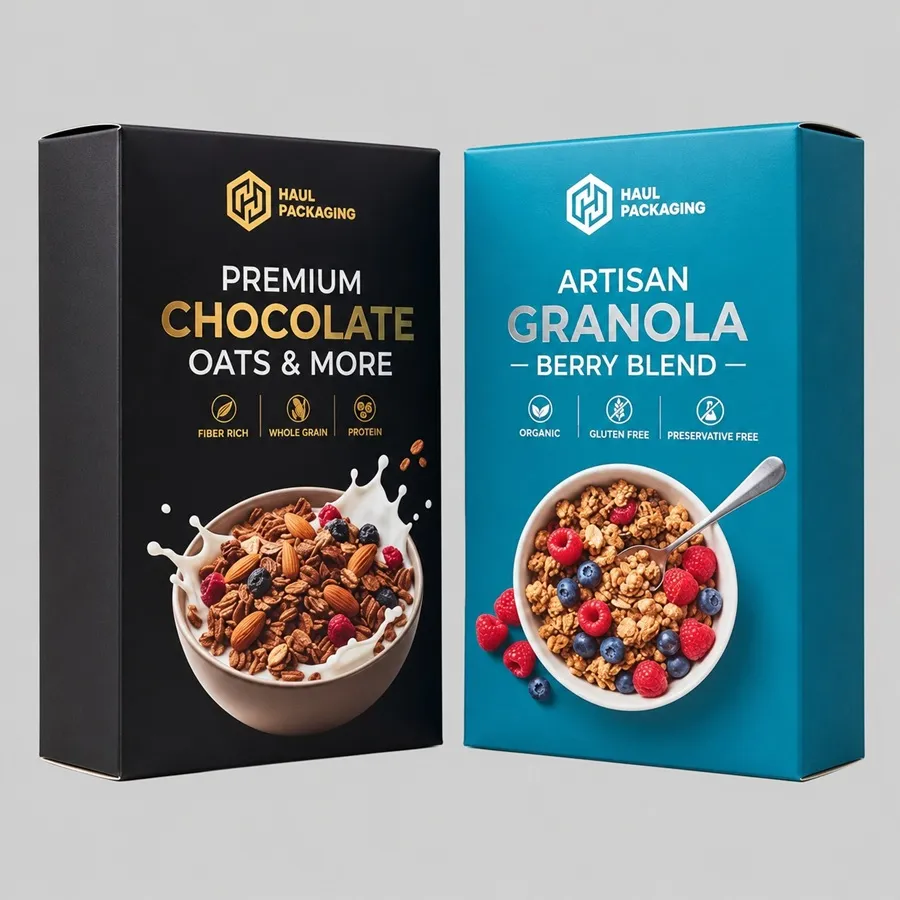
Make Your Cereal Packaging Consistent Across Every Flavor
One of the most valuable uses of custom printing is in building an easily identifiable product family.
A brand selling honey granola, chocolate cereal, and mixed grain breakfasts can use the same carton format and still differentiate the various products via color, image, and product name.
This approach can be used to tidy up the artwork and help the customer to see which products are related.
However, review each variation carefully.
Flavor names, ingredients, allergen information, nutritional information, barcodes, and net quantities will vary from product to product.
Printed Cereal Boxes for Retail, Sampling, and Promotions
Custom cereal packaging can be used to support a number of commercial applications.
Retail breakfast cereals: Full-color cartons provide space for product identification, brand graphics, and required consumer information.
Granola and oat products: Branded packaging can communicate the product variety and accommodate suitable inner packaging.
Private-label cereal ranges: Consistent printed layouts help establish a cohesive identity across multiple products.
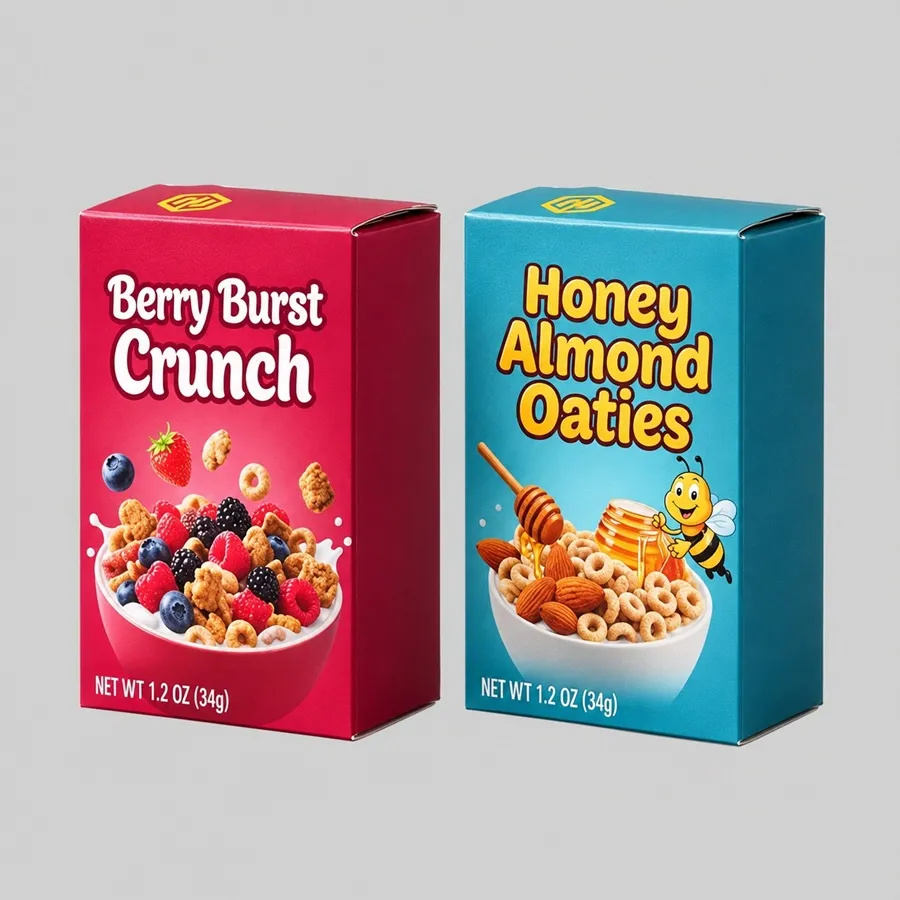
Single-serving cereal products: Smaller cartons suit hospitality, samples, and promotional applications.
Limited-edition packaging: Seasonal graphics or campaign-specific artwork can distinguish selected product runs.
Printing on Food Packaging: What Brands Should Verify
Printed cereal cartons usually have an inner bag rather than the bag coming directly into contact with the product.
This is, of course, important when choosing inks, coatings, adhesives, and paperboard.
If the packaging components are intended for direct food contact, their suitability must be established for the actual conditions of use.
Brands should also consider whether the print materials (paper, coatings, etc.) or the processing conditions themselves could give rise to migration or other compliance issues.
For cereal products sold in the US, the packaging artwork may have to make room for FDA-regulated food labeling information (i.e., nutrition and allergen statements where applicable).
Wholesale Custom Printed Cereal Boxes: Plan for the Total Cost
The cost of printed cereal packaging is not just a function of the number of cartons ordered.
A standard CMYK artwork, a standard fold, and a standard paperboard grade may well be a different production from a carton that has custom die-cut, foil, and multiple artwork variations.
- Order quantity and number of artwork versions.
- Carton dimensions and paperboard grade.
- Printing method and color specifications.
- Structural tooling and dieline requirements.
- Surface coatings and decorative finishes.
- Proofing and sampling requirements.
- Assembly, packing, shipping, and delivery location.
When businesses compare suppliers, ask whether the quote includes setup, tooling, proofs, finishing, and delivery.
What to Send When Requesting a Quote
Give us the required box size(s), estimated quantity, preferred material, printing requirements, and delivery address.
Turn Your Artwork Into Custom Printed Cereal Packaging
Your cereal packaging should feel like an extension of the brand—not an afterthought added at the end of product development.
What file format is best for cereal box printing?
What's the difference between CMYK and Pantone printing?
Can I print different cereal flavors using the same box design?
Are custom-printed cereal boxes available in wholesale quantities?
Can I add foil stamping or spot UV to my cereal packaging?
Will the printed cereal box keep the food fresh?
Do you provide proofs before printing?
| Dimensions | All Custom Sizes, Shapes and Styles. |
| Printing | CMYK, PMS, Screen Printing, No Printing |
| Paper Stock | 10PT to 28 PT (60lb to 400 lb) Eco Friendly Kraft Stock, E-Flute Corrugation, Bux Board, Cardstock, Fancy Cardstock. |
| Quantity | 50 - 500,000 |
| Coating | Gloss, Matte, Spot Uv |
| Default Process | Die Cutting, Gluing, Scoring, Perforation |
| Options | Custom Window Cut Out, Gold/Silver Foiling, Embossing, Raised Ink, PVC Sheet. |
| Proof | Flat View, 3D Mock-up Physical Sampling, (On Request) |
| Turn Around Time | 4-6 Business Days, Rush Production Plans. |
| Shipping | Free Shipping. |
| Delivery Courier | FedEx Express Shipping, DHL, UPS, Skynet! |
FAQs
-
So, can I get a custom print without any minimum order? All custom printing requires a minimum order quantity; however, our MOQs are very competitive. If you require blank boxes with no minimum order to experiment with, check out our blank cereal boxes!
-
Do you provide proof before printing? Of course! A digital proof and a cereal box mockup are standard parts of our custom printing process, and they require your approval before printing. Your custom printed cereal boxes can only come to life once you sign off!
-
How long is the total process? Production time is usually between 4-6 business days once you approve the final artwork, not including shipping time. You can expect a full timeline once we give you a quote.
-
Can you design my cereal box from scratch? Yes, absolutely! We offer services to custom-design your cereal box from scratch to appeal to your target audience and build brand identity.
-
What materials are custom cereal boxes typically made from? The most common packaging material used to construct cereal boxes is paperboard (boxboard). It's a lightweight, durable, and popular material for food packaging.
-
Is it possible to print my own logo and branding onto the cereal boxes? Yes! We use full-colour printing methods to allow for maximum customisation. With our printing services, you can add your logo, product visuals, ingredient lists, and brand message to your packaging.
-
What styles of cereal boxes can I choose from? There are multiple box-style options available for cereal packaging. Commonly chosen box types include straight tuck-end boxes, reverse tuck-end boxes, and auto-bottom boxes, along with a variety of custom structural designs tailored to your product.
-
What are the benefits of choosing Haul Packaging for my custom printed cereal boxes? We offer packaging solutions to meet any custom brand needs, with premium printing and several sizing options. Additionally, we provide dedicated support to assist you through every step of the process, helping brands create perfect, professional cereal packaging for their specific market.

Premium Finishes
Haul Packaging provides a range of high-quality finishings, including as foil stamping, glossy or matte coatings, embossing, and soft-touch finishes, to improve the visual attractiveness of packaging. These finishes have the power to increase a product's perceived worth and make it stand out on retail shelves.
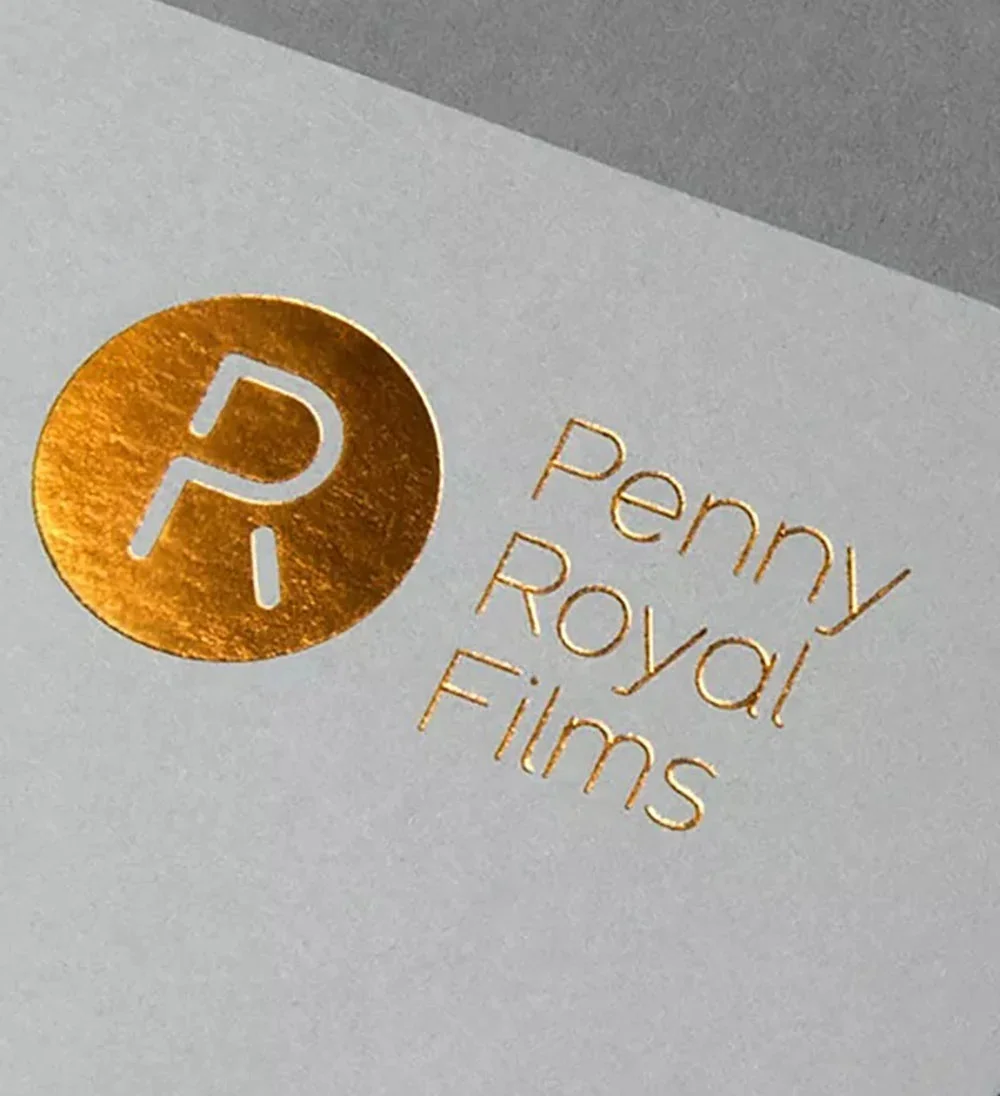
Copper Foiling
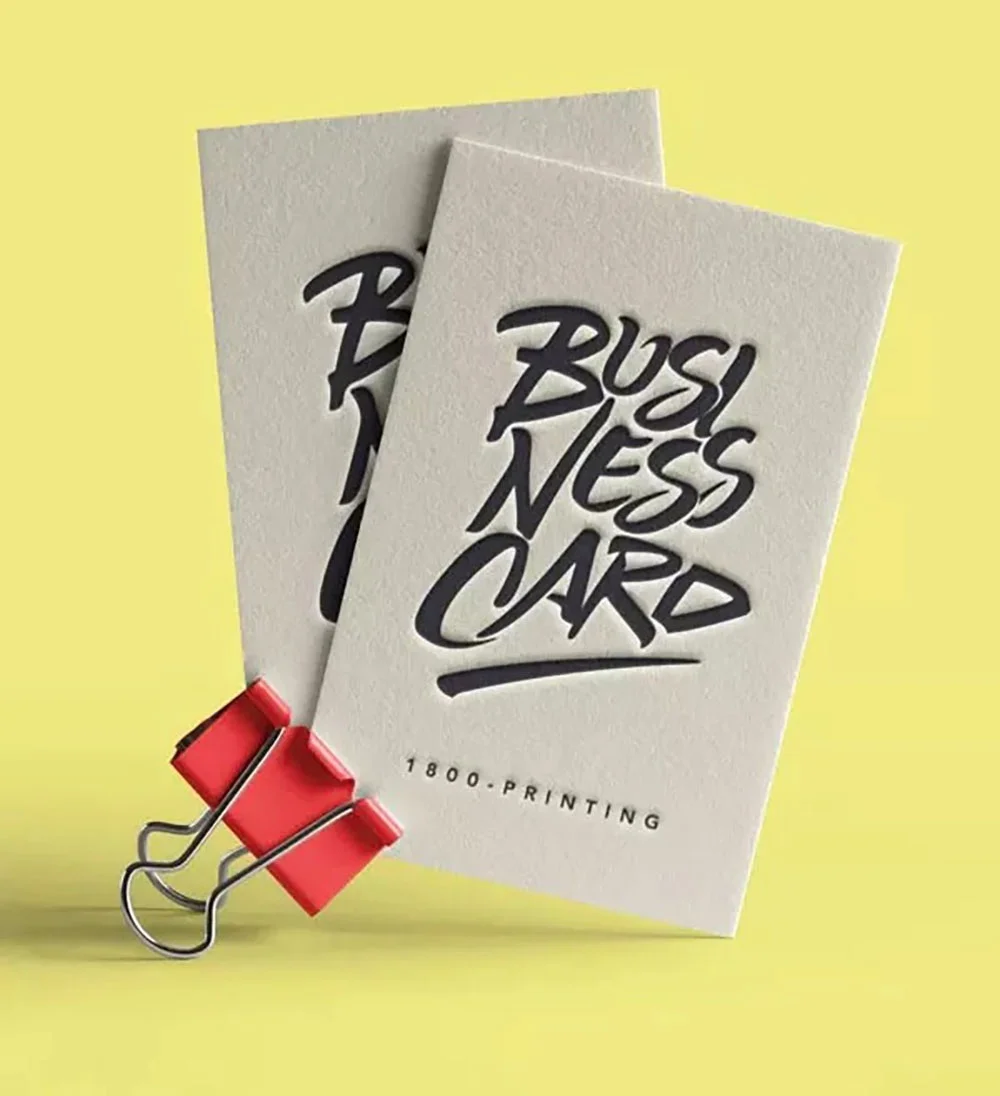
Debossing
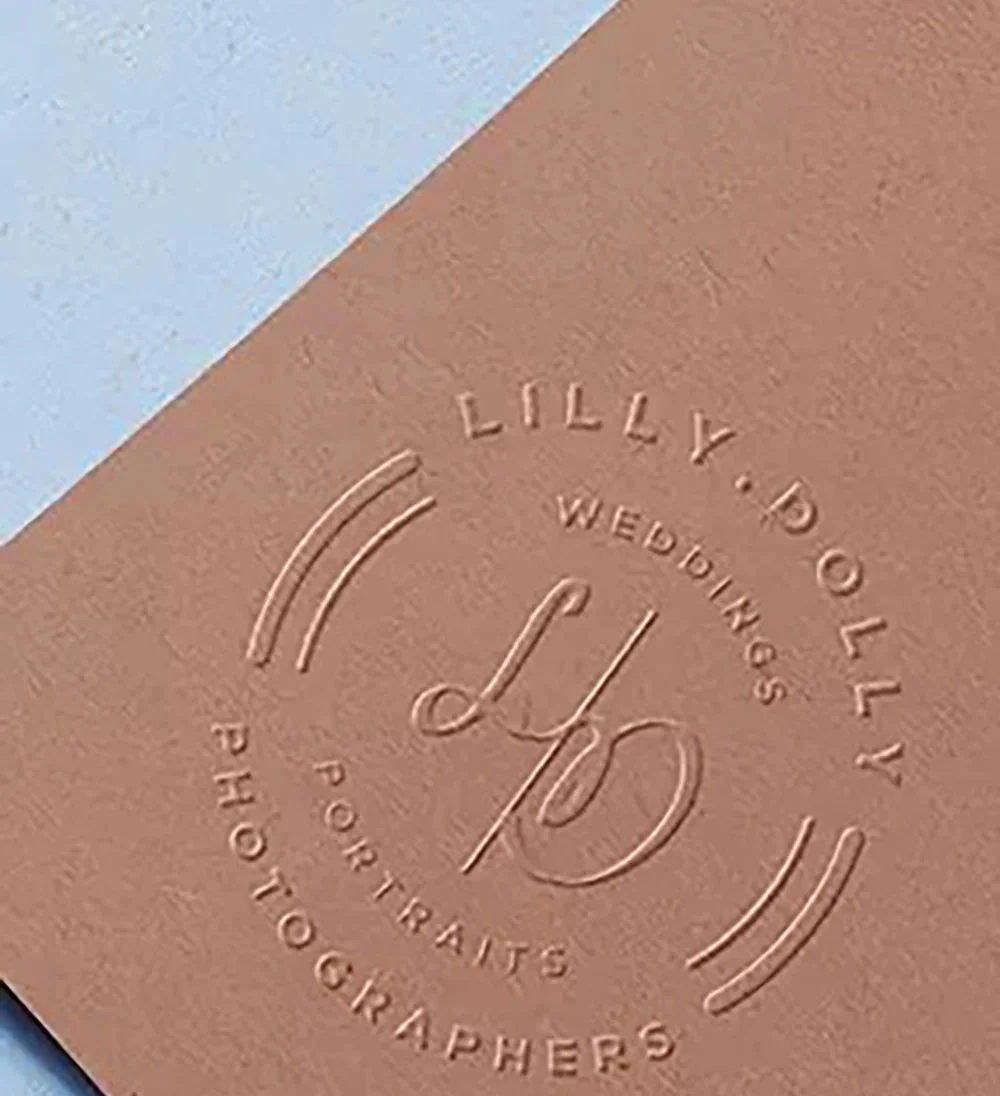
Embossing
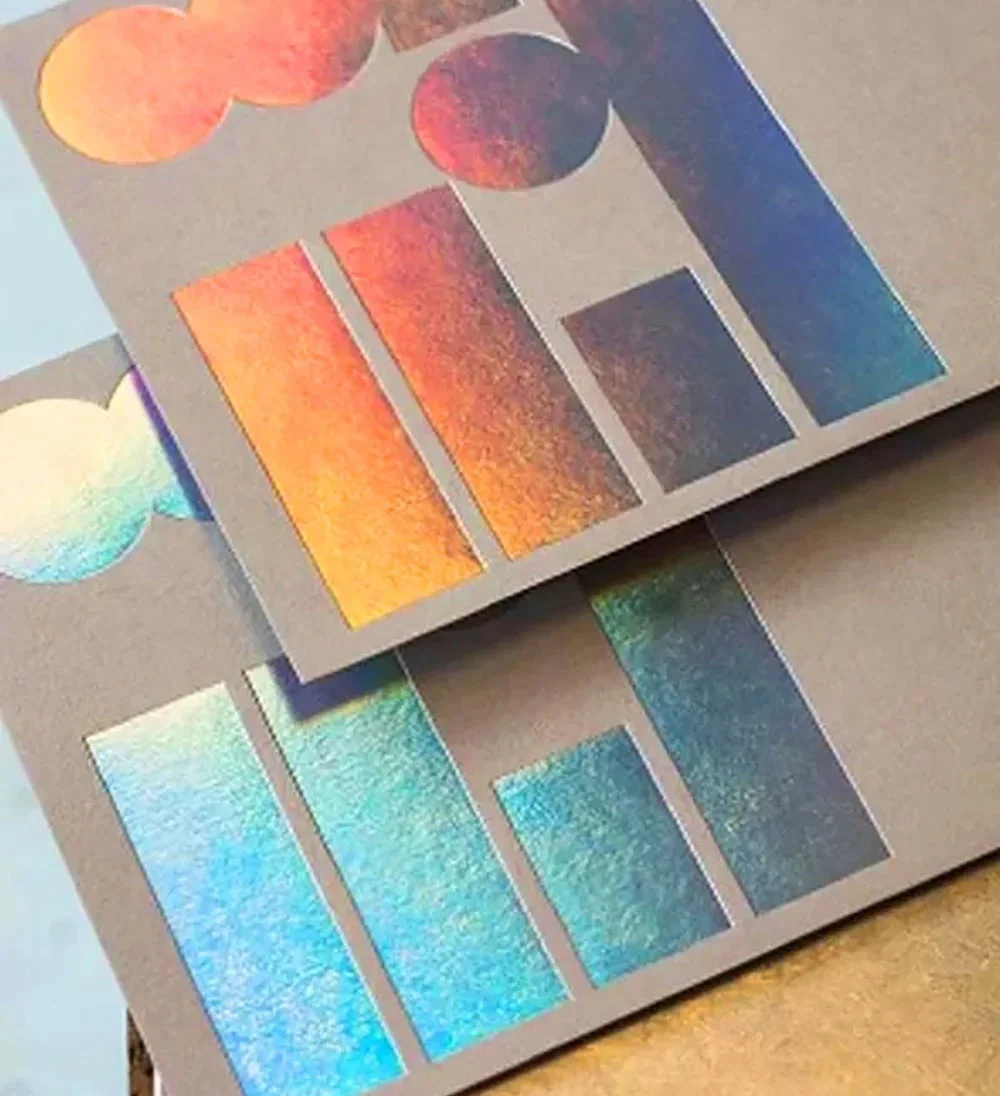
Holographics foiling
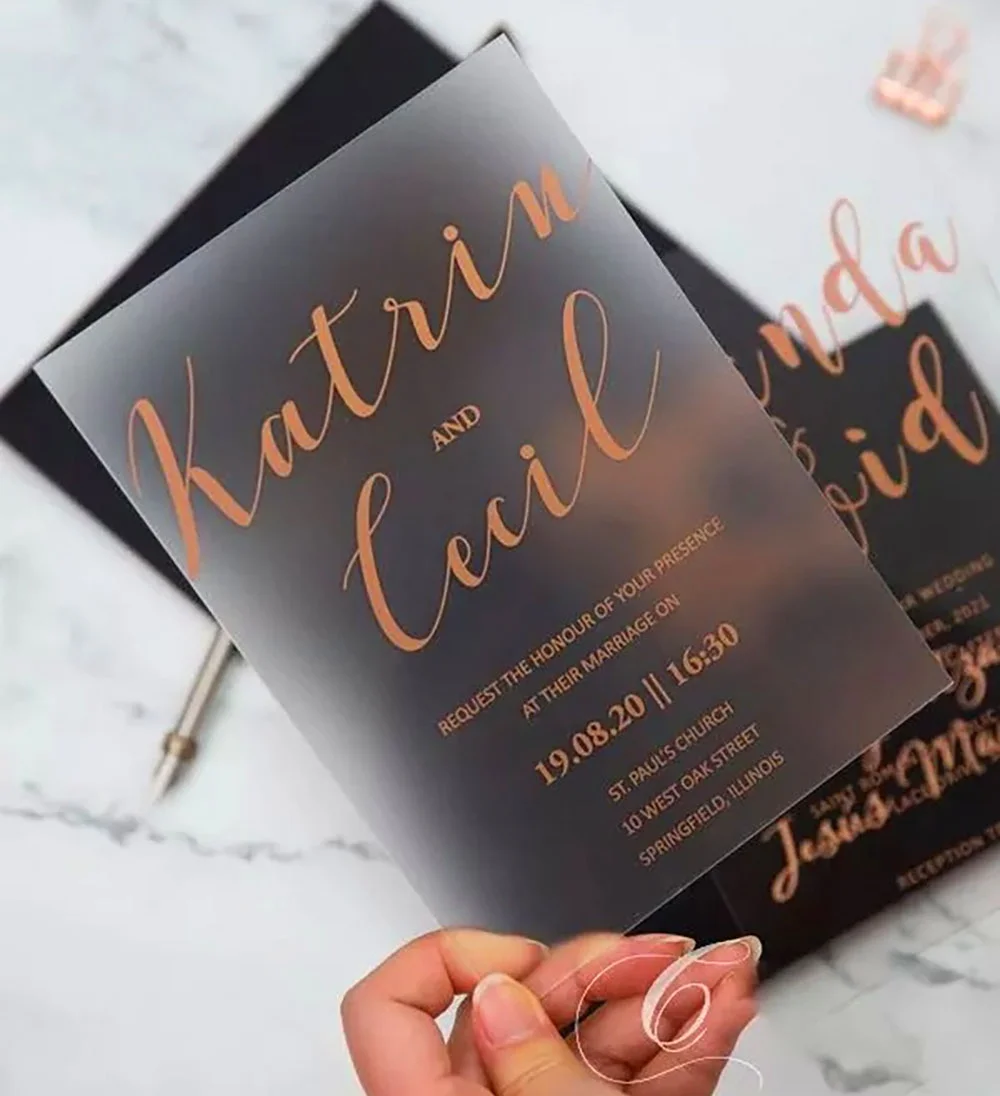
Rose Gold
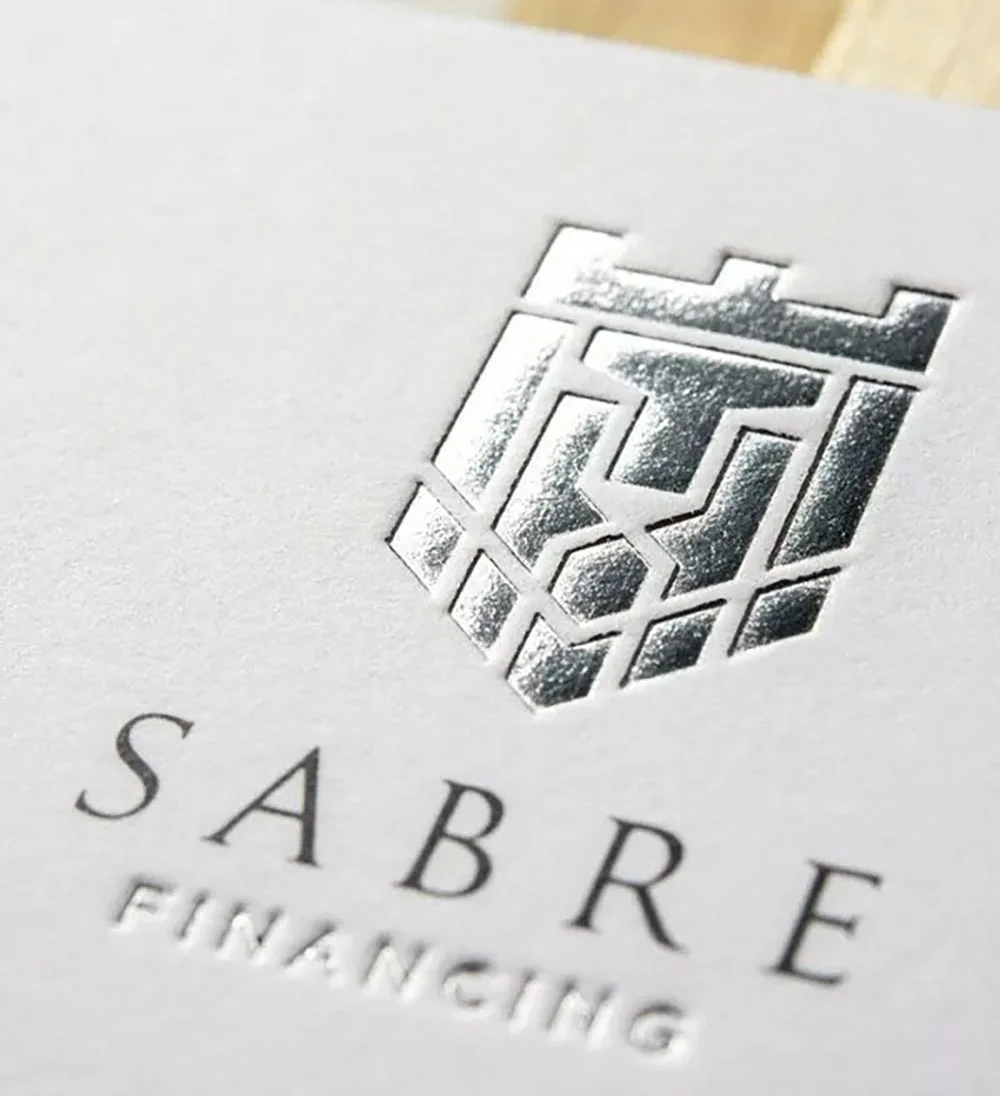
Silver Foiling
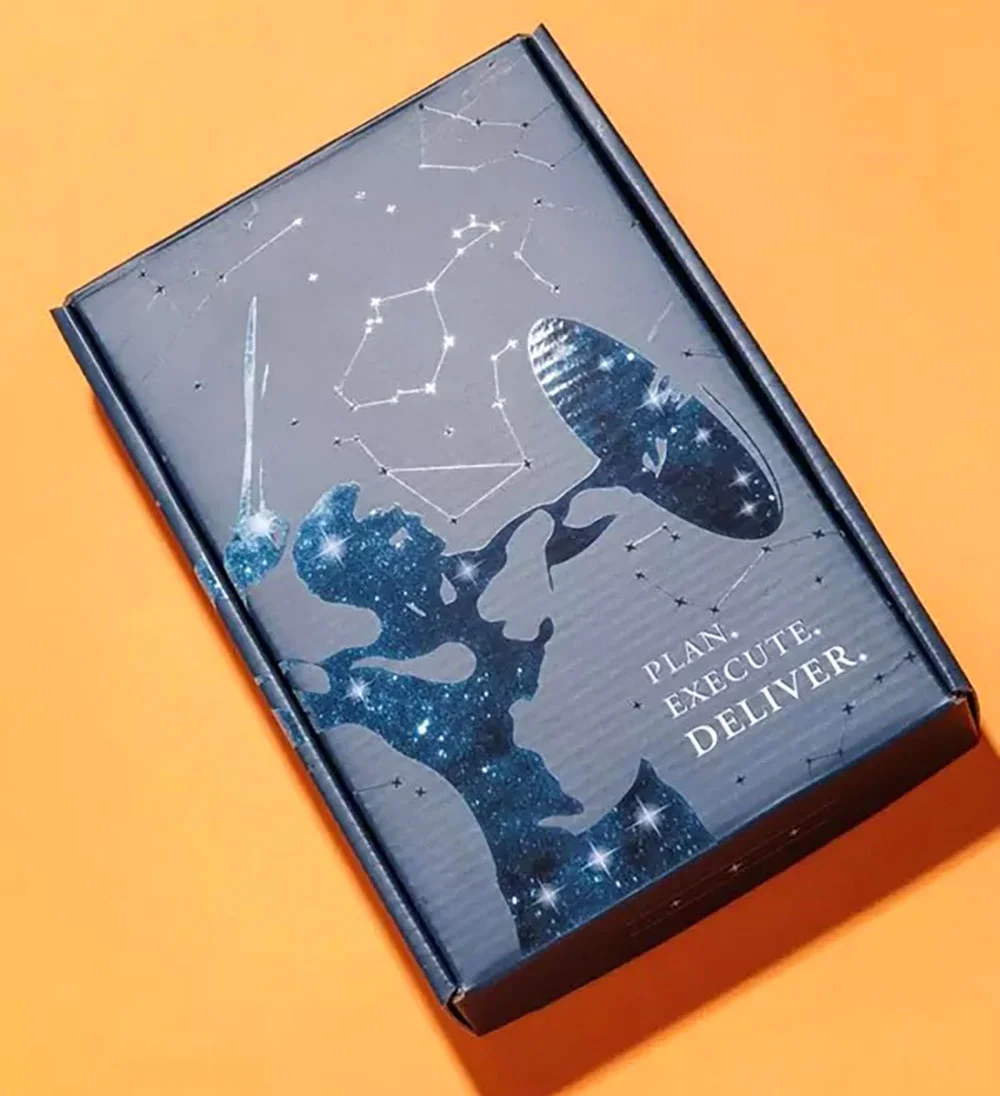
Spot UV
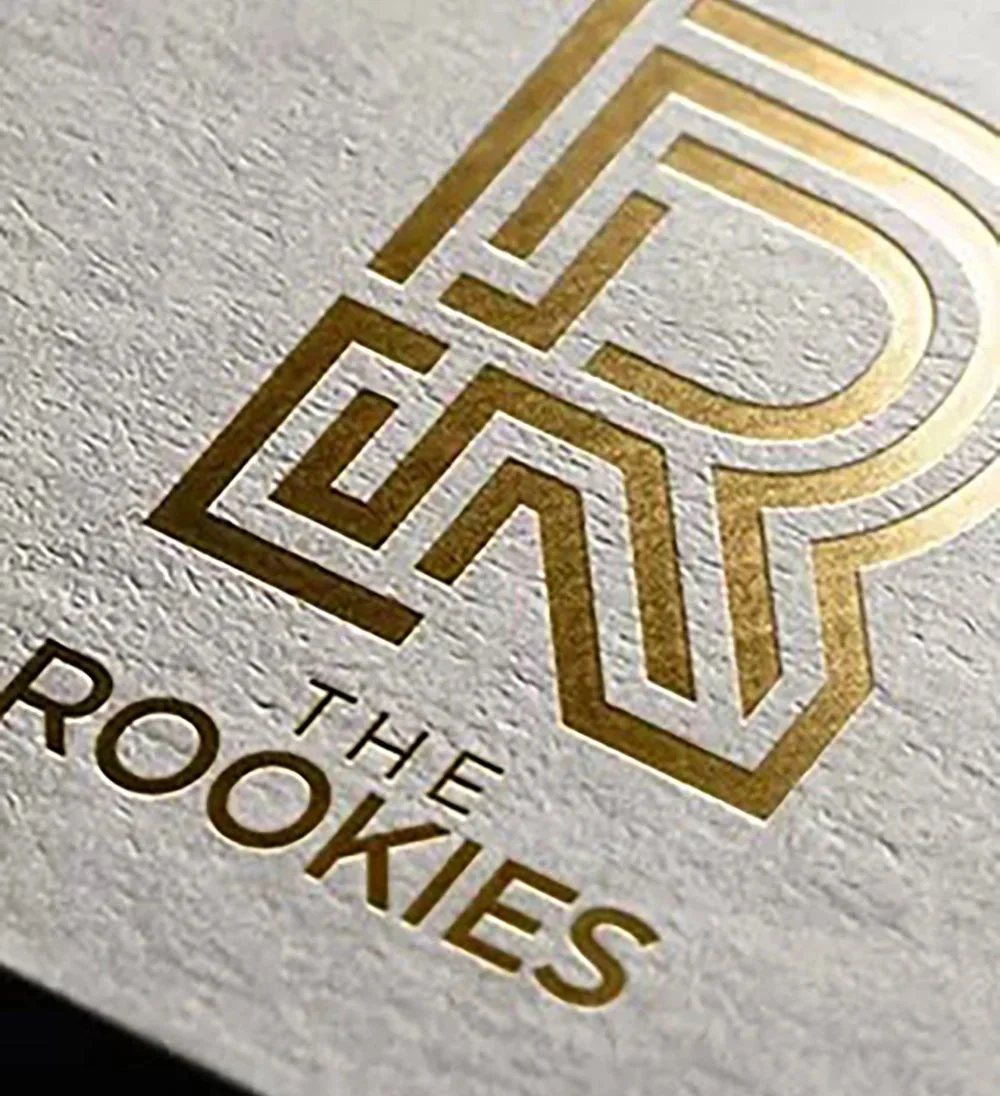
The Rookies
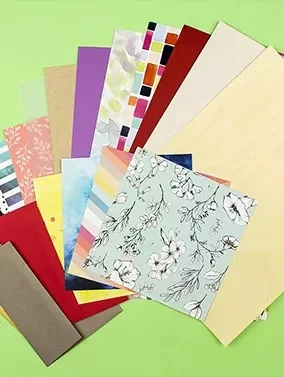
Card Stock Options
Haul Packaging provides a large selection of card stock types to meet various needs for packaging. You may give your box an adorning appearance and feel by selecting from a range of cardstocks with varying thicknesses, textures, and colors. The card stock selections for Haul Packaging are of excellent quality and longevity, guaranteeing that the packaging not only looks fantastic but also protects the contents within.
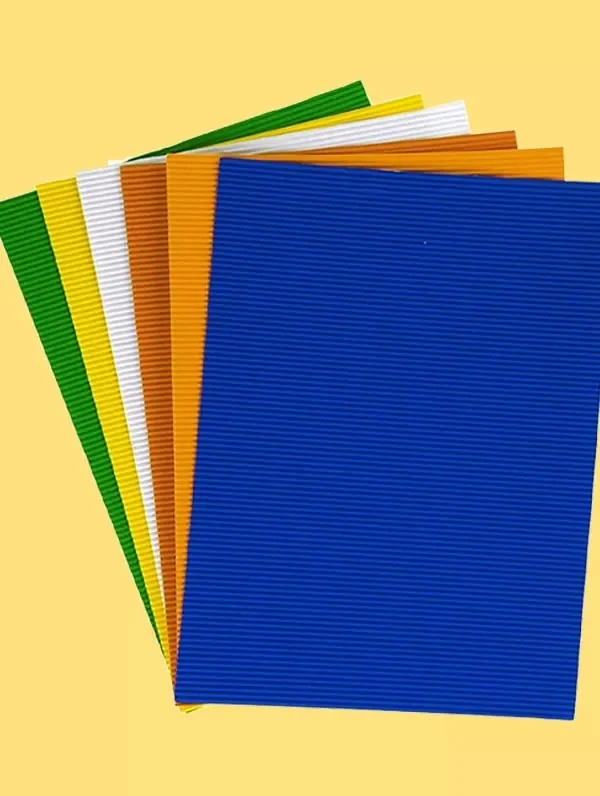
Corrugated
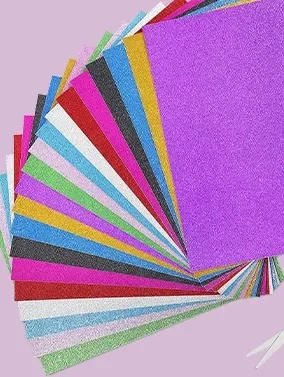
Glitter
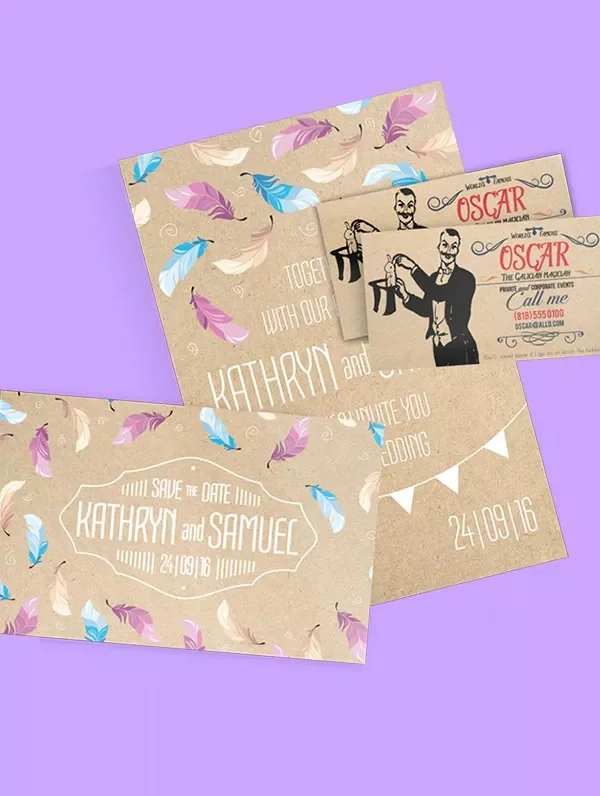
Kraft
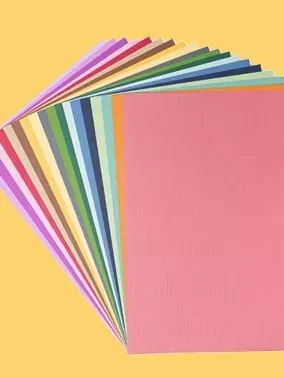
Matte
Textured