Custom Box Styles & Packaging Structures
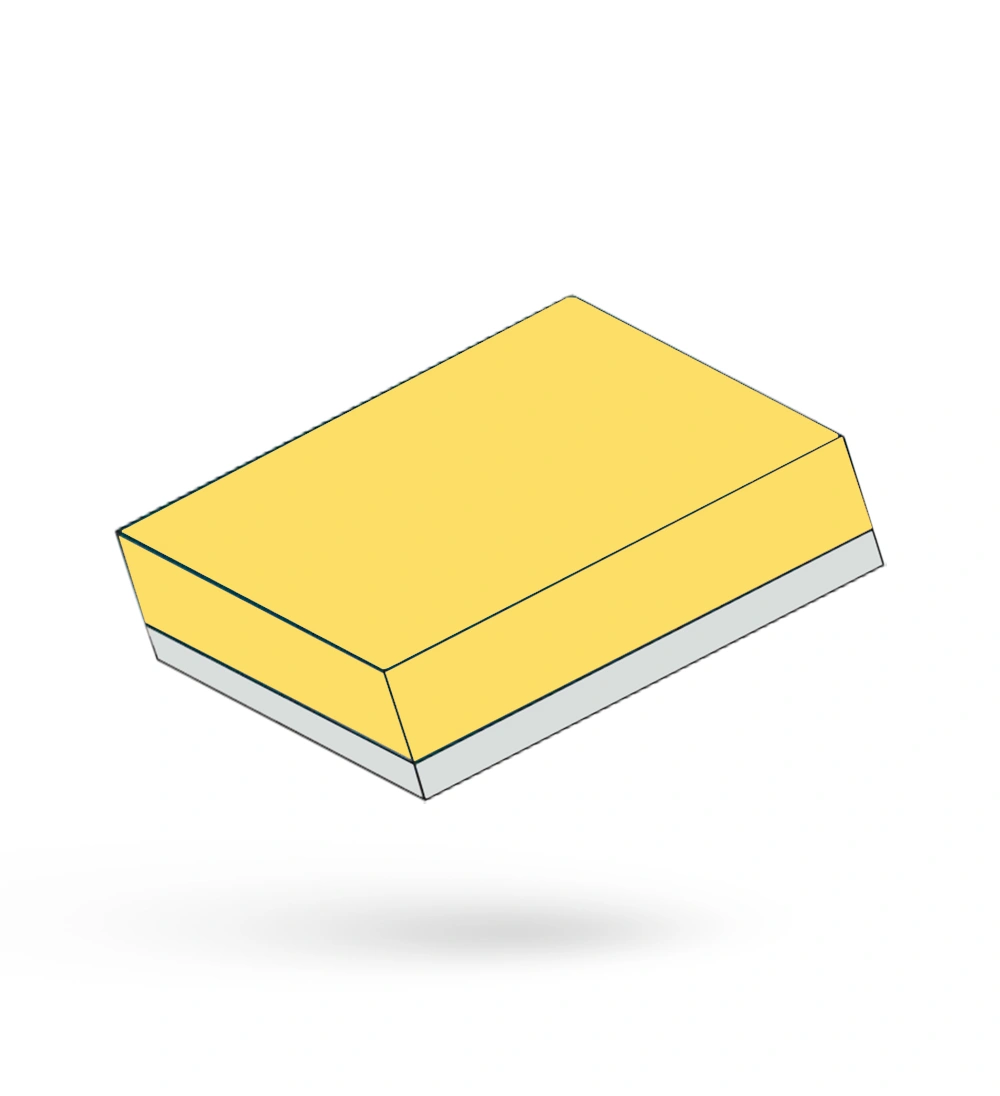
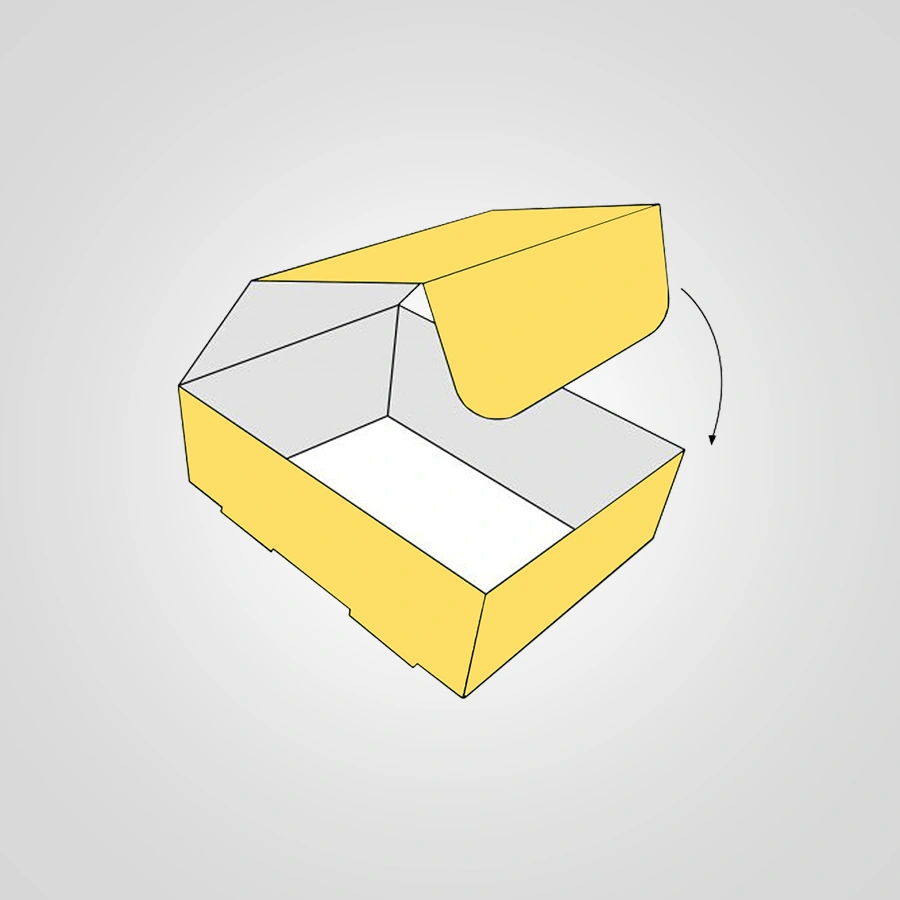
Pick the custom box style that matches how your product will be packed, shown, opened, carried, or shipped. At Haul Packaging, we offer a wide range of packaging options, including tuck-end cartons, auto-bottom boxes, display packaging, sleeves, trays, carriers, inserts, and specialty-shaped boxes.
We can create any box style to fit your product’s size and customize it with your branding, artwork, colors, and finishes. Our packaging experts are here to help you compare box styles based on weight, look, assembly, protection, and budget.
Minimum order: 50 boxes | Standard turnaround: 6–8 business days | USA and overseas production | Fast, free shipping
Browse Custom Boxes by Style
A box’s structure does more than affect its appearance. It also influences how quickly you can assemble it, how securely it holds your product, how it opens, how it looks on a store shelf, and how much space it uses in storage or shipping.
Take a look at our packaging styles or talk to our team if you need help choosing the best structure for your product.
Find the Right Packaging Structure for Your Product
A good-looking box still needs to do its main job: holding and protecting your product. The right structure should fit your product’s size, weight, fragility, sales setting, and the customer experience you want to create.
Lightweight retail products may work well in straight or reverse tuck-end cartons. Heavier products often require a stronger bottom closure, such as an auto-bottom or 1-2-3 bottom structure. Products intended for countertop presentation may benefit from a display or dispenser box, while premium gift and retail products can be presented in sleeve-and-tray or two-piece packaging.
Our team can assess your product’s needs and recommend a structure that balances protection, appearance, assembly, and cost.
Popular Custom Box Styles
Straight and Reverse Tuck-End Boxes
Tuck-end boxes are widely used for cosmetics, skincare, supplements, small electronics, candles, food products, and general retail merchandise.
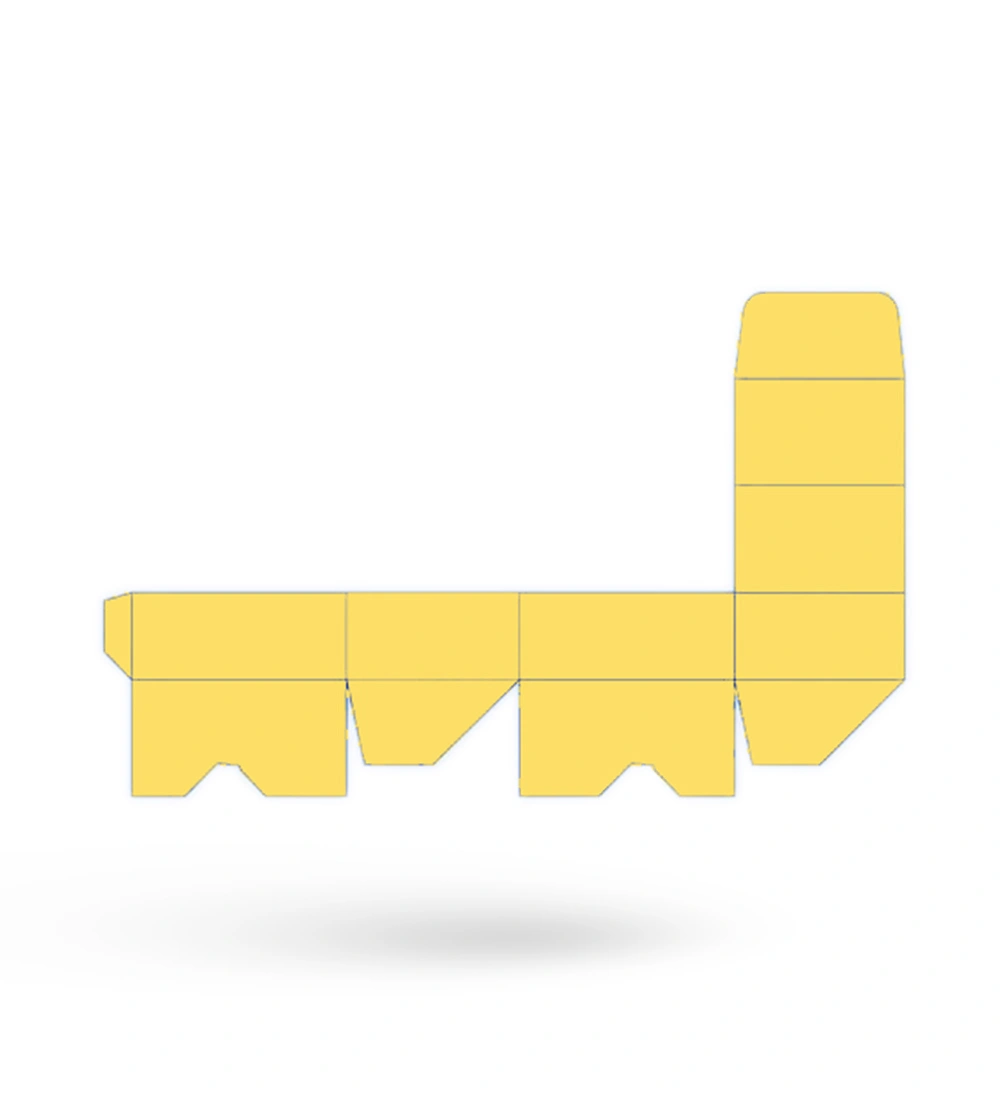
A straight tuck-end box has top and bottom flaps that close in the same direction, creating a clean front-and-back presentation. A reverse tuck-end box has closures that fold in opposite directions and can be an efficient option for many lightweight products.
Both structures provide generous printable surfaces for logos, instructions, ingredients, product information, and branded graphics.
Auto-Bottom and Lock-Bottom Boxes
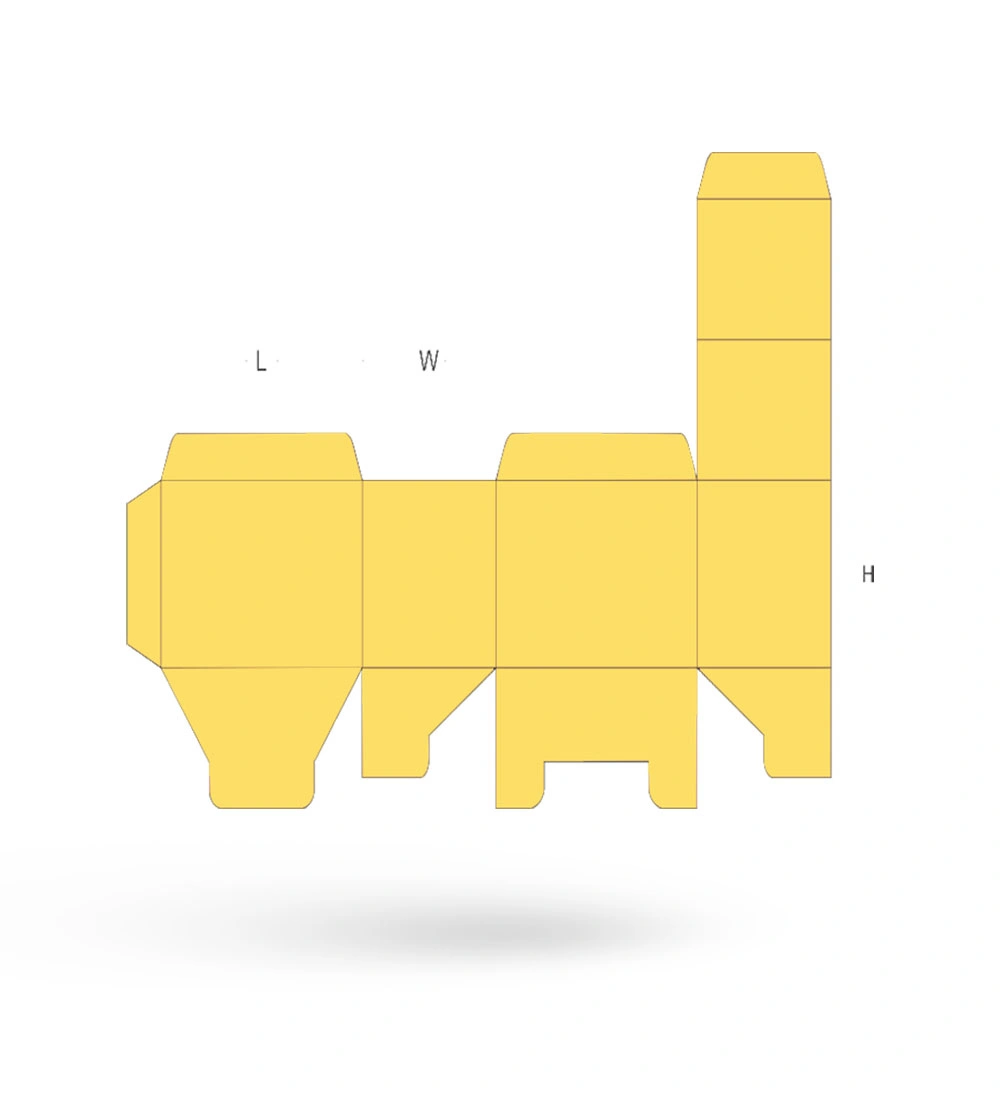
Auto-bottom boxes come pre-glued, so the base pops into place when you open the carton. This helps save time for businesses packing larger quantities.
If your product needs extra support at the base, 1-2-3 bottom boxes use interlocking flaps that fold in order. These are often used for bottles, jars, candles, and other items that need more support than a standard tuck-end carton.
The correct material thickness and bottom style should always be selected according to the product’s actual weight.
Sleeve, Tray and Two-Piece Boxes
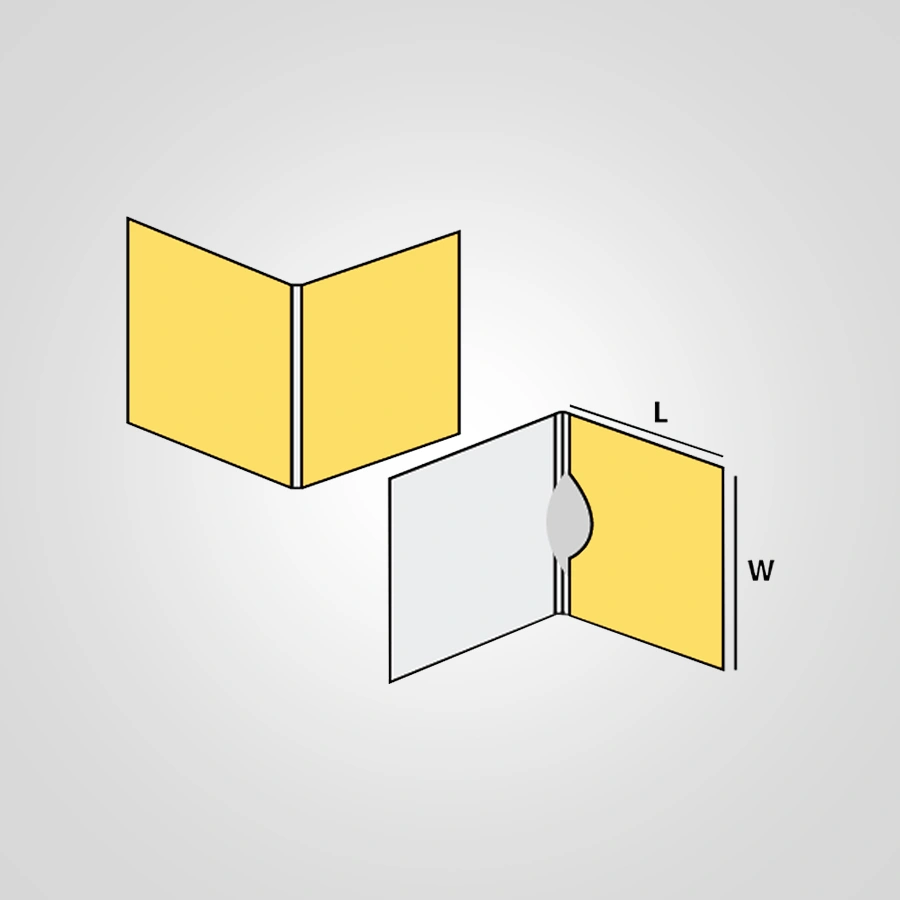
Sleeve-and-tray packaging has an inner tray that slides into an outer printed sleeve. This design creates a smooth reveal and gives you plenty of space for branding, without needing a complex opening.
Two-piece boxes have a separate lid and base. They work well for gifts, clothing, cosmetics, sweets, accessories, and other products where presentation matters.
You can add custom inserts to keep a product centered or to present several items together as a set.
Display and Dispenser Boxes
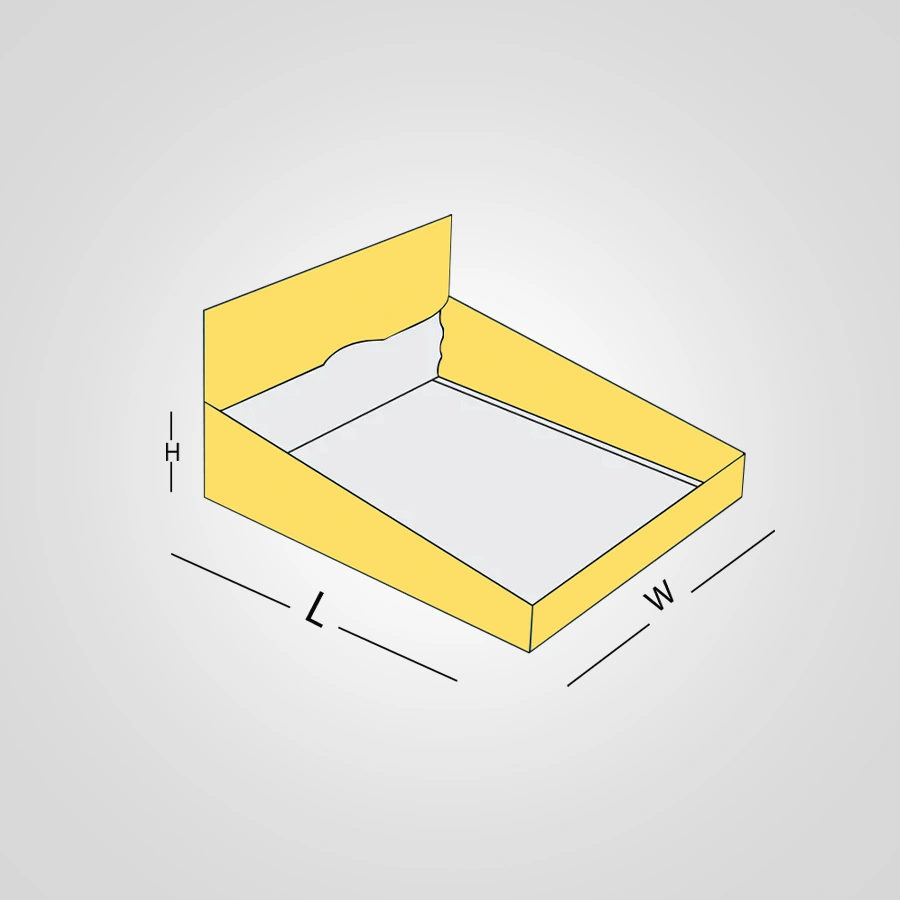
Display boxes are designed to hold products and showcase them directly to customers on counters, shelves, or other retail locations. Depending on the design, you can open the lid or front panel to create a branded display area.
Dispenser boxes allow customers to take out individually packaged products one at a time. They’re often used for sachets, small accessories, sweets, cosmetics, and other items sold or given out individually.
When planning display packaging, consider shelf space, product visibility, restocking ease, stability, and the number of units that fit in each box.
Gable Boxes, Carriers and Handle Boxes
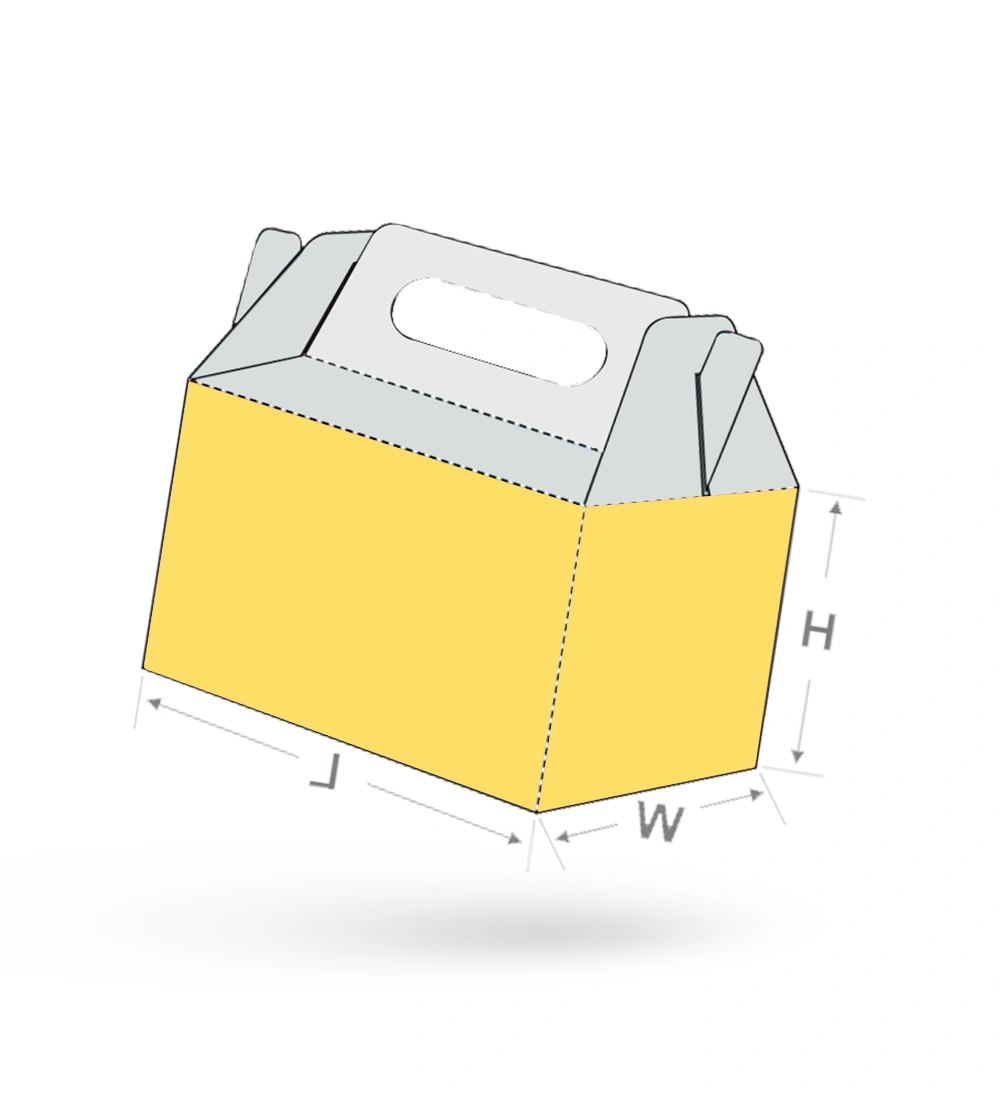
Gable boxes hold your product and have a built-in handle for easy carrying. They’re often used for gifts, baked goods, takeaway items, event favors, and promotional kits.
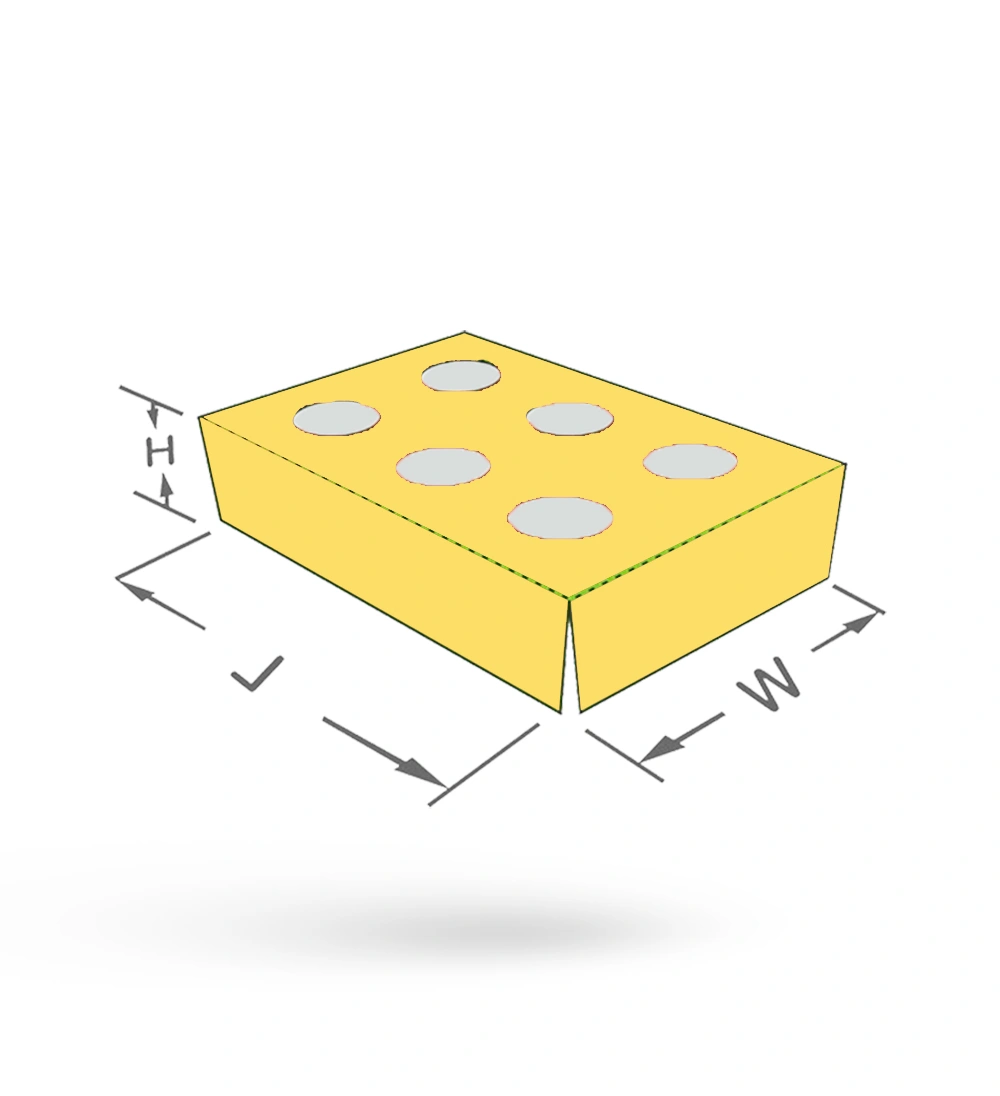
Bottle and glass carriers use internal divisions or shaped openings to keep containers separated. The board grade, handle construction, and partition design must be matched to the total carrying weight.
You can customize these boxes with windows, printed instructions, branding, and special compartments for your product as needed.
Pillow, Hexagon and Triangle Boxes
Specialty-shaped packaging gives your product a unique look when a regular rectangular box isn’t the right fit for your product or campaign.
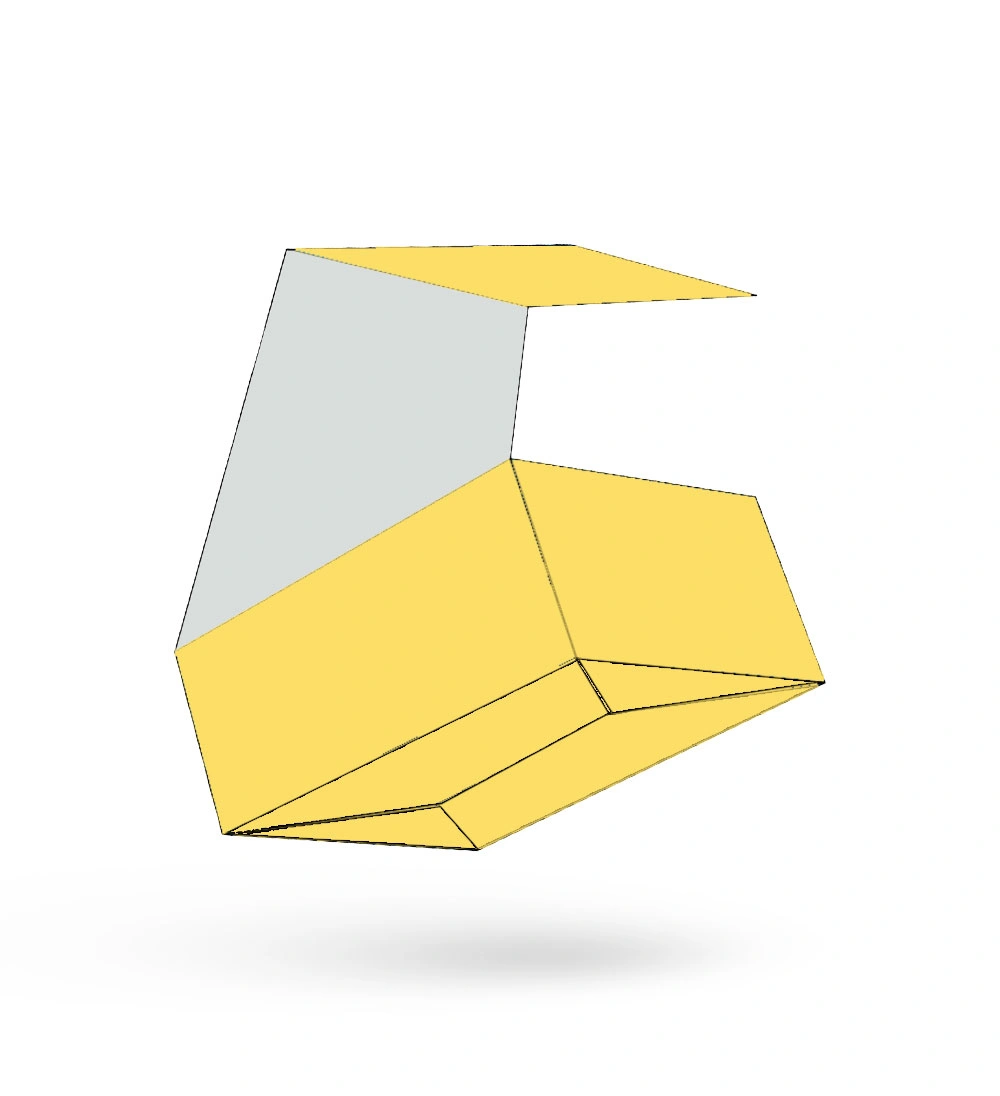
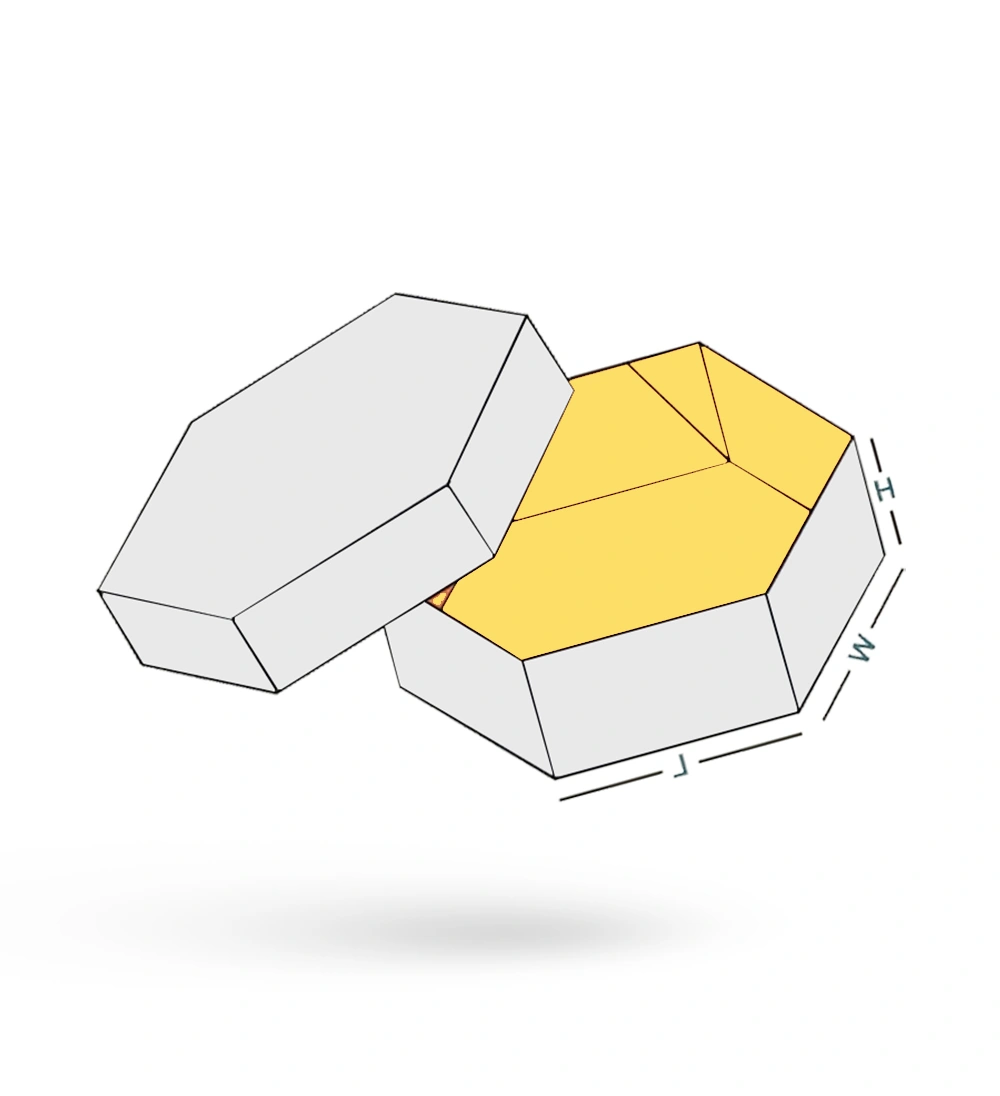
Pillow boxes have curved sides and are often used for lightweight gifts, accessories, clothing, sweets, and event items. Hexagon and triangle boxes stand out on the shelf and work well for promotional, gift, and specialty retail packaging.
Before choosing a specialty box shape, consider how much space it offers inside, how well it stacks, how long it takes to assemble, and what’s required for shipping.
Inserts, Partitions and Product Supports
Custom inserts and partitions keep products from shifting inside the box. They can separate items, organize sets, protect fragile products, and enhance the unboxing experience.
Paperboard and corrugated inserts can be cut and folded to fit your product. The final design should be based on exact product measurements and, if needed, a physical sample.
How to Select a Custom Box Style
Consider the Product’s Weight
Lightweight products usually work well in folding paperboard cartons. Heavier, fragile, or sensitive items may require corrugated material, stronger closures, or extra internal support.
Decide How the Box Should Open
Decide if you want customers to open the box from the top, slide out a tray, lift a lid, tear off a panel, or use a dispenser opening.
The way the box opens should create a good customer experience while remaining easy to assemble and use.
Identify Where the Box Will Be Used
Retail boxes need clear branding and to look good on shelves. E-commerce packaging should handle shipping and handling. Gift packaging focuses on presentation, while food packaging may require special materials and compliance with safety rules.
Review Packing and Assembly
A complex box can look impressive, but it might take longer to put together. Auto-bottom designs are great when you need to pack quickly, while simple folding cartons work well for small batches packed by hand.
Allow Space for Printing and Required Information
Your box should have enough space for your logo, product name, instructions, ingredients, warnings, barcodes, and any other required details.
Artwork should remain inside the safe area and should not place important text directly over folds, glue flaps, cut lines, or locking tabs.
Custom Sizes, Printing and Finishes
We can adjust any box style to fit your product’s size. Accurate length, width, and depth measurements help ensure a better fit, reduce excessive movement inside, and avoid material waste.
Depending on the selected structure and project requirements, customization may include:
- Custom dimensions
- Exterior and interior printing
- Brand colors and product graphics
- Die-cut windows
- Custom inserts and partitions
- Matte or gloss lamination
- Soft-touch finishes
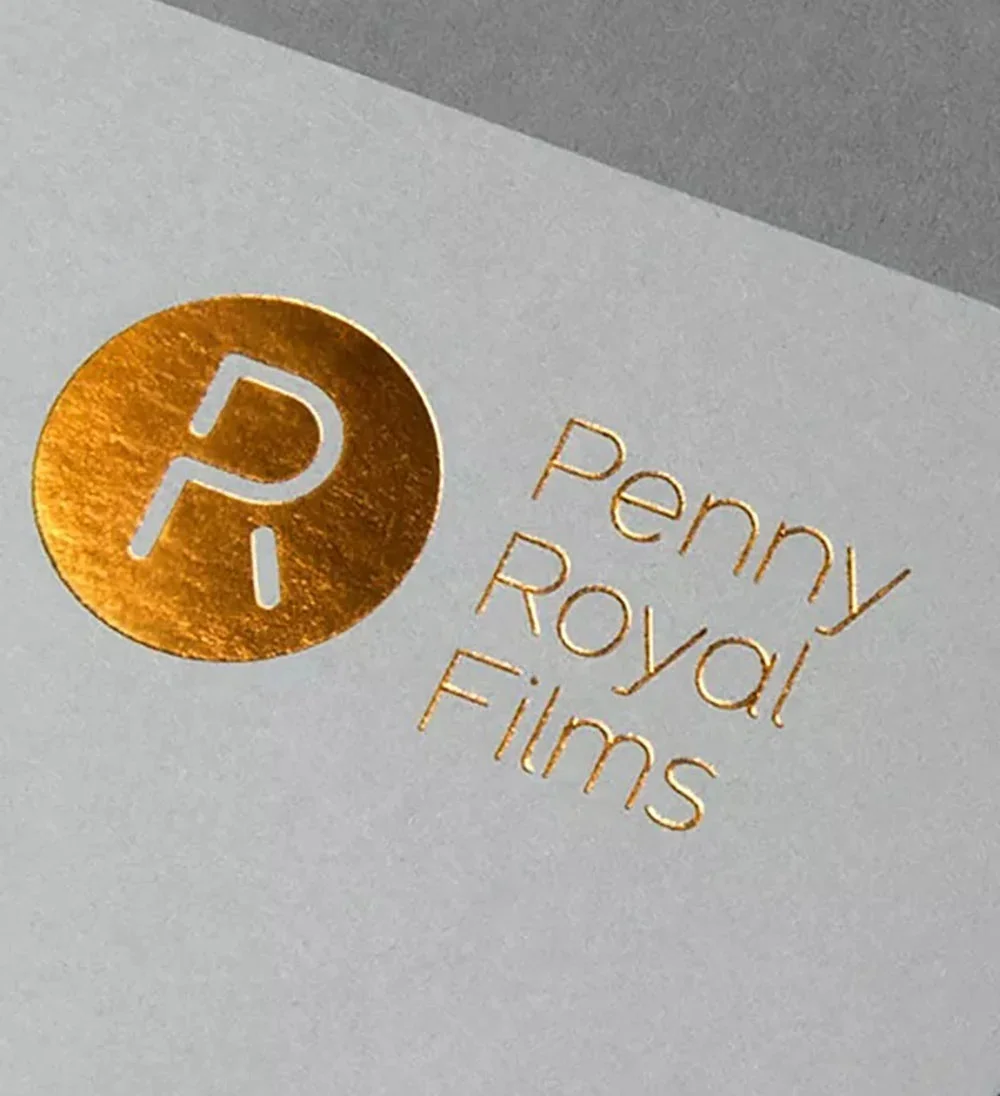
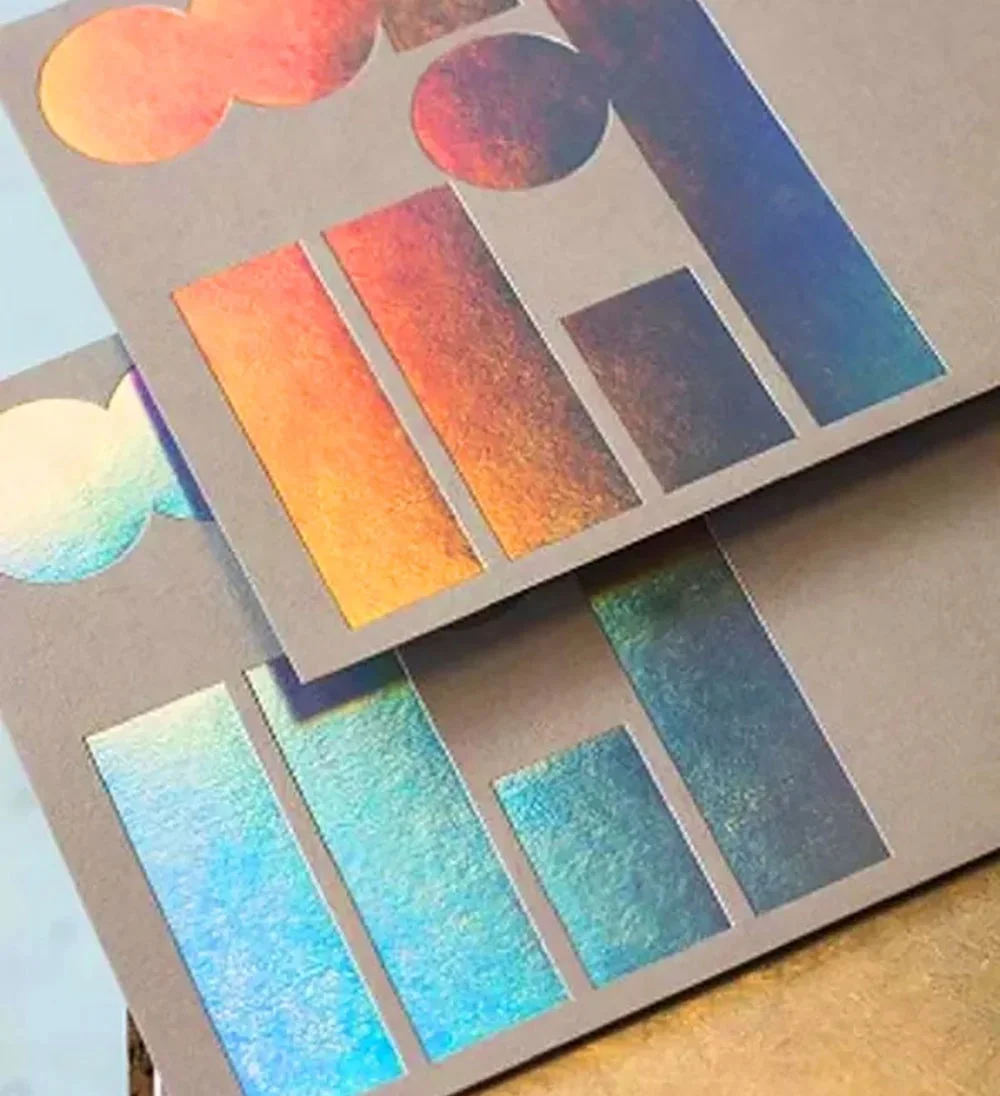
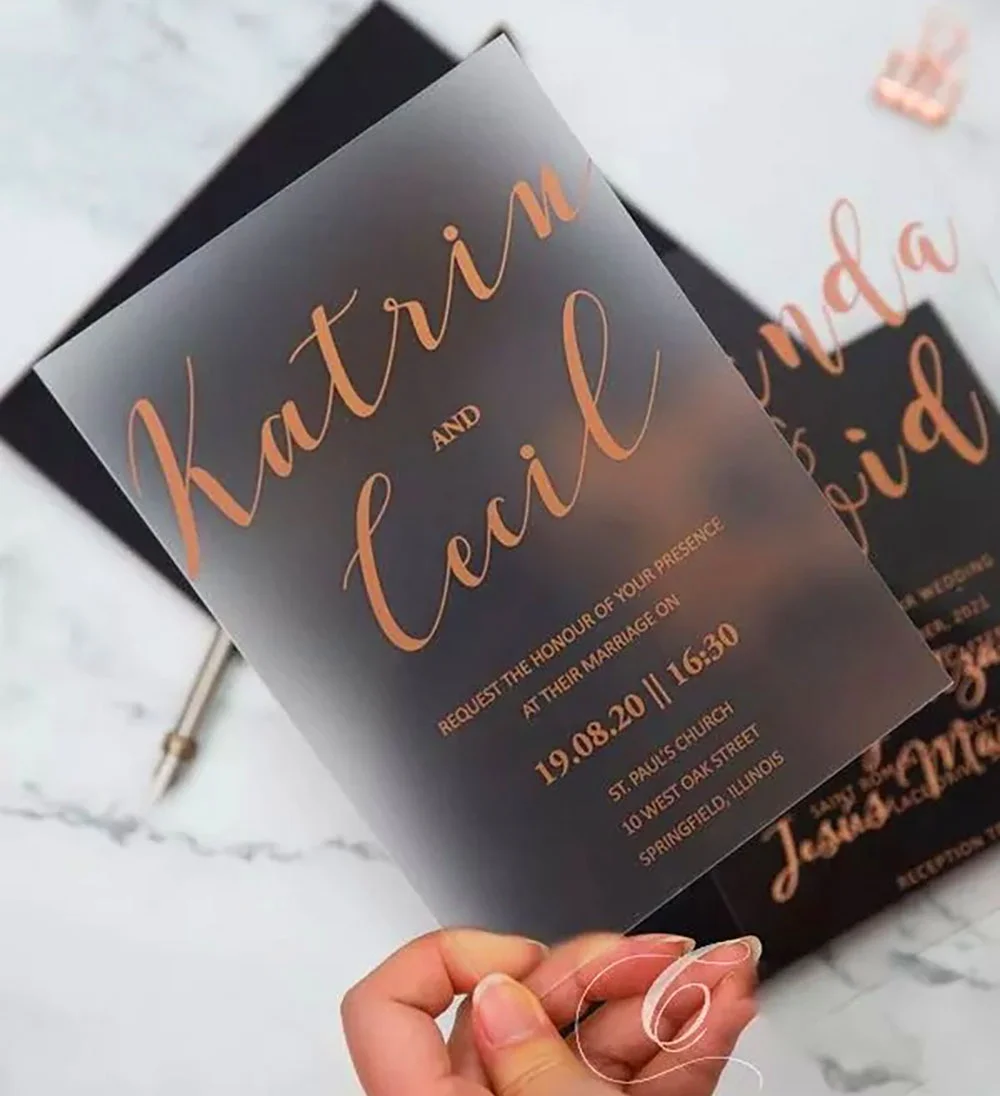
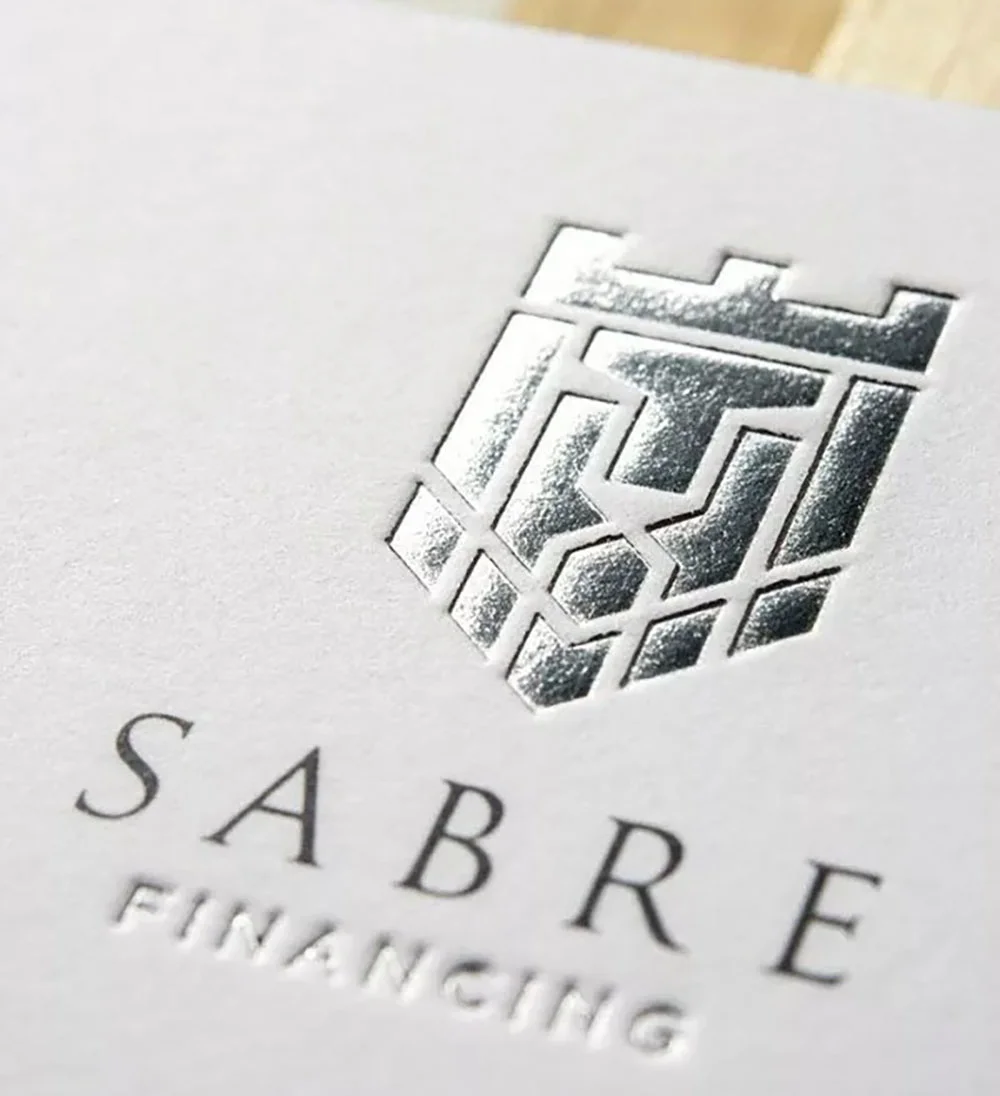
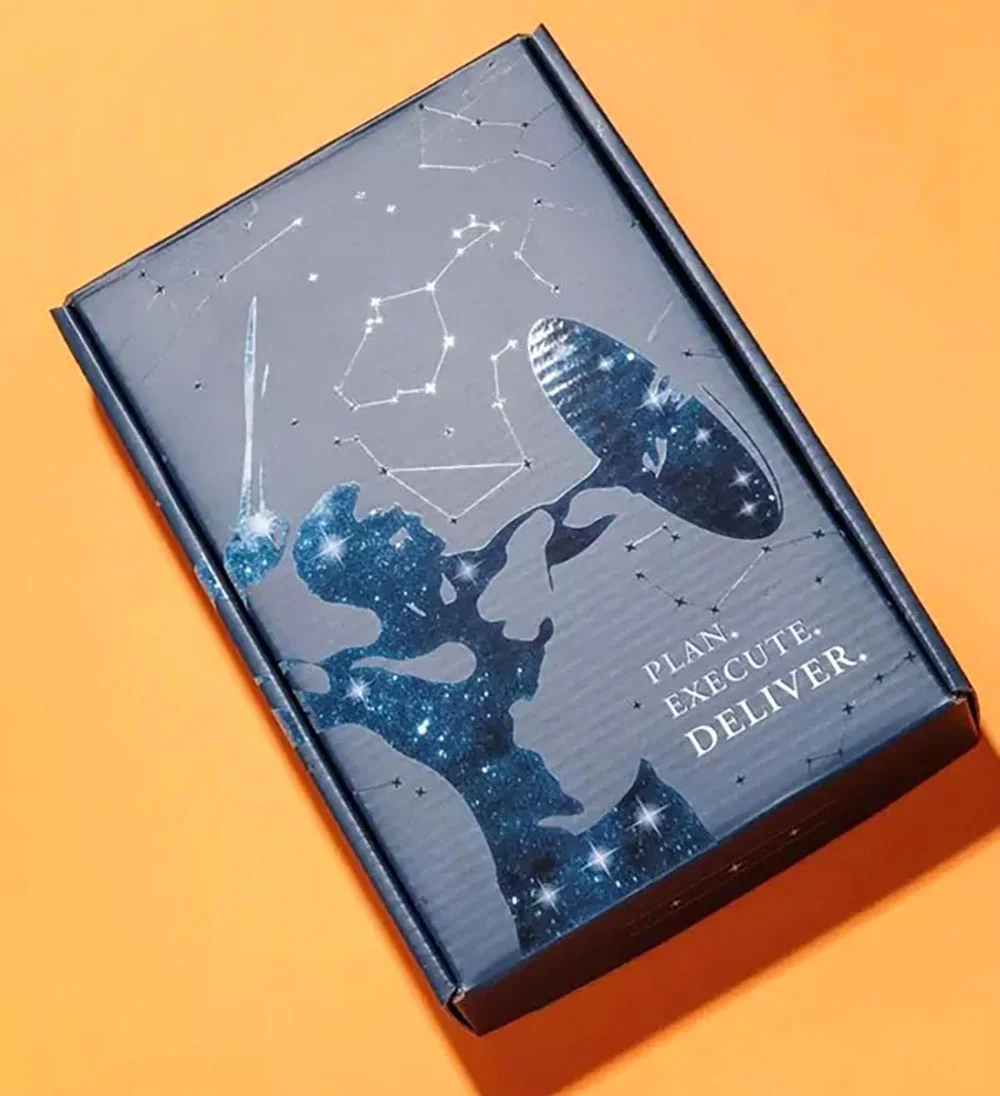
- Foil stamping
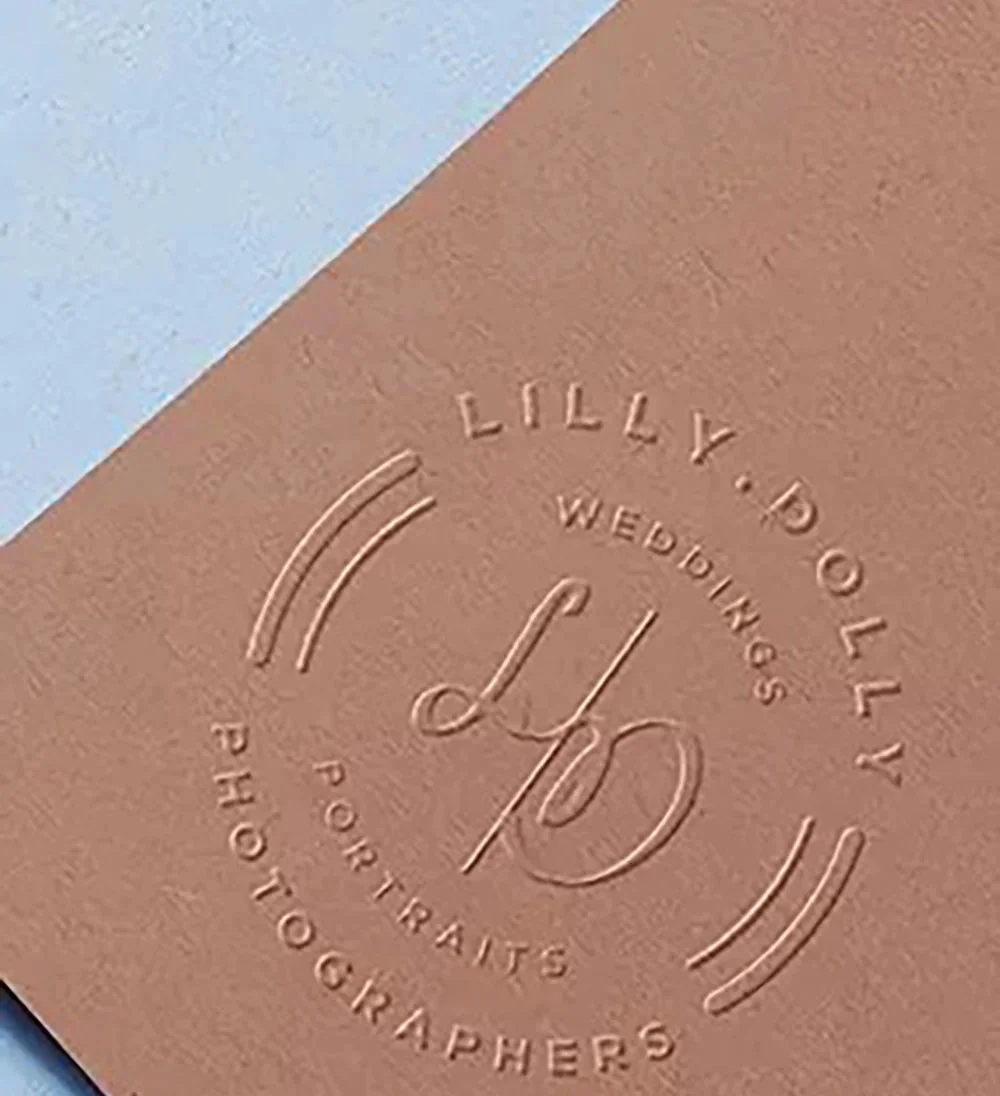
- Embossing or debossing
- Spot UV
- Printed instructions and product information
Our recommendations for material, printing, and finishes depend on your box’s structure, quantity, artwork, product weight, and how you plan to use it.
Custom Dielines and Artwork Setup
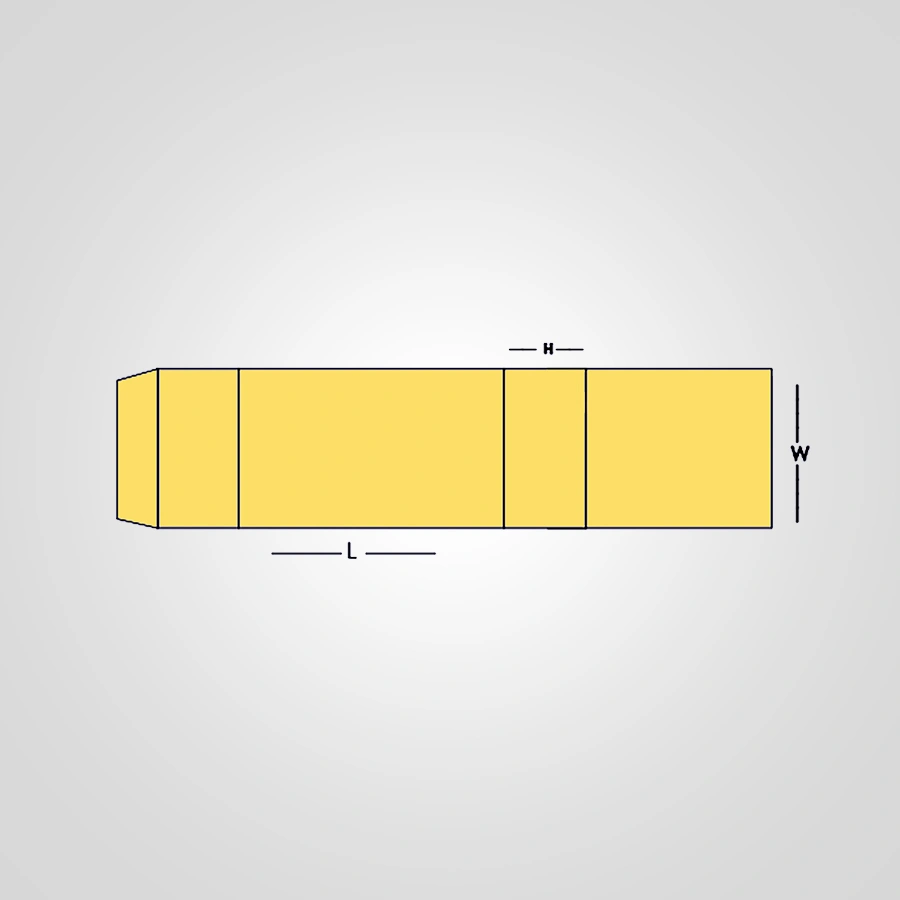
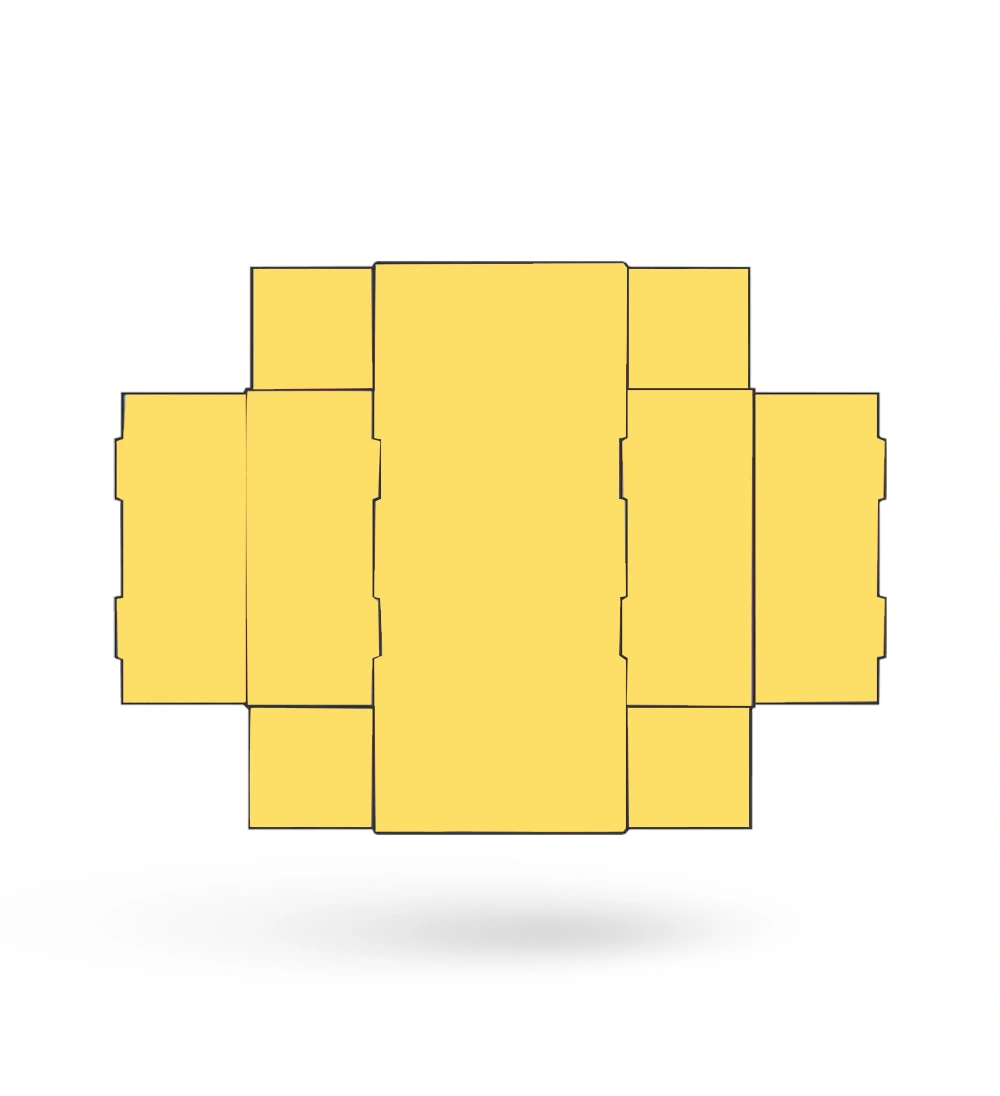
Once we confirm your box’s size and structure, we’ll create a custom dieline for your artwork. The dieline shows where to cut, fold, and glue, as well as the bleed and safe zones needed for production.
Don’t place your artwork on a generic online template before confirming the final size and material thickness. Even boxes with the same name can need different panel and flap sizes.
Our team can help you place your artwork so that important design elements stay aligned after the box is cut, folded, and assembled.
Our Custom Box Production Process
1. Select a Box Style
Pick a structure from our options or let us know how you need your packaging to work.
2. Share Product Details
Share your product’s size, weight, quantity, how it will be used, and any needs for internal support.
3. Confirm Material and Printing
Choose the right material, printing method, colors, and finishes for your box and budget.
4. Review the Dieline and Artwork
Put your artwork on the approved dieline and check all panels, folds, bleed areas, and required product details.
5. Production and Shipping
Once we approve the specs, your boxes go into production. Our standard turnaround is 6 to 8 business days, and we offer fast, free shipping. Production can be done in the USA or overseas, depending on your project.
Why Choose Haul Packaging?
At Haul Packaging, we design custom boxes to fit your product, instead of making your product fit into a standard, generic package.
Our packaging service includes:
- Minimum orders starting from 50 boxes
- Custom dimensions and box structures
- Multiple material and printing options
- USA and overseas production capabilities
- Standard turnaround of 6–8 business days
- Fast, free shipping
- Support with structural selection and artwork setup
- Packaging for retail, gifts, food, display, and shipping applications
Not sure which box structure is best for your product? Just tell our packaging team your product’s size, weight, and how you’ll use it, and we’ll recommend the right option.