

In Stock
Rigid Cardboard Boxes
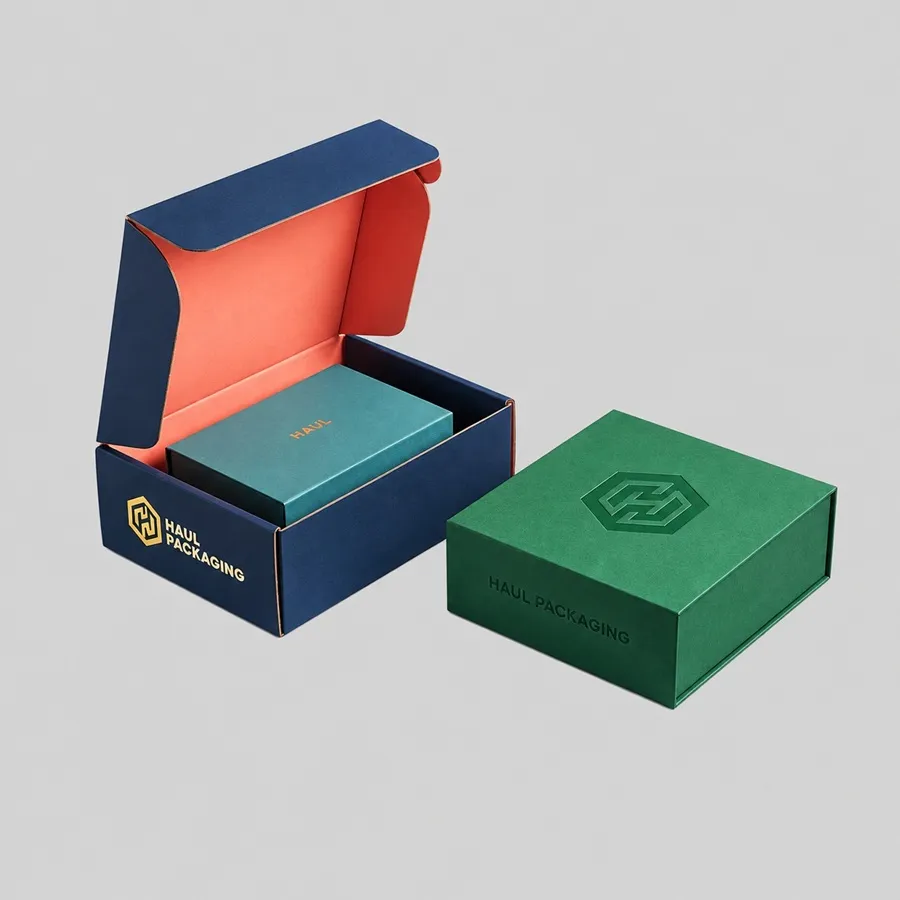
Rigid cardboard boxes give you a reliable, customizable way to package your products. Each box is built to match your product’s size, weight, and how it will be used. Whether you need packaging for retail items, electronics, cosmetics, gifts, or accessories, you can tailor every detail. Haul Packaging lets you choose the size, printing, materials, inserts, and finishes that work best for your needs. This helps you protect your products, reinforce your brand, and give customers a consistent experience every time.
Trusted Payment Methods





No Die & Plate
Charges

Quick turnaround
time

Free & Shipping

Starting from
50 boxes

customize size
& style

free graphics
designing
- Details
- Specifications
Custom Rigid Cardboard Boxes for Products, Retail, and Premium Packaging
Good packaging is more than just attractive. It must fit your product, hold its shape during everyday handling, and work with how you store, display, or ship your items.
Rigid cardboard boxes give you structure and flexibility. You can customize the size, material, print, and finish to match your needs. Depending on how you build them, these boxes work well for premium retail displays, product storage, gift packaging, or even some shipping uses.
Not all cardboard boxes are built the same way. Rigid setup boxes use thick, solid board wrapped in decorative paper. Corrugated boxes have a fluted layer between liners, which gives them the strength needed for shipping and distribution.
What Are Rigid Cardboard Boxes? A Clear Definition
Rigid cardboard boxes are types of structured packaging boxes that are made from firm paperboard or a similar board material and are designed to keep their shape. They can have a construction in which the rigid board is wrapped, a corrugated structure, or another kind of cardboard-based design, depending on the product and the packaging requirements.
For high-quality presentations, rigid boxes are usually chosen, whereas when it is important to have good shipping strength, cushioning, and stacking performance, corrugated boxes are commonly used.
Rigid Cardboard Boxes vs. Corrugated Cardboard Boxes
Rigid Setup Boxes: Built for Structure and Presentation
Standard setup boxes usually consist of thick, non-corrugated board, which is then wrapped in printed, textured, or special paper.
Corrugated Cardboard Boxes: Designed for Shipping and Handling
Corrugated boxes have a fluted layer of paper placed between the liner sheets. The amount of stacking strength and cushioning that this construction gives will vary according to the grade of the board, the flute profile, the box design, and the quality of manufacturing.
Which Construction Should You Choose?
Choose rigid setup packaging when the box itself is part of the product presentation.
When corrugated cardboard is used for shipping, stacking, distribution, or as the outer protective packaging, it will meet the main requirement.
A rigid presentation box can be put into a corrugated shipping carton, which has been properly specified if you require both premium presentation and shipping protection.
Why Businesses Choose Custom Rigid Cardboard Boxes
Maintain a Structured Appearance
Rigid packaging boxes keep their basic shape rather than folding flat like ordinary folding cartons.
Create a Consistent Brand Experience
Develop a Product-Specific Fit
It is possible to design the box according to the product rather than forcing the product to fit an inappropriate standard size.
Organize Products and Accessories
Support Premium Product Presentation
A thoughtfully designed box can have an effect on the customer's first impression of the product when it comes to gifts, accessories, cosmetics, and selected electronics.
Types of Rigid Cardboard Boxes
Two-Piece Rigid Boxes
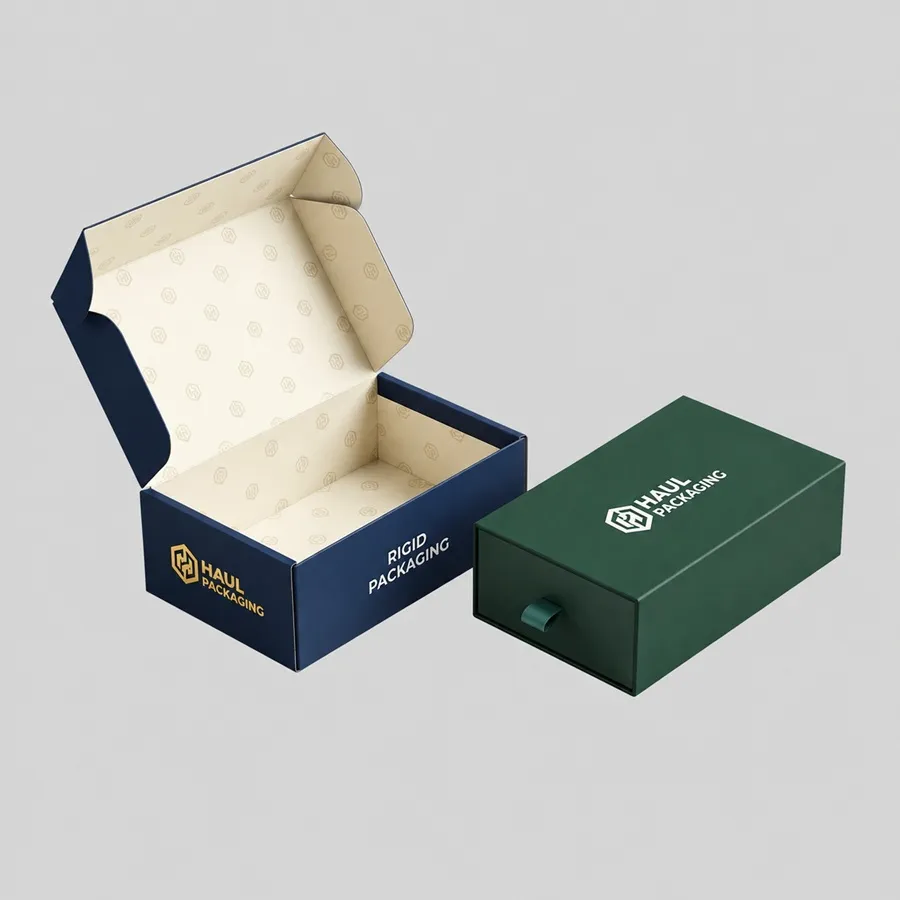
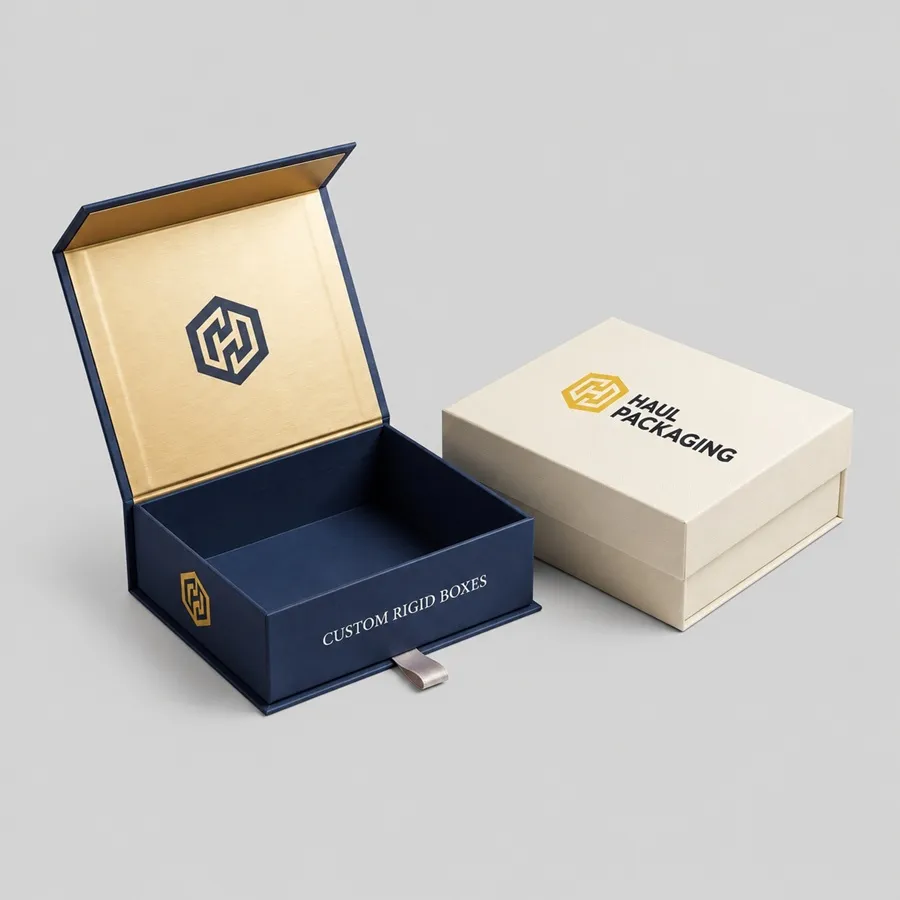
Two-piece boxes consist of a lid, which can be removed, and a separate base. They are often chosen when giving gifts, for clothing, for accessories, and for premium retail products.
The format also allows for the use of tissue paper, product cards, and appropriate inserts.
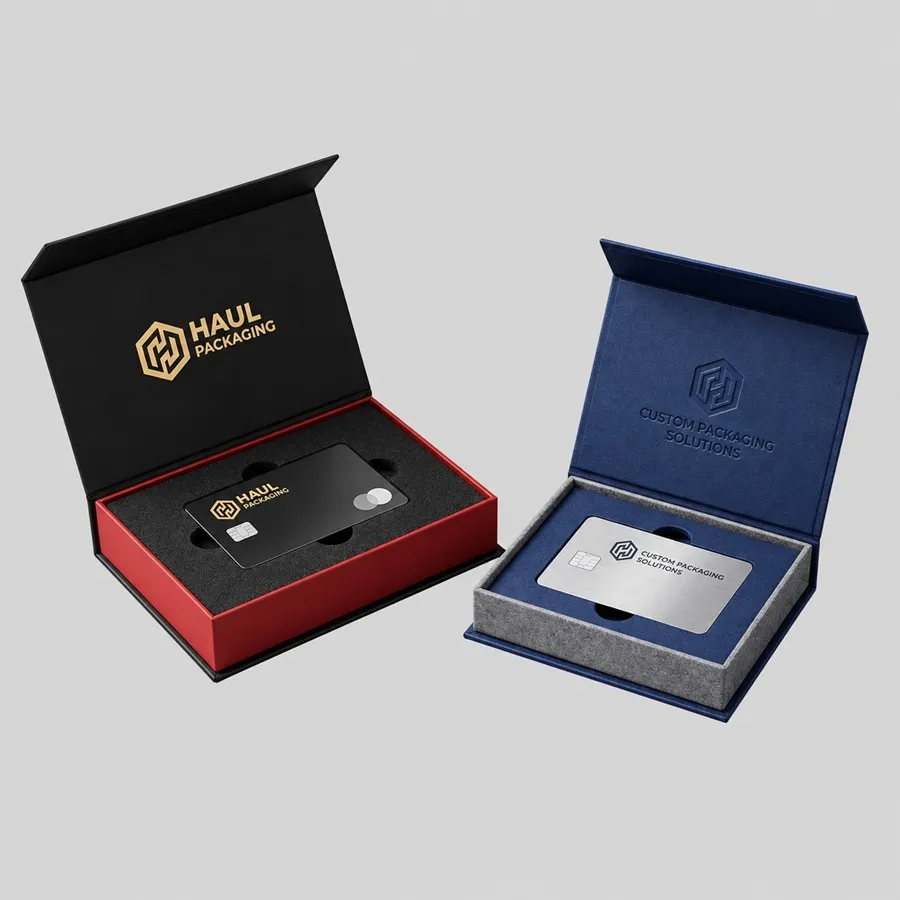
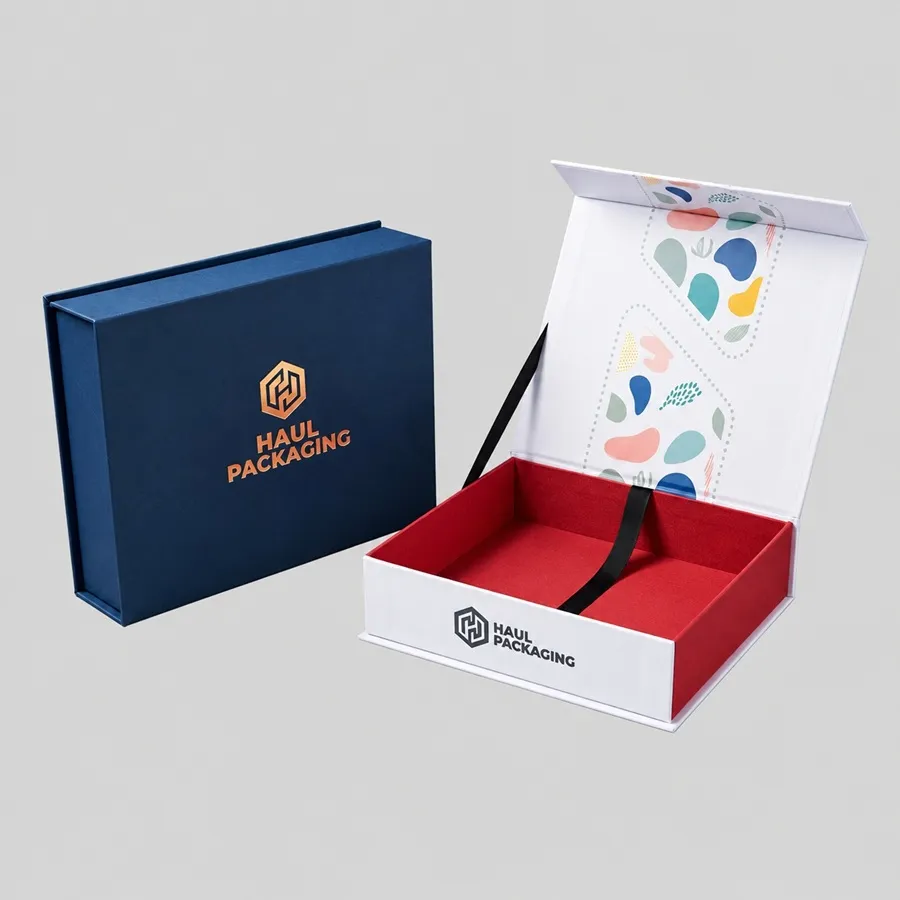
Magnetic Closure Rigid Boxes
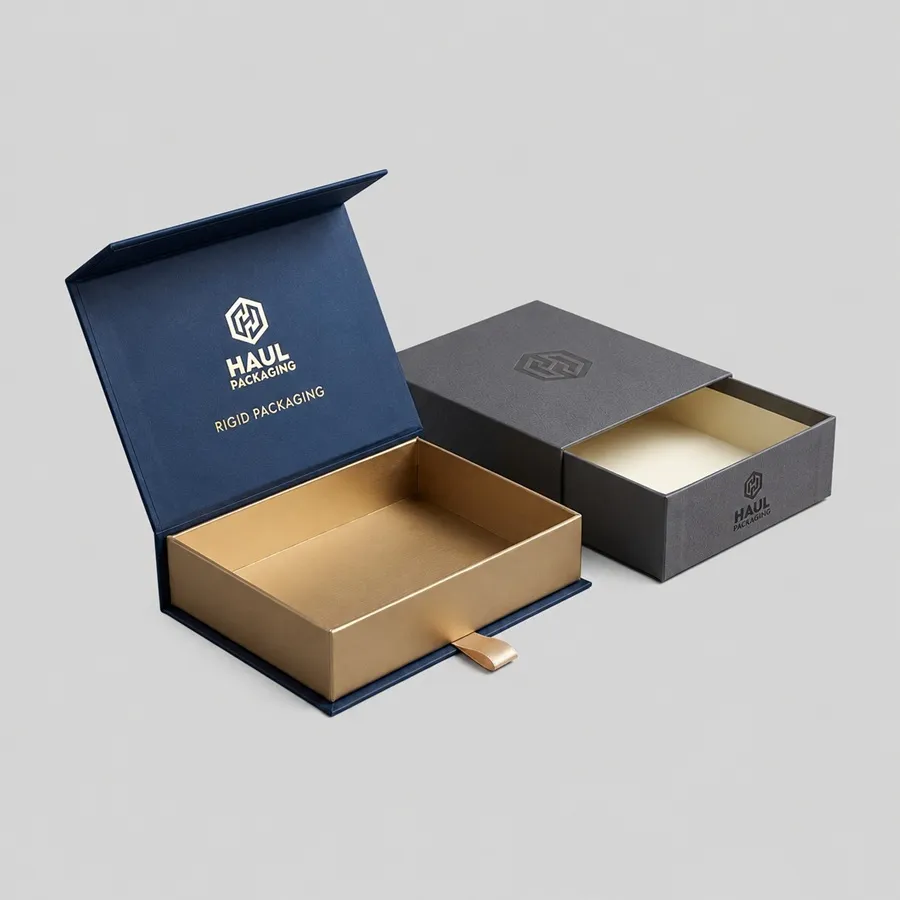
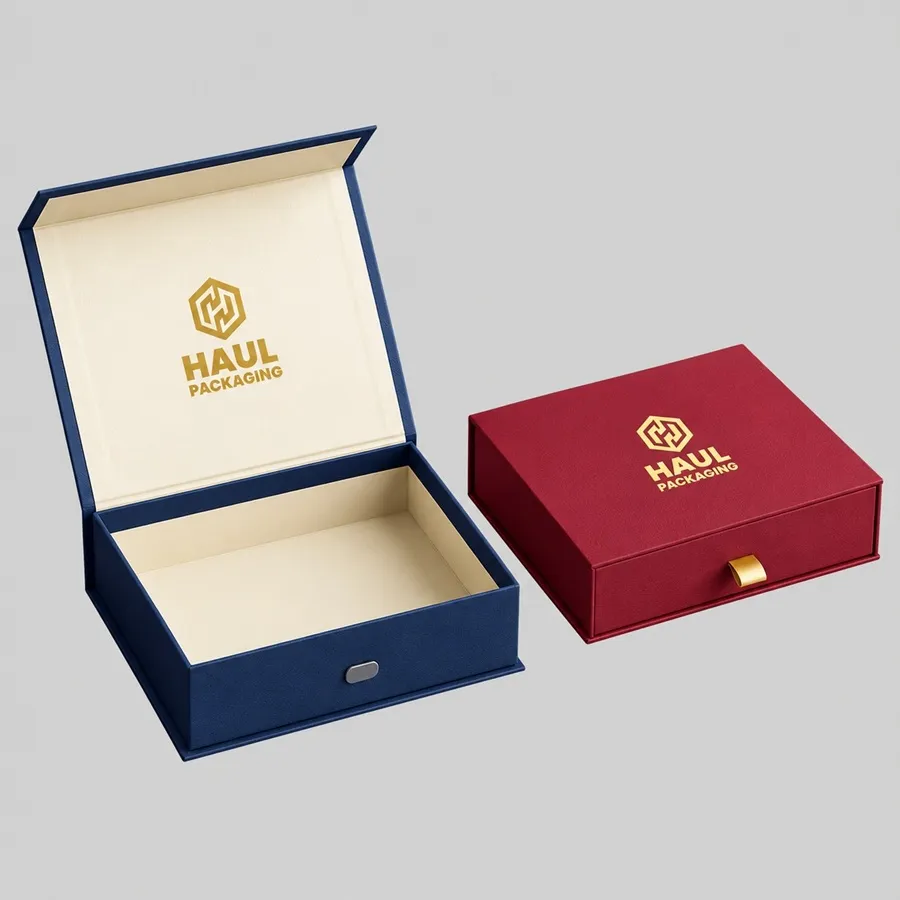
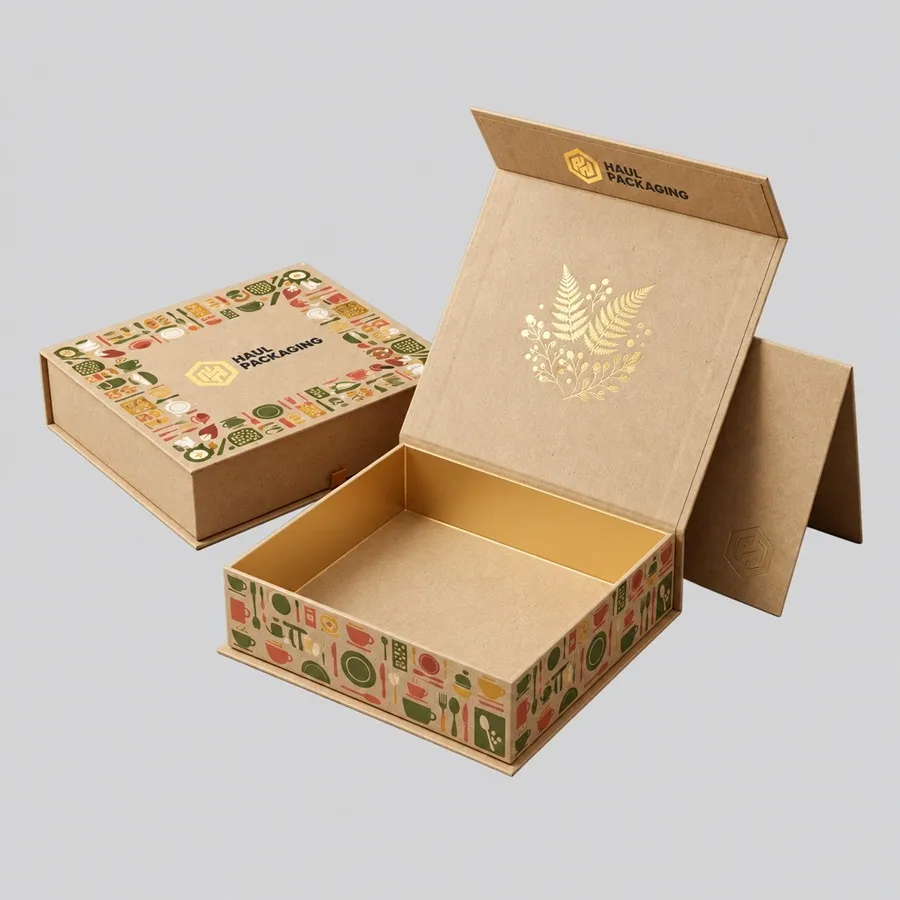
Boxes with a magnetic closure have a hinged lid and a magnetic means of closing.
They are frequently chosen for gift sets, for cosmetics, for electronics, and for the presentation of premium products since the act of opening is an element of the design.
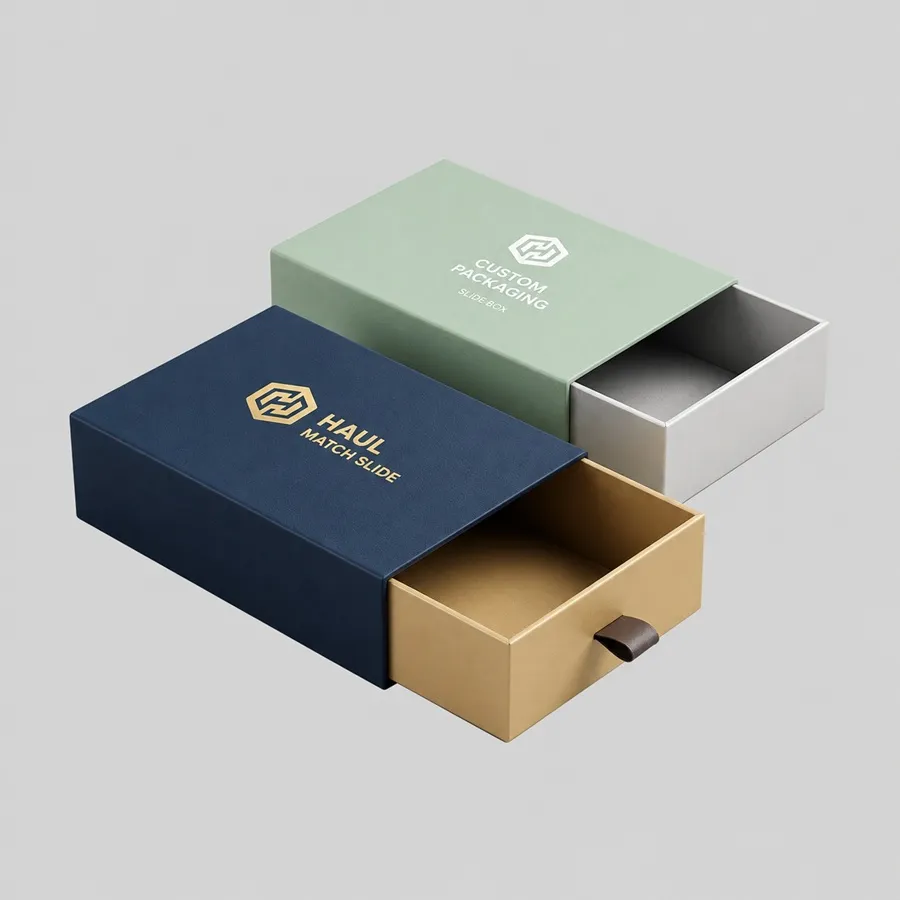
Drawer-Style Rigid Boxes
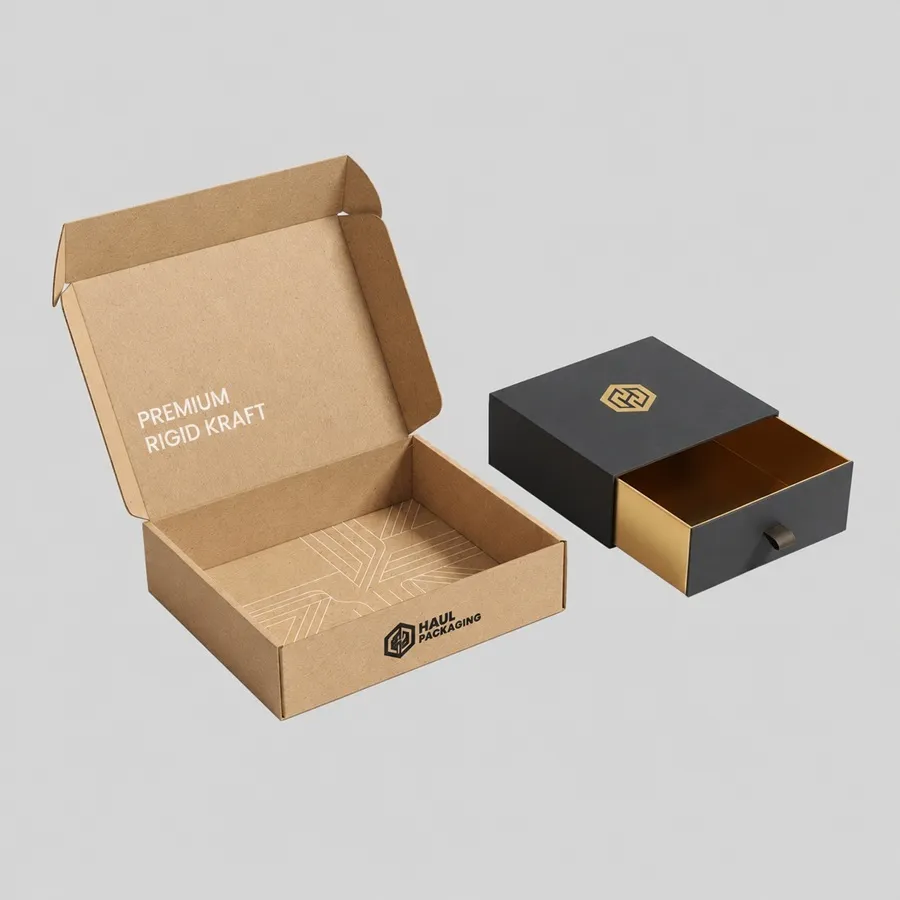
Boxes of the drawer type have an inner tray that slides through the outer sleeve.
This kind of packaging is suitable for compact products, accessories, gift cards, and curated product sets.
Collapsible Rigid Boxes
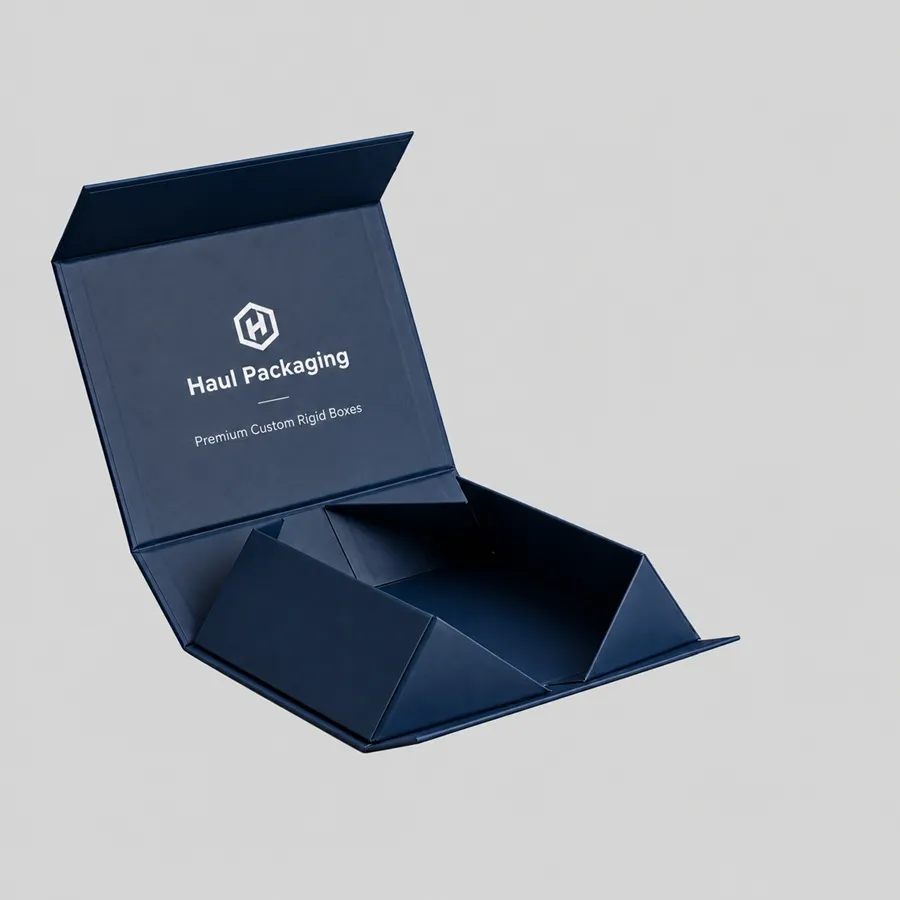
Collapsible rigid boxes are constructed so that they can be folded before being used.
They should be taken into account when a brand wishes to have a rigid-box appearance but at the same time needs to manage storage or transportation space.
Luxury Rigid Boxes
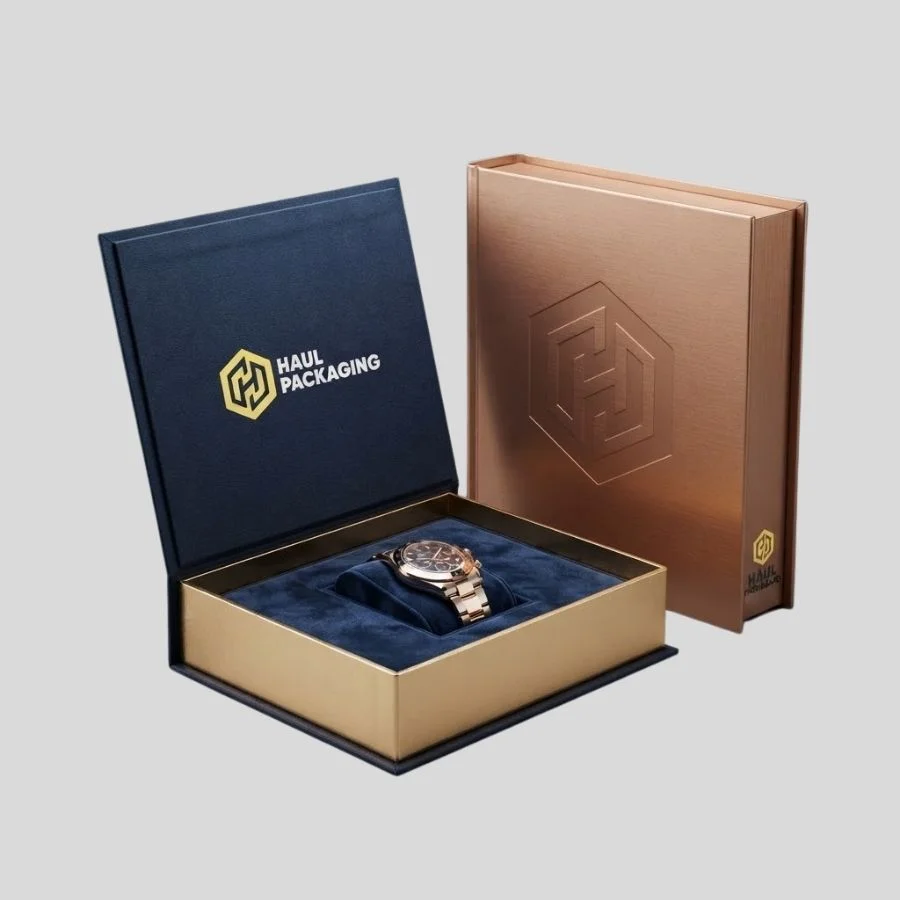
Luxury rigid boxes can have a solid structure together with specialty papers, refined printing, custom inserts, and decorative finishes.
The specification should correspond to the product, the brand's positioning, and the budget.
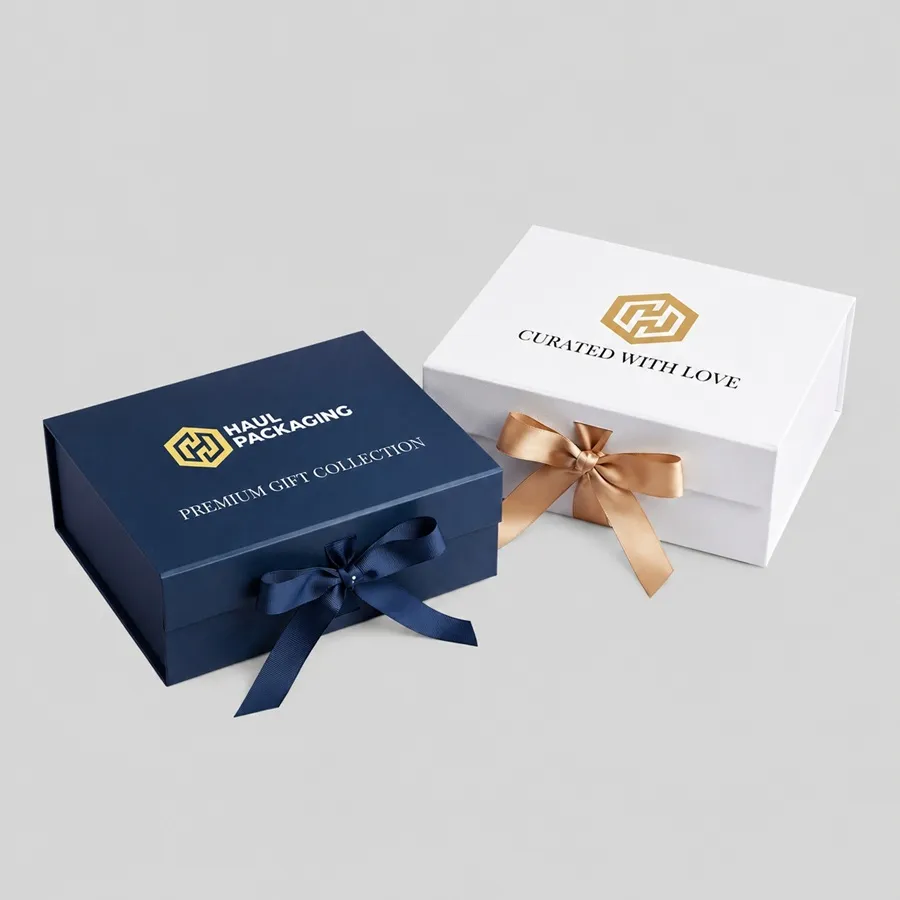
Rigid Gift Boxes
Gift boxes that are rigid can be designed for use with corporate gifts, retail collections, personal gifts, and seasonal products.
Custom sizing and interior parts that match can be used to achieve a unified appearance.
Industries and Products That Use Rigid Cardboard Boxes
Cosmetics and Beauty Products
Cosmetics companies can make use of solid boxes for skincare sets, makeup collections, beauty gifts, and promotional packages.
Custom inserts can be used to hold each product in place and to produce a coordinated arrangement.
Electronics and Accessories
Certain electronics and accessories can be packed in solid boxes, the interiors of which are designed around the product, the cables, the documentation, and the other components.
Jewelry and Fashion Accessories
Rigid packaging can be used to give jewelry, watches, wallets, and certain fashion accessories a structured appearance.
Apparel and Clothing
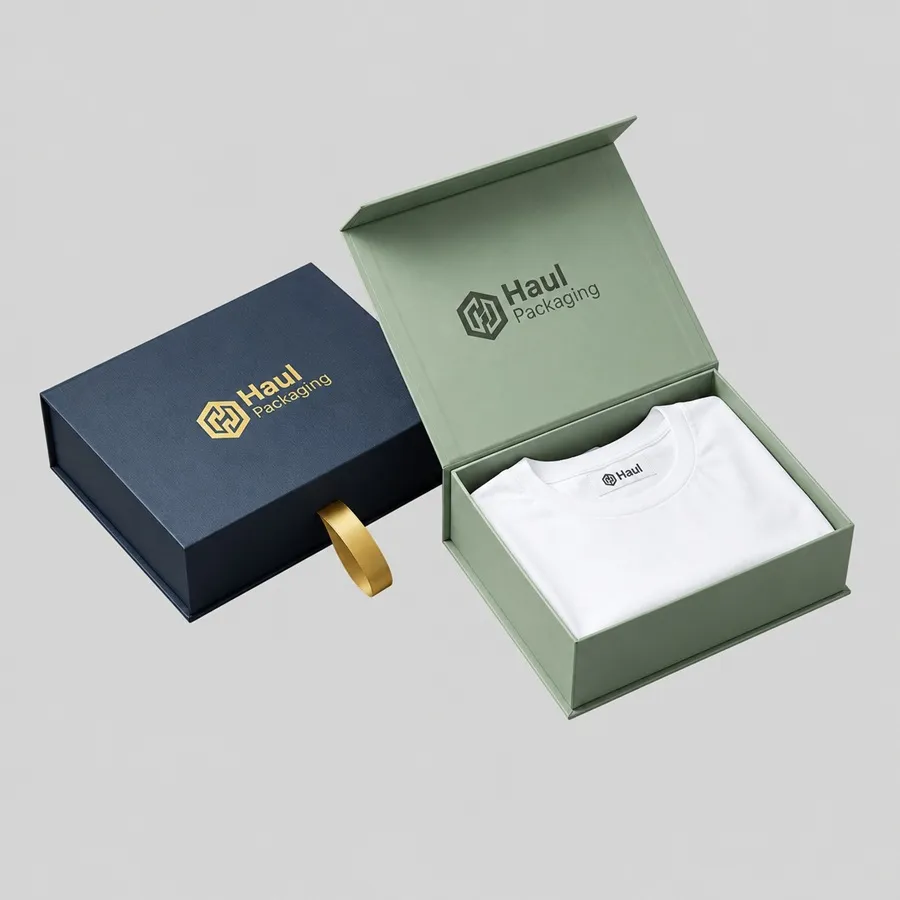
Tight boxes can be designed to fit shirts, T-shirts, scarves, accessories, and certain clothing sets.
Measure the garment while folded, including the thickness of tissue, cards, or other internal parts.
Corporate Gifts and Promotional Kits
A bespoke box can be used to arrange branded goods, printed materials, accessories, and promotional items all in a single display.
The layout of the insert should be organized according to the real items in order to prevent unnecessary movement and the wasting of space.
Retail and Gift Collections
The packaging of gift collections and of premium retail products can make use of a design that corresponds with the visual identity of the product line.
Materials for Custom Rigid Cardboard Boxes
Rigid Board
The board is rigid, and this rigidity is what is used in traditional rigid packaging.
Corrugated Board
The way it performs varies according to the grade of the board, the type of flute, the properties of the liner, the design of the box, and the method of loading and handling the package.
Kraft Paper
Kraft paper has the ability to give a natural brown look and can be employed in certain packaging designs.
How well it suits depends on the structure needed, the printing, and the finish.
Specialty Wrapping Papers
Textured, colored, patterned, and special papers can make the look and touch of rigid packaging different.
Interior Materials
In different applications the interior can consist of paperboard inserts, foam, fabric-like linings, dividers, or other appropriate components.
Custom Sizes and Structural Design
Measure the Product
Give the length, width, height, and weight of the product.
Determine the Internal Space
The usable interior has to take into consideration both the product and any extra components.
Consider the Opening Style
Decide if the package should have a removable lid, a hinged lid, a sliding tray, or some other kind of structure.
Plan for Storage and Shipping
When the box is stored in bulk, rigid packaging might need more warehouse space than a collapsible type.
Approve a Physical Sample
You can check the dimensions, the way it fits into the assembly, the method of closing it, the materials used, and the general appearance before carrying out the full production.
Printing Options for Rigid Cardboard Boxes
CMYK Printing
PMS and Spot Colors
PMS or spot-color printing may be appropriate when specific brand colors are important.
Logo Printing
A logo may be put on the lid, the sleeve, the side panels, or on any other appropriate surfaces.
Interior Printing
Depending on the construction, interior surfaces can carry product information, brand messaging, instructions, or a thank-you note.
Premium Finishing Options
Foil Stamping
Foil stamping can emphasize a logo, product name, monogram, or selected design element.
Embossing
Debossing
Spot UV
Matte Finish
Gloss Finish
Soft-Touch Finish
As long as the selected material and production method are compatible, soft-touch coatings will produce a smooth surface feel.
How to Choose the Right Rigid Cardboard Box
Identify the Main Purpose
The first step is to determine whether the box is mainly meant for use in retail display, as a gift, for storing the product, or for transportation.
Evaluate Product Weight and Fragility
Heavy or fragile products may need a different structure from lightweight retail goods.
Choose the Appropriate Material
Rigid board works well for packaging that focuses on presentation, while corrugated board is generally appropriate for shipping and distribution.
Set Your Branding Requirements
Select the logo position, colors, printing extent, type of paper, and the finishing processes that suit your brand identity.
Compare the Total Cost.
Consider the box price alongside inserts, shipping cartons, storage space, packing time, shipping weight, and product-protection requirements.
What Affects the Cost of Rigid Cardboard Boxes?
Box Dimensions
Construction Type
A wrapped rigid box, a corrugated shipping box, and a collapsible rigid box are made using different manufacturing methods and materials.
Material Specification
Printing and Finishing
Inserts and Compartments
Order Quantity
If you are comparing suppliers, make sure that the quantity, dimensions, construction, materials, printing, inserts, and finishes are all the same.
How to Order Custom Rigid Cardboard Boxes
1. Share Your Product Details
2. Choose the Construction
3. Confirm the Dimensions
4. Select Materials and Finishes
5. Submit Your Artwork
6. Review the Proof or Sample
7. Confirm the Quotation and Schedule
Why Choose Haul Packaging for Custom Rigid Cardboard Boxes?
Haul Packaging provides a variety of custom rigid packaging choices, such as rigid cardboard boxes, rigid gift boxes, luxury rigid boxes, magnetic closure boxes, drawer-style boxes, and collapsible rigid boxes; the right option will depend on the product, its construction, and the desired packaging experience.
Prepare a Clear Packaging Brief
- Product dimensions
- Product weight
- Quantity required
- Intended application
- Preferred box structure
- Interior or insert requirements
- Material preference
- Printing requirements
- Finishing options
- Artwork files
- Required delivery date
Are rigid cardboard boxes the same as corrugated boxes?
Are rigid cardboard boxes suitable for shipping?
Are rigid cardboard boxes good for luxury products?
Are rigid cardboard boxes recyclable?
Are rigid cardboard boxes environmentally friendly?
How much weight can a rigid cardboard box hold?
What is the difference between ECT and burst strength?
Request Custom Rigid Cardboard Boxes for Your Products
The first step in getting the right packaging is to have a clear understanding of the requirements of the box.
Start by reviewing the product's dimensions, weight, and intended use, then choose the construction, material, interior, and branding requirements that meet those needs.
| Dimensions | All Custom Sizes, Shapes and Styles. |
| Printing | CMYK, PMS, Screen Printing, No Printing |
| Paper Stock | 10PT to 28 PT (60lb to 400 lb) Eco Friendly Kraft Stock, E-Flute Corrugation, Bux Board, Cardstock, Fancy Cardstock. |
| Quantity | 50 - 500,000 |
| Coating | Gloss, Matte, Spot Uv |
| Default Process | Die Cutting, Gluing, Scoring, Perforation |
| Options | Custom Window Cut Out, Gold/Silver Foiling, Embossing, Raised Ink, PVC Sheet. |
| Proof | Flat View, 3D Mock-up Physical Sampling, (On Request) |
| Turn Around Time | 4-6 Business Days, Rush Production Plans. |
| Shipping | Free Shipping. |
| Delivery Courier | FedEx Express Shipping, DHL, UPS, Skynet! |
FAQs
-
What is your MOQ? Usually our MOQ for custom-made rigid cardboard boxes is 50 boxes, very easy for small businesses to get quality packaging.
-
Do you print custom designs on the boxes? Yes, we do flexographic printing up to 2 colours so you can have your logo, handling instructions or other branding printed directly onto the box.
-
Can we recycle these boxes? Yeah, One of the most recycled products on the planet is corrugated cardboard. Accepted in curbside recycling programs across the USA.
-
Why do we use cardboard boxes? Rigid cardboard boxes are widely used in the cosmetics, electronics, jewellery, apparel, confectionery, retail, gift packaging and luxury consumer products industries.
-
Is it possible to make luxury packaging with rigid cardboard boxes? Yeah, Luxury retail and Premium products often use hard cardboard boxes because they are durable and give the impression of being expensive.
-
Do you have green boxes (carton)? Yes, Haul Packaging provides recyclable and paper-based rigid packaging solutions that can help companies find sustainable packaging alternatives.
-
Do you make eCommerce packaging with hard cardboard boxes? Yes, subscription packaging, retail shipping and eCommerce applications usually use rigid cardboard boxes for the protective structure and Premium look.
-
Why select Haul Packaging for your custom rigid cardboard boxes in the USA? Haul Packaging is a custom, USA-based rigid packaging company for luxury and retail brands. We offer best quality materials, innovative finishes, protective structures and flexible order quantities.
Premium Finishes
Haul Packaging provides a range of high-quality finishings, including as foil stamping, glossy or matte coatings, embossing, and soft-touch finishes, to improve the visual attractiveness of packaging. These finishes have the power to increase a product's perceived worth and make it stand out on retail shelves.
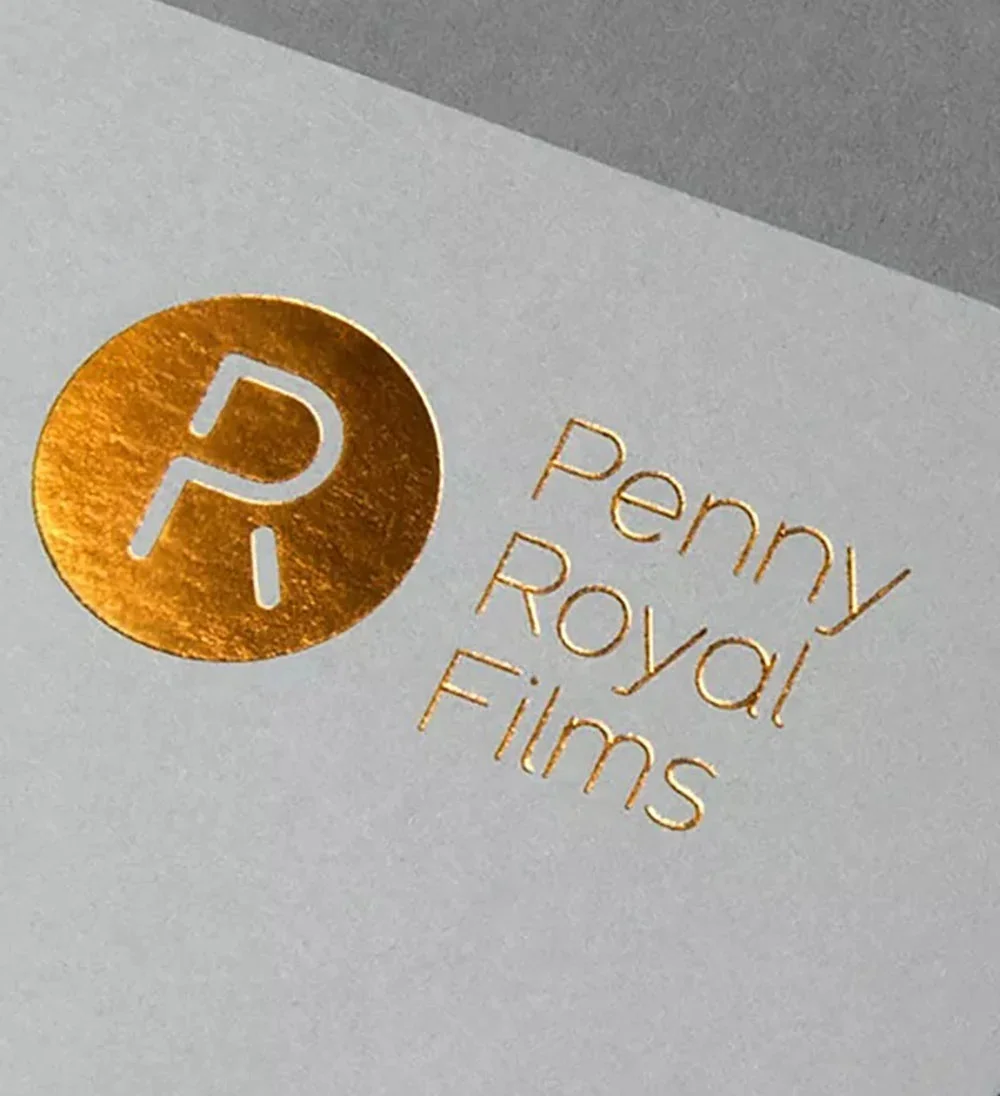
Copper Foiling
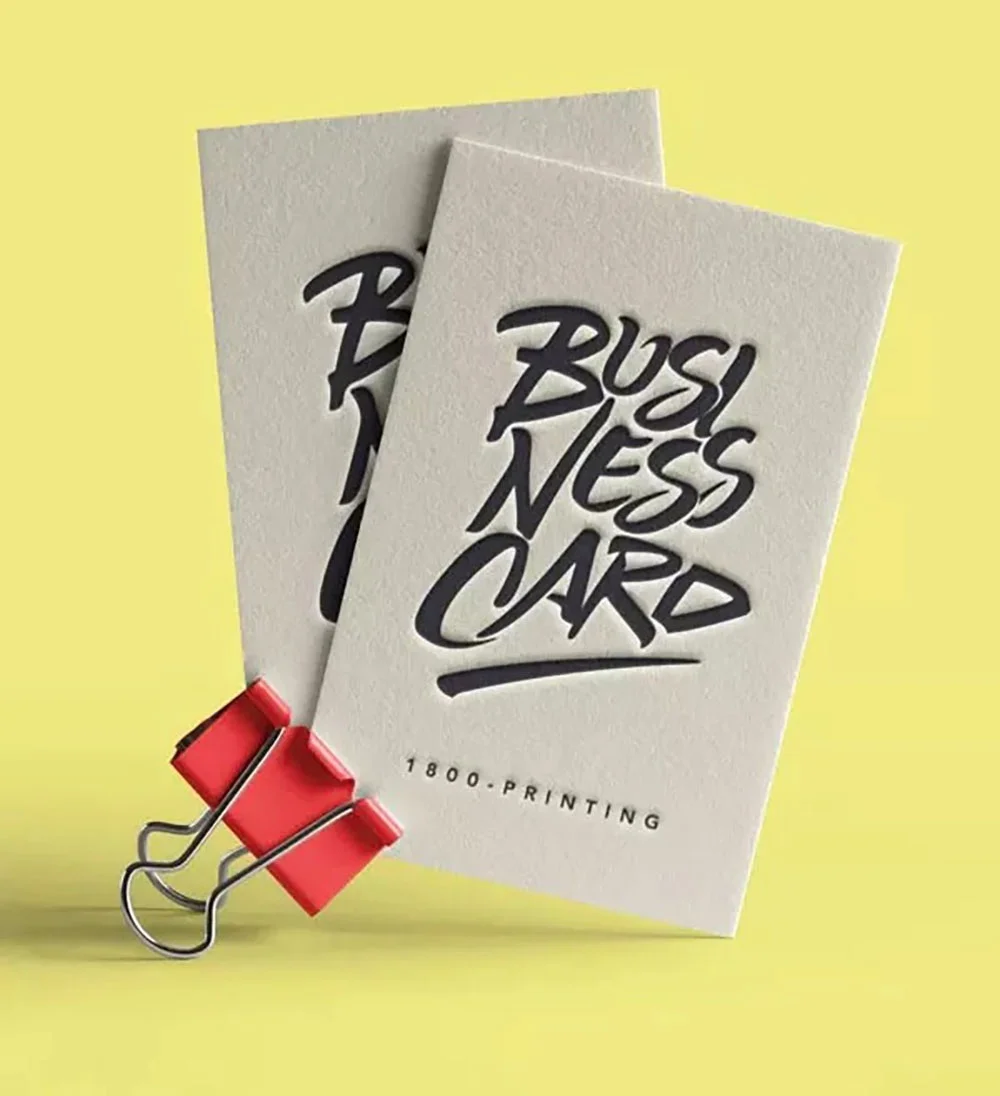
Debossing
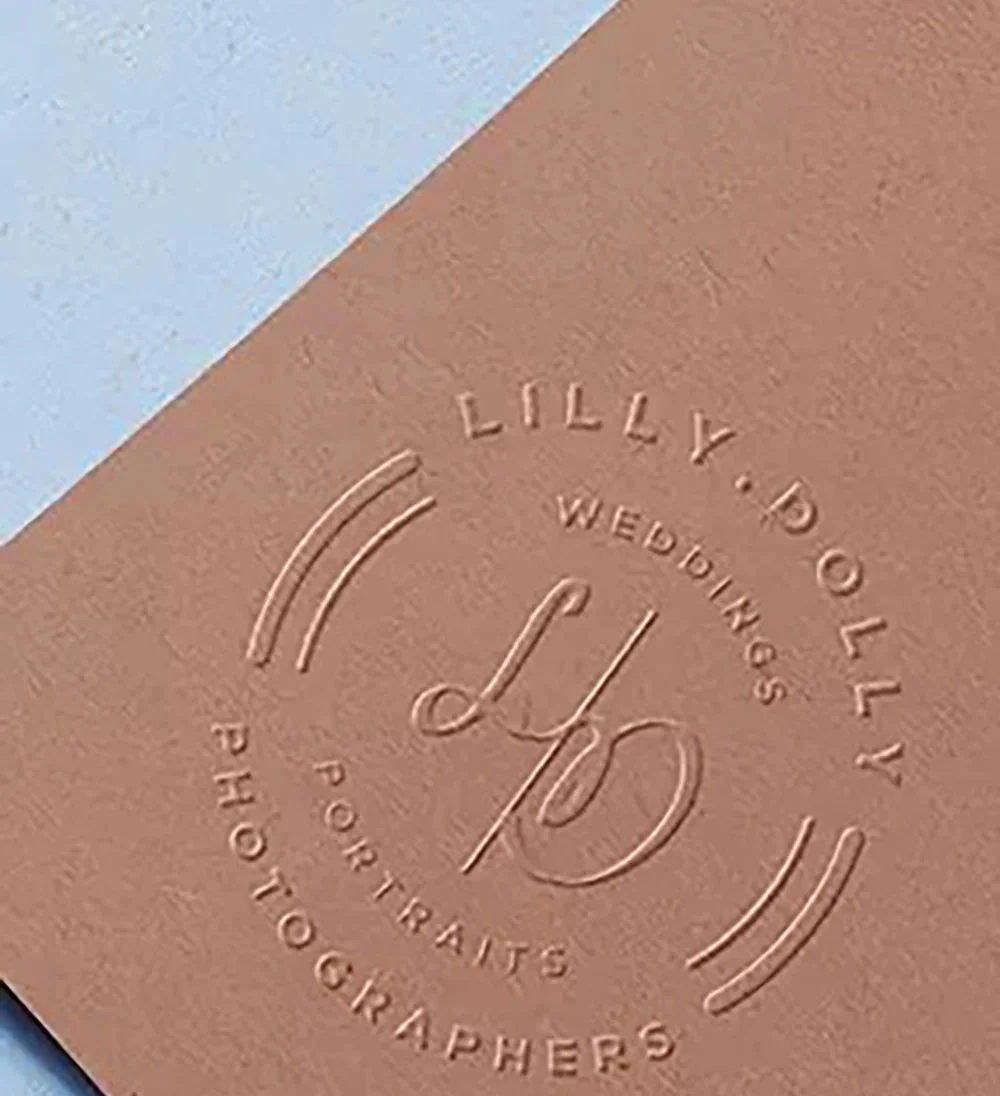
Embossing
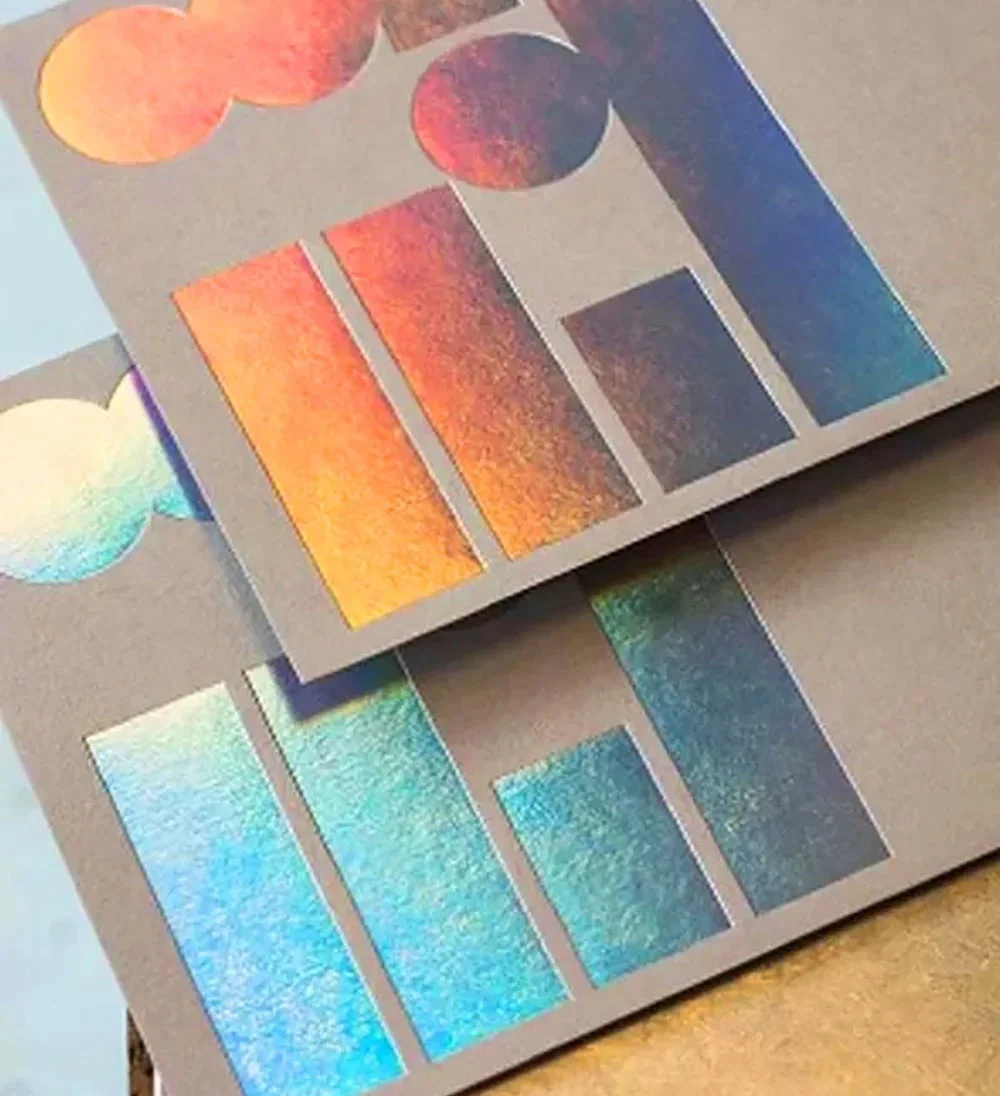
Holographics foiling
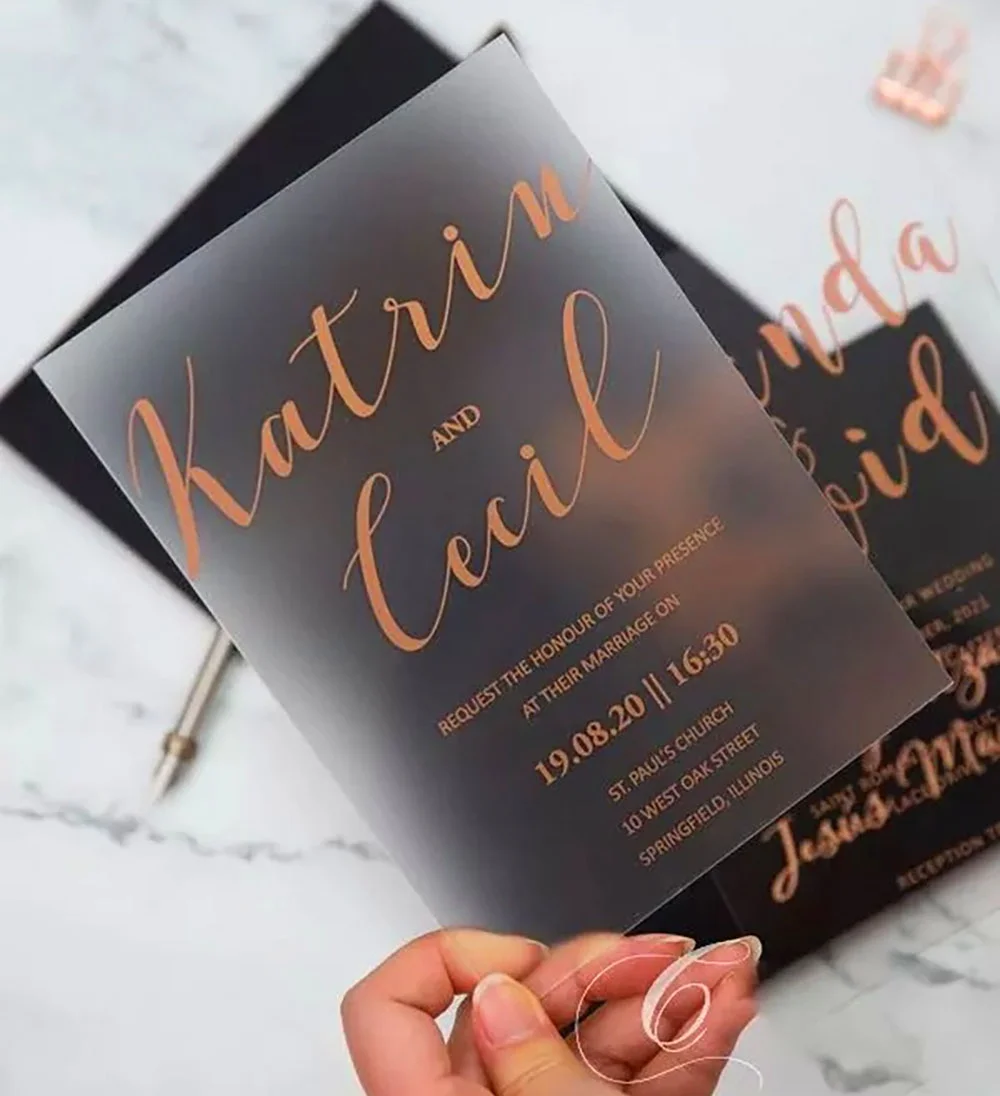
Rose Gold
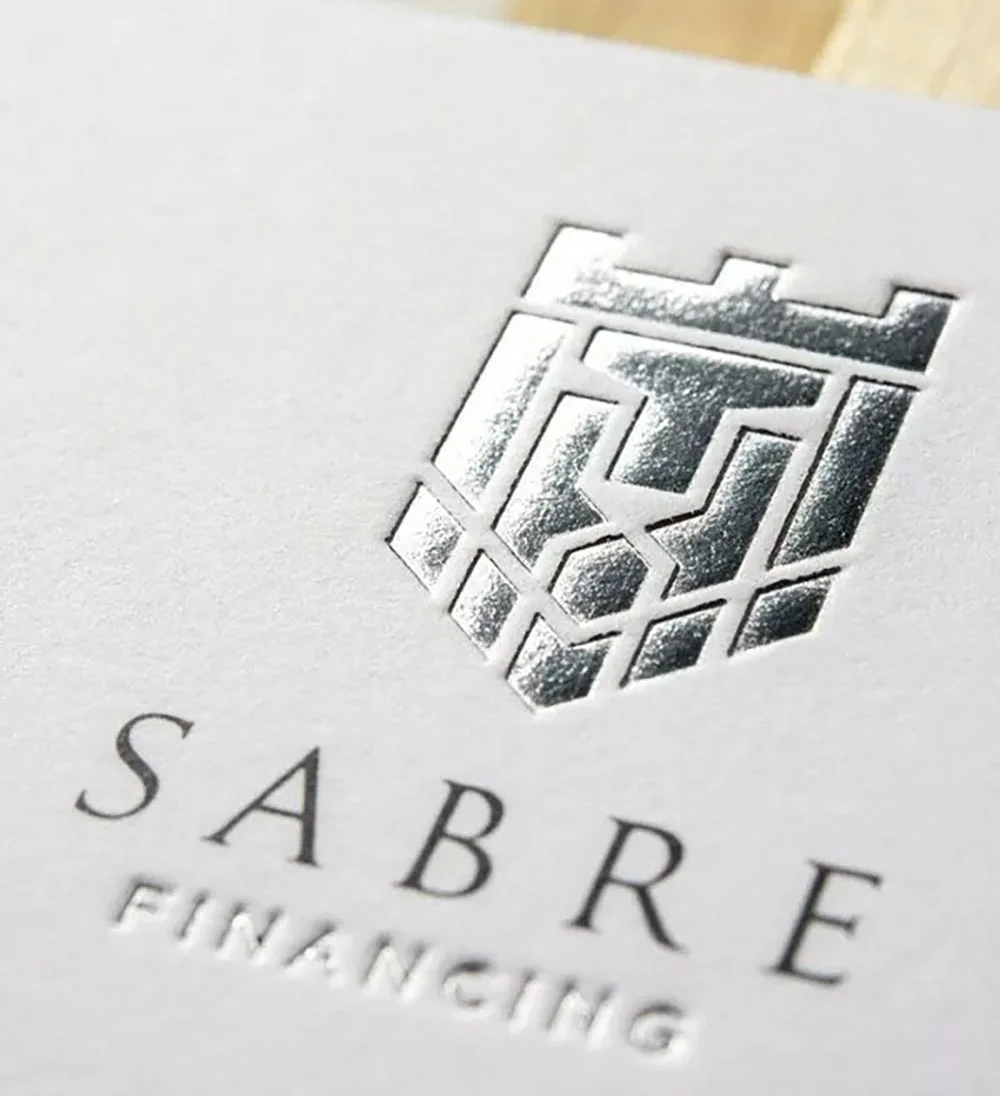
Silver Foiling

Spot UV
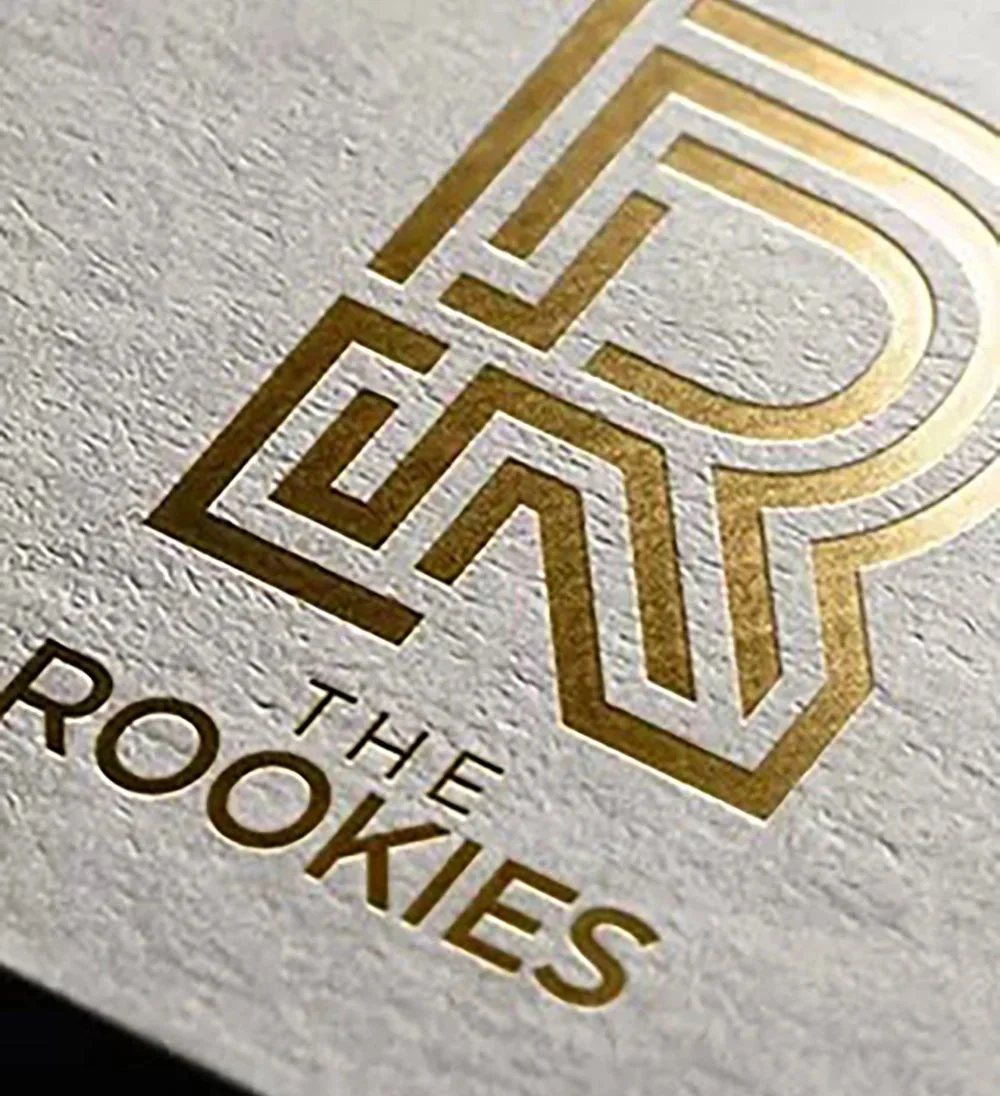
The Rookies
Card Stock Options
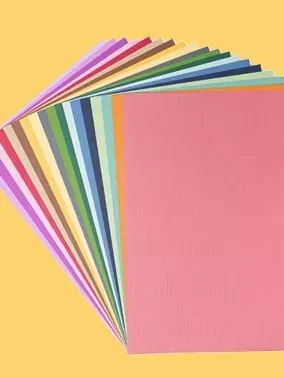
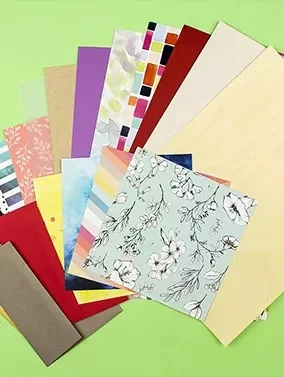
Haul Packaging provides a large selection of card stock types to meet various needs for packaging. You may give your box an adorning appearance and feel by selecting from a range of cardstocks with varying thicknesses, textures, and colors. The card stock selections for Haul Packaging are of excellent quality and longevity, guaranteeing that the packaging not only looks fantastic but also protects the contents within.

Corrugated

Glitter
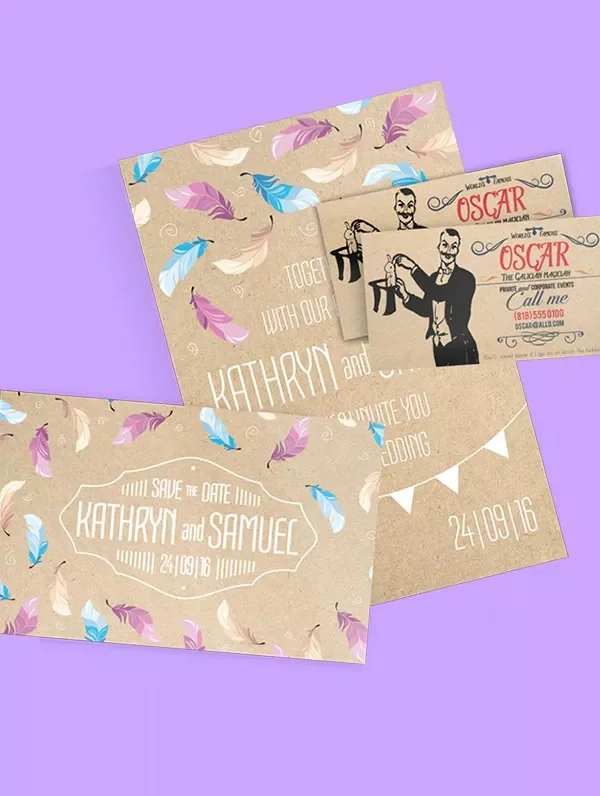
Kraft
Matte
Textured