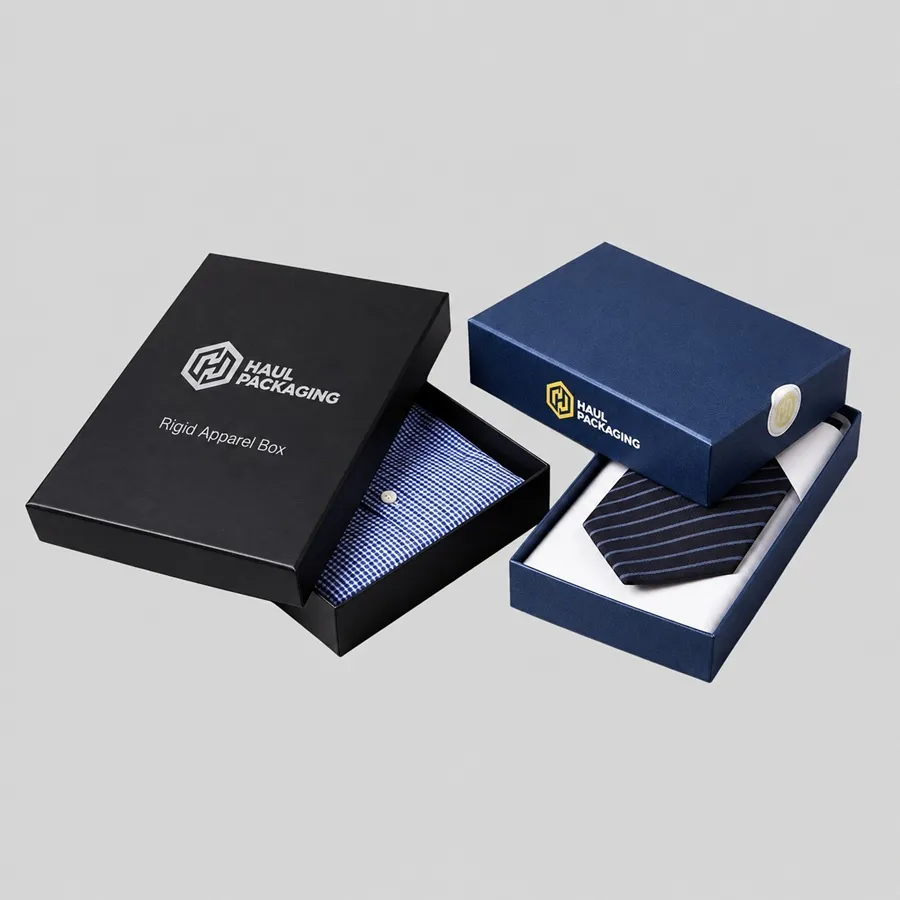


In Stock
Rigid Apparel Boxes
Rigid apparel boxes give clothing and fashion brands a structured, premium way to package garments, accessories, and curated collections. Built around the dimensions and presentation requirements of the product, these custom boxes can be designed for shirts, hoodies, dresses, scarves, lingerie, luxury accessories, and gift sets. We offer custom sizing, branded printing, specialty papers, inserts, coatings, foil, embossing, and other finishing options to create apparel packaging that protects the garment while reinforcing the brand experience.
Trusted Payment Methods






No Die & Plate
Charges

Quick turnaround
time

Free & Shipping

Starting from
50 boxes

customize size
& style

free graphics
designing
- Details
- Specifications
Premium Packaging for Clothing That Deserves More Than a Standard Box
A clothing box does more than hold a garment. It can shape how the customer perceives the product before they even unfold it.
Rigid apparel boxes are designed for brands that want a substantial, structured package around clothing, fashion accessories, premium collections, gifts, or special releases. Unlike lightweight folding cartons, rigid construction maintains its form and gives the package a more substantial feel.
The most effective apparel packaging starts with the garment itself. Its folded dimensions, fabric thickness, weight, presentation style, sales channel, and required interior components should all influence the final box design.
Quick Answer: What Are Rigid Apparel Boxes?
Why Use Rigid Boxes for Apparel?
Give Premium Clothing a Premium Presentation
A carefully constructed rigid box can make a premium garment feel more considered from the moment it reaches the customer.
Keep the Garment Neatly Presented
The interior dimensions should be based on the garment after it has been folded in the intended presentation format.
Create a Consistent Brand Experience
A clothing brand can carry its visual identity from its website and labels onto the packaging through colors, typography, logos, patterns, textures, and finishing.
Support Gift and Special-Edition Sales
Start With the Garment, Not the Box
Fold the Garment the Way It Will Be Sold
Measure the garment after it has been folded according to your actual packing method.
- Folded length
- Folded width
- Folded height
- Garment weight
- Fabric thickness
- Accessories
- Labels or cards
- Tissue paper requirements
- Any additional products
Allow Space for the Complete Presentation
Tissue paper, product cards, dividers, ribbons, belly bands, inserts, and other components occupy space.
Avoid Excessive Empty Space
An oversized box can make a small garment look lost and may require additional filling material.
Avoid Compressing the Garment
A box that is too small can compress folded clothing and interfere with the intended presentation.
Rigid Apparel Box Styles
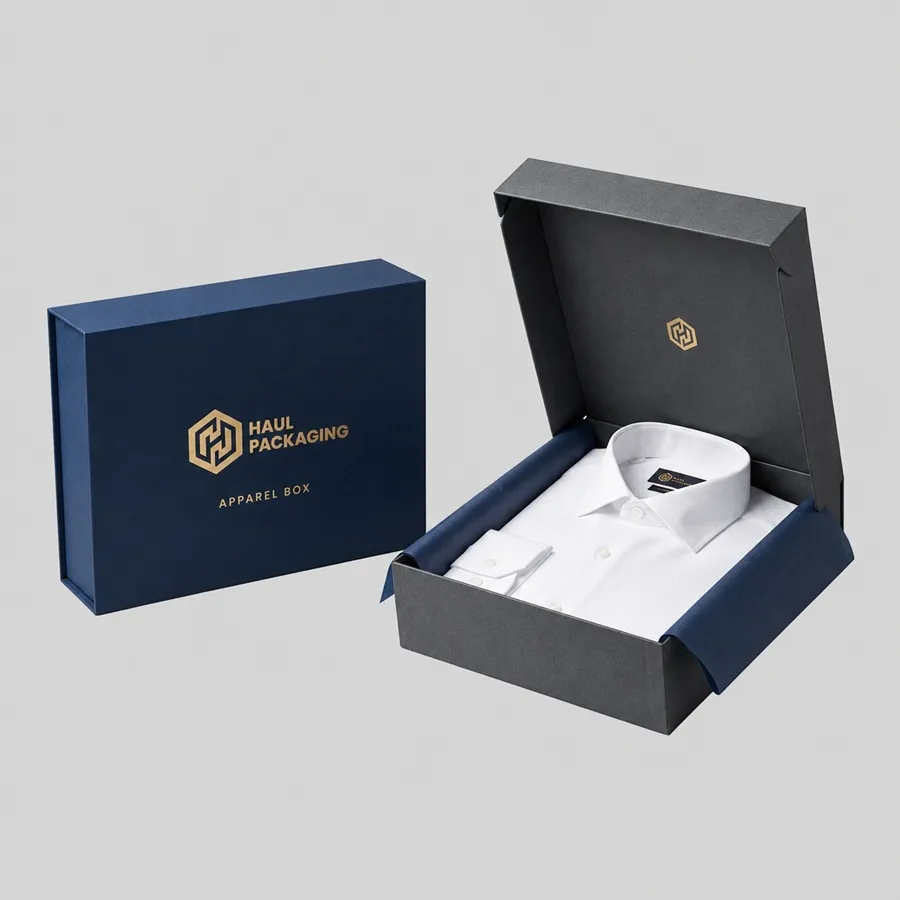
Two-Piece Rigid Apparel Boxes
This structure can work well for shirts, formalwear, luxury garments, accessories, and gift sets.
The lid can carry the primary branding while the base creates a clean presentation area for the folded garment.
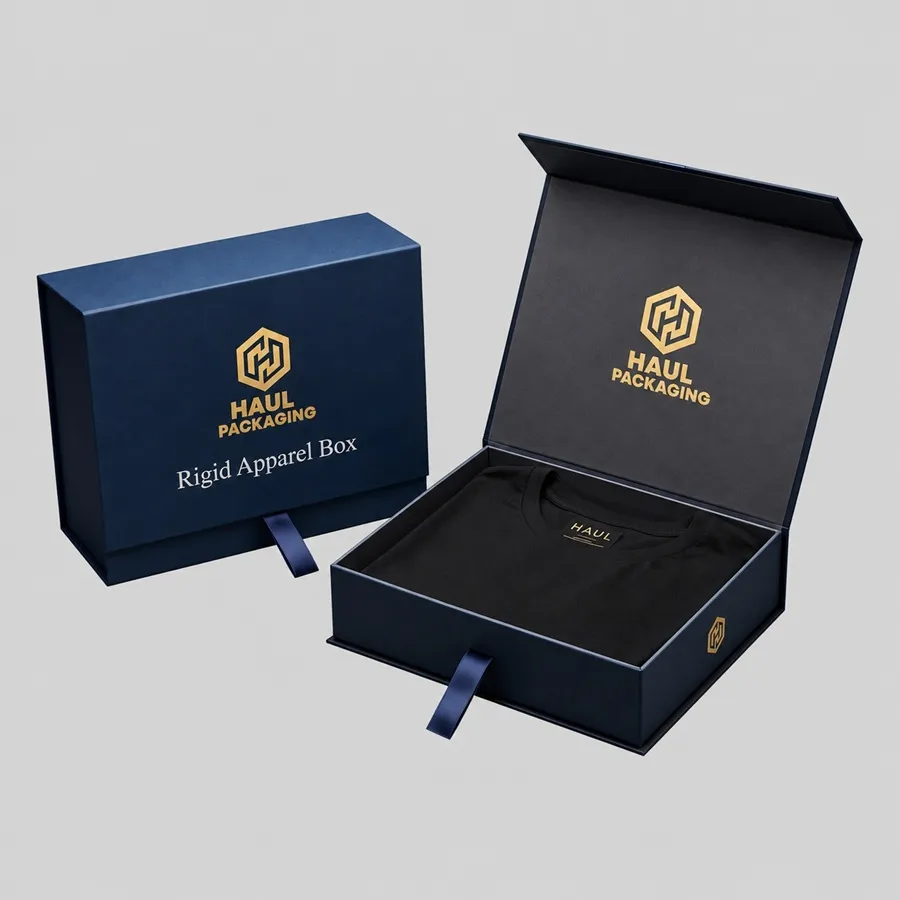
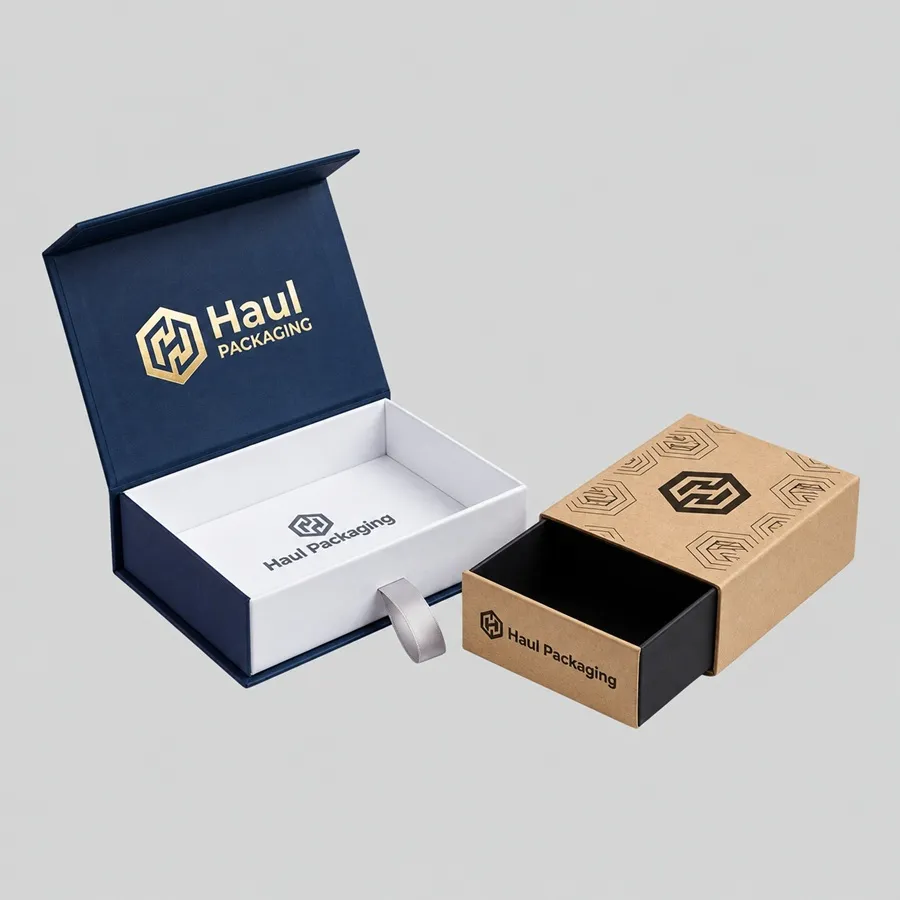
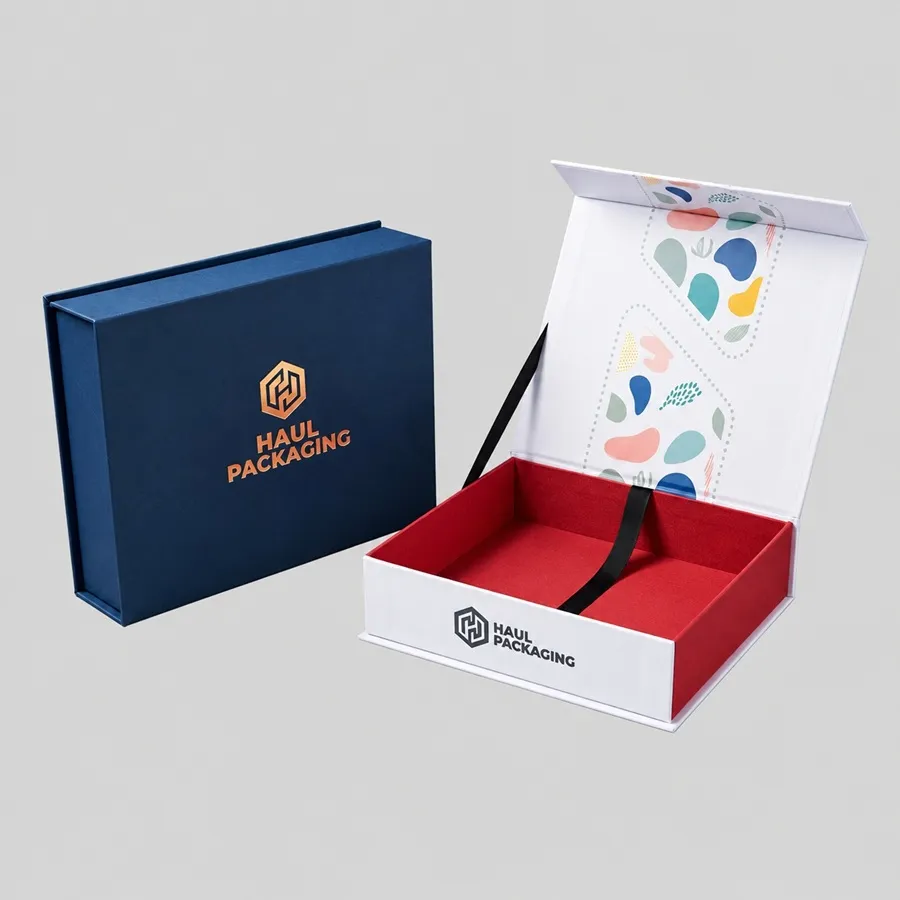
Magnetic Closure Apparel Boxes
A hinged magnetic box creates a controlled opening experience and keeps the lid connected to the base.
This format can work particularly well for luxury collections, premium gifts, fashion launches, and curated apparel sets.
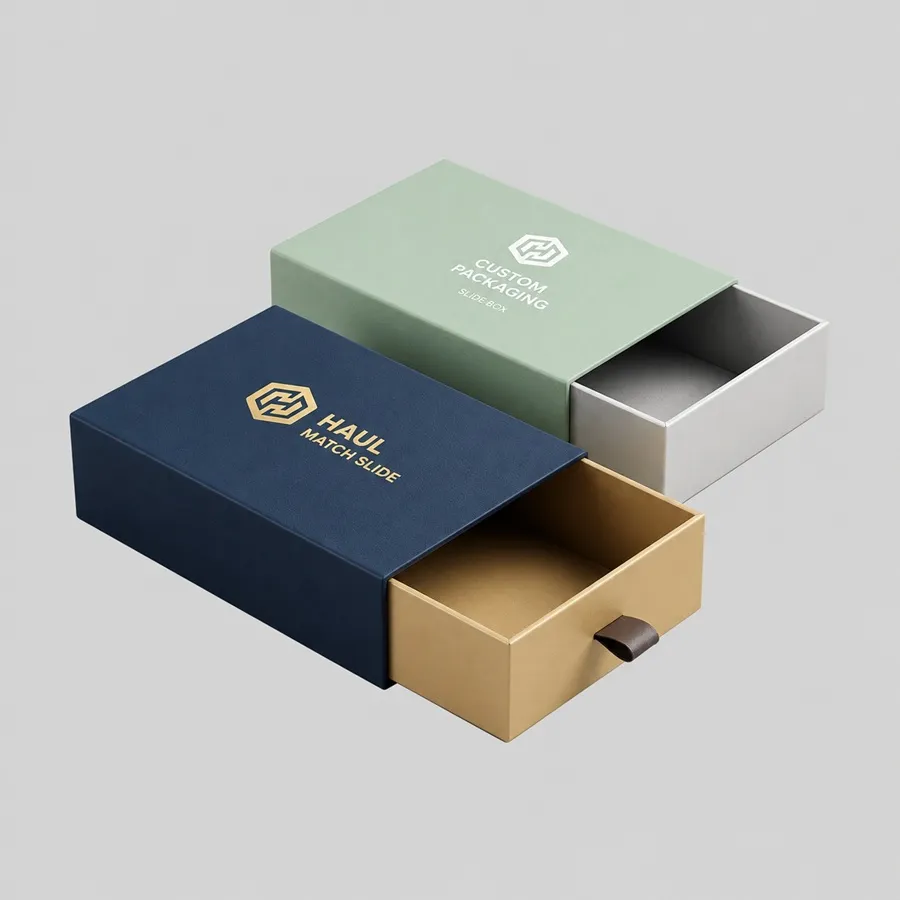
Drawer-Style Apparel Boxes
A sleeve-and-drawer construction lets the customer pull the garment out rather than lift a separate lid.
This works especially well for accessories, folded apparel, premium socks, scarves, lingerie, and curated fashion sets.
Collapsible Rigid Apparel Packaging
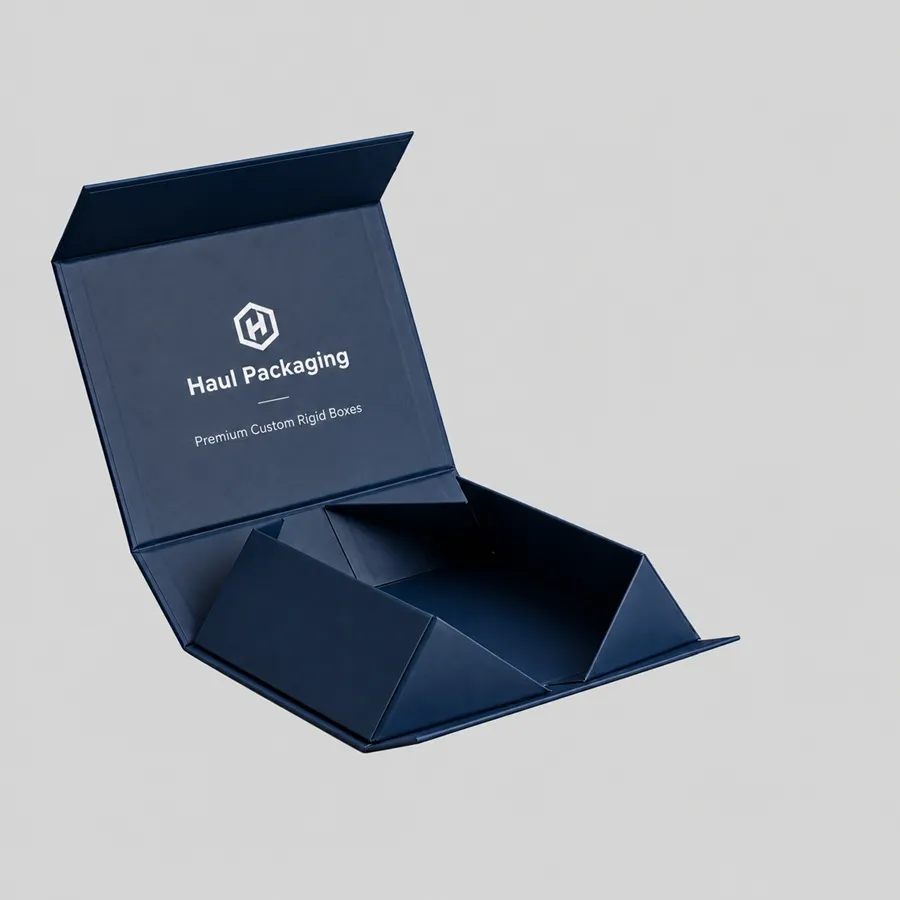
If your brand orders large quantities but has limited warehouse space, consider a collapsible rigid structure.
These boxes are designed differently from conventional pre-assembled rigid boxes and may require assembly before use.
Apparel-Specific Interior Design
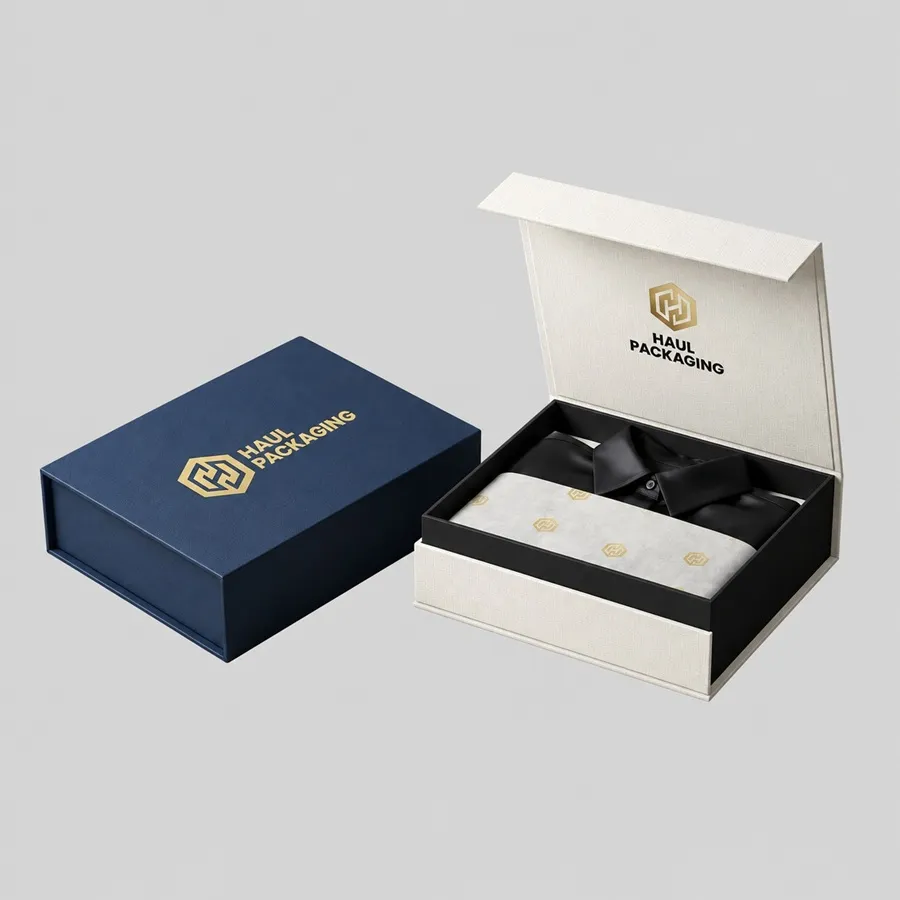
Tissue Paper
Add a Layer Between the Box and Garment
Tissue can create a softer reveal and provide another opportunity for subtle branding.
Garment Inserts: Maintain the Intended Position
A simple insert or platform can help keep a folded garment positioned within the box.
Dividers: Separate Multiple Products
If the box contains several apparel items or accessories, dividers can create dedicated areas.
Accessory Compartments
Don’t Let Small Items Disappear
Printed Interior: Use the Inside of the Lid
- Brand messages
- Collection information
- Care instructions
- Thank-you messages
- Campaign artwork
- Product stories
- QR codes
- Social media information
Rigid Apparel Boxes for Different Clothing Products
Dress Shirts: Keep the Presentation Crisp
T-Shirts: Simple Does Not Mean Generic
Premium T-shirts can use rigid packaging when the brand wants a stronger unboxing experience.
Hoodies and Sweatshirts
Plan for Greater Folded Volume
Dresses: Consider the Folded Shape
Dresses can vary substantially in fabric thickness, length, structure, and embellishment.
Lingerie and Intimates
Presentation and Organization Matter
Rigid boxes can provide a structured presentation for lingerie sets and premium intimate apparel.
Scarves and Ties: Compact Fashion Accessories
Smaller fashion accessories can work particularly well with compact rigid boxes.
Luxury Accessories: Package the Complete Collection
Corporate Apparel: Professional Presentation
Materials for Rigid Apparel Boxes
Rigid Board: The Structural Foundation
Kraft Paper: Natural Packaging Direction
Kraft can create a simple, natural appearance that works well for minimalist or lifestyle-oriented fashion brands.
Specialty Wrapping Papers: Build a Distinctive Surface
Textured, colored, patterned, and specialty papers can change the finished box's appearance and tactile character.
Cardstock Components
Useful for Inserts and Supporting Elements
Custom Printing for Apparel Packaging
CMYK Printing: For Detailed Artwork
PMS Colors: For Brand-Specific Color Matching
Consider PMS or spot colors when maintaining a specific brand color is important.
Interior Printing: Continue the Brand Experience
Minimal Printing: Let Structure and Material Do the Work
Finishing Options for Rigid Apparel Boxes
Foil Stamping: Highlight Important Details
Embossing: Add Physical Dimension
Debossing: A Subtle Recessed Effect
Spot UV: Create Gloss Contrast
Matte Finish: A Softer Visual Direction
Gloss Finish: A More Reflective Surface
Soft-Touch Finish
Add a Different Tactile Experience
Soft-touch coatings can provide a smooth, velvety feel that is compatible with the selected packaging construction.
Rigid Apparel Packaging for Luxury Fashion
Match the Packaging to the Garment
The Box Should Reflect the Product
Think About the Opening Sequence
- Exterior branding
- Lid or closure
- Interior message
- Tissue
- Garment
- Accessories or supporting materials
Protect the Brand Aesthetic
Consistency Across Touchpoints
Rigid Apparel Boxes for Ecommerce
The Package Is the First Physical Touchpoint
Make Delivery Feel Like the Brand
An e-commerce customer may never visit a physical store.
Separate Presentation Packaging From Shipping Packaging
The Rigid Box May Need an Outer Carton
A presentation box should not automatically be treated as the only shipping container.
Depending on the product and shipping conditions, an outer carton or mailer may be appropriate.
Consider Fulfillment Speed
Packaging Should Work for Your Team
Your fulfillment team should be able to place the garment inside the box, add tissue and accessories, close the package, and prepare it for shipment without unnecessary complexity.
Rigid Apparel Boxes for Retail Stores
Shelf Appearance: Make the Brand Recognizable
Easy Handling: Consider Store Staff
Consistent Product Families: Build a Packaging System
Packaging for Fashion Launches and PR Kits
Influencer Kits: Create a Controlled Product Reveal
Press Kits: Give Media Packages a Clear Structure
The box can organize the garment alongside product information, campaign material, brand messaging, and accessories.
Limited Editions
Make the Packaging Part of the Release
Apparel Gift Packaging
Seasonal Collections
Build Packaging Around the Occasion
Corporate Clothing Gifts
Make Branded Gifts Feel Intentional
Gift Sets: Combine Clothing and Accessories
This can create one organized presentation instead of several unrelated packages.
How to Choose the Right Rigid Apparel Box
Start With the Garment
Measure the Actual Folded Product
Decide Where the Box Will Be Used
Retail, Ecommerce, Gifting, or PR
The sales channel influences the packaging requirements.
Choose the Opening Style
Match the Structure to the Brand
- Two-piece lid and base
- Hinged magnetic closure
- Sliding drawer
- Collapsible rigid structure
- Sleeve-based presentation
Determine the Interior
Decide What the Customer Should See
Set the Branding Direction
Prepare Your Artwork Early
Request a Physical Sample: Test the Real Garment
- Fit
- Fold
- Compression
- Interior clearance
- Lid alignment
- Closure
- Tissue placement
- Accessory positioning
- Overall appearance
What Affects the Cost of Rigid Apparel Boxes?
Box Dimensions
Size Changes Material Requirements
Board Specification: Construction Matters
Wrapping Material
Interior Components
Printing and Finishing
Quantity
Rigid Apparel Boxes vs. Folding Cartons
Rigid Boxes
Rigid apparel boxes retain their structured form and provide a more substantial presentation.
Folding Cartons
Presentation: Rigid Packaging
Choosing Between Them
Use rigid packaging when the presentation and structure justify it. Choose lighter packaging when operational efficiency and lower packaging volume matter more.
Rigid Apparel Boxes vs. Mailer Boxes
Premium Presentation: Rigid Apparel
Shipping Efficiency: Mailer Boxes
Corrugated mailers are often more practical for direct-to-consumer shipping because they are designed around shipping and handling requirements.
Rigid Apparel Boxes vs. Two-Piece Boxes
A two-piece rigid box is itself one type of rigid apparel packaging.
The distinction comes down to the structure and opening mechanism. A separate lid and base can provide a traditional gift-box experience, while hinged or drawer structures create different opening sequences.
How to Order Custom Rigid Apparel Boxes
1. Send Garment Information
2. Explain the Sales Channel
- Retail
- Ecommerce
- Gifting
- Subscription orders
- Corporate gifts
- PR campaigns
- Limited editions
3. Choose the Structure
4. Define the Interior
5. Submit Artwork
6. Select Materials and Finishes
7. Review the Sample
8. Approve Production
Why Work With Haul Packaging for Rigid Apparel Boxes?
Haul Packaging’s apparel packaging offering is designed around clothing and fashion products, including shirts, T-shirts, hoodies, dresses, socks, scarves, lingerie, and fashion accessories. Its broader packaging range includes rigid, folding, corrugated, mailer, two-piece, and sleeve/drawer formats.
A Packaging Brief Makes the Project Easier
Include These Details
- Garment type
- Folded dimensions
- Product weight
- Quantity
- Box style
- Interior requirements
- Artwork
- Material preference
- Finishing requirements
- Sales channel
- Target delivery date
What clothing can be packaged in rigid apparel boxes?
Are rigid apparel boxes suitable for luxury clothing?
How should I measure clothing for a custom box?
Can rigid apparel boxes include tissue paper?
Can apparel boxes include accessories?
Are rigid apparel boxes suitable for retail?
Can I print inside the apparel box?
Are rigid apparel boxes reusable?
Are rigid apparel boxes better than mailer boxes?
Are rigid apparel boxes expensive?
Can I order custom apparel boxes in small quantities?
Create Custom Rigid Apparel Boxes for Your Brand
Your apparel packaging should make sense for the garment inside it.
Start with the actual folded product. Then determine the structure, interior, materials, branding, finish, and customer experience around that product.
| Dimensions | All Custom Sizes, Shapes and Styles. |
| Printing | CMYK, PMS, Screen Printing, No Printing |
| Paper Stock | 10PT to 28 PT (60lb to 400 lb) Eco Friendly Kraft Stock, E-Flute Corrugation, Bux Board, Cardstock, Fancy Cardstock. |
| Quantity | 50 - 500,000 |
| Coating | Gloss, Matte, Spot Uv |
| Default Process | Die Cutting, Gluing, Scoring, Perforation |
| Options | Custom Window Cut Out, Gold/Silver Foiling, Embossing, Raised Ink, PVC Sheet. |
| Proof | Flat View, 3D Mock-up Physical Sampling, (On Request) |
| Turn Around Time | 4-6 Business Days, Rush Production Plans. |
| Shipping | Free Shipping. |
| Delivery Courier | FedEx Express Shipping, DHL, UPS, Skynet! |
FAQs
-
What is the delivery time? Delivery times vary depending on the size and complexity of the order. They will normally take 6-8 days in total. Prices quoted have a short lead time.
-
What’s your minimum order quantity? Yes, we cater to all needs and provide Premium luxury packaging for all stages of branding at only 50 units.
-
Can I add tissue paper, other inserts or branding? Sure, you can. Personalise the experience with custom printed tissue paper, sticker seals, and internal cards.
-
How do I keep the garments from sliding around in the box? We can make the packaging fit your garments perfectly. We also offer extras, such as bespoke paper inserts and folding boards, to prevent items from moving around inside the box.
-
Which kind of clothing products can be packed with rigid boxes? Rigid boxes are most commonly used to pack clothing like shirts, designer clothes, ties, scarves, lingerie, accessories, seasonal collections and promotional wear.
-
Are hard boxes good for Premium brands? Yes, rigid apparel boxes are very popular for packaging in luxury fashion retail and high-end fashion displays because of their durability and Premium look.
-
What printing options do you have for custom rigid boxes for garment products? We offer our customers an optional print choice of offset printing, digital printing, foil stamping, embossing, debossing, matte and gloss finishes, soft touch lamination and spot UV.
-
Why should I opt for Haul Packaging for custom rigid boxes for apparel in the USA? We offer high-end garment packaging services to fashion and retail companies nationwide. Our services include durable high-end materials and finishes, secure designs and a scalable product for all order quantities.
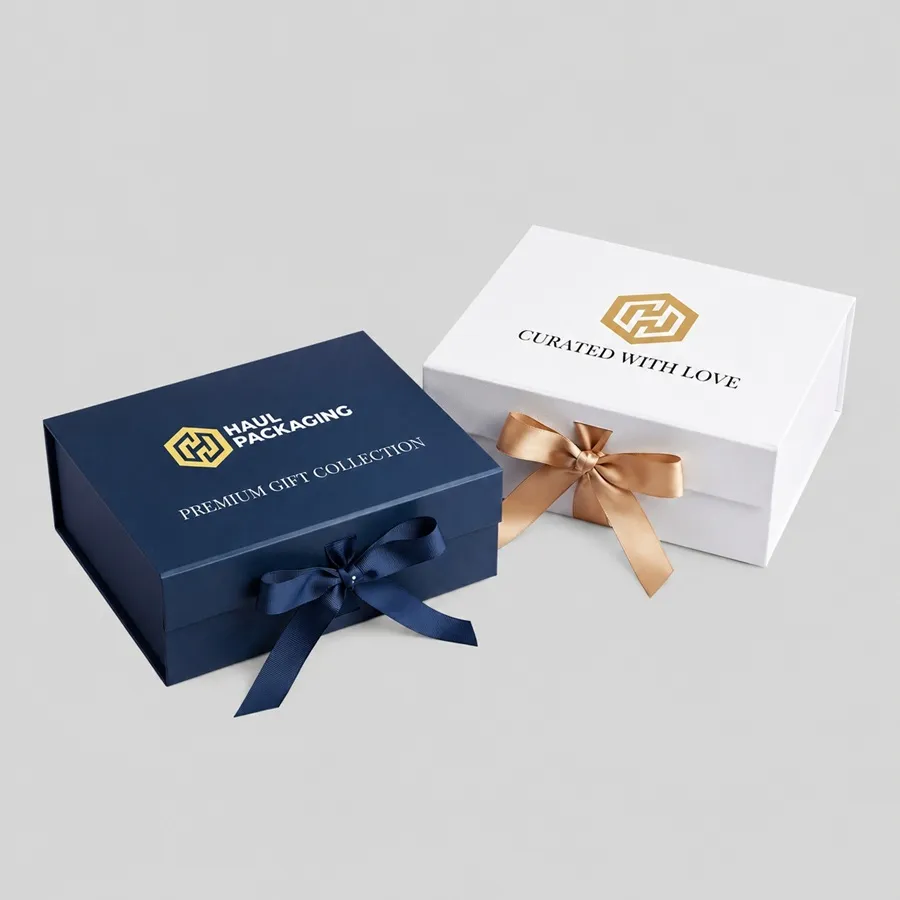
Premium Finishes
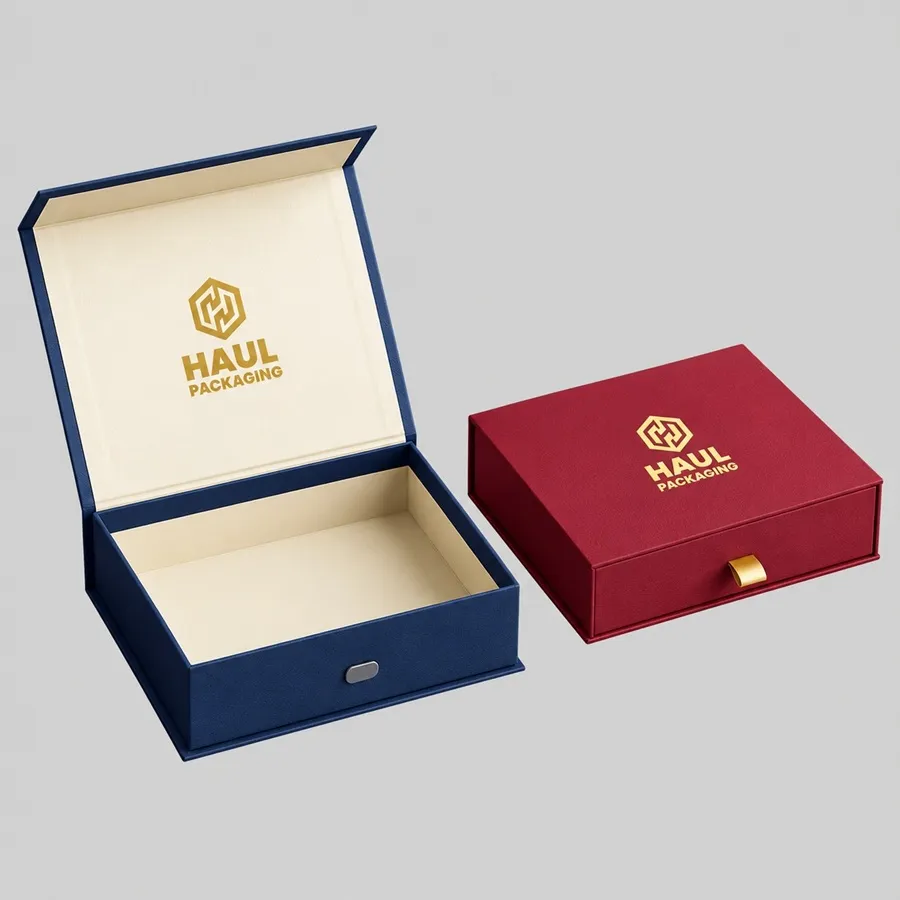
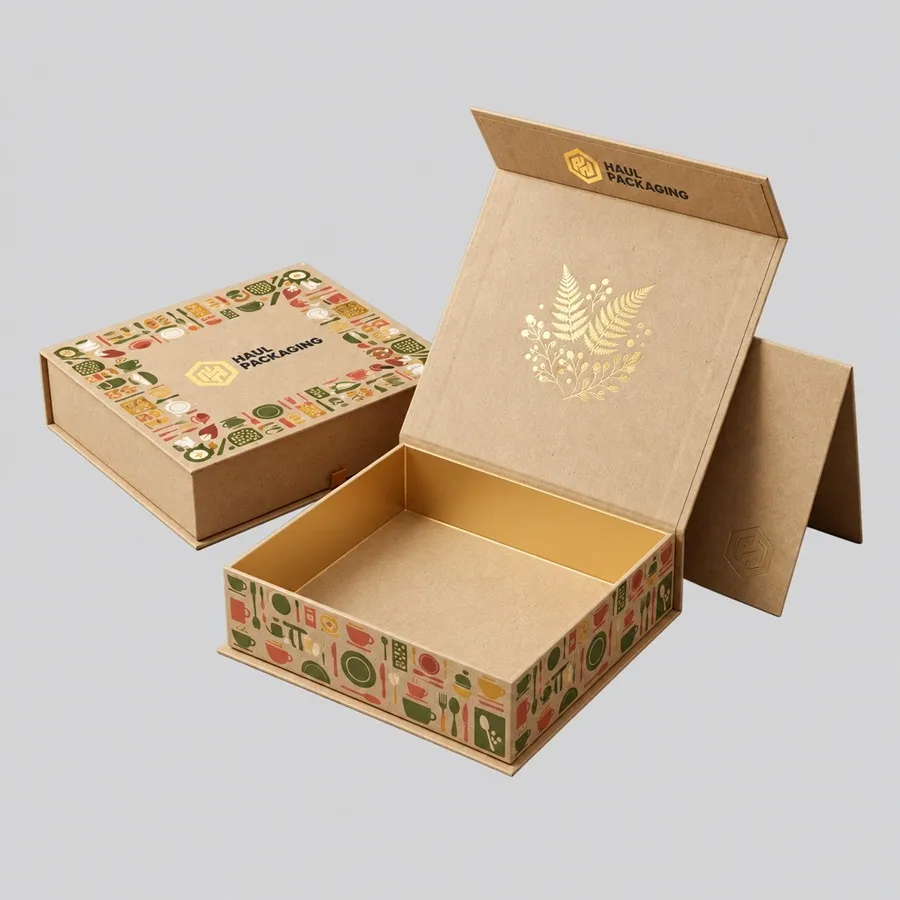
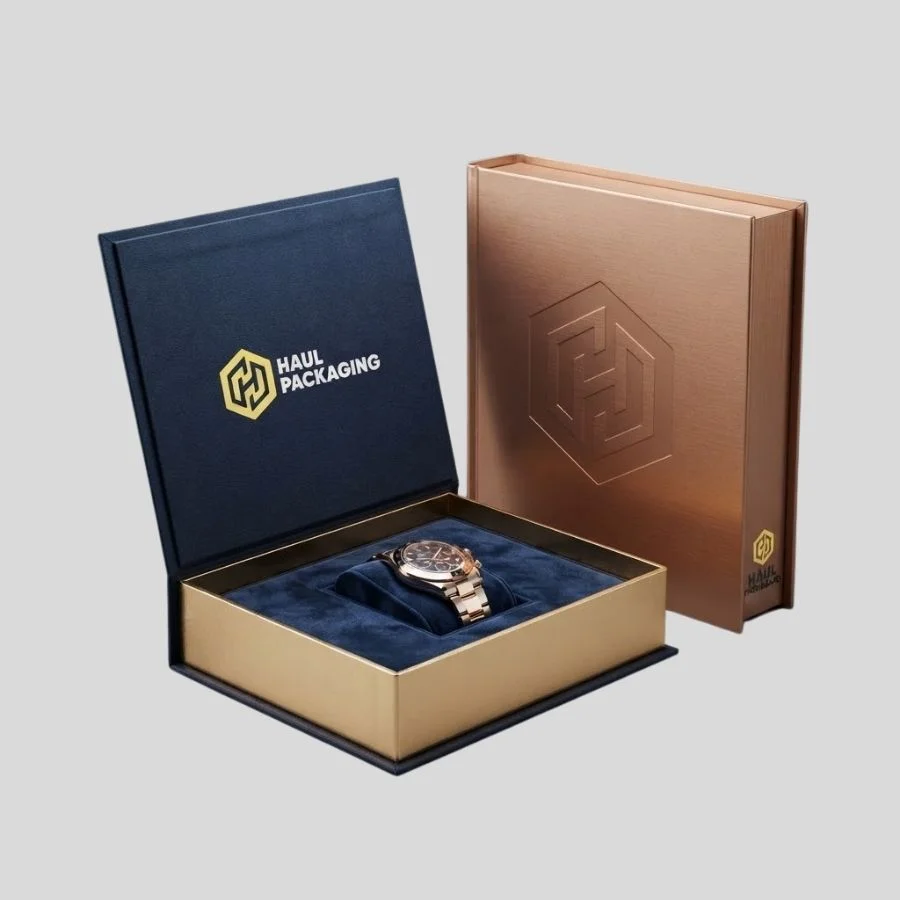
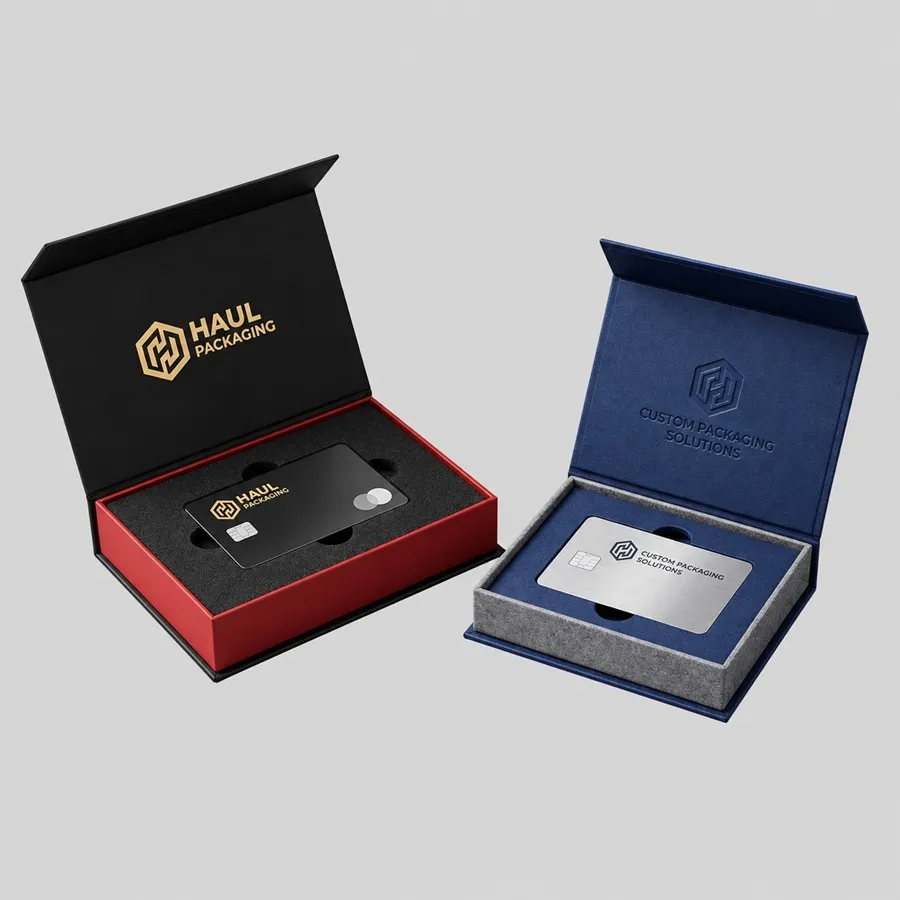
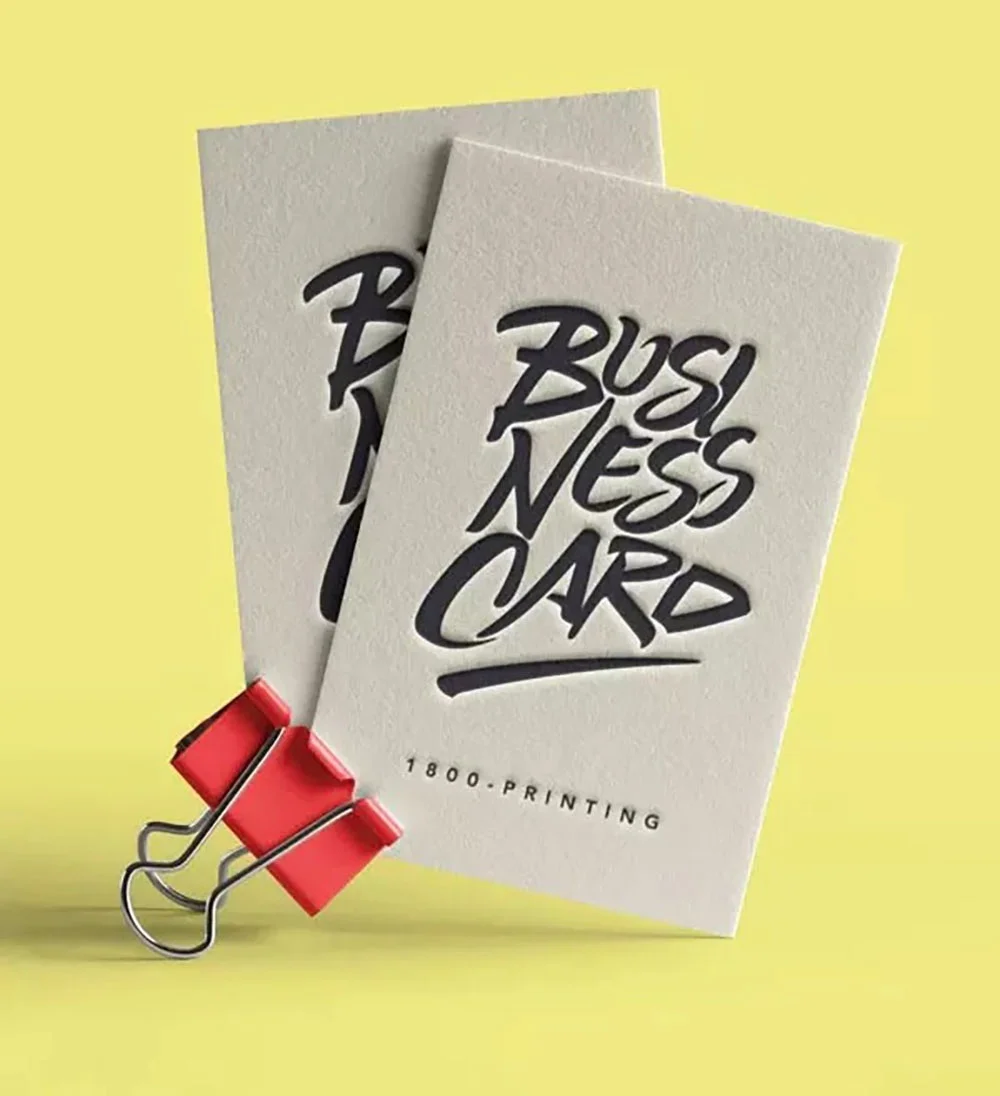
Haul Packaging provides a range of high-quality finishings, including as foil stamping, glossy or matte coatings, embossing, and soft-touch finishes, to improve the visual attractiveness of packaging. These finishes have the power to increase a product's perceived worth and make it stand out on retail shelves.

Copper Foiling
Debossing
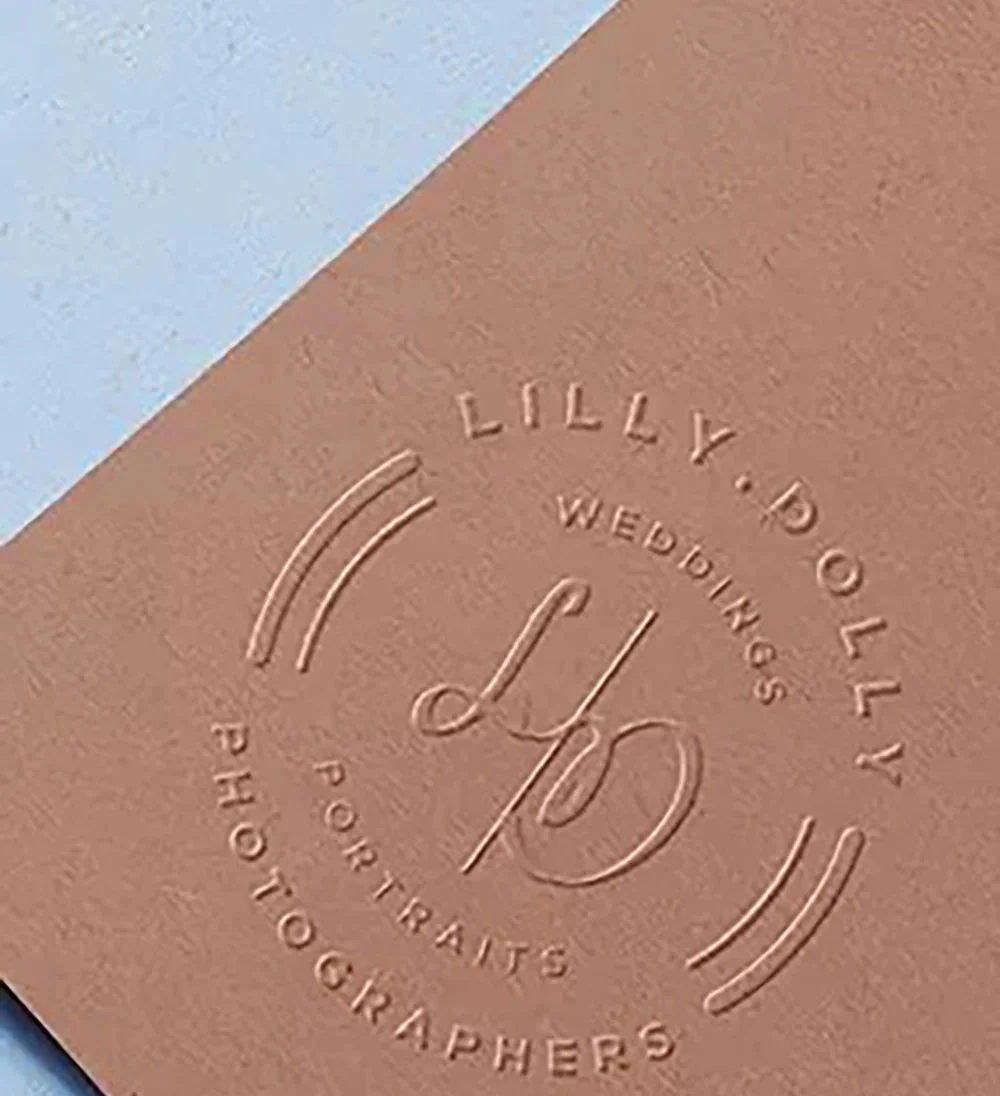
Embossing
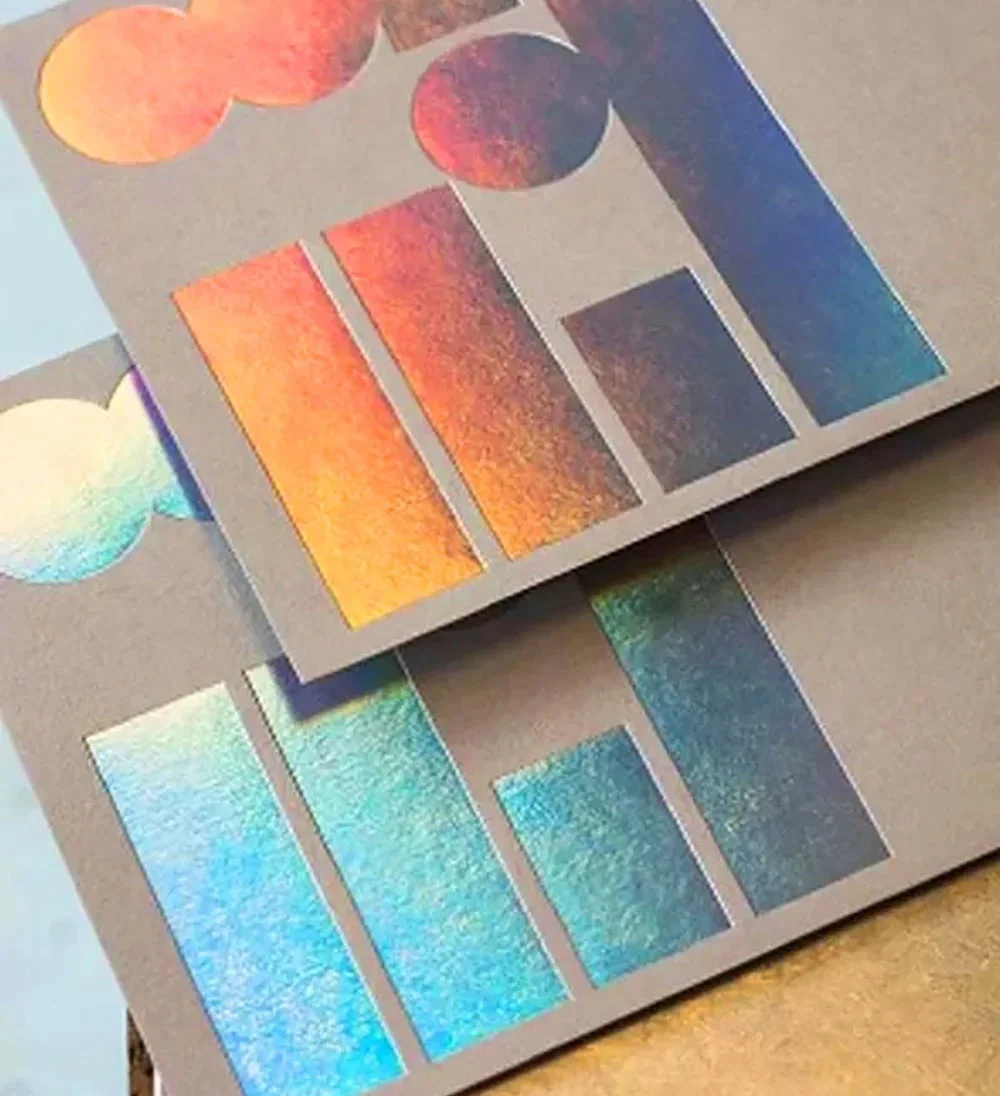
Holographics foiling
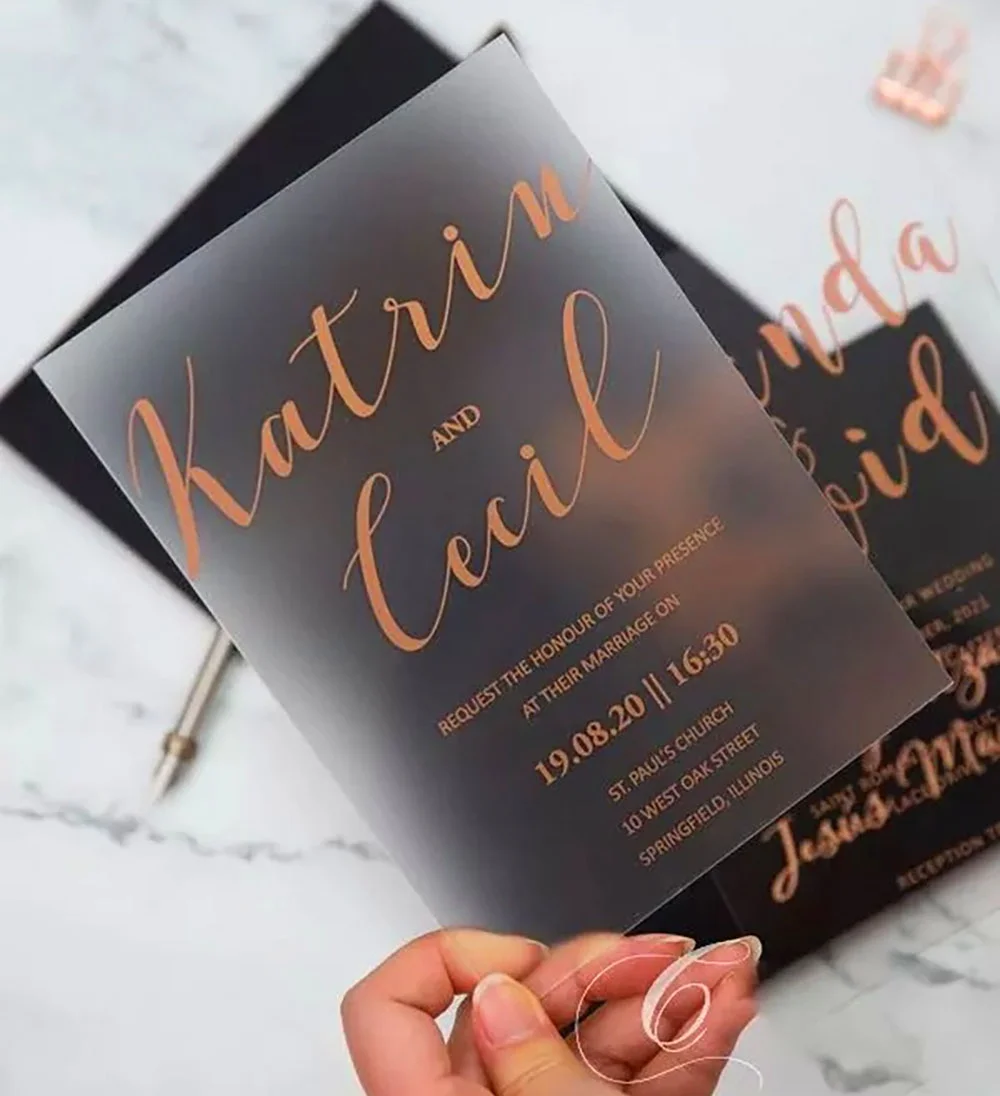
Rose Gold
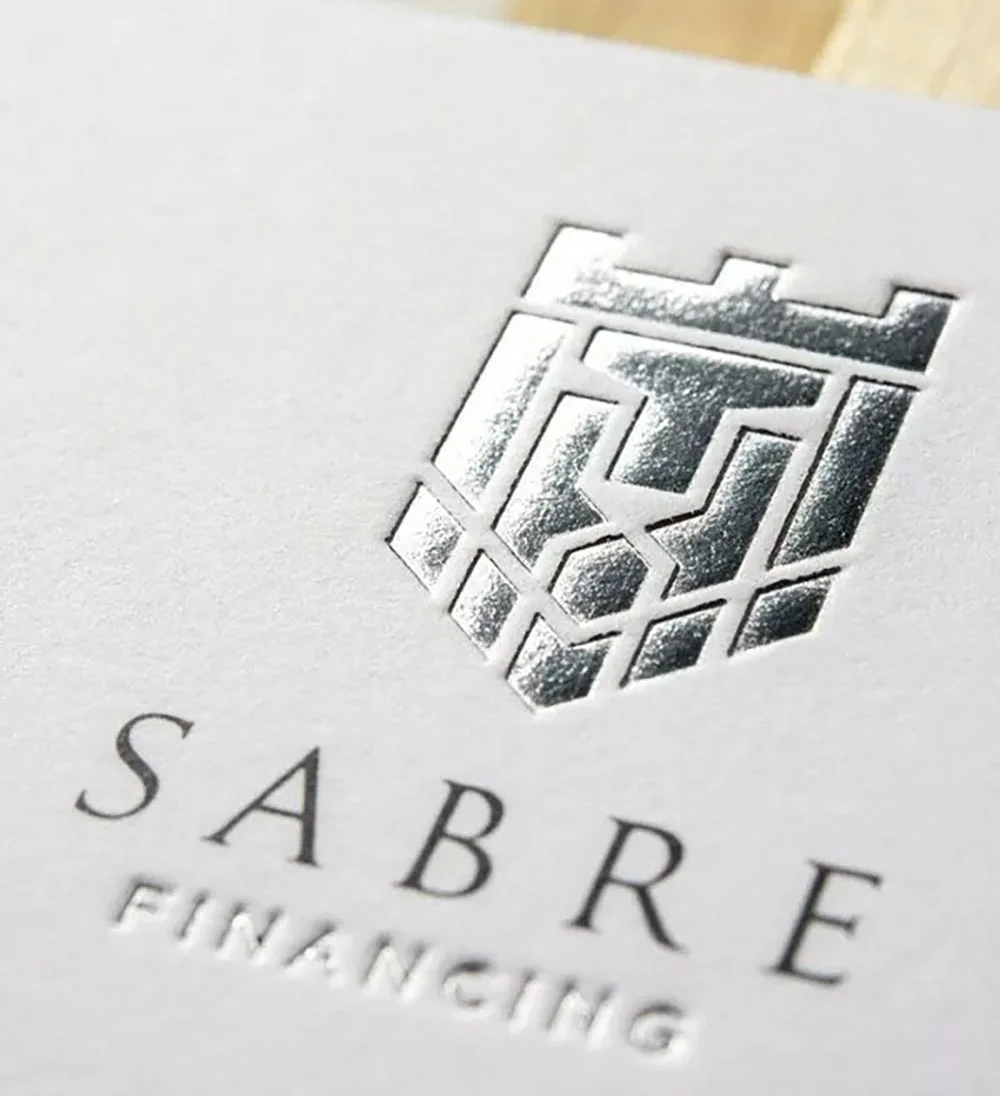
Silver Foiling
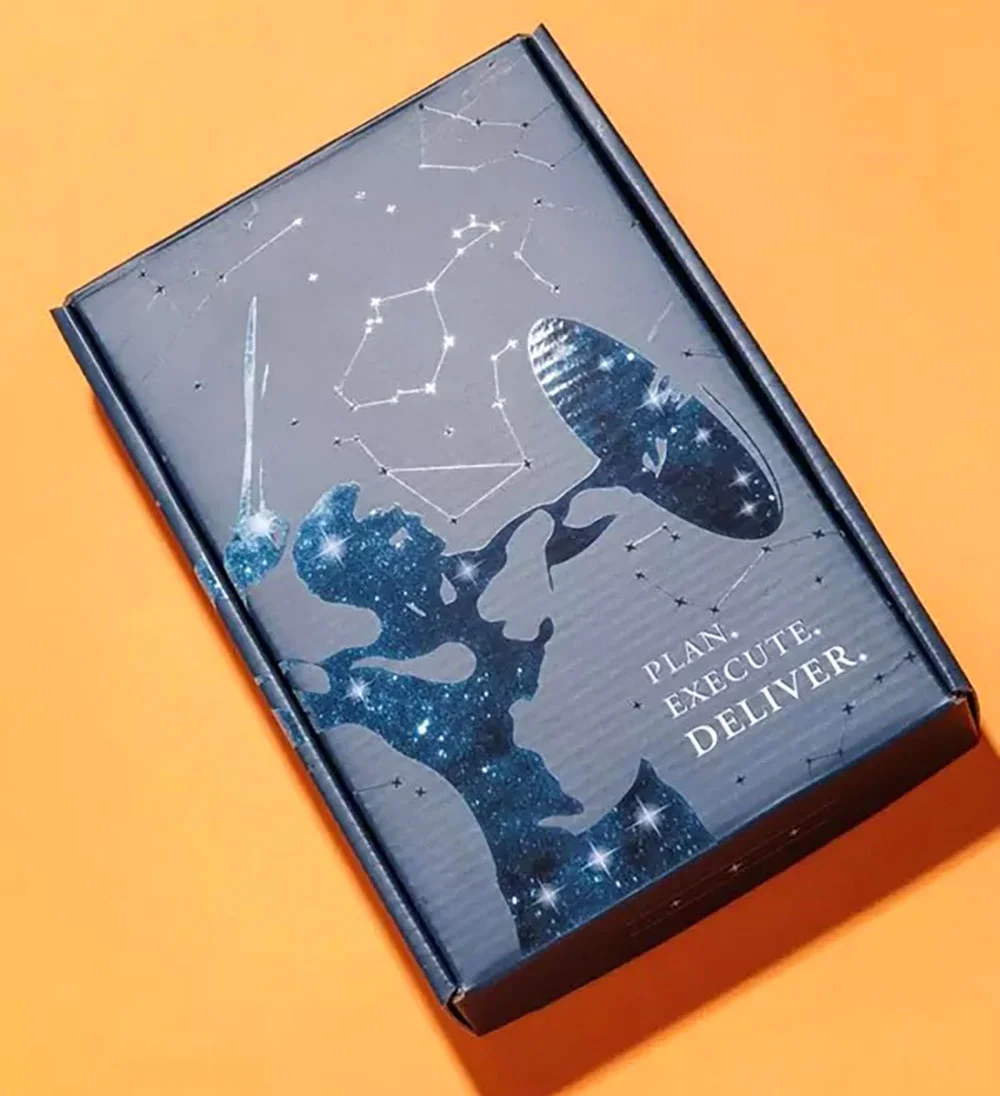
Spot UV
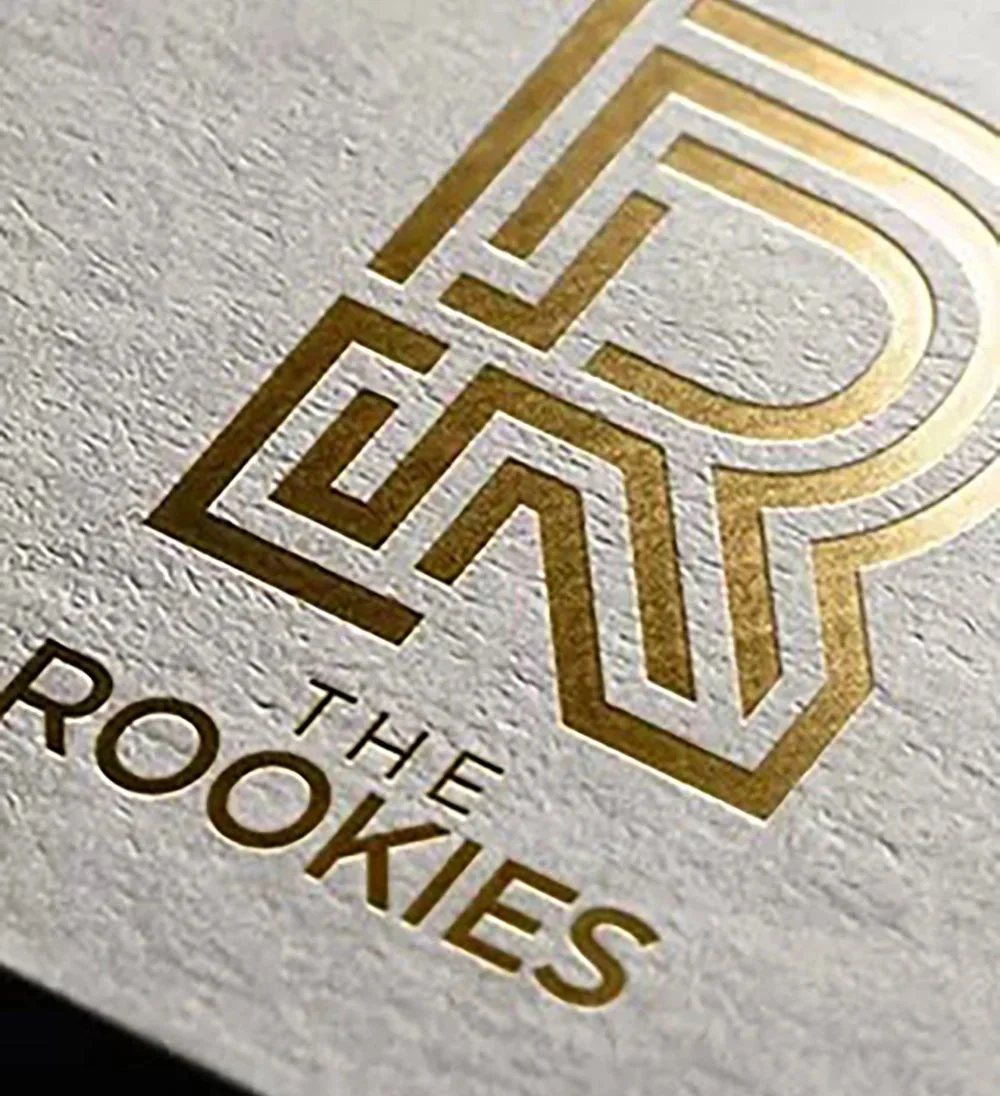
The Rookies
Card Stock Options
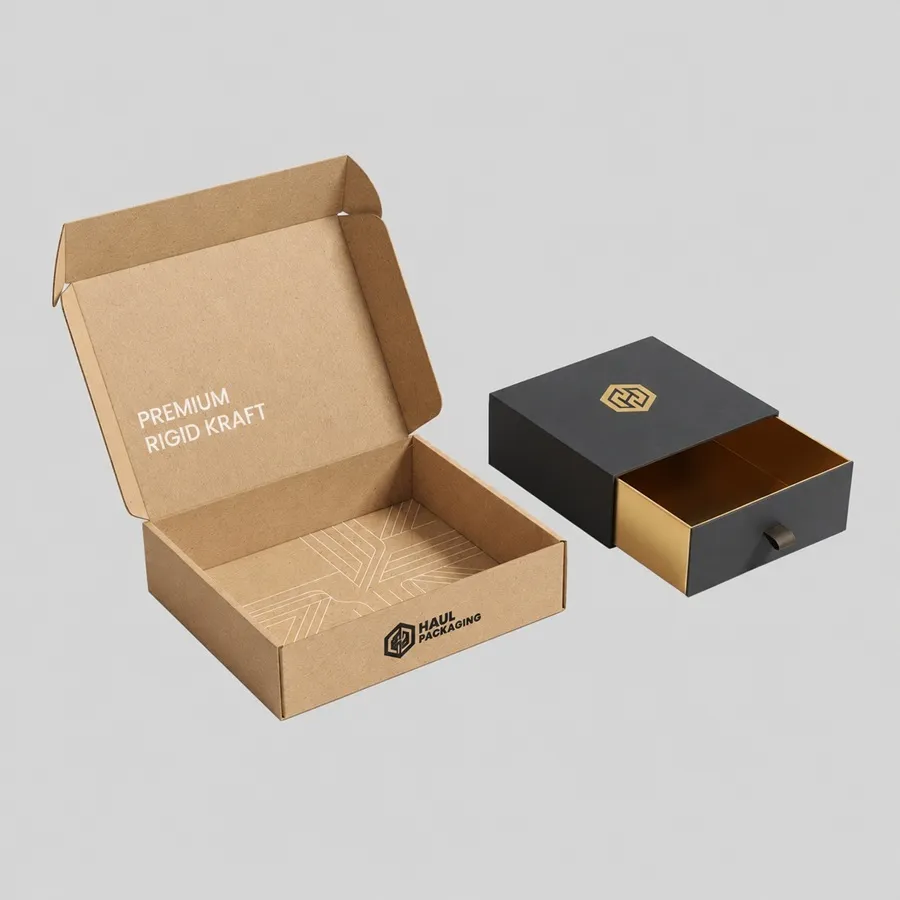
Haul Packaging provides a large selection of card stock types to meet various needs for packaging. You may give your box an adorning appearance and feel by selecting from a range of cardstocks with varying thicknesses, textures, and colors. The card stock selections for Haul Packaging are of excellent quality and longevity, guaranteeing that the packaging not only looks fantastic but also protects the contents within.
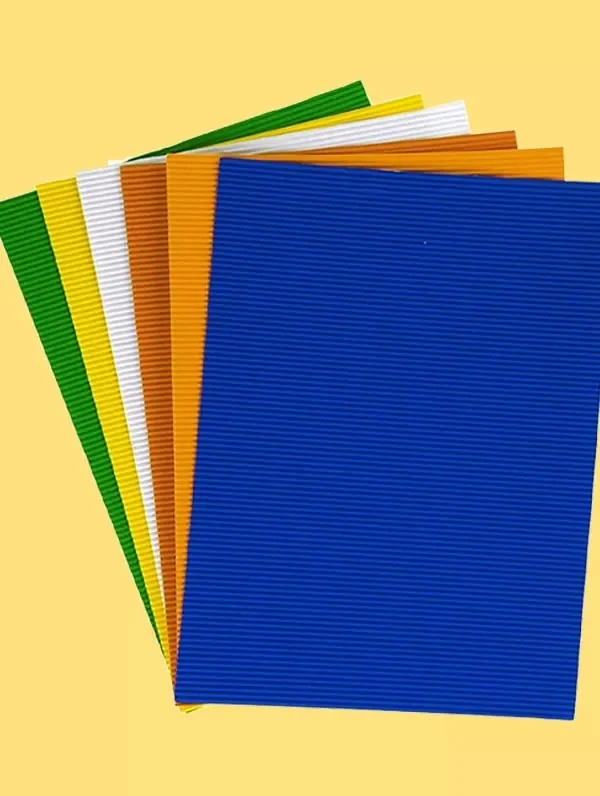
Corrugated
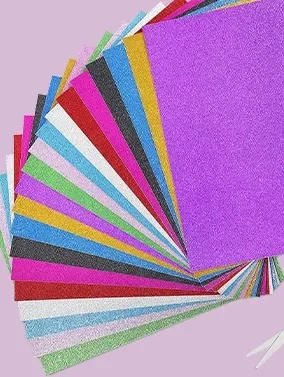
Glitter
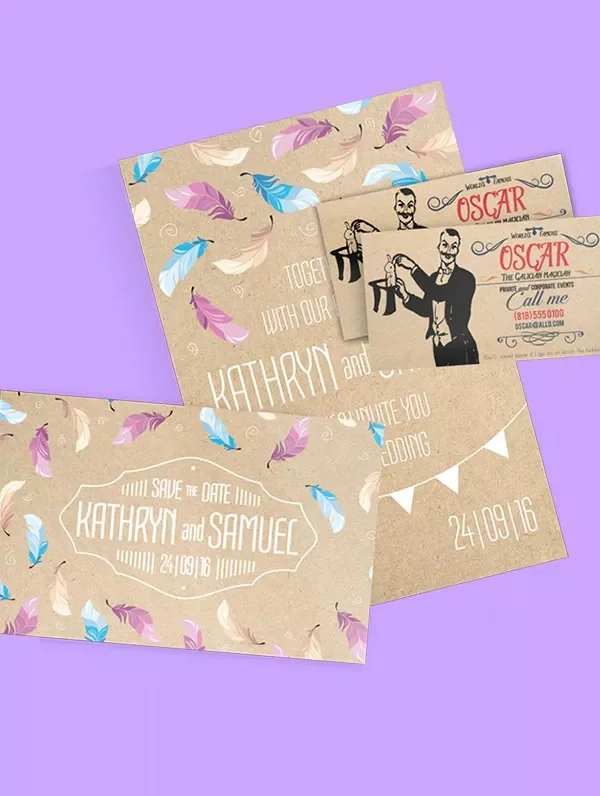
Kraft
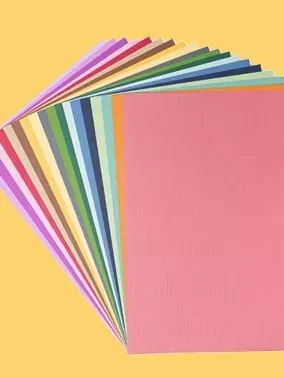
Matte
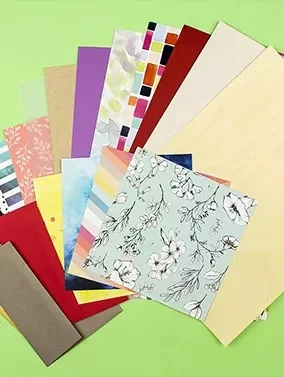
Textured