

In Stock
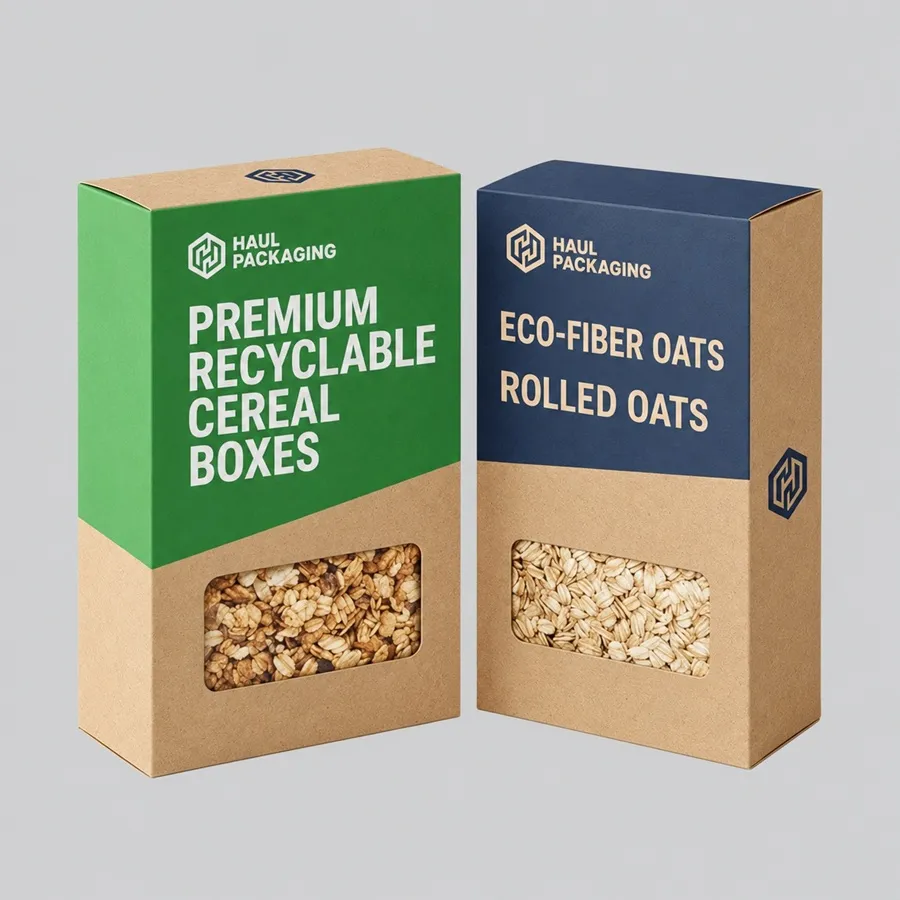
Recyclable Cereal Boxes
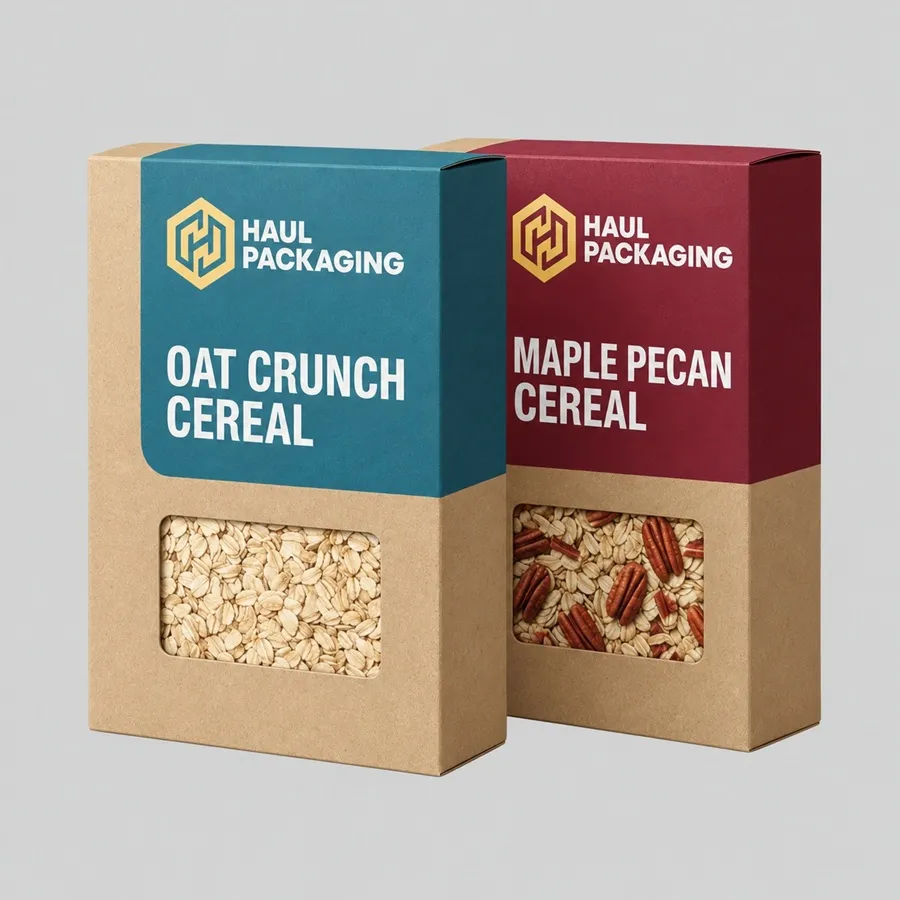
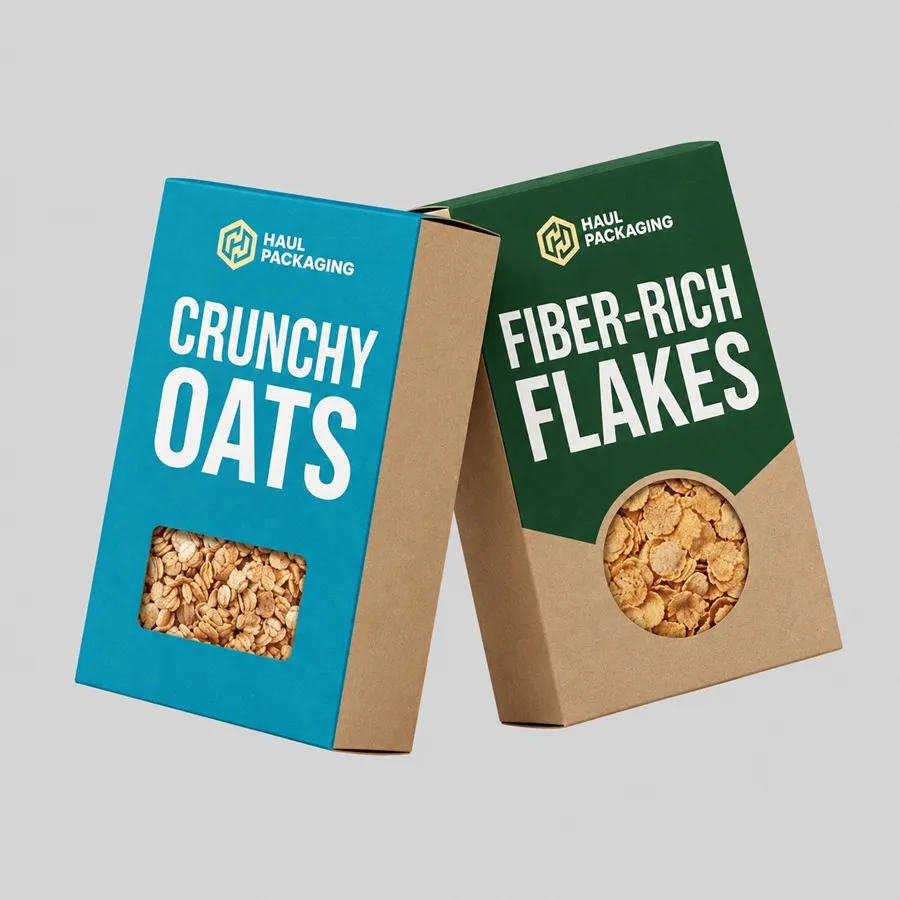
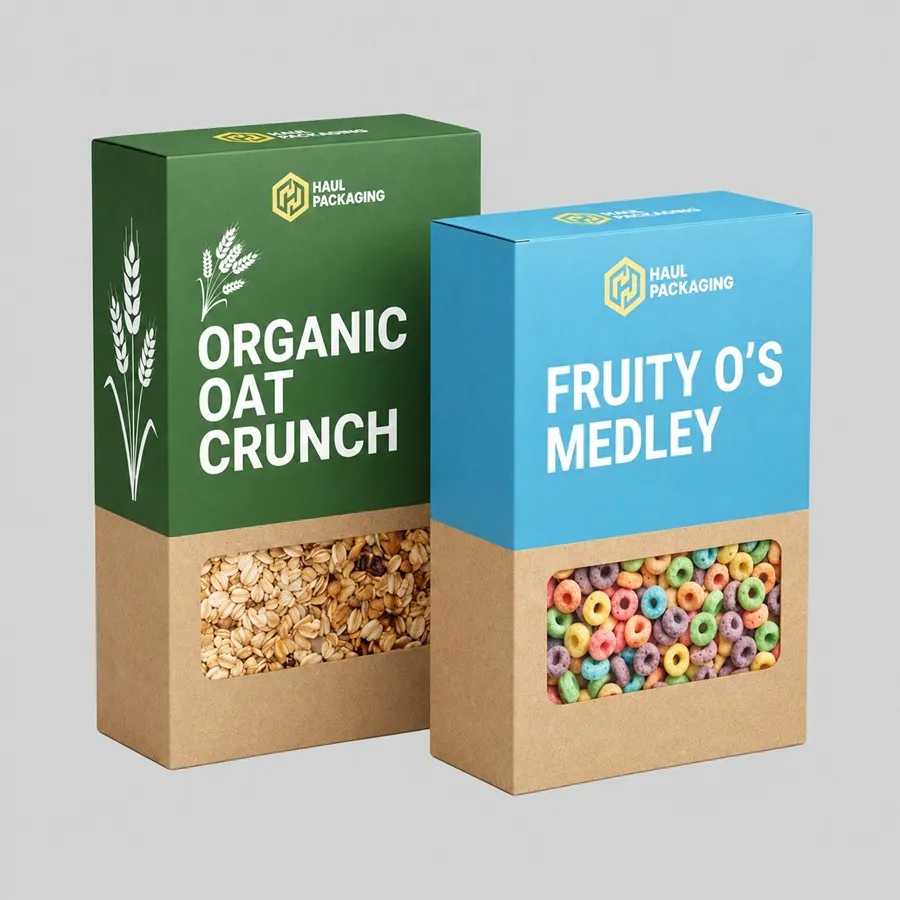
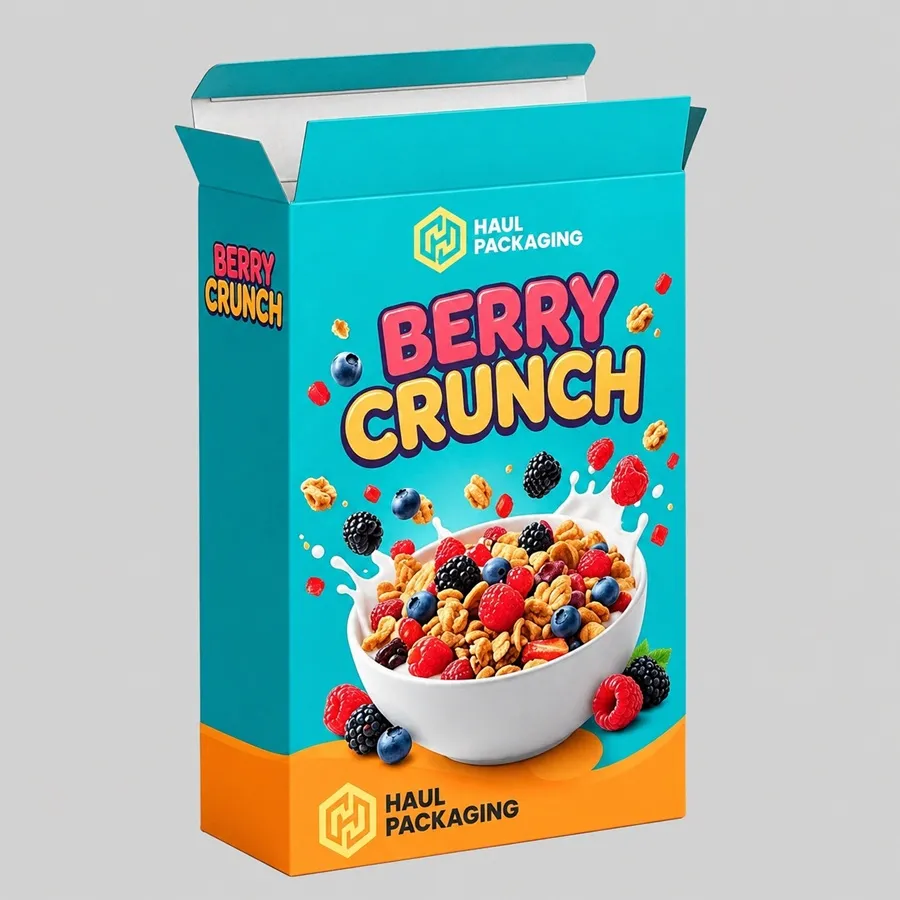
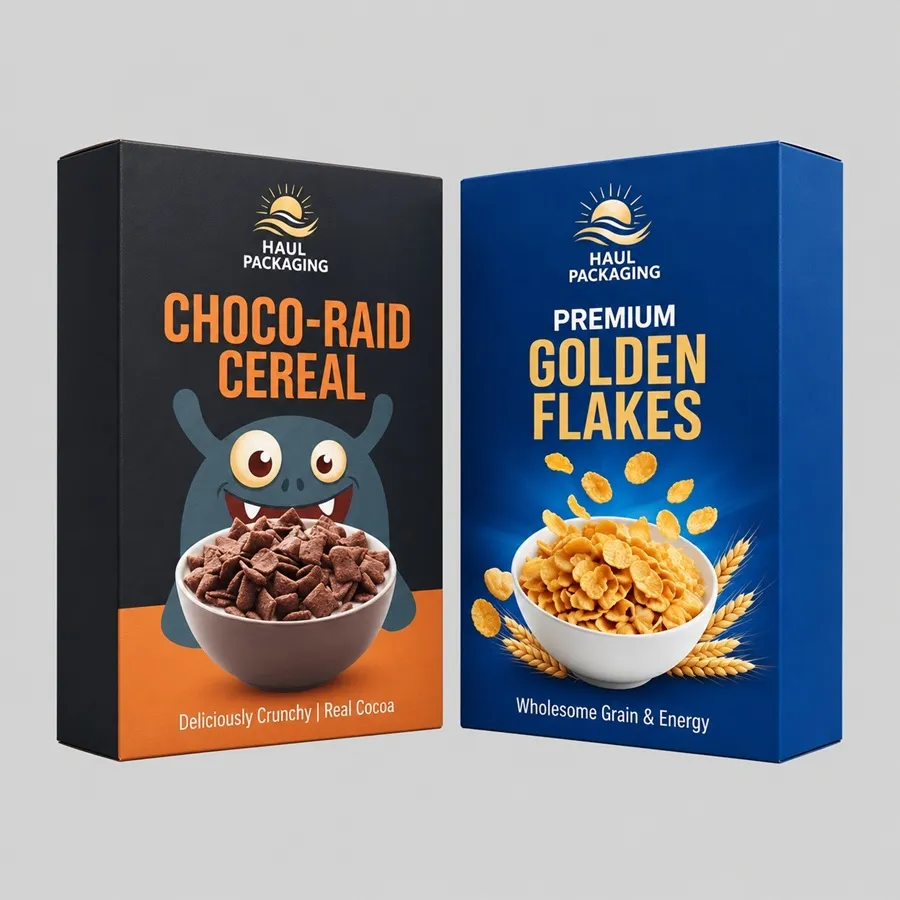
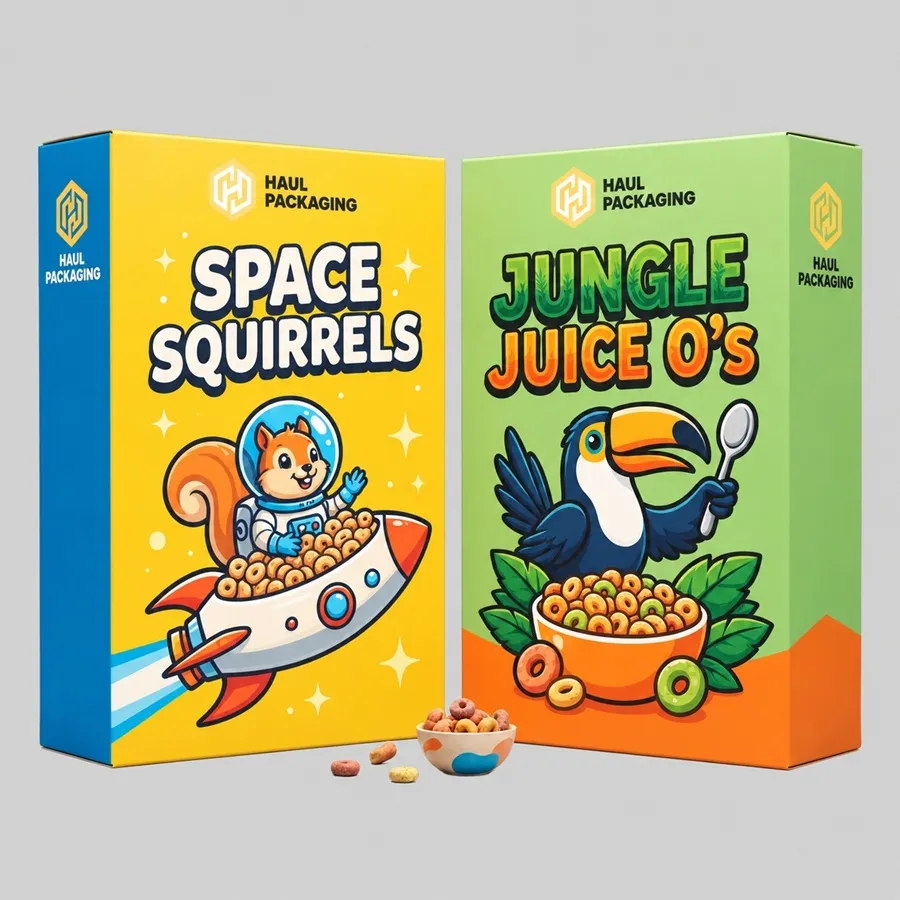
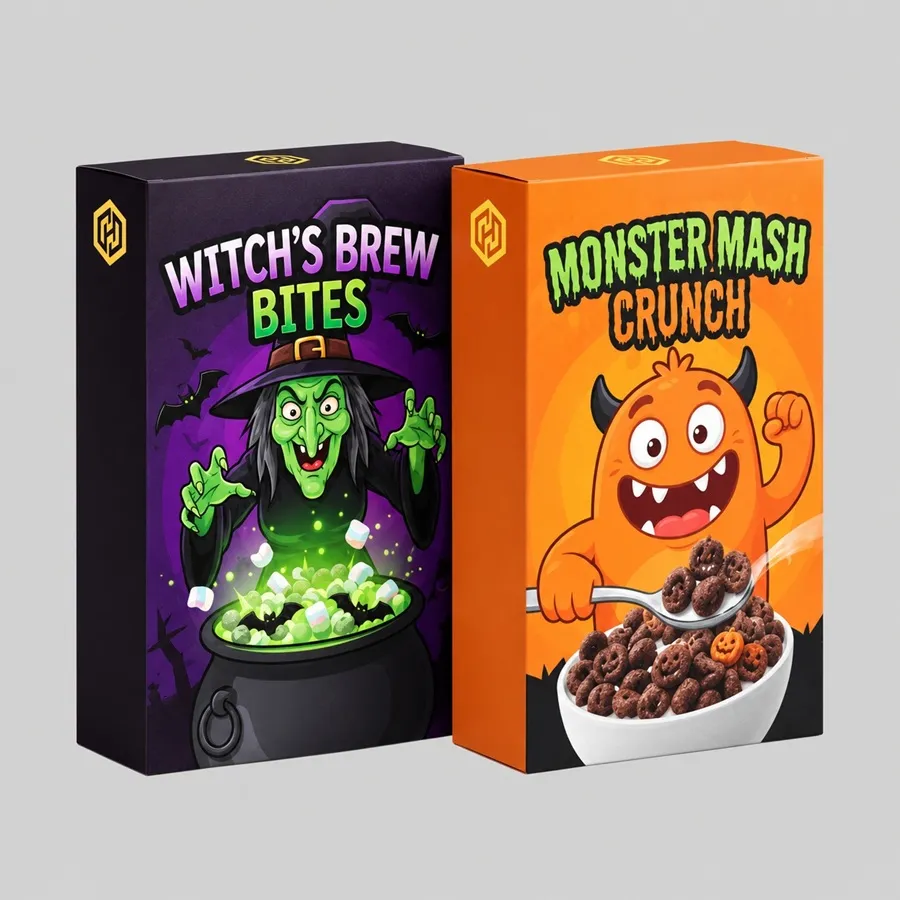
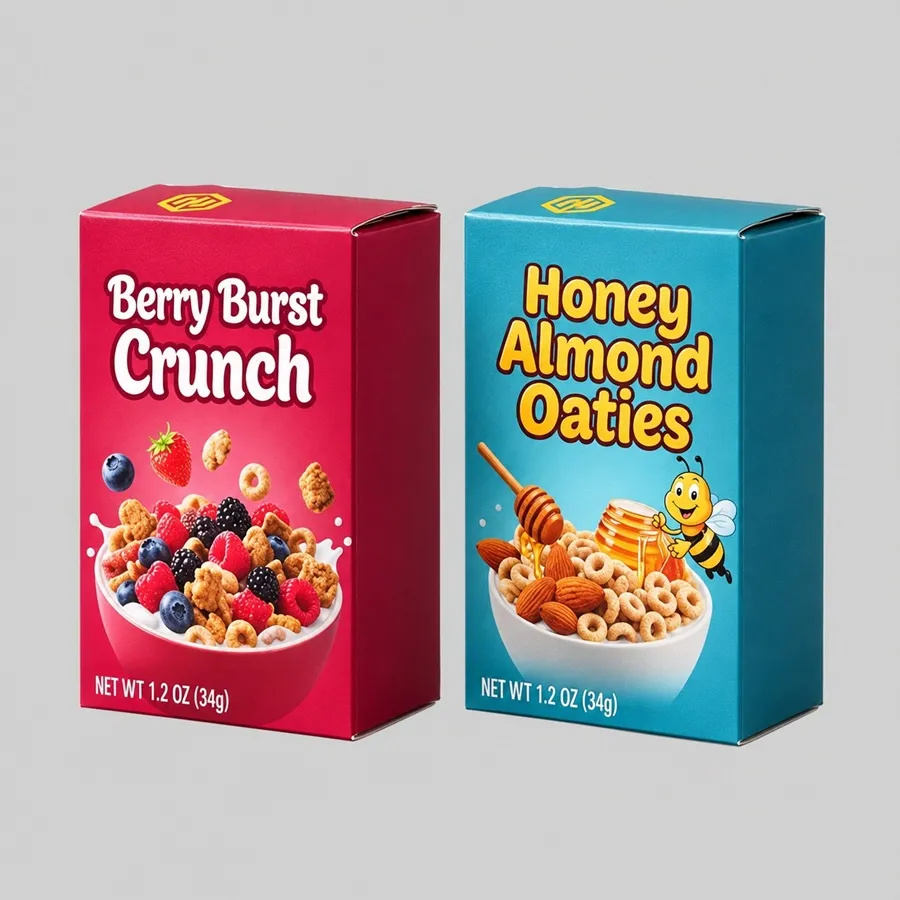
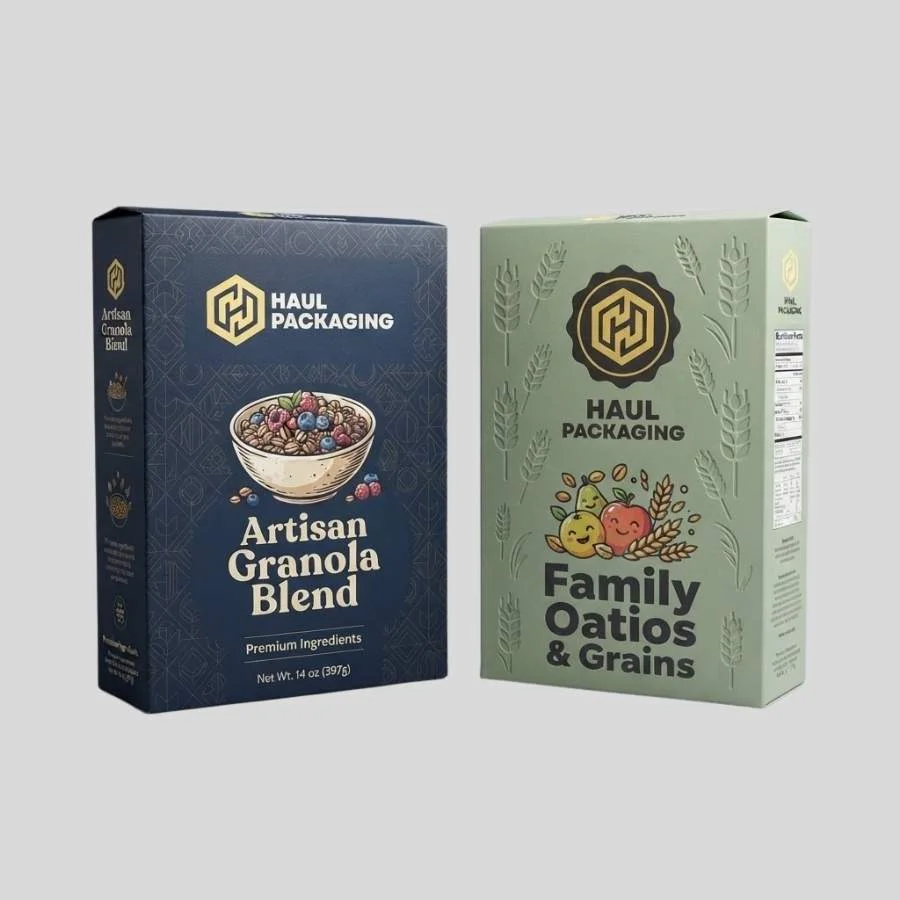
Looking for cereal boxes that fit your brand and meet your sustainability goals? We help you create custom recyclable cartons tailored to your product and packaging needs. Choose from a range of paperboard materials, sizes, and finishes. You can add your artwork and select coatings or windows, but be sure to consider how these features affect recyclability in your area. Whether you need packaging for retail shelves or a special promotion, just let us know your box size, order quantity, and design details. We’ll walk you through your options and provide a custom wholesale quote.
Trusted Payment Methods



No Die & Plate
Charges

Quick turnaround
time

Free & Shipping

Starting from
50 boxes

customize size
& style

free graphics
designing
- Details
- Specifications
What Makes a Cereal Box Recyclable?
A cereal box might appear to be just a plain old paperboard box, but its recyclability is going to be affected by several things other than the outer material itself. Coatings, plastic windows, adhesives, and food carryover are all factors that will influence how the recycling system deals with the box when it's finished.
Recyclable cereal boxes are packaging cartons made from materials that a recycling program can collect and process. Whether a box is recyclable depends on its construction and the local recycling scheme.
For any business looking at the use of cereal packaging, this raises a very pertinent question: how do you go about producing a practical and appealing carton while at the same time making sensible choices about the materials you use?
Start With the Finished Package, Not Just the Raw Material
A paperboard supplier might say their board is recyclable, but that doesn't necessarily mean that every finished packaging configuration is recyclable.
A plain-printed folding carton and one with a big plastic window may well have quite different recycling implications.
Before making any environmental claim about the finished box, you must consider the paperboard, coatings, adhesives, windows, and any other components.
Choosing Paperboard for Custom Recyclable Cereal Packaging
The first consideration is the board itself. It has to support the product, be able to fold into the required shape, take the printing that's intended, and work with the packaging application that's planned.
Haul Packaging's listed materials are kraft, cardstock, bux board, fancy cardstock, and E-flute corrugated.
Paperboard and Cardstock
Paperboard is used extensively for retail folding cartons (think of the myriad of cereal type packages).
It has a smooth surface, which can take printed branding, product information, illustrations, and labelling. The correct grade and caliper will, of course, be dependent on the size, the method of filling, and the weight of the contents.
For the familiar retail carton, look, paperboard could be a good point of departure.
Kraft Paperboard
Kraft stock has that very distinct natural paper look and is ideal with minimal graphics, simple type, or darker printed artwork.
Kraft paper may look the part, but that doesn't prove it's made from recycled fibers, is compostable, or is lower impact than some other material.
Ask about the particular board grade, the recycled content (if that's an issue), and the appropriate printing treatment before you go for it.
Recycled-Content Paperboard
Recycled content is recovered material that is used to make a product.
Recyclability is the term used to describe whether or not there are appropriate recycling systems in place to collect and process the finished product.
A package can contain recycled fibers and yet still not be recyclable in the finished product. The same applies to a recyclable paperboard package, which doesn't necessarily contain post-consumer recycled material.
Corrugated Board
E-flute corrugated board has a fluted structure, which is different from conventional flat paperboard.
Think of it for applications where you need extra stiffness or extra cushioning. Cereal-type retail cartons don't necessarily need to be corrugated.
Can Printing and Finishing Affect Recyclability?
Yes, some decorative treatments and combined materials can affect whether recyclers will accept them and how they will process them.
Printing Without Overcomplicating the Package
Haul Packaging has CMYK, PMS, and screen printing options.
CMYK can handle multicolor illustrations, photographs, and the kind of detailed packaging you'd see on a cereal box. PMS colors can be used where you need to specify a particular brand color.
Gloss, Matte, and Spot UV Coatings
The current spec is gloss, matte, and spot UV.
These coatings can affect the appearance and surface characteristics of the package, but whether they are suitable for recycling depends on the formulation and the finished package.
A matt surface is no more recyclable than a gloss surface.
Plastic Windows, Foil, and Specialty Effects
Window cutouts and decorative finishes can be a useful way of improving the retail presentation. They do, however, bring in several extra considerations.
For example, a carton with a PVC window will have a plastic component, which may need to be separated out and assessed as part of the overall packaging structure.
Also look at foiling, lamination, and all the other treatments before making any assertions about recyclability.
Food Packaging: The Difference Between the Outer Carton and Inner Bag
A cereal box is frequently used as an outer carton around a sealed inner pouch. The various components serve different functions.
The paperboard carton provides the structure, the printed information, and the presentation. The inner package will provide the necessary barriers (against moisture, oxygen, etc.) as required by the food.
Packaging for Sealed Cereal Products
If the cereal is packed in a separate inner bag, the carton should be sized around the filled bag and designed for the packing and handling process.
Verify that the carton has sufficient space for the product, for the labelling, and for the closure.
Direct Food Contact Requires Verification
Not every paperboard, printing ink, coating, or adhesive is suitable for direct food contact.
If the cereal or other food product is going to be in contact with the carton itself, then you need to ask for the appropriate food contact information for that application.
Packaging Information Customers Can Understand
Clear disposal instructions are actually more useful than any number of environmental slogans.
If it's verified for the finished package and for the target market, then the packaging information will allow the paperboard carton to be distinguished from any inner liner.
Don't make statements like "100% recyclable everywhere" unless you can fully back that up.
Custom Sizes, Artwork, and Wholesale Ordering
A packaging specification should be designed to serve the product. Material is, of course, important, but if you've got the wrong-sized carton, you're going to create all sorts of problems down the line in filling, packing, and display.
Match the Box to Your Product
- The width, height, and depth of the packed product
- The shape of any sealed inner bag
- The weight the carton needs to accommodate
- Top and bottom closure requirements
- Available printing area for branding and labels
- Storage, handling, and display arrangements
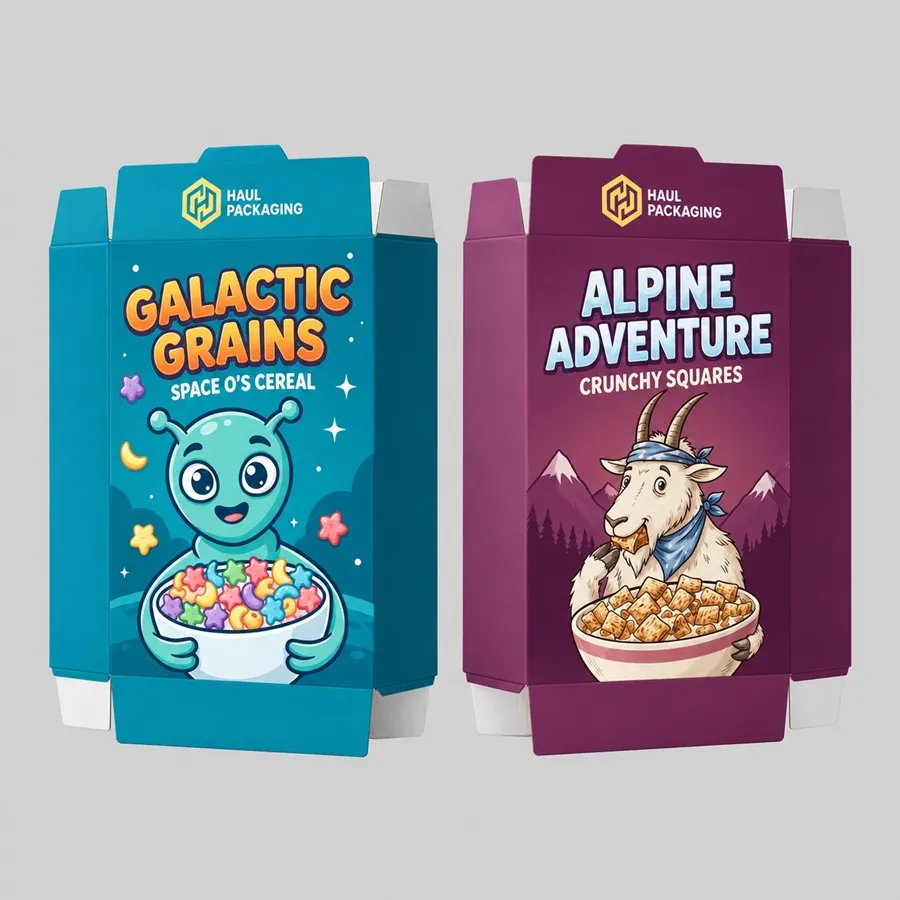
A dieline shows you how the finished panels, the folds, and the glue areas all relate to each other.
What Affects Wholesale Pricing?
- Order quantity
- Finished dimensions and carton structure
- Paperboard grade and thickness
- Printing colors and artwork variations
- Coatings and specialty finishes
- Proofing and sampling needs
- Delivery requirements
Prepare a Clear Packaging Request
To look at custom recyclable cereal boxes, you'll need to provide the required size, quantity, product type, and preferred material.
If your business has a target for recycled content or specific recycling requirements, then you'll need to include those details.
Can recyclable cereal boxes have custom printing?
Are kraft cereal boxes always recyclable?
Are recyclable cereal boxes biodegradable or compostable?
Can the boxes include a plastic window?
Can these boxes be used for food packaging?
Request a Quote for Recyclable Cereal Boxes
Choosing paperboard packaging is a balancing act between the product's physical requirements, the printed presentation, and the end-of-life considerations.
Haul Packaging provides custom cereal box material, size, and printing options for businesses looking at retail packaging and branded cartons.
| Dimensions | All Custom Sizes, Shapes and Styles. |
| Printing | CMYK, PMS, Screen Printing, No Printing |
| Paper Stock | 10PT to 28 PT (60lb to 400 lb) Eco Friendly Kraft Stock, E-Flute Corrugation, Bux Board, Cardstock, Fancy Cardstock. |
| Quantity | 50 - 500,000 |
| Coating | Gloss, Matte, Spot Uv |
| Default Process | Die Cutting, Gluing, Scoring, Perforation |
| Options | Custom Window Cut Out, Gold/Silver Foiling, Embossing, Raised Ink, PVC Sheet. |
| Proof | Flat View, 3D Mock-up Physical Sampling, (On Request) |
| Turn Around Time | 4-6 Business Days, Rush Production Plans. |
| Shipping | Free Shipping. |
| Delivery Courier | FedEx Express Shipping, DHL, UPS, Skynet! |
FAQs
-
What is the difference between a recyclable and a compostable box? Recyclable boxes are collected and processed into new paper products, while compostable boxes break down into organic matter in a composting facility. We offer both types of boxes and can guide you toward the most sustainable option for your brand.
-
Can I have a custom design on my recyclable boxes without it making the package non-recyclable? You can indeed. Our environmentally conscious printing processes utilise soy-based and water-based inks that do not affect the package's recyclability. Your custom artwork will appear vibrant while maintaining your box's recyclability.
-
How will your boxes help minimise our brand's carbon footprint? Since the material used in our recycled boxes requires less water and energy to produce when compared to virgin paper, your brand will be using much less overall when it chooses our packaging solutions. Combining these eco-conscious production methods with support for sustainable forestry substantially reduces your brand's carbon footprint.
-
What kind of material are standard recyclable cereal boxes usually made from? Typically, cereal boxes are made from paperboard (or boxboard), a paper-based material widely used for packaging dry food.
-
What benefits are there to using paperboard for cereal packaging? Paperboard is both lightweight and easy to print on; it is one of the most commonly used substrates for producing folding cartons for dry-food packaging, including cereal boxes.
-
Can custom designs and branding be printed on recyclable cereal boxes? Certainly, logos, product details, designs, marketing materials, and nutritional information can be printed directly on the packaging itself.
-
Does Haul Packaging assist with package design? Absolutely. Our knowledgeable design team can provide comprehensive assistance with package layout, artwork creation, and optimisation of print-ready files.
-
Why is Haul Packaging the right choice for recyclable cereal boxes? Haul Packaging offers highly customizable, modern packaging solutions and premium printing methods, available in a variety of flexible sizes and recyclable paperboard packaging, ideal for modern food brands.

Premium Finishes
Haul Packaging provides a range of high-quality finishings, including as foil stamping, glossy or matte coatings, embossing, and soft-touch finishes, to improve the visual attractiveness of packaging. These finishes have the power to increase a product's perceived worth and make it stand out on retail shelves.
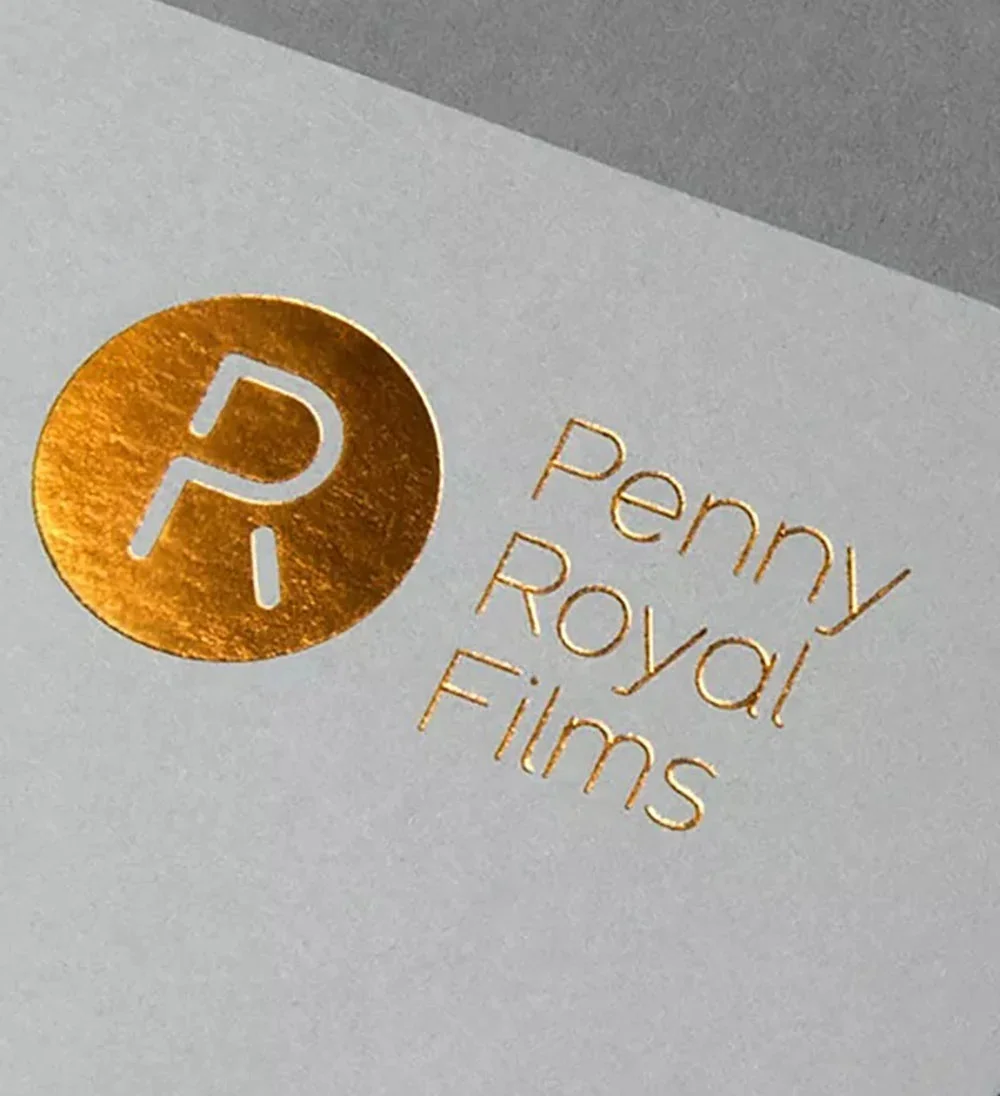
Copper Foiling
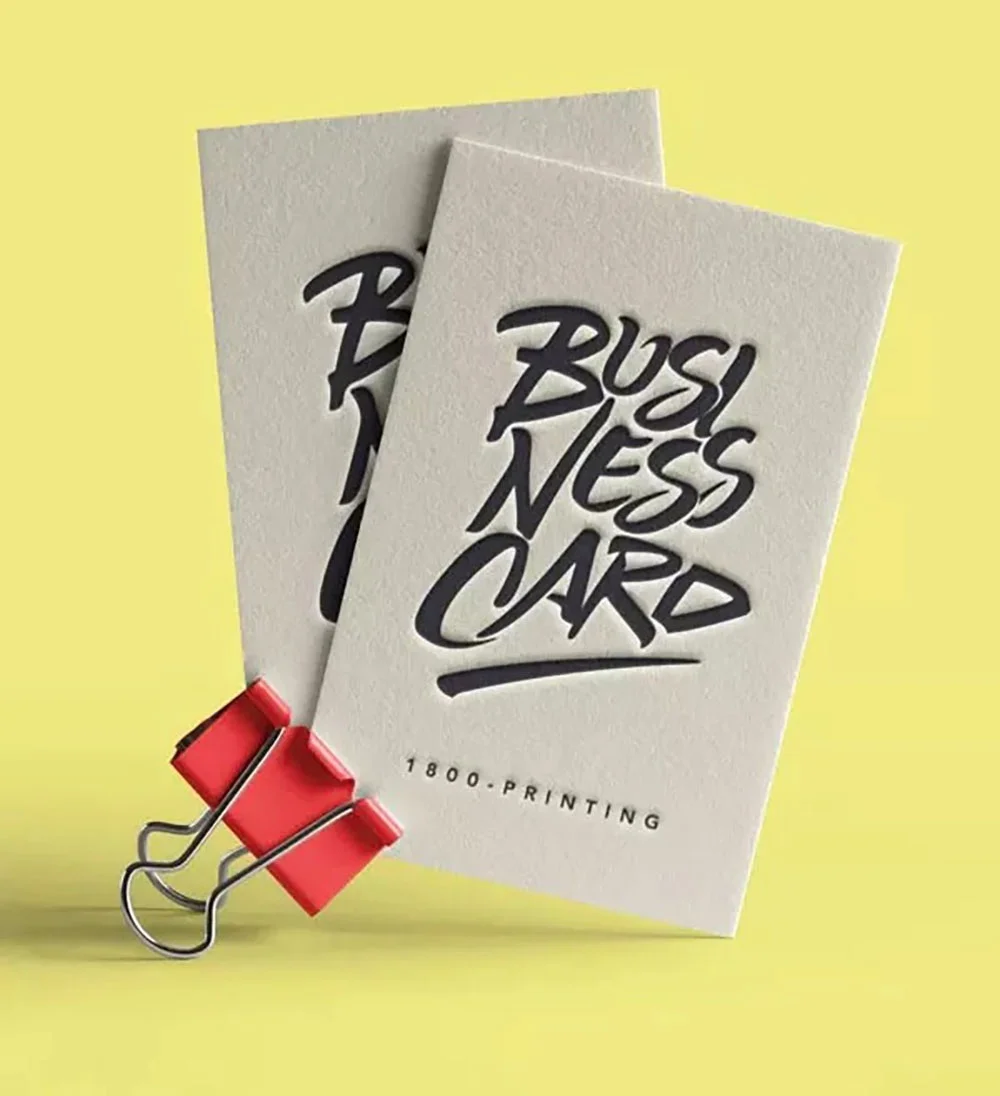
Debossing
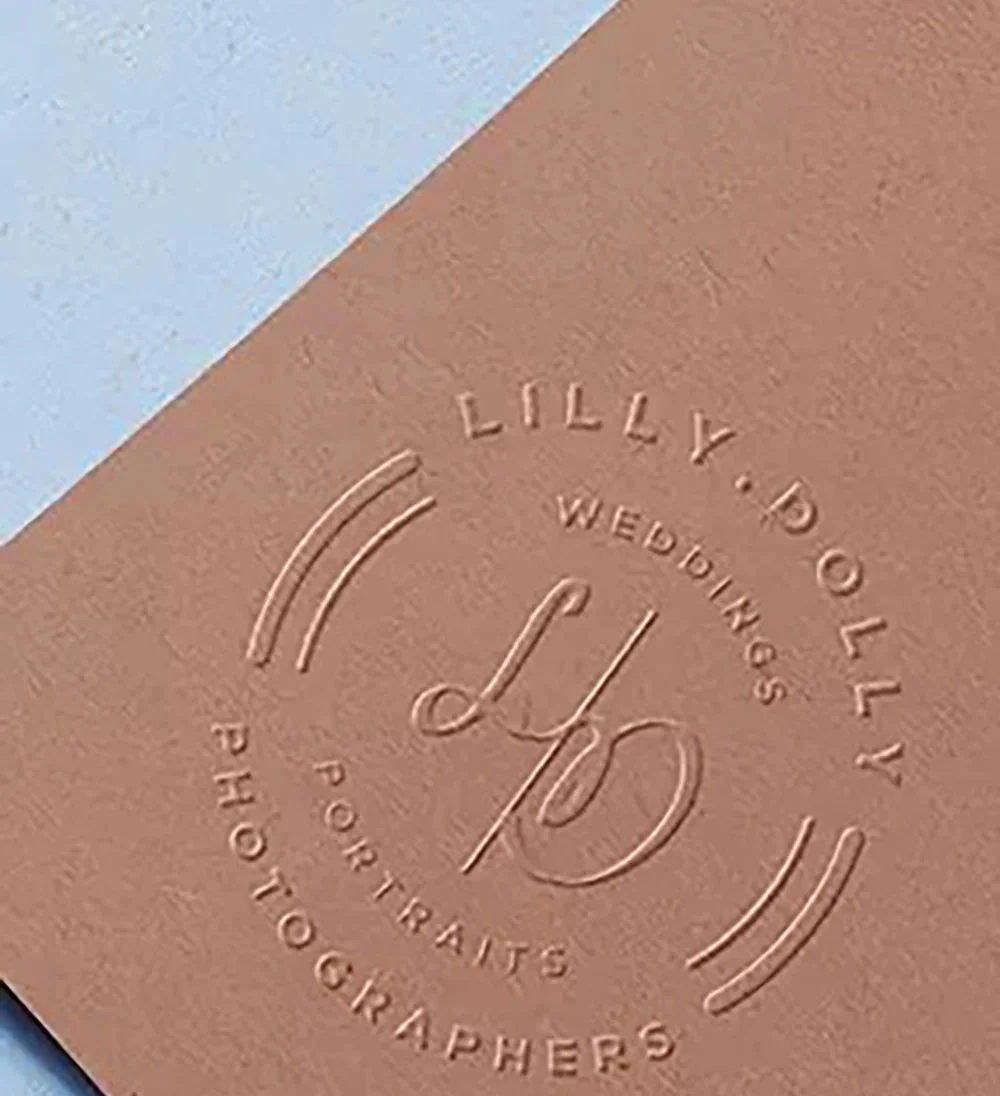
Embossing
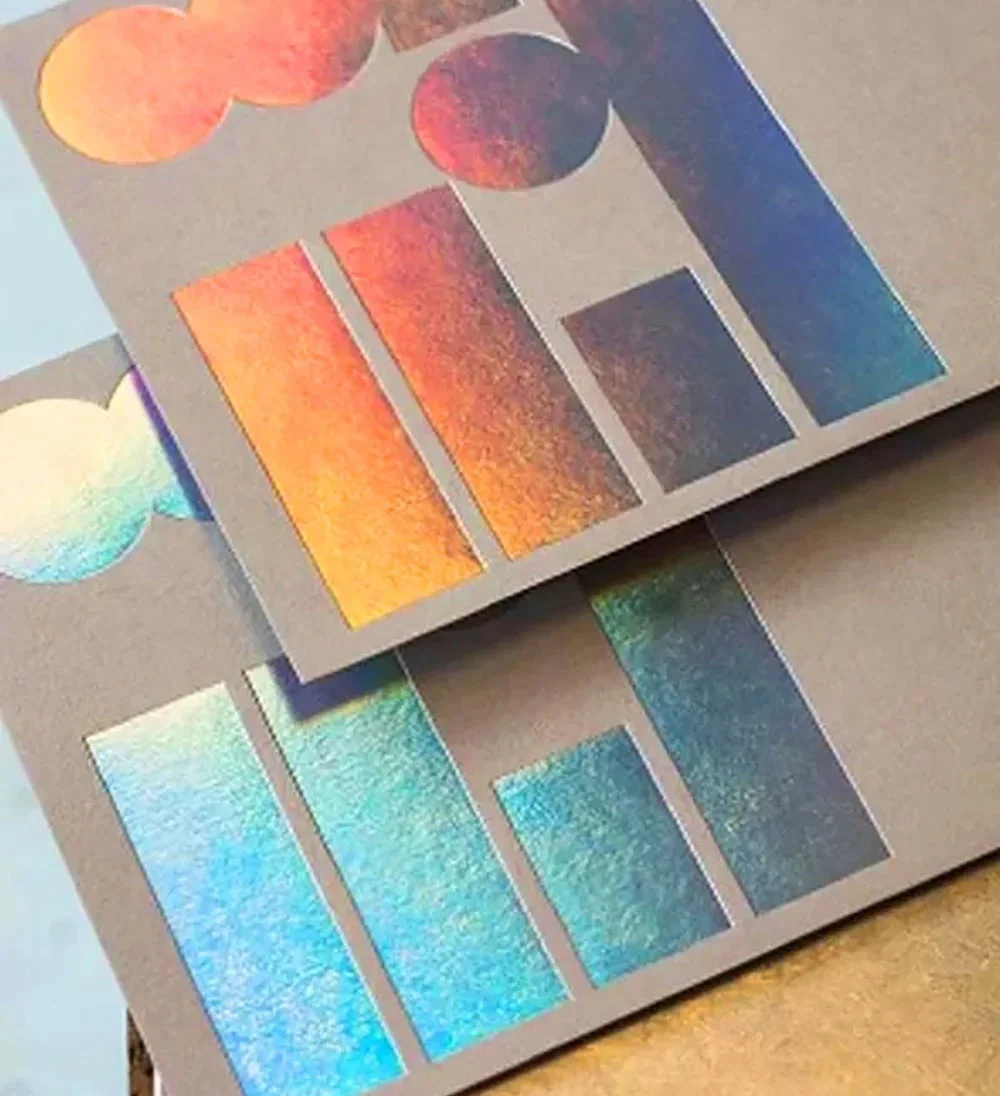
Holographics foiling
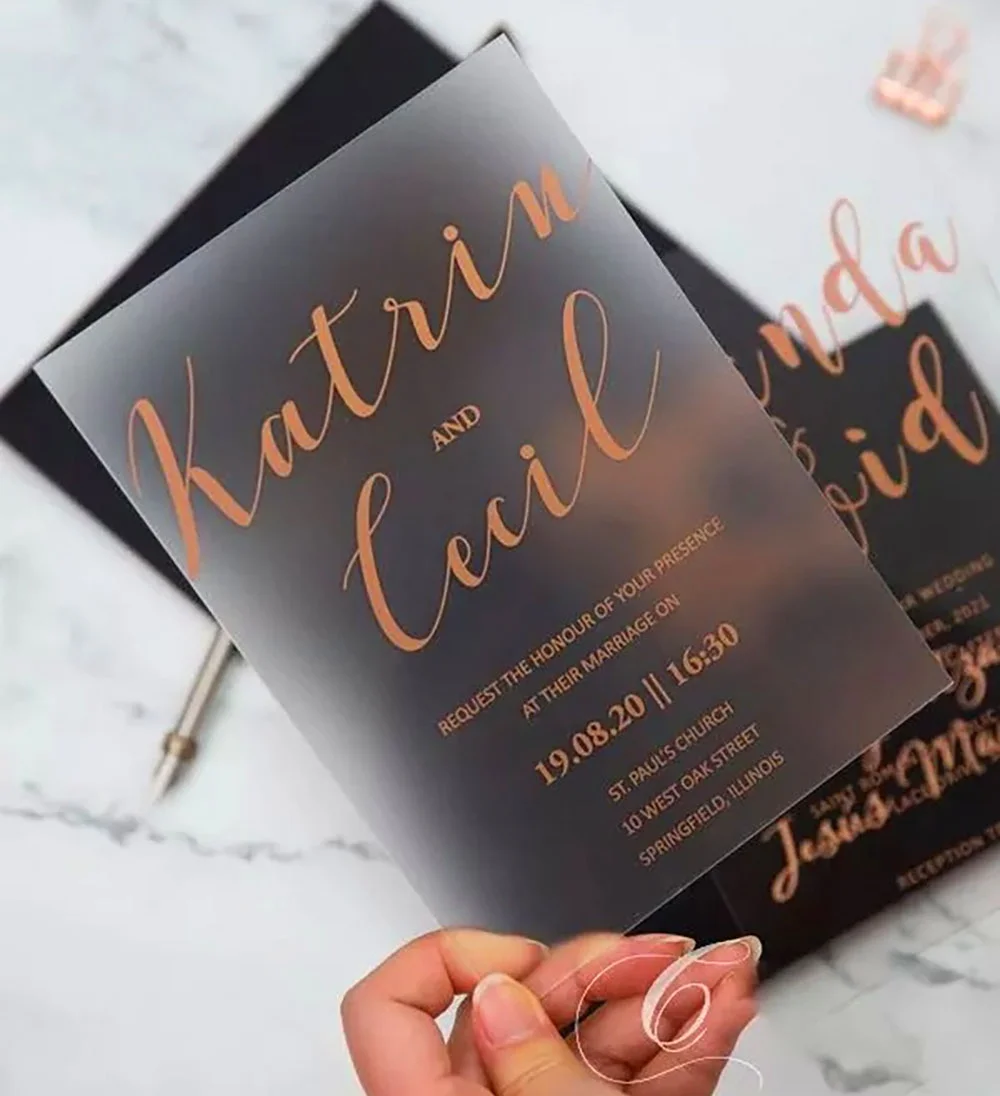
Rose Gold
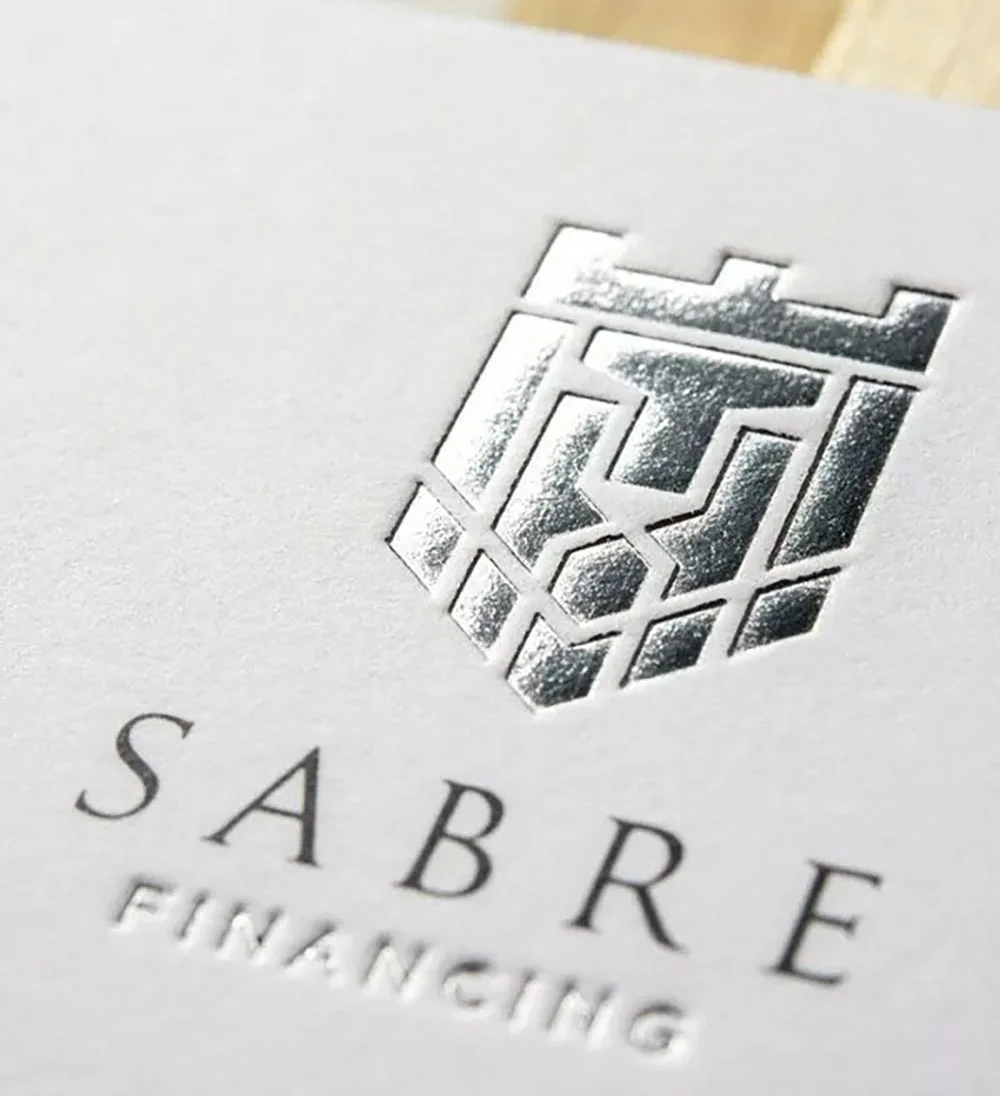
Silver Foiling
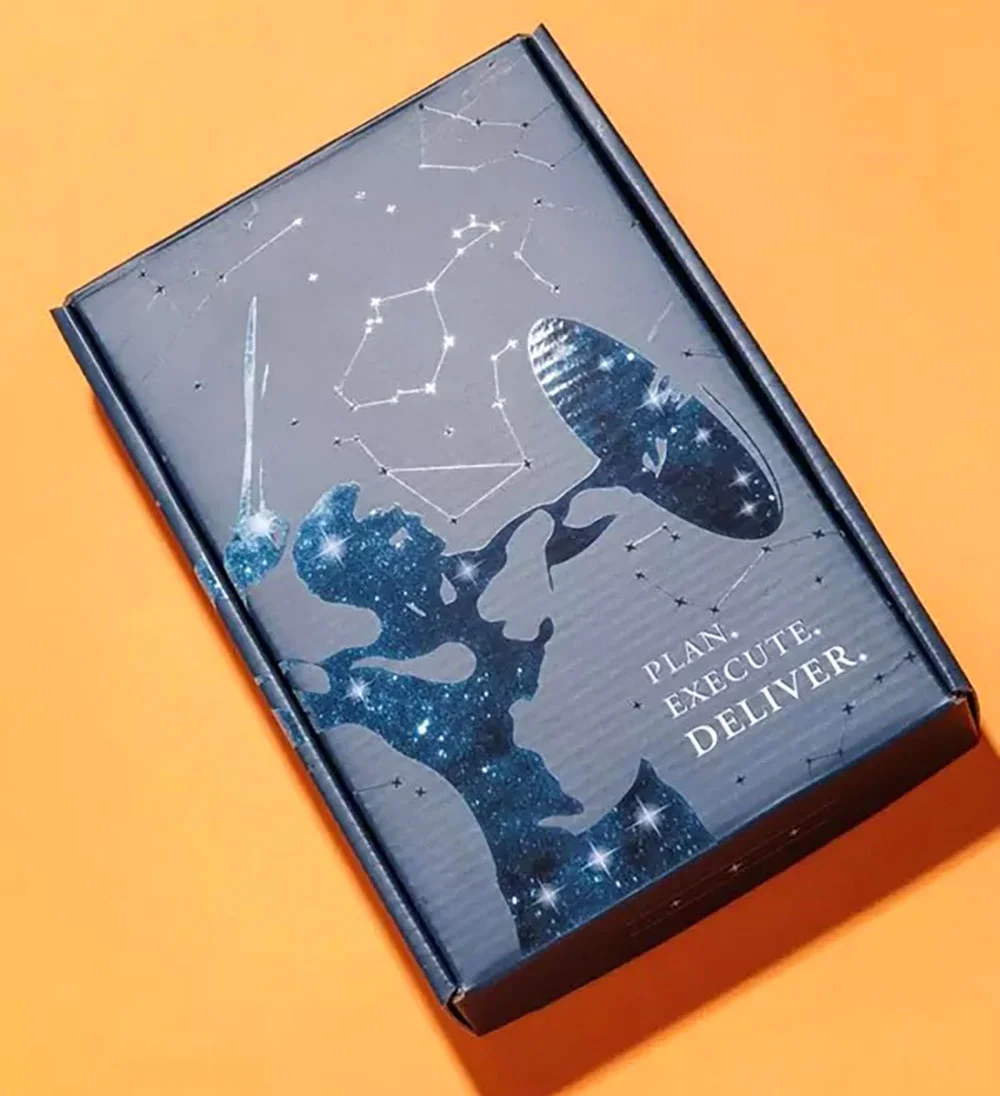
Spot UV
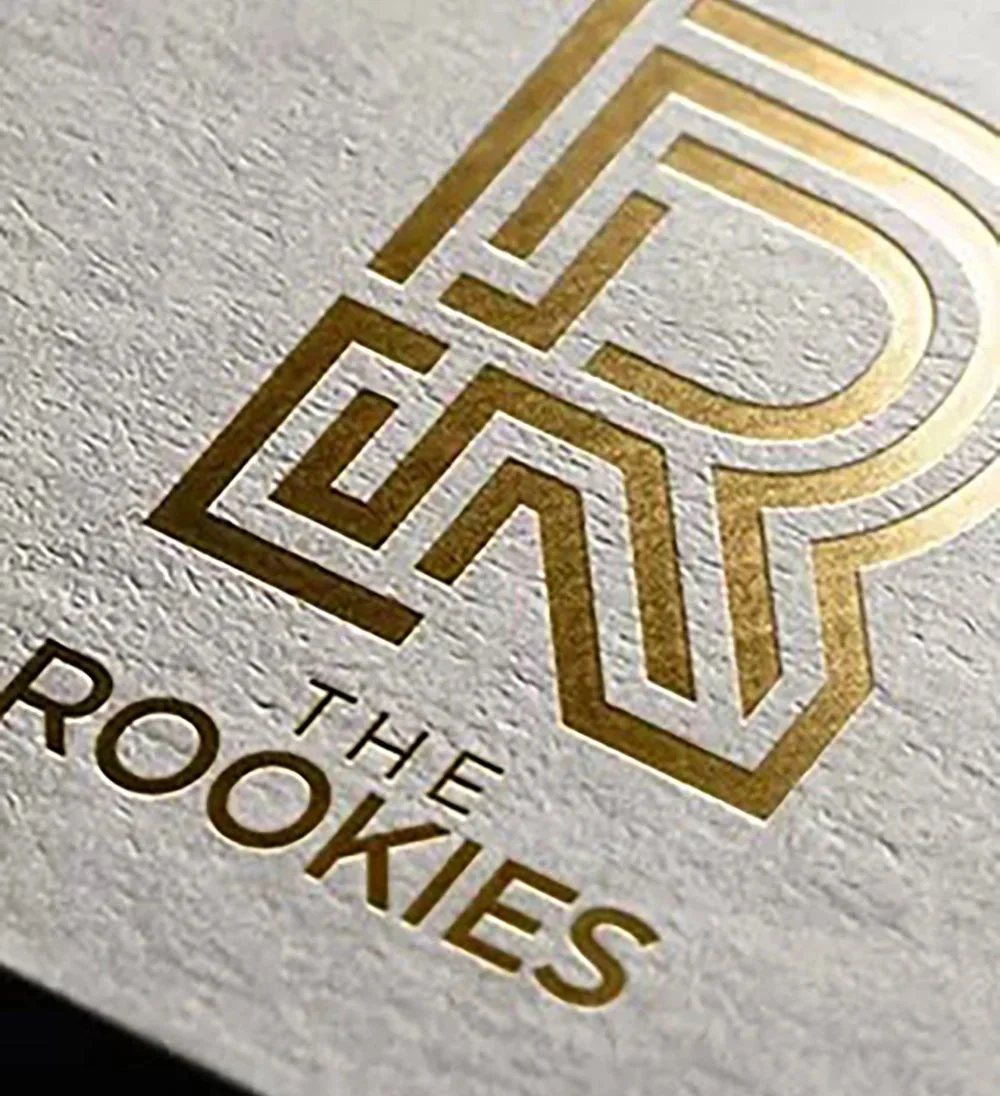
The Rookies
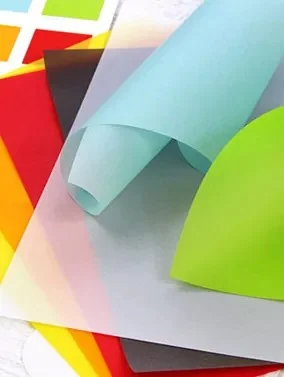
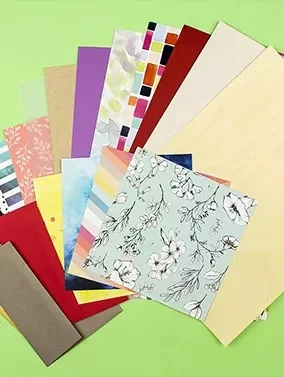
Card Stock Options
Haul Packaging provides a large selection of card stock types to meet various needs for packaging. You may give your box an adorning appearance and feel by selecting from a range of cardstocks with varying thicknesses, textures, and colors. The card stock selections for Haul Packaging are of excellent quality and longevity, guaranteeing that the packaging not only looks fantastic but also protects the contents within.
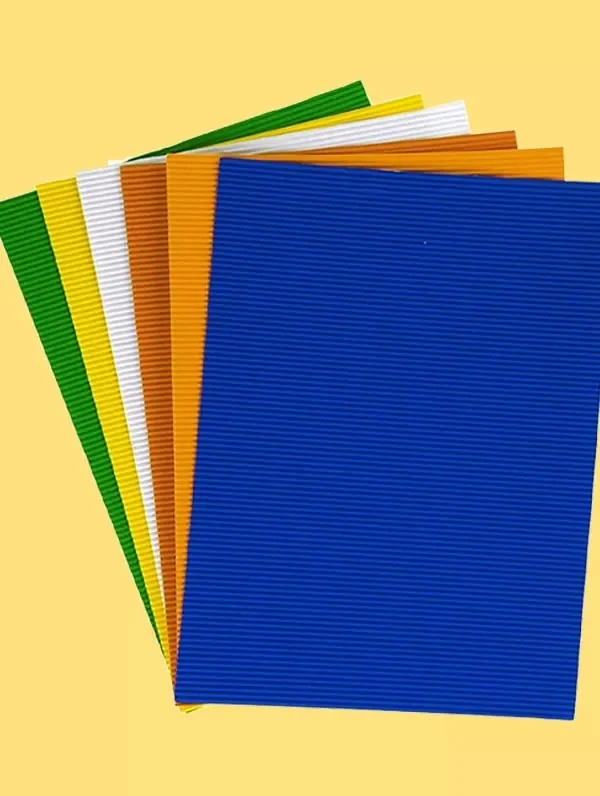
Corrugated
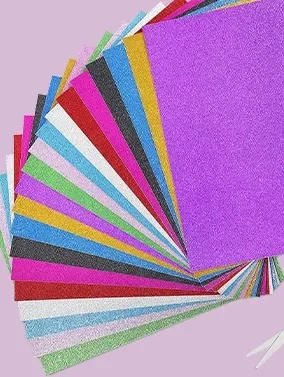
Glitter
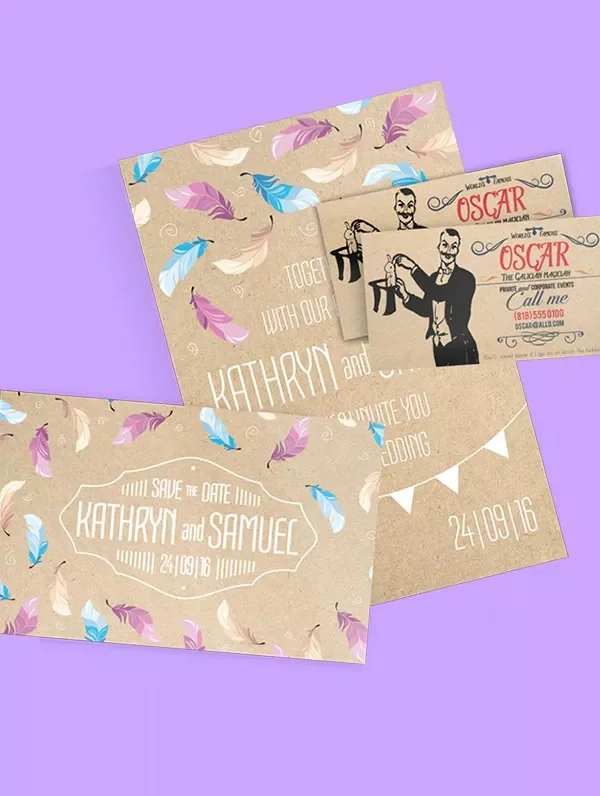
Kraft
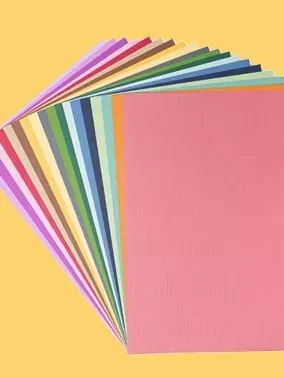
Matte
Textured