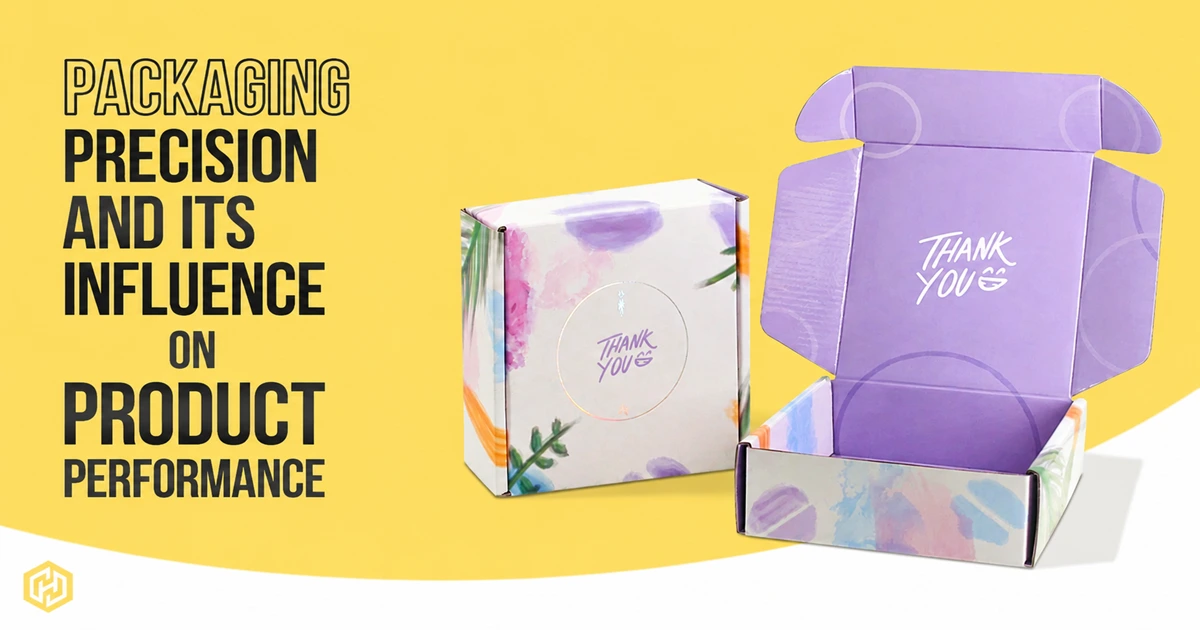
Packaging Precision and Its Influence on Product Performance
In product-based industries, performance does not end at manufacturing. It extends into storage, shipping, shelf placement, and finally, customer handling. Many businesses focus heavily on product development while underestimating the structural role packaging plays in overall performance.
Packaging precision directly affects product safety, operational efficiency, and brand reliability. When packaging is designed strategically rather than selected generically, it becomes a measurable contributor to business success.
One of the most practical solutions for achieving this precision is using custom cardboard boxes designed around actual product specifications.
Engineering Fit Instead of Forcing Adjustment
A common issue in distribution systems is “forced fit” packaging. Products are adjusted to fit available box sizes instead of engineering the box for the product. This leads to wasted space, excessive filler materials, and inconsistent stacking.
Precision packaging eliminates these inefficiencies. When dimensions closely match product measurements, movement during transit is reduced. Structural stress is evenly distributed, lowering the risk of dents or internal damage.
Custom cardboard boxes allow businesses to control depth, width, board grade, and reinforcement points. This level of detail supports performance consistency across shipping cycles.
Warehouse Optimization Through Standardization
Operational efficiency begins inside the warehouse. When packaging sizes vary unpredictably, storage planning becomes complicated. Shelving systems cannot be optimized, and picking processes slow down.
Standardized packaging creates order within inventory systems. Uniform box dimensions improve pallet configuration and stacking strength. It also simplifies training for warehouse staff, reducing packing errors and time loss.
Over time, even small improvements in packing speed and space utilization create significant operational gains.
Minimizing Damage and Returns
Returns are costly not just financially but reputationally. Customers rarely separate packaging failure from product quality. If an item arrives damaged due to poor structural support, the brand absorbs the negative perception.
Cardboard packaging, when engineered properly, provides strength without unnecessary weight. Depending on product needs, brands can incorporate reinforced fluting, double-wall construction, or tailored internal supports.
Custom cardboard boxes reduce reliance on excess void fillers and lower the probability of compression damage during transit. Fewer damaged shipments mean fewer complaints and stronger customer retention.
Dimensional Efficiency and Shipping Economics
Shipping carriers calculate charges based on dimensional weight and actual weight. Oversized boxes inflate shipping costs, particularly for lightweight products.
Precision sizing directly improves shipping efficiency. By eliminating unnecessary air space, businesses reduce volumetric weight charges and maximize pallet density for bulk transport.
For companies shipping high volumes, dimensional efficiency contributes to long-term cost control without sacrificing protection.
Sustainability Through Smarter Design
Sustainability is increasingly integrated into procurement and distribution strategies. Businesses are expected to reduce waste and use recyclable materials whenever possible.
Cardboard remains one of the most accepted packaging materials from an environmental standpoint. When tailored correctly, it reduces material waste while maintaining structural integrity.
Custom cardboard boxes further enhance sustainability by minimizing excess packaging. Right-sized solutions require fewer fillers and reduce overall material consumption.
This practical approach supports environmental responsibility without disrupting operational workflows.
Branding Without Excess Complexity
Effective packaging communicates professionalism without unnecessary decoration. Clean design, consistent printing, and structural reliability speak louder than elaborate finishes.
Cardboard surfaces provide flexibility for subtle branding applications, logos, handling instructions, or minimal graphics without overwhelming the design. Consistency across shipments builds recognition and trust.
Customers may not analyze these elements directly, but repeated exposure to stable and well-presented packaging reinforces brand credibility.
Scaling Operations With Structural Consistency
As businesses grow, packaging inconsistencies can create operational bottlenecks. Sudden shifts in box sizing or material quality disrupt supply chains and inventory planning. Consistent packaging specifications enable smoother scaling. Production runs become predictable, storage planning improves, and supplier coordination strengthens.
Custom cardboard boxes designed with growth in mind prevent the need for frequent redesigns or emergency sourcing changes.
Risk Management Through Packaging Standards
Packaging also supports compliance and liability management. Proper labeling surfaces, structural durability, and standardized dimensions support regulatory alignment and safe handling procedures.
In industries where product integrity is critical, packaging precision reduces risk exposure. Clear handling instructions and consistent box performance contribute to safer transport conditions.
Businesses that treat packaging as a controlled system rather than a variable expense tend to maintain stronger operational stability.
Strategic Advantage in Competitive Markets
Competitive markets reward consistency. Customers gravitate toward brands that deliver reliable experiences. Custom Packaging contributes significantly to that reliability.
When shipments arrive intact, neatly presented, and structurally sound, confidence increases. Confidence drives repeat purchases and positive referrals.
Custom cardboard boxes support this reliability by aligning physical packaging with operational standards and brand expectations.