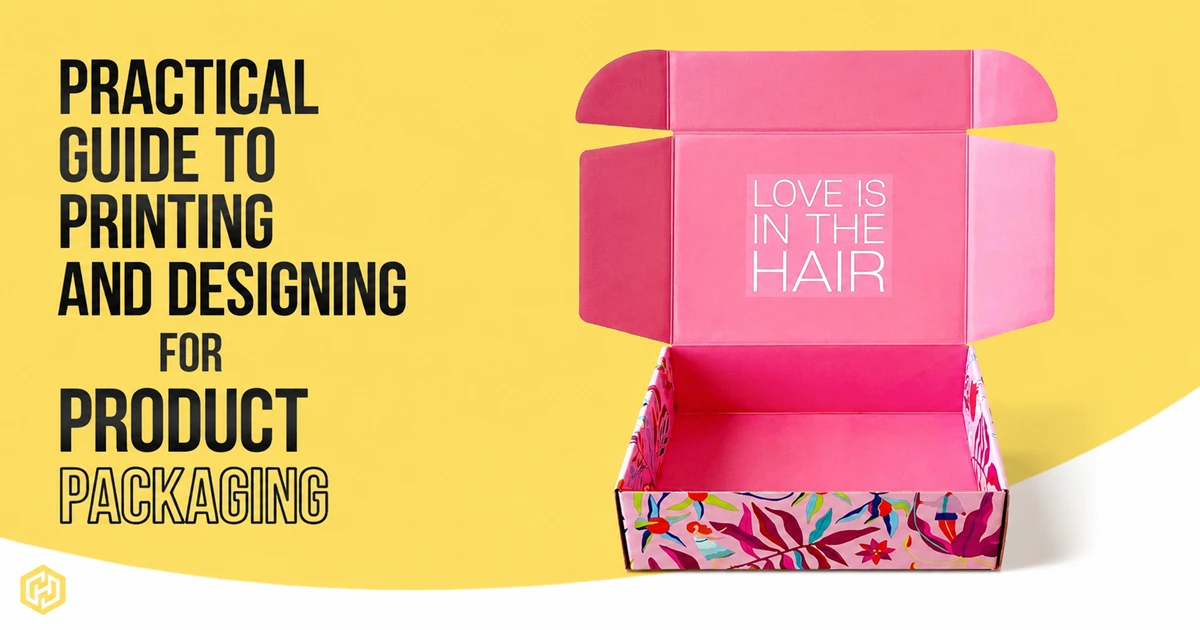
Practical Guide to Printing and Designing for Product Packaging
Packaging design is more than appearance. It is a technical process that connects branding, material performance, print compatibility, and cost efficiency. When done correctly, printed packaging strengthens recognition, communicates credibility, and supports long-term growth.
Businesses that approach packaging design strategically avoid common mistakes such as overcrowded layouts, low-resolution printing, or material mismatches. A structured design approach ensures that the final box performs well both visually and operationally.
This guide outlines the essential considerations when printing and designing on cardboard packaging.
1. Start With Structural Design Before Visual Design
Before focusing on graphics, finalize the box’s physical structure. Dimensions, folding patterns, flaps, and load-bearing areas all affect where and how printing should be placed.
Designing graphics without considering die-lines often leads to:
- Logos cut across folds
- Text hidden under flaps
- Misaligned branding
When working with custom cardboard boxes, structural planning and graphic design must happen together. This ensures visual elements align properly once the box is assembled.
Always request accurate die-line templates from the packaging supplier before finalizing artwork.
2. Understand Printing Methods
Not all printing techniques produce the same results. The choice depends on order volume, design complexity, and budget.
Common printing methods for cardboard packaging include:
Flexographic Printing
- Cost-effective for large volumes
- Suitable for simple designs
- Works well with limited colors
Offset Printing
- High-quality image reproduction
- Ideal for detailed graphics
- Better for premium packaging
Digital Printing
- Flexible for smaller runs
- Faster setup time
- Good for customization or short campaigns
Each method influences cost structure and color precision. Selecting the right one ensures consistent brand representation.
3. Color Selection and Brand Consistency
Color accuracy is critical for brand recognition. Slight variations between production runs can weaken visual identity.
To maintain consistency:
- Use CMYK or Pantone color codes
- Avoid relying solely on screen previews
- Request physical print samples before full production
Cardboard absorbs ink differently depending on its surface finish. Natural kraft surfaces produce softer tones, while coated boards allow sharper, brighter colors.
Understanding how material interacts with ink prevents unexpected results.
4. Typography and Readability
Packaging often contains product details, instructions, and branding elements. Typography must remain legible even after folding and handling.
Key guidelines:
- Avoid placing small text near edges or folds
- Maintain sufficient contrast between text and background
- Use clean, professional fonts
Overloading the box with excessive text reduces visual clarity. Clear hierarchy improves readability and professionalism.
Well-designed custom cardboard boxes use minimal but purposeful typography to communicate effectively.
5. Surface Finishes and Protective Coatings
Protective finishes can enhance printing quality. These coatings improve appearance and protect against moisture, scratches, and fading.
Common finishing options include:
- Matte lamination for a soft, refined look
- Gloss coating for vibrant colors
- UV spot coating for highlighting logos
- Aqueous coating for light protection
The choice depends on brand positioning and shipping conditions. Protective finishes also extend shelf life in retail environments.
6. Balancing Design With Cost Efficiency
Complex designs often increase printing expenses. Multiple colors, heavy ink coverage, and special finishes raise production costs.
Efficient design strategies include:
- Using limited color palettes
- Prioritizing strong logo placement
- Avoiding unnecessary large solid ink areas
Simple designs often perform better for both cost and brand clarity. Professional packaging does not require visual overload.
Strategic design planning keeps custom cardboard boxes visually strong while remaining financially practical.
7. Sustainability Considerations in Printing
Sustainability extends beyond material choice. Printing methods and ink selection also impact environmental footprint.
Eco-friendly options include:
- Water-based inks
- Soy-based inks
- Reduced coating usage
- Minimalist print coverage
Designing with sustainability in mind improves brand credibility and aligns with modern consumer expectations.
Reducing unnecessary ink coverage also lowers production costs and improves recyclability.
8. Testing Before Mass Production
Even well-prepared artwork can produce unexpected results during printing. Always test before full-scale production.
Recommended steps:
- Review digital proofs
- Approve physical samples
- Inspect fold alignment and color accuracy
- Check barcode scannability
Testing prevents costly reprints and protects brand consistency.
For businesses investing in custom cardboard boxes, pre-production approval is essential for long-term quality control.
Final Considerations
Printing and designing packaging requires coordination between branding, structural engineering, and production logistics. Successful packaging communicates professionalism without overwhelming the customer.
When businesses approach packaging design as a structured process rather than a last-minute creative task, they gain control over cost, consistency, and brand identity.
Well-executed cardboard packaging becomes more than a container. It becomes a reliable extension of the brand’s operational and visual standards.