

In Stock
Cardboard Cereal Boxes
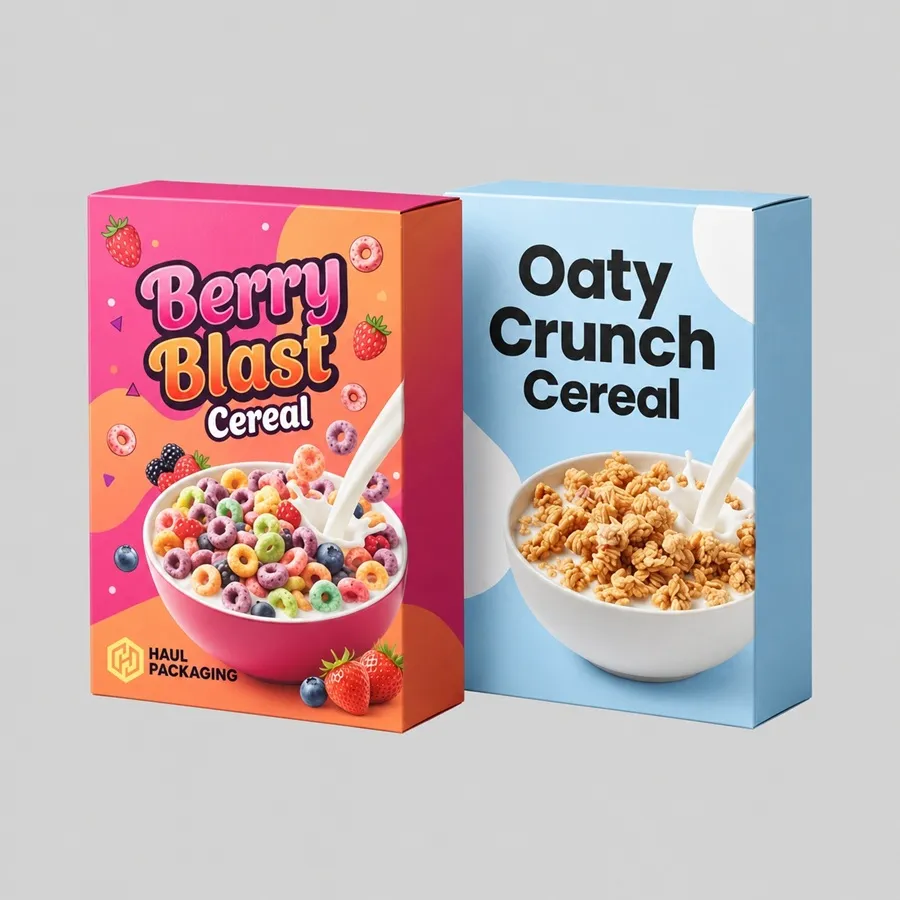
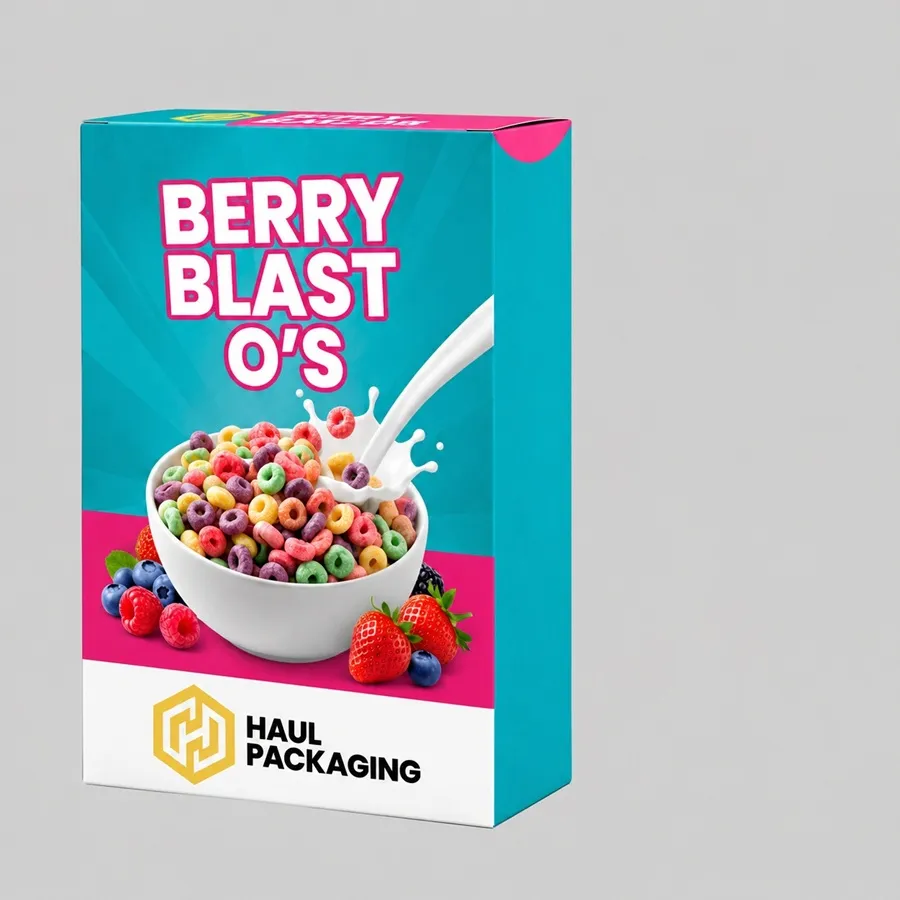
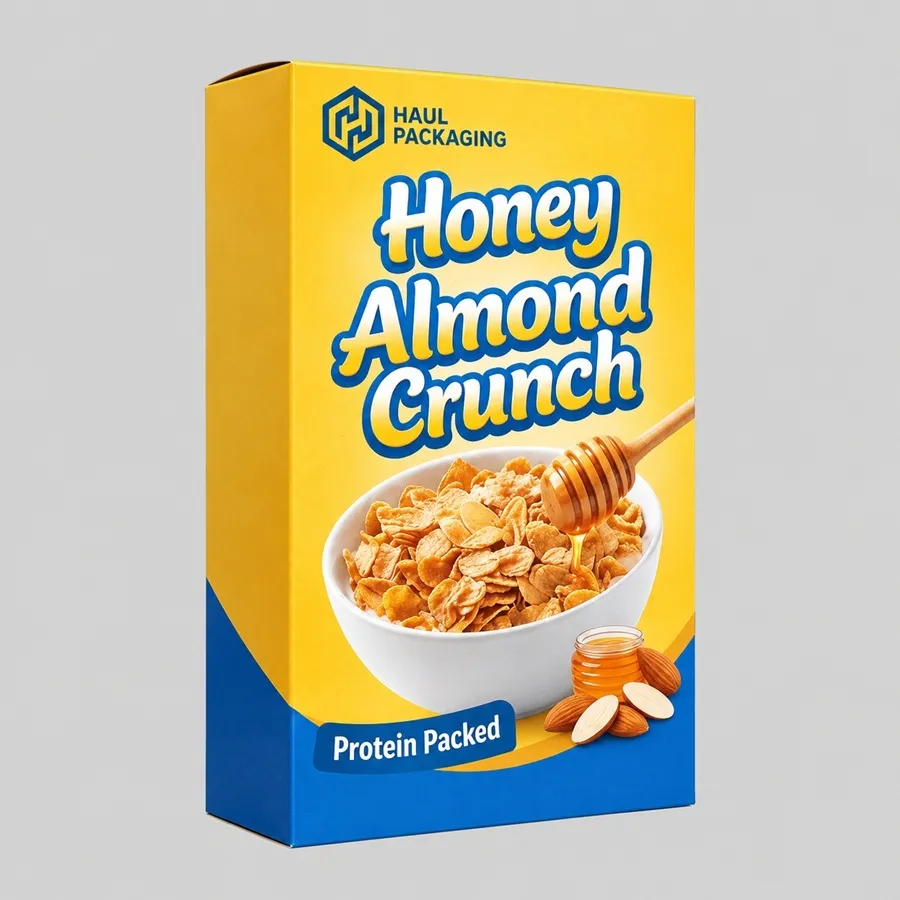
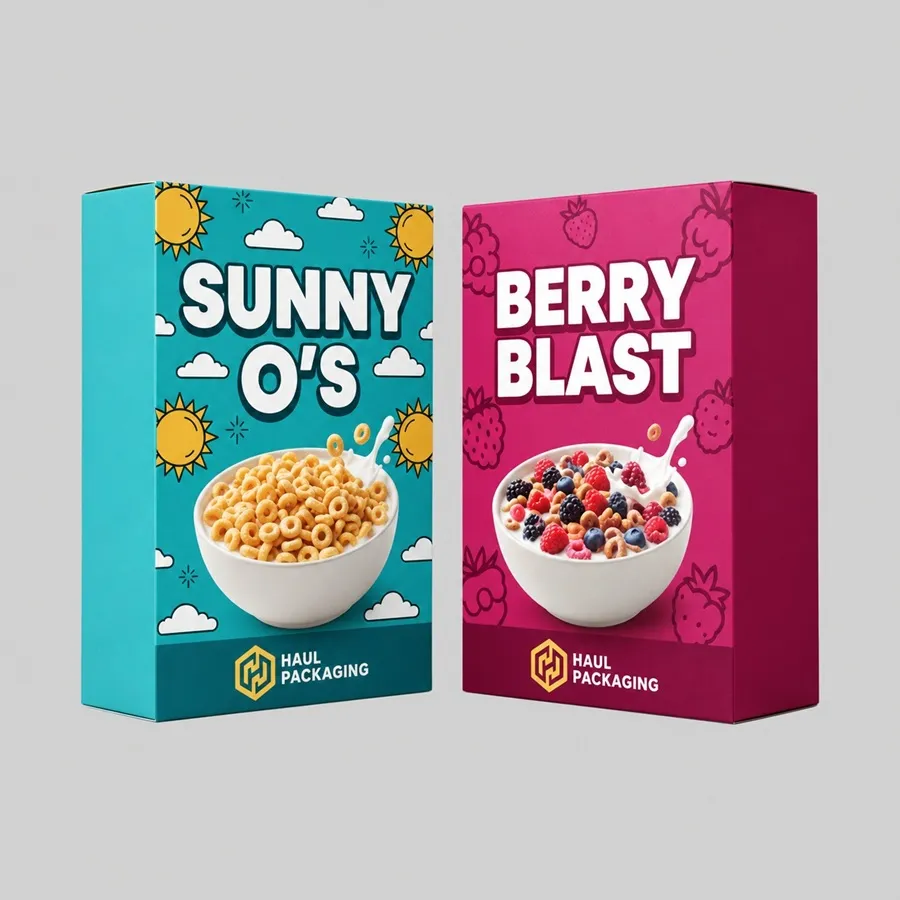
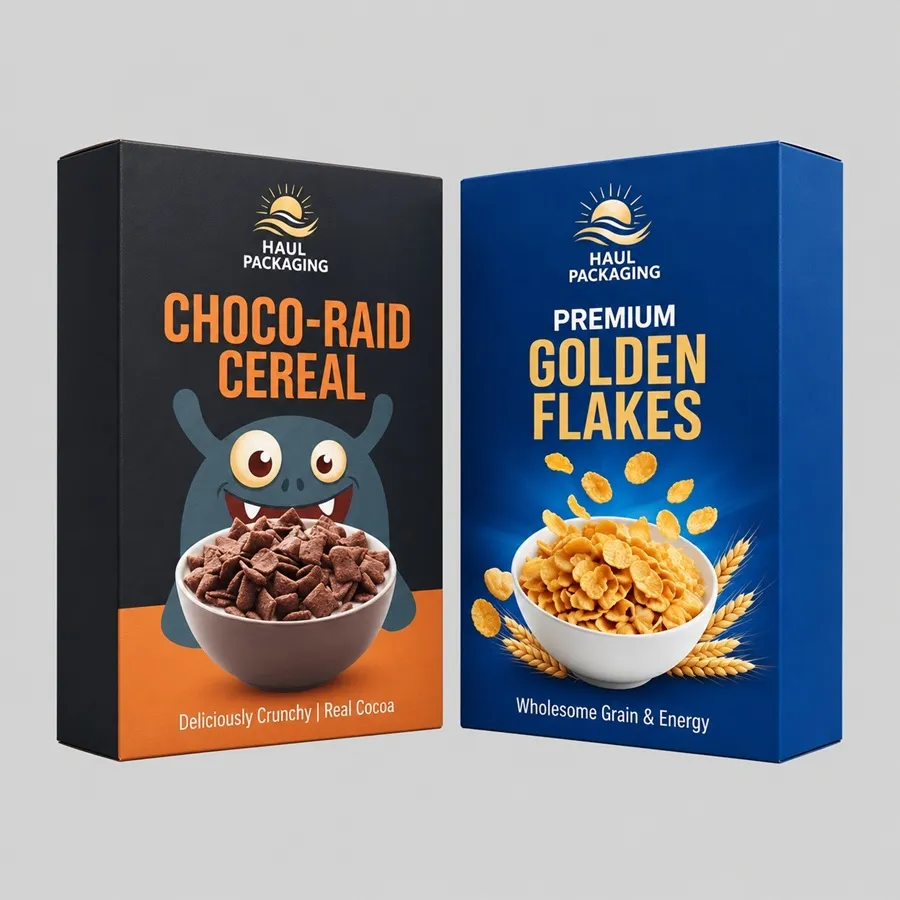
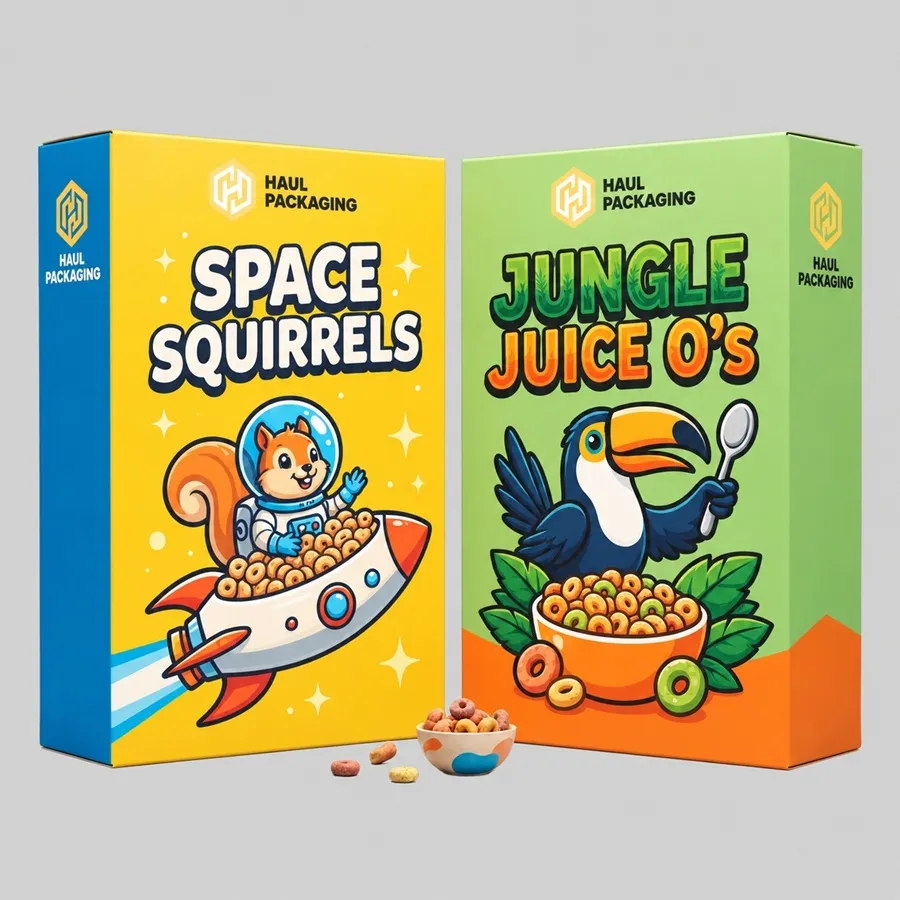
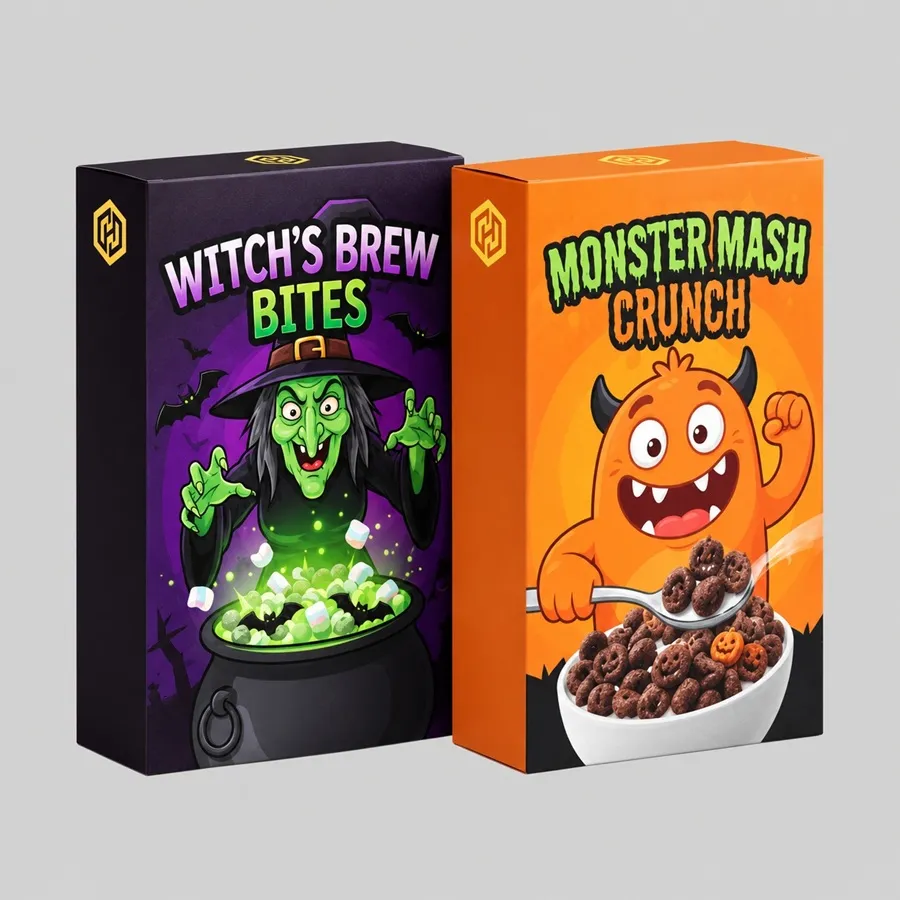
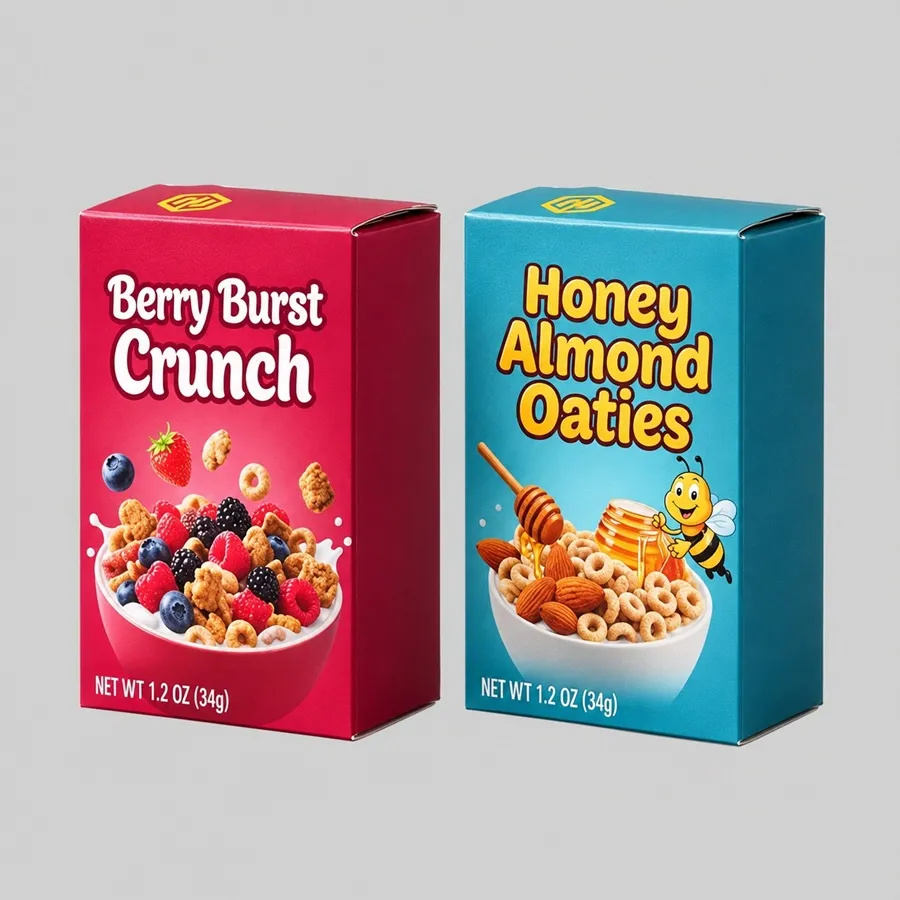
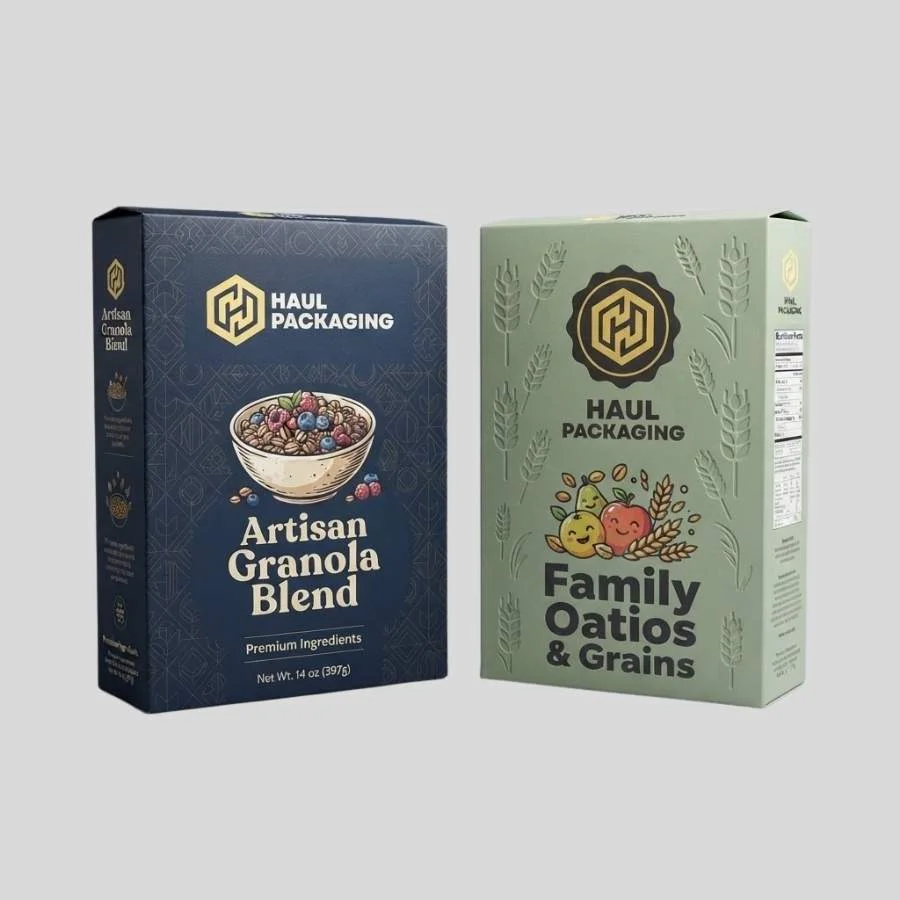
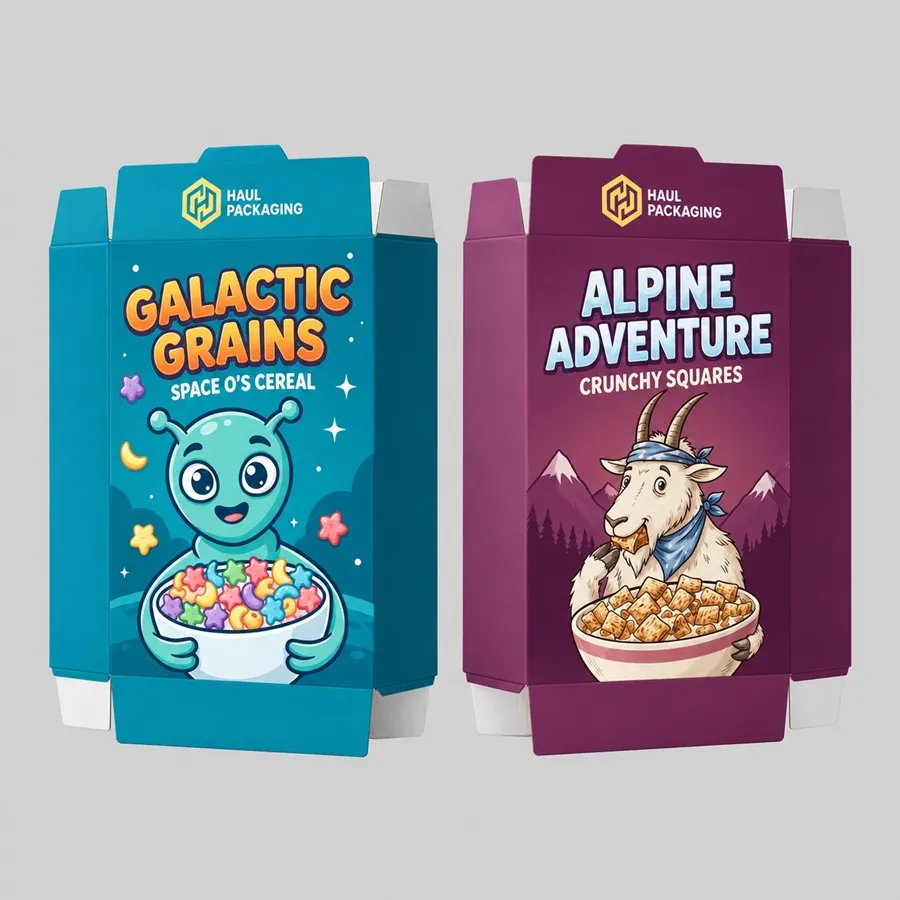
Upgrade your cereal packaging with custom cardboard boxes from Haul Packaging. Each carton is built to fit your product’s exact size, branding, and display needs. Choose from a range of sizes, folding styles, materials, and printing options to match your breakfast cereal, granola, or other dry foods. If you’re launching a new product or need reliable packaging for wholesale, reach out for a quote based on your specific requirements.
Trusted Payment Methods





No Die & Plate
Charges

Quick turnaround
time

Free & Shipping

Starting from
50 boxes

customize size
& style

free graphics
designing
- Details
- Specifications
Cardboard Cereal Boxes That Work Beyond the Breakfast Aisle
The cereal section is packed with competing colors, characters, nutritional information, and claims from the various brands. However, hiding behind each attractive design is something less impressive but just as important: a carton that has to fold correctly, keep its shape, hold the product, and clearly display the information.
A cereal carton is not merely a printed container; it is a structural part of the final retail product and affects packing efficiency, shelf presence, and the way customers interact with the packaging.
At Haul Packaging, businesses have the opportunity to look into obtaining custom cardboard cereal packaging, with the dimensions, materials, printing, and finishes all being adapted to meet their specific requirements.
Why Paperboard Remains a Practical Choice for Cereal Packaging
The kind of cereal packaging usually found in shops is made from paperboard, not from thick corrugated shipping board.
Paperboard provides a useful combination of stiffness, light weight, the ability to be folded, and a surface that can be printed on. It can be die-cut, creased, glued, and be supplied in a flat form for assembly.
The correct specification matters more than simply choosing the thickest board.
A carton that is too light for its size may bow or lose its shape when being handled, and an unnecessarily heavy board will lead to greater use of materials and have an impact on cost without providing any real advantage.
Understanding Cardboard Materials Before You Order
Different paperboard grades do not exhibit the same behavior when printing, folding, or assembling.
Solid Bleached Sulfate (SBS)
SBS is a type of bleached paperboard that is generally selected when it is important to have a bright and uniform printing surface as well as a sophisticated look; because of its properties, it is suitable for use in packaging that involves detailed artwork and has strict visual requirements.
Clay-Coated Recycled Board
The recycled paperboard covered with clay offers a surface that can be printed on and also uses recovered fiber. The appearance, stiffness, the color on the backside, and the performance will differ depending on the grade and the supplier.
Kraft Paperboard
The paperboard of the Kraft type has a natural brown color, which can be suitable for minimalist branding, for traditional products, and for designs that deliberately show the texture of the board.
Corrugated Board
The corrugated construction includes a fluted layer situated between the liner sheets and is usually more applicable to protective outer packaging, multipacks, or shipping uses than to the traditional thin retail cereal carton.
The Details That Make a Cereal Carton Retail-Ready
Structural Design and Closure Style
The rectangular cereal carton is so popular because it has wide front and back panels, a clear shelf profile, and a simple folding structure.
Common folding-carton configurations include tuck-end designs, glued side seams, and bottom closures, selected based on packing requirements.
When choosing a closure, consider the equipment capacity, assembly speed, product weight, and how consumers will open the carton.
Board Thickness and Carton Stiffness
Paperboard thickness is often expressed in points, with one point equal to 0.001 inch.
Yet the thickness of the carton alone is not what determines its strength; fiber composition, grain direction, board grade, panel dimensions, and crease quality all have an effect on performance.
Folding Accuracy and Panel Alignment
Precise die-cutting and scoring enable the cartons to fold consistently and keep their intended dimensions.
It is particularly important when the artwork goes beyond the edge of the panel, when the boxes are put together by mechanical means, or when the packaging has to fit tightly around a sealed inner bag.
Custom Printing That Gives Your Brand Shelf Presence
A cereal box has only a few seconds in which to explain why the product is worth considering.
The front of the panel should have a product name that can be recognized, include a clear visual hierarchy, and provide sufficient contrast so that it remains readable when next to other packages.
Custom printing enables brands to incorporate their identity directly into the carton.
- Full-color product artwork and brand illustrations.
- Consistent brand colors across multiple cereal varieties.
- Ingredient, nutritional, and other required product information.
- Barcode placement and retail identification.
- Matte or gloss surface treatments.
- Selected decorative effects, such as embossing or foil accents.
The finishing choice that is correct should complement the design rather than clash with it.
A matte finish is suitable for simple, modern packaging, while a gloss finish can highlight the color and the reflected light. Spot coatings can attract attention to particular areas of the artwork, provided that the material and the method of production allow it.
Getting the Dimensions Right: A Small Decision With Big Consequences
Two cereal products that have the same net weight may need different-sized boxes.
Cereal that has been puffed, as well as flakes, granola clusters, and finely ground products, have different bulk densities, and their volume is affected by settling, particle shape, and packing conditions.
This is why you may encounter avoidable problems if you select a carton based solely on the competitor's declared net weight.
Find its length, width, and height and leave enough room to insert it without having to use too much force. You should also consider closure clearance, shelf proportions, and any restrictions at the packing line.
For instance, a tall and narrow carton may have a particular front profile but will behave in a different way on a shelf than a shorter carton having a wider base.
Mini, Standard, and Family-Size Packaging
The packaging should vary depending on the product format.
Mini cereal boxes can suit single-serving products, samples, hospitality applications, and promotional packs.
Standard retail cartons provide the familiar rectangular format used for many boxed breakfast cereals.
Larger cartons can accommodate family-size products, provided the material and construction suit the larger dimensions and filled weight.
For smaller formats, see our mini cereal boxes.
Food Protection: What the Outer Carton Can and Cannot Do
It is especially important to manage the moisture content of crisp cereals and granola in order to retain the desired texture.
It should not be assumed that a standard paperboard carton on its own offers an adequate freshness barrier.
You must evaluate the selected material, along with any coatings or inks, in relation to the food-contact conditions and the relevant regulatory requirements.
Sustainability Begins With the Actual Material Specification
Even though cardboard packaging is often linked with being recyclable, its look alone doesn't decide its environmental performance.
The fiber content, the coatings, the adhesives, the windows, the food contamination, and the local collection systems all influence whether or not a finished carton is taken in for recycling.
- Does the selected grade contain recycled fiber?
- Is certified fiber sourcing available for the specific material?
- Are coatings or decorative finishes necessary?
- Can the carton be designed to reduce avoidable material use?
- Is the finished package compatible with relevant recycling systems?
It would be more practical to start with a simple and well-sized carton rather than including extra layers or decorative parts.
Environmental claims ought to be grounded in the finished package together with the relevant documentation, not on general assumptions regarding cardboard.
Wholesale Cardboard Cereal Boxes: What Influences the Price?
The unit price alone does not give the whole picture when you are comparing packaging quotes.
Two boxes that have similar dimensions can cost different amounts due to differences in the grade of the board, the amount of artwork coverage, the method of construction, the quantities being produced, and the finishing requirements.
The main pricing variables include:
Material selection: Board grade, thickness, coating, and availability influence material costs.
Finished dimensions: Larger cartons generally require more board area, although production layout and sheet utilization also matter.
Order quantity: Production setup costs may be distributed across more units in larger runs, but the actual price break depends on the job.
Printing requirements: Color specifications, printing processes, and artwork complexity can affect production planning.
Finishing and construction: Specialty coatings, windows, embossing, unusual die-cuts, and additional assembly requirements may increase costs.
Delivery requirements: Destination, packaging configuration, shipment size, and requested timelines can affect the final quotation.
From Packaging Concept to Production-Ready Carton
Before asking for a wholesale order, make sure you have a short packaging brief.
State the type of product, the approximate filled weight, the dimensions of the inner bag, the desired carton dimensions, the estimated quantity, and any preferred paperboard grade.
Supply the design files for your brand's artwork and state if a structural dieline is available.
A proof or sample can be used to detect any problems with the way the panels are aligned, the fit when the carton is closed, the position of the barcode, and the relationship between the carton and the product it contains.
Build Your Next Cereal Packaging Project With Haul Packaging
The cardboard packaging for cereal should make it easier for everyone involved—those filling the cartons, displaying them, and choosing the product.
Haul Packaging provides customized quotes for boxes to businesses that are planning projects relating to the packaging of cereals and dry foods.
If you are launching a new range of cereals, revamping an existing brand, or comparing the wholesale packaging specifications, begin with the details that matter.
What type of cardboard is used for cereal boxes?
Can cardboard cereal boxes be custom printed?
What is the difference between paperboard and corrugated cereal packaging?
Are cardboard cereal boxes suitable for direct food contact?
Can cardboard cereal boxes be recycled?
How do I determine the correct cereal box size?
What affects the prices of wholesale cardboard cereal boxes?
| Dimensions | All Custom Sizes, Shapes and Styles. |
| Printing | CMYK, PMS, Screen Printing, No Printing |
| Paper Stock | 10PT to 28 PT (60lb to 400 lb) Eco Friendly Kraft Stock, E-Flute Corrugation, Bux Board, Cardstock, Fancy Cardstock. |
| Quantity | 50 - 500,000 |
| Coating | Gloss, Matte, Spot Uv |
| Default Process | Die Cutting, Gluing, Scoring, Perforation |
| Options | Custom Window Cut Out, Gold/Silver Foiling, Embossing, Raised Ink, PVC Sheet. |
| Proof | Flat View, 3D Mock-up Physical Sampling, (On Request) |
| Turn Around Time | 4-6 Business Days, Rush Production Plans. |
| Shipping | Free Shipping. |
| Delivery Courier | FedEx Express Shipping, DHL, UPS, Skynet! |
FAQs
-
Are your cardboard cereal boxes food-safe? Yes, all of the materials used in our cereal box packaging are food-grade and meet strict U.S. FDA standards for both direct and indirect food contact.
-
What is the minimum order quantity (MOQ) for custom printed boxes? We serve businesses of all sizes, with low MOQs for startups and small businesses, as well as select standard blank boxes with no MOQ, if needed.
-
Can you assist me with design and printing? We offer all aspects of this service, from structural design assistance to high-quality flexographic and lithographic printing of your design.
-
What are typical production and shipping timelines for domestic U.S. Shipping? Normal production time for stock printed jobs is 4-6 business days; shipping times will vary. We will include this with the estimate, and expedited services are available.
-
What is a common material for making cardboard cereal boxes? The typical material for cereal box packaging is paperboard, a lightweight, rigid material used extensively for cartons of food and other consumer goods.
-
Can cardboard cereal boxes be branded? Cardboard cereal boxes can certainly be branded. They have a smooth, flat surface suitable for printing branding, graphics, product information, and other labels.
-
Are cardboard cereal boxes recyclable? In the United States, paper and paperboard packaging are widely considered one of the most highly recycled types of packaging. However, specific recycling requirements can vary by location.
-
What is the most appropriate size of a cardboard cereal box? Determining the correct size of a cardboard cereal box is based on several factors, including product volume, weight and fill, shape, shipping and storage considerations, and the look you're going for in the retail space.

Premium Finishes
Haul Packaging provides a range of high-quality finishings, including as foil stamping, glossy or matte coatings, embossing, and soft-touch finishes, to improve the visual attractiveness of packaging. These finishes have the power to increase a product's perceived worth and make it stand out on retail shelves.
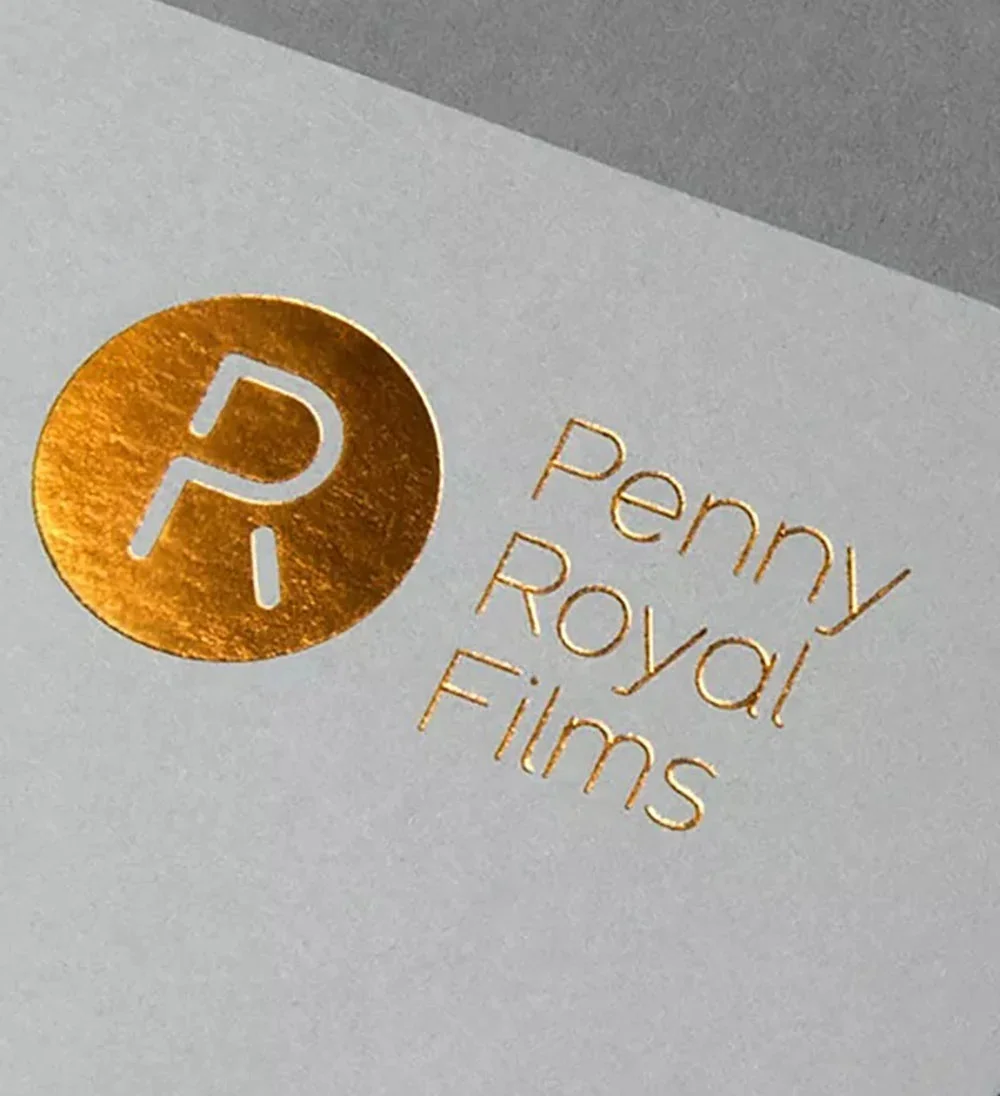
Copper Foiling
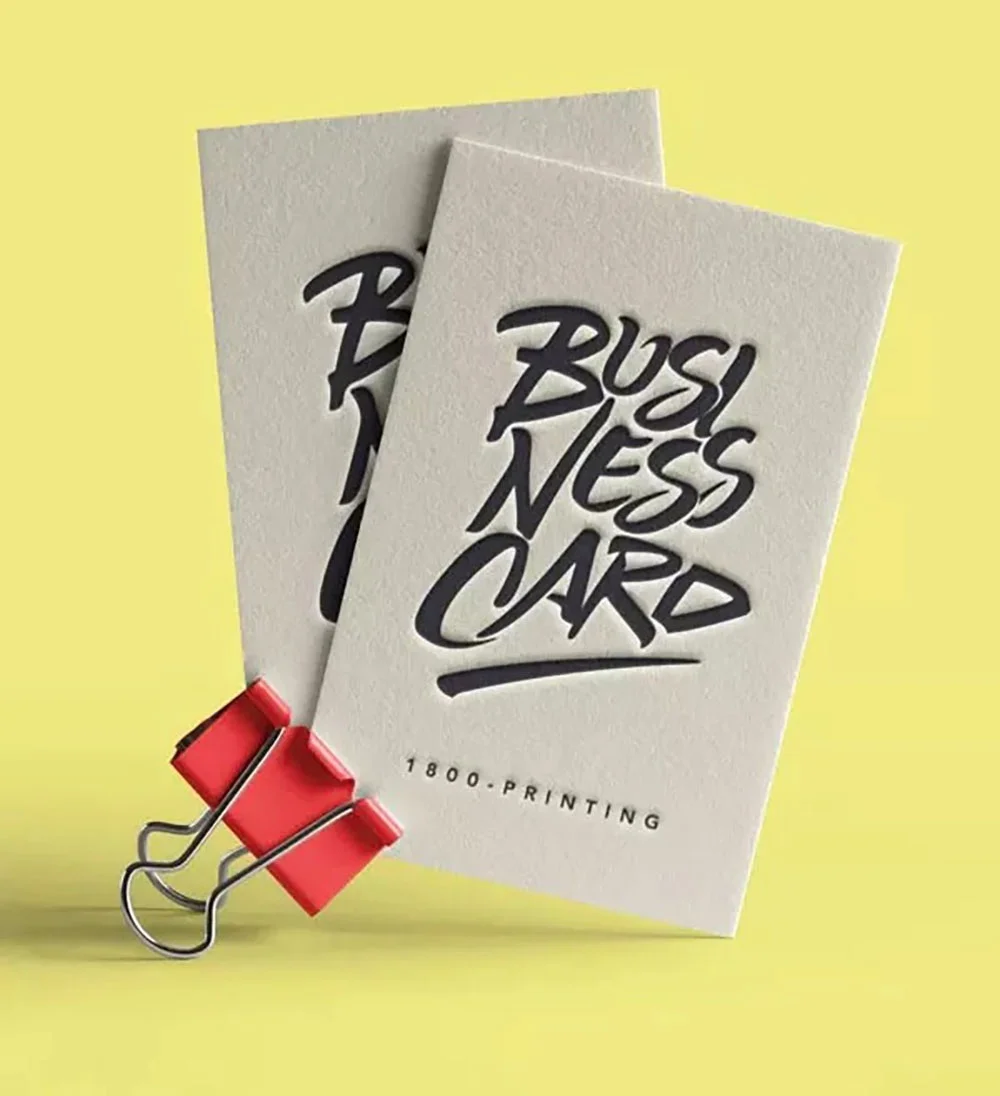
Debossing
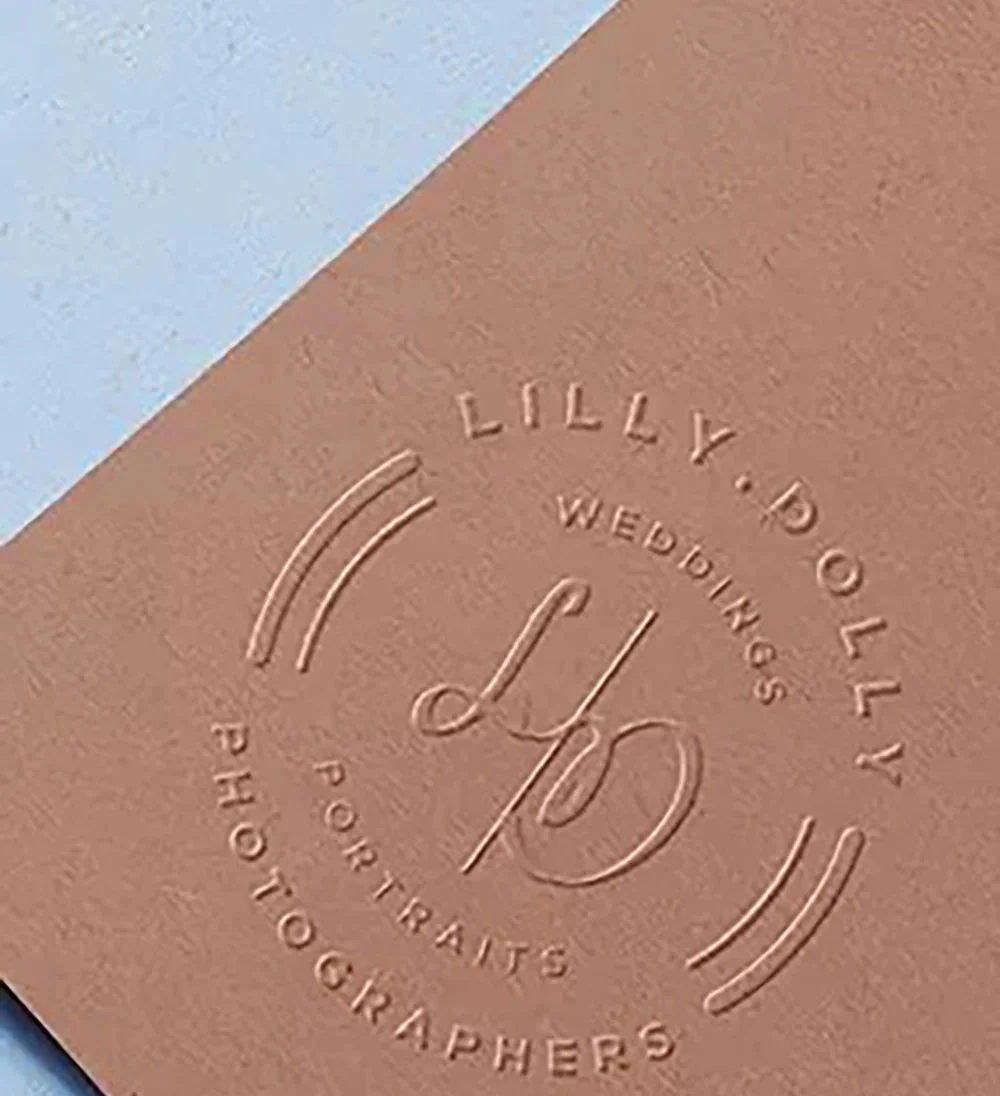
Embossing
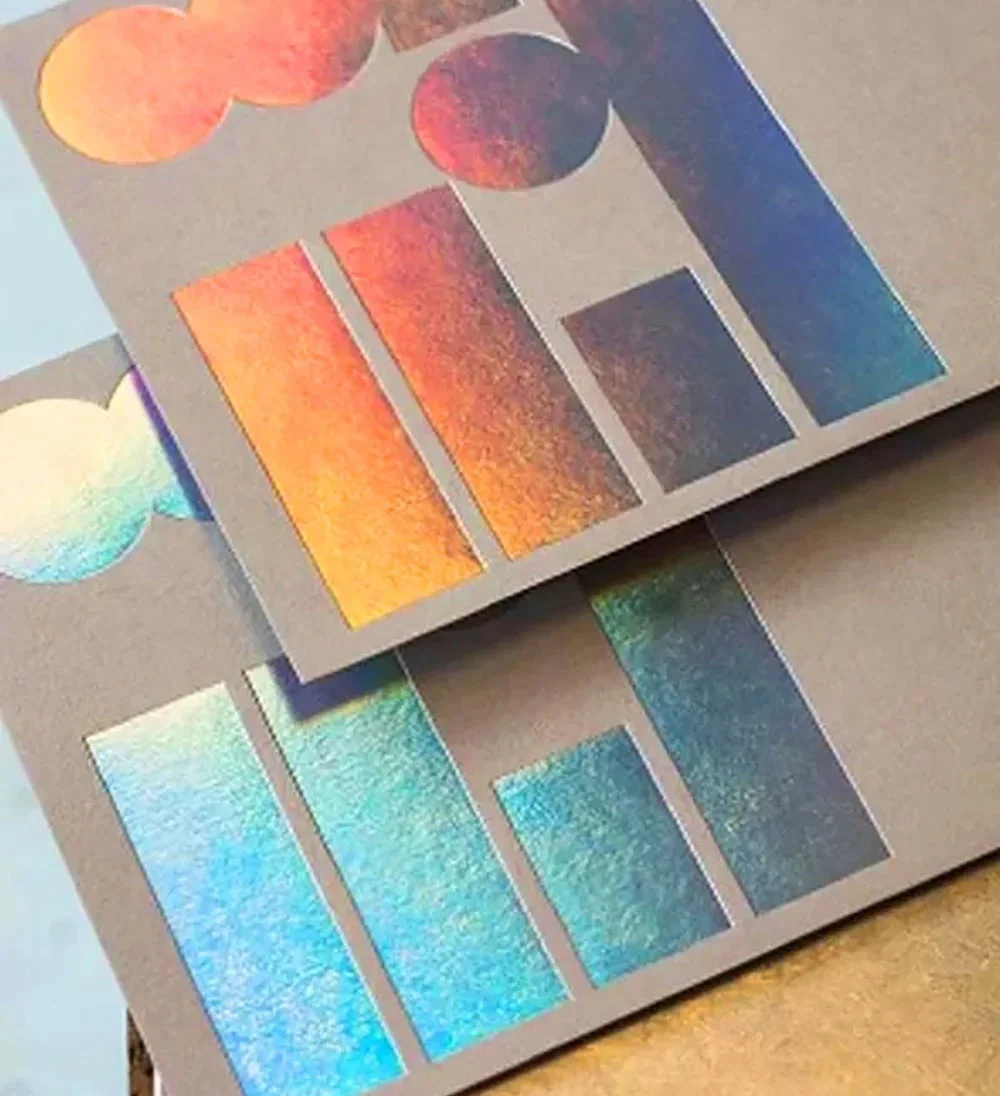
Holographics foiling
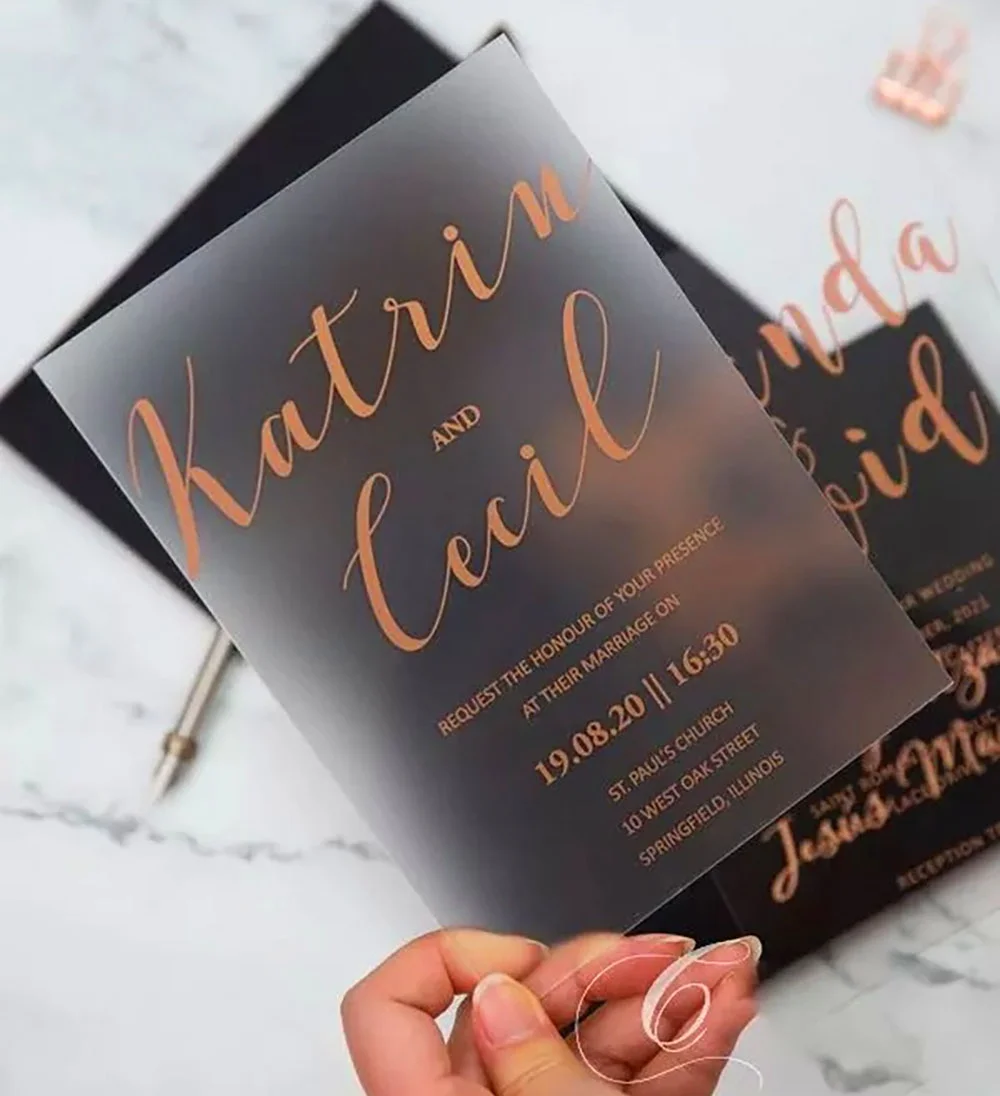
Rose Gold
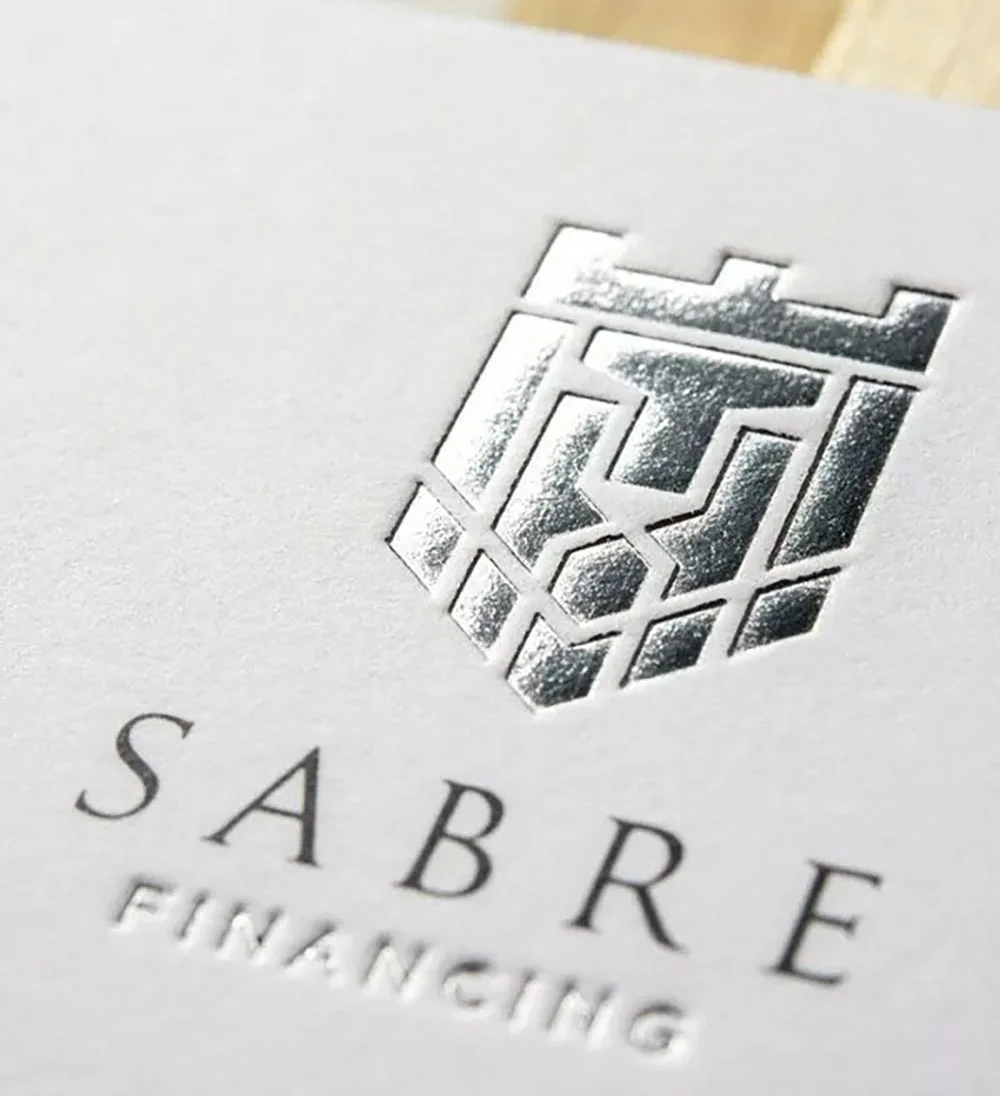
Silver Foiling

Spot UV
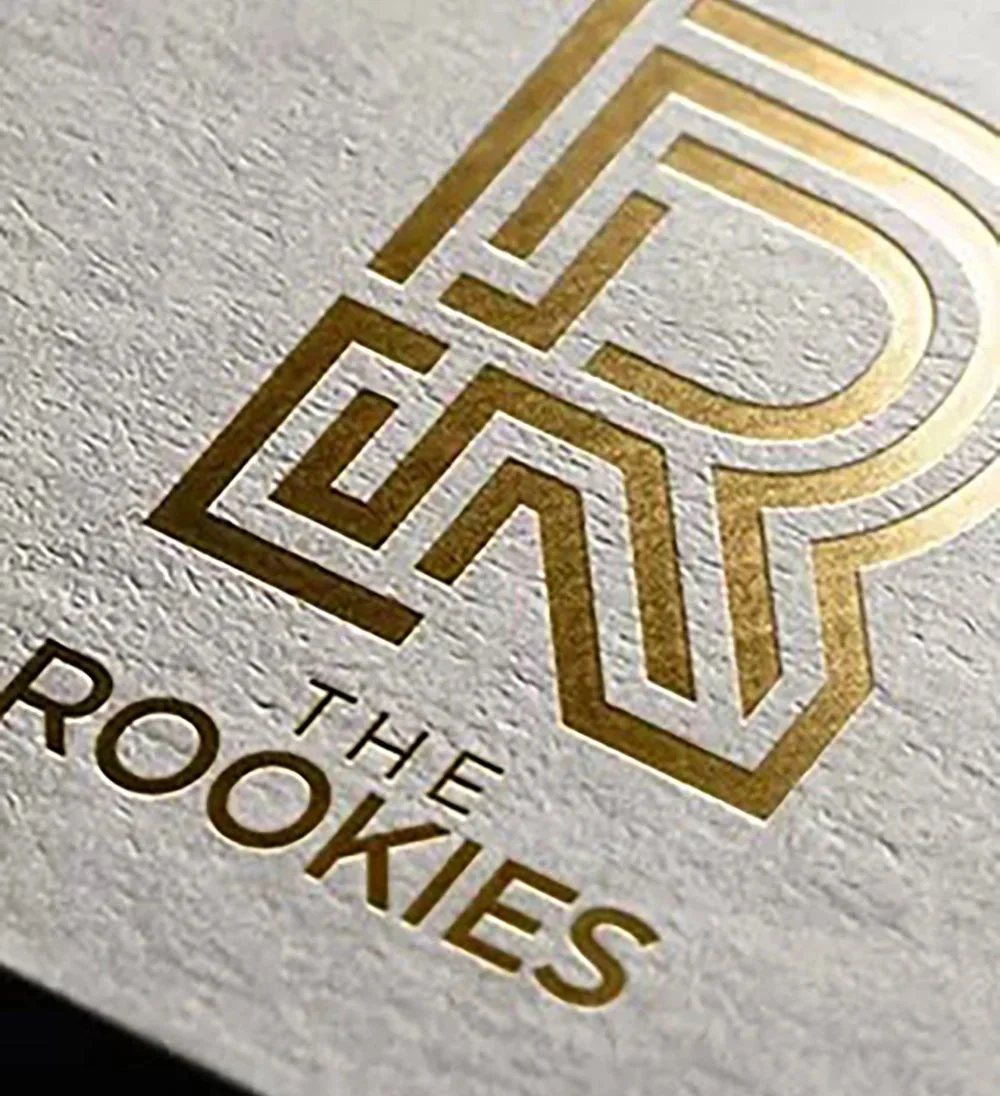
The Rookies
Card Stock Options
Haul Packaging provides a large selection of card stock types to meet various needs for packaging. You may give your box an adorning appearance and feel by selecting from a range of cardstocks with varying thicknesses, textures, and colors. The card stock selections for Haul Packaging are of excellent quality and longevity, guaranteeing that the packaging not only looks fantastic but also protects the contents within.
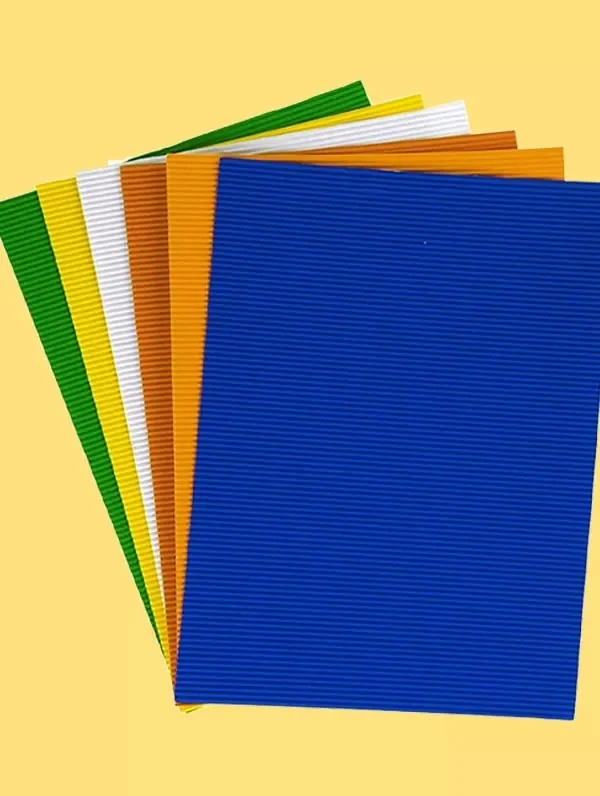
Corrugated

Glitter
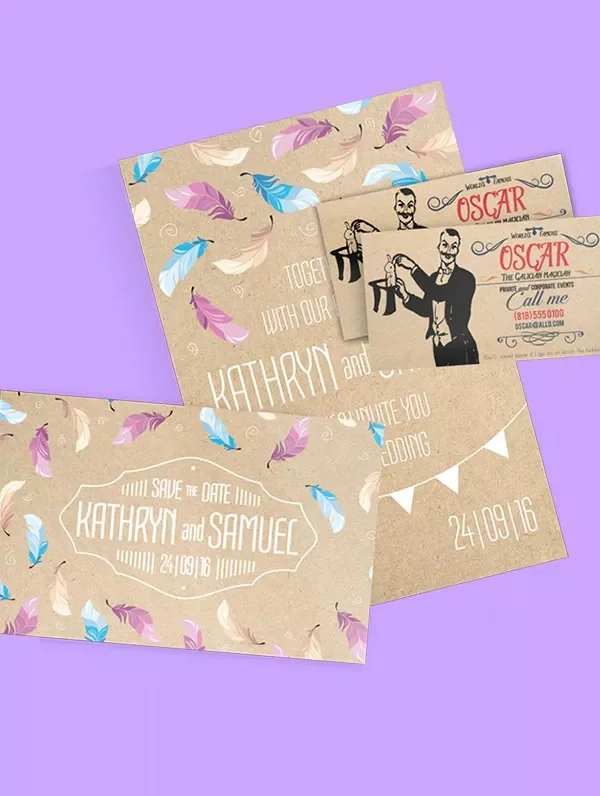
Kraft
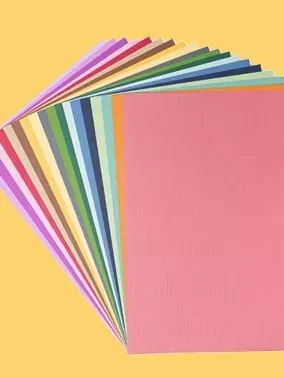
Matte
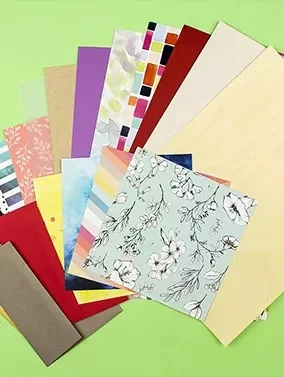
Textured