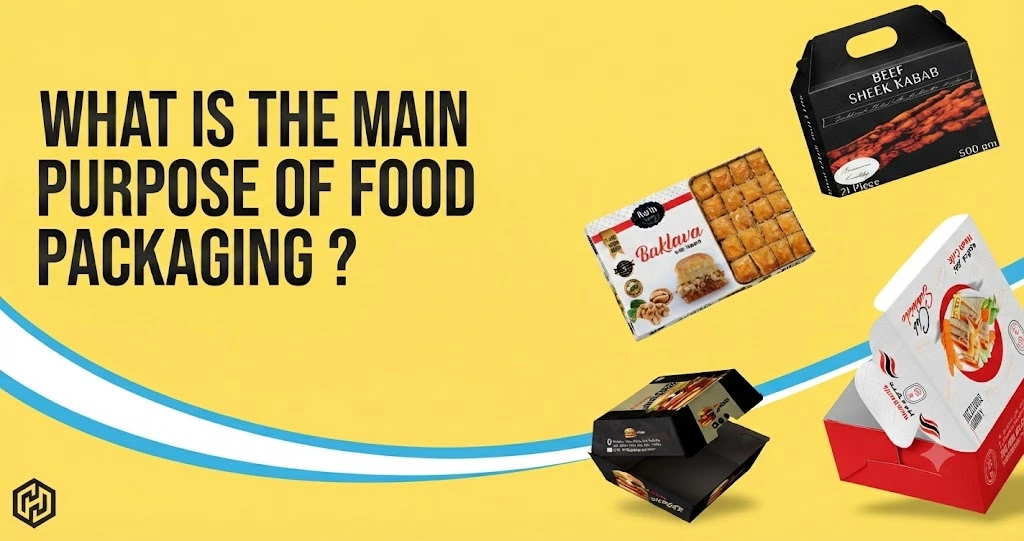
What is the main purpose of Food Packaging?
Food packaging has three main purposes for consumers: it contains food, shields it from outside influences and harm, and provides ingredient and nutritional information (Coles, 2003). Food packaging aims to cost-effectively contain food while meeting consumer and business demands, preserving food safety, and minimizing environmental impact.
How Food Packaging Protects and Preserves:
Flexible food packaging helps preserve the positive benefits of processing and maintain or improve food quality and safety by extending shelf life. Packaging shields against three main categories of outside influences: chemical, biological, and physical.
By minimizing compositional changes brought on by exposure to gases (usually oxygen), moisture (gain or loss), or light (visible, infrared, or ultraviolet), chemical protection reduces these effects. An array of packing materials can provide a chemical barrier.
By creating a barrier against insects, other animals, and microorganisms (pathogens and spoilage agents), biological protection helps to avoid sickness and spoilage. Furthermore, biological barriers uphold the conditions that regulate senescence (aging and ripening). These barriers work in several ways, such as restricting product access, stopping the spread of odors, and preserving the interior environment of food packaging.
Physical protection protects food from mechanical harm and also cushions against shock and vibration during distribution. Physical barriers, often made of paperboard and corrugated materials, are frequently used as shipping containers and packaging for perishable goods like eggs and fresh fruit because they resist impacts, abrasions, and crushing damage. Proper physical packing shields customers from a variety of risks. Child-resistant latches, for instance, make it harder to access potentially harmful items. Additionally, the risk posed by broken glass containers has decreased as products like shampoo and soda bottles have switched to plastic packaging.
Food Packaging is About Waste Reduction:
Any evaluation of food packaging and its environmental effects must account for the benefits of less food waste across the supply chain. Food waste has been attributed to inadequate storage, transportation, and preservation/protection. By keeping food fresher for longer and extending its shelf life, packaging helps reduce overall waste. A food product’s shelf life is largely determined by its packaging design and construction. During transportation and storage, appropriate packaging materials and methods preserve product quality and freshness.