

In Stock
Shoulder Neck Rigid Boxes
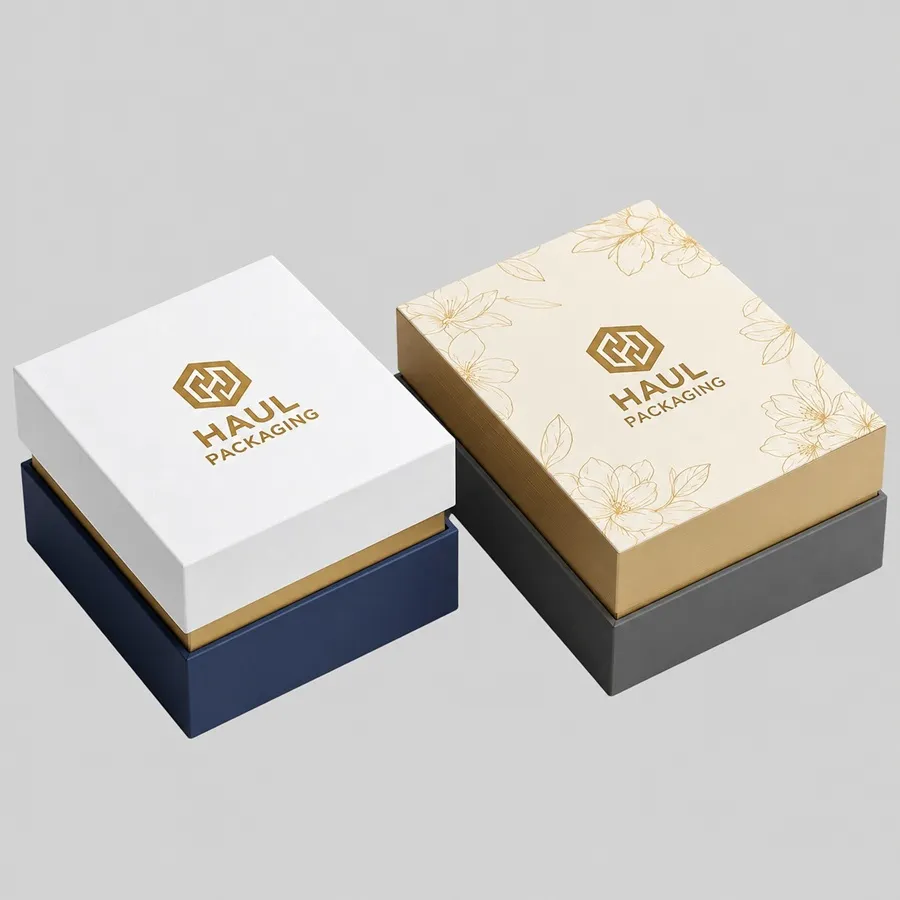
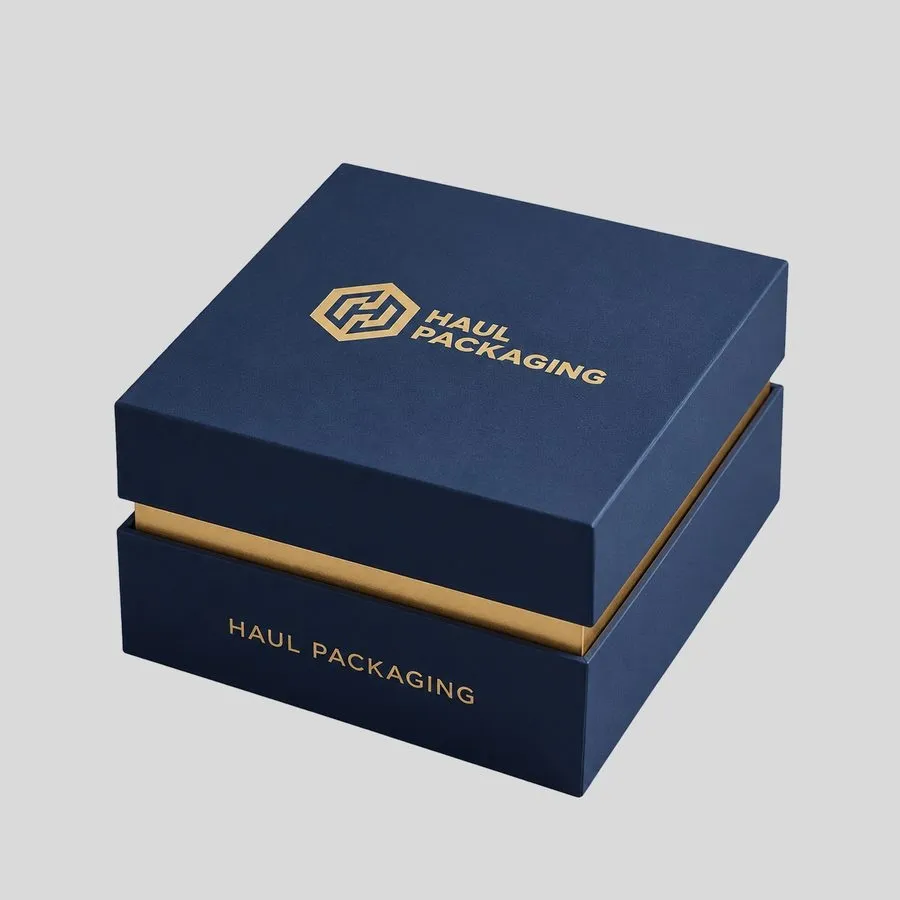
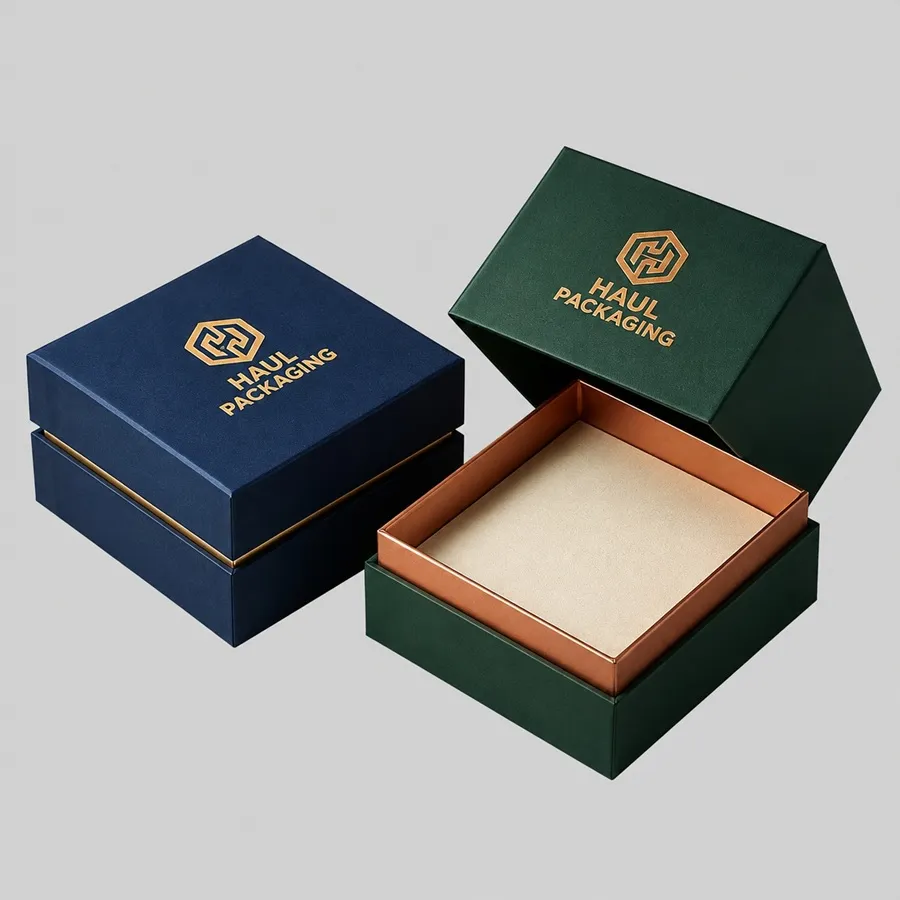
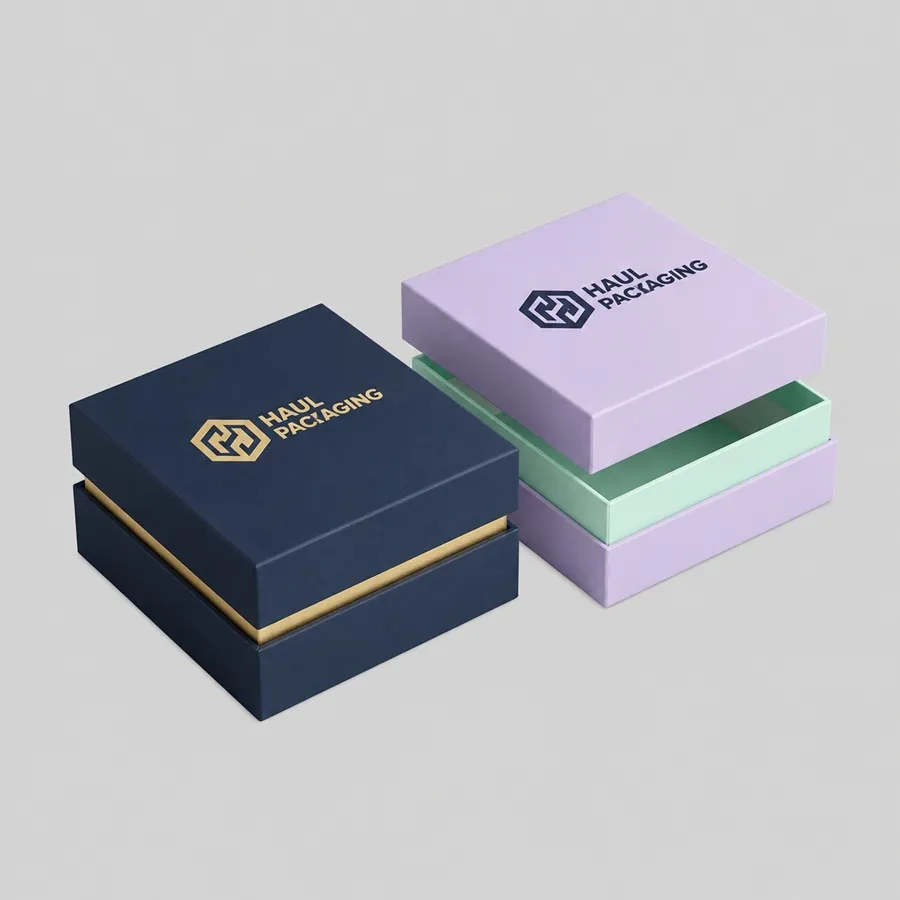
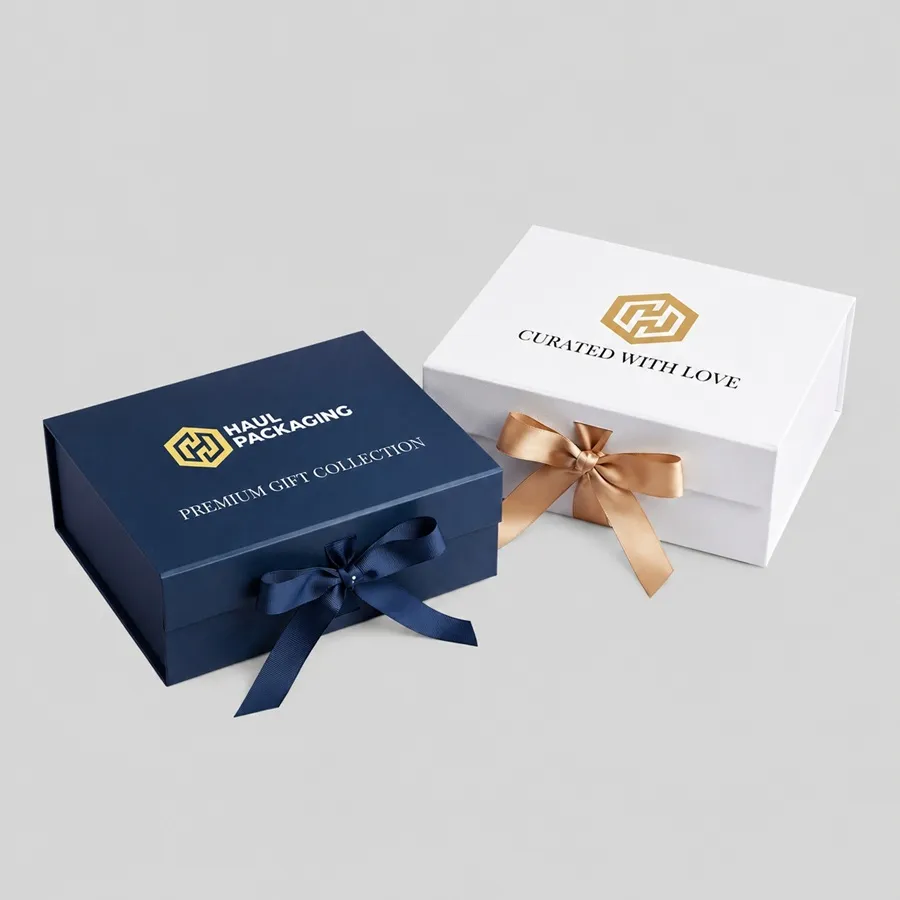
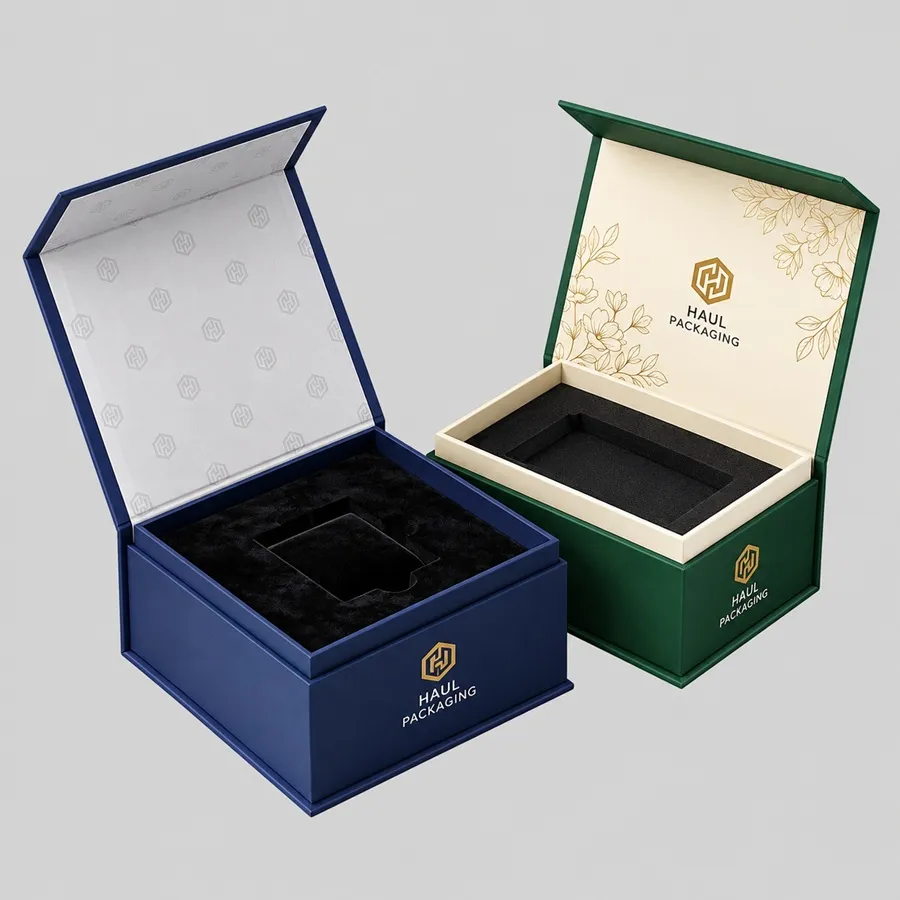
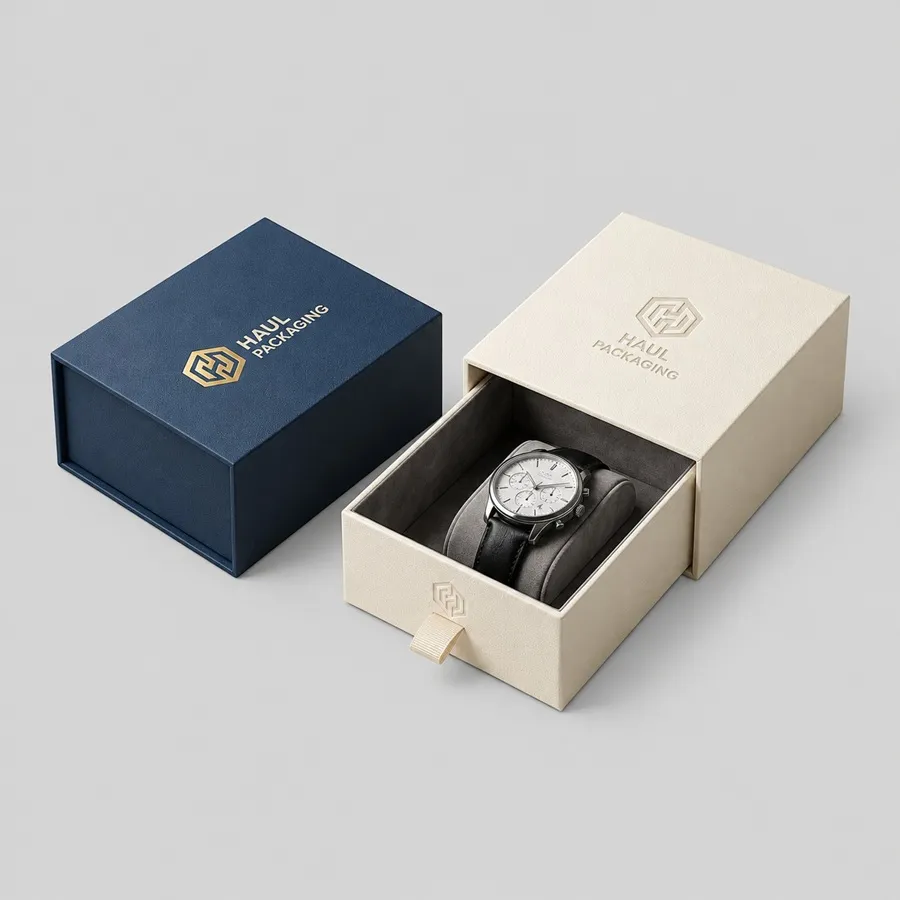
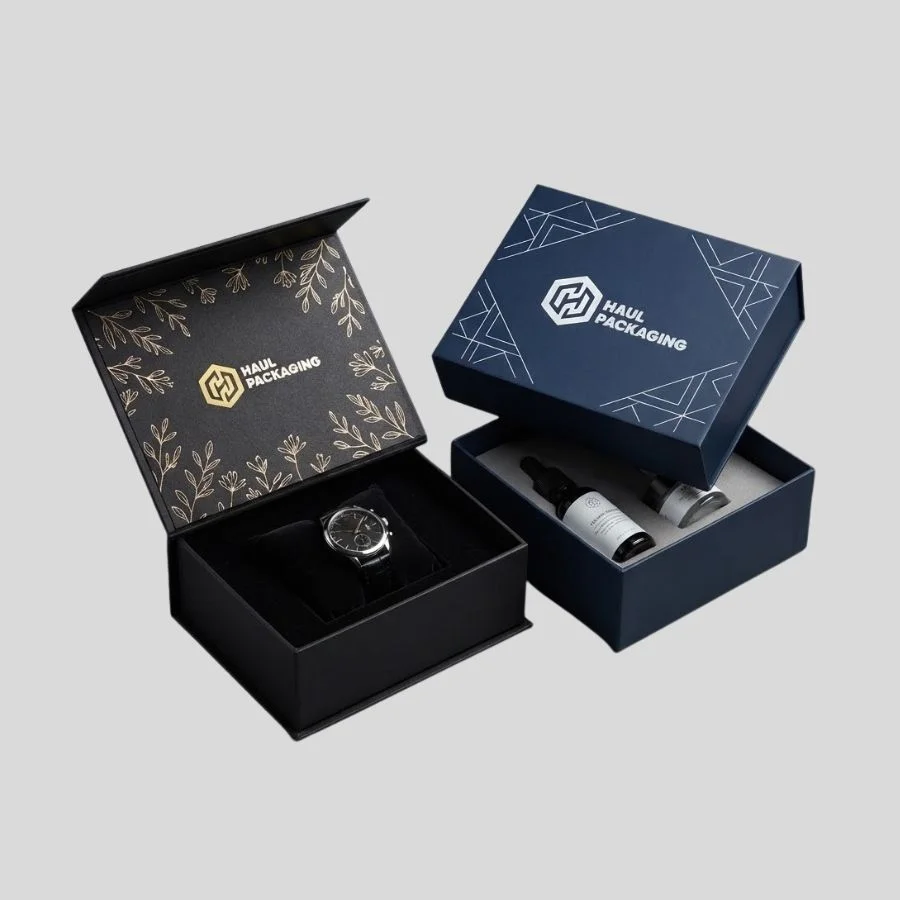
Shoulder neck rigid boxes use an inner shoulder between the lid and base to create a sturdy, layered structure. This design works well for packaging premium gifts, jewelry, cosmetics, accessories, and specialty retail items. You can adjust the size, outer wrap, colors, inserts, and branding to match your product and how you want to present it. Choose a simple look or add decorative details depending on your brand. The structured format and unique opening style help your product stand out and deliver a memorable unboxing experience.
Trusted Payment Methods






No Die & Plate
Charges

Quick turnaround
time

Free & Shipping

Starting from
50 boxes

customize size
& style

free graphics
designing
- Details
- Specifications
The Structure Behind Shoulder-Neck Boxes
Some packaging types attract attention due to their graphics, whereas other types are recognized by the way they are constructed. Those boxes that have a shoulder or a neck fall into the second category since their main feature is an elevated internal section, the shoulder or neck, that is visible between the base of the box and the outer lid.
The package has a layered appearance, which distinguishes it from a conventional two-piece box; in certain instances the shoulder will be at the same level as the base, while in other cases it will extend above the base, thereby creating a contrasting band around the box.
When brands are designing high-end product packaging, the key point is to select proportions that match the product and make the act of opening it appear intentional.
How Does a Shoulder-Neck Rigid Box Work?
The Base
The base forms the main compartment in which the product is stored, and its internal dimensions must be large enough to accommodate the item together with any required insert, lining, or protective component.
The Inner Shoulder or Neck
The shoulder is a projecting structural part that is fitted either around or into the base. When the lid is closed, some of this section may still be visible, according to the design you have selected.
This visible area creates an opportunity to introduce a second color, a contrasting paper wrap, or a subtle design detail. The shoulder also helps define the relationship between the lid and base.
The Outer Lid
The lid sits over the shoulder and covers the product compartment; its depth and fit affect the overall shape of the box as well as the way it opens.
A deeper lid creates a different visual balance from a shallow lid. The right choice depends on the product’s height, the desired shoulder appearance, and how the box will be handled.
What Makes Shoulder Neck Packaging Distinctive?
A Defined Lid-to-Base Transition
The visible shoulder forms a deliberate transition between the lid and the base, making the package appear more architectural and giving the overall design a definite visual rhythm.
Opportunities for Contrasting Materials
The shoulder can be treated as a design feature in its own right. For example, a brand might pair a dark outer wrap with a lighter shoulder, use a textured shoulder beneath a smooth lid, or coordinate the shoulder with the interior insert.
A Purposeful Opening Experience
When the box is opened and closed, the lid and shoulder have a characteristic relationship. This type of design is appropriate for products where the packaging itself is an element of the presentation, for example, gifts, jewelry, accessories, or limited-edition collections.
A Packaging Structure That Supports Brand Identity
The shoulder is also an area in which the package's materials and colors can be made to complement one another. Instead of using a single wrap together with a simple logo to keep the design modest, brands have the option of creating a contrast by means of color, texture, and certain decorative details.
Choosing the Right Shoulder Neck Box Design
Flush Shoulder Design
In the case of a flush design, the shoulder is situated close to the outline of the surrounding base. This results in a restrained and subtle look.
Raised Shoulder Design
When the lid is taken off or placed around the base, the raised shoulder is more noticeable and may produce a more distinct visual separation between the various parts of the box.
Contrasting Shoulder and Lid
Applying different colored wrappings or wrapping materials to the shoulder and to the lid will make the structure stand out. For instance, a light shoulder placed under a dark lid will produce a clear distinction between the two parts.
Coordinated Monochrome Design
A single-color treatment can highlight the box’s shape without introducing strong color contrasts. Visual interest can come from the construction, surface texture, or a small branded detail.
Which products are best suited for shoulder neck rigid boxes?
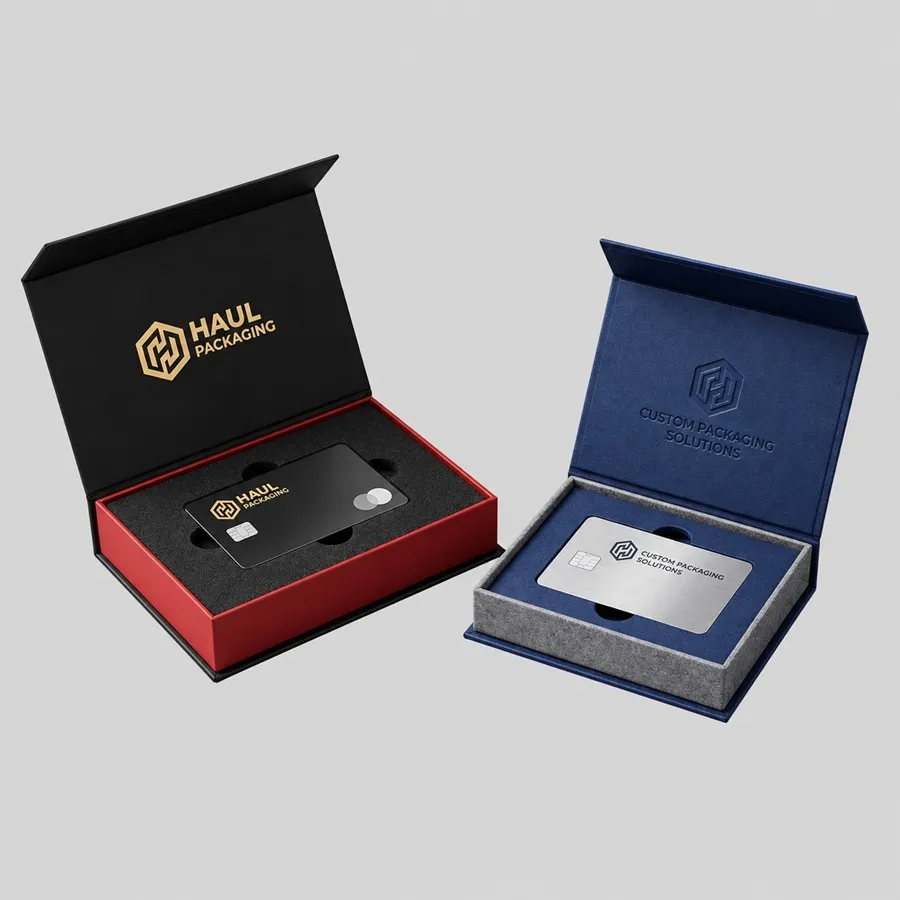
Jewelry and Personal Accessories
Jewelry, watches, small leather accessories, and selected fashion items can benefit from a structured presentation box.
Cosmetics and Skincare Sets
Shoulder neck boxes are suitable for selected beauty products, gift sets, and high-end skincare lines; the internal arrangement can hold jars, bottles, tools, or a number of coordinated items.
Measure each container, including caps, pumps, and all other projecting parts, and ensure the insert provides the required space and support; also test the finished package with the real products.
Fragrance and Specialty Gifts
Fragrance presentations and specialty gifts often emphasize the packaging’s proportions and surface details. A shoulder-neck structure can create a defined frame around the product while leaving room for branding on the lid or interior.
Premium Accessories and Collectibles
Selected accessories, keepsakes, and collectibles may benefit from packaging that can be retained for storage after the initial purchase.
Corporate Gifts and Limited Editions
When selecting shoulder pieces for premium corporate gifts or for limited-edition collections, match them with the brand's colors or with the campaign artwork. A simple logo, a contrasting wrap, or a personalized insert could easily achieve a unique effect.
Materials and Customization Options
Rigid Board Construction
Shoulder-neck boxes are generally constructed from thick paperboard, often called rigid board or chipboard, with a wrapping material applied to the visible surfaces.
Choose the board specification according to the box dimensions, the weight of the product, the structural requirements, and the intended use; boxes that are larger or contain heavier products might need a different kind of construction than compact gift packaging.
Printed Paper Wraps
The visual character of the box is largely due to the outer wrapping. The available options can be printed artwork, solid colors, textured papers, and specific specialty wraps.
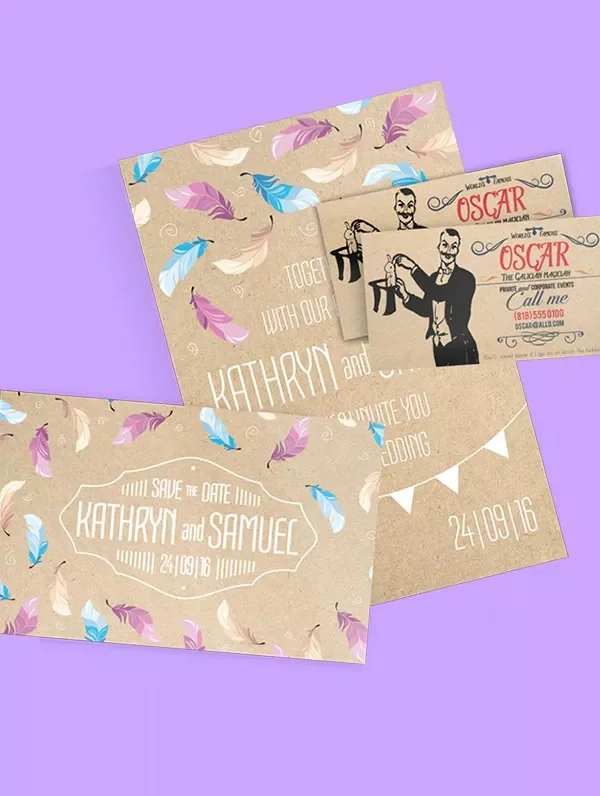
Kraft and Textured Papers
Kraft-style papers with a textured appearance can create a more tactile, subtle effect. They suit companies that want their materials to look natural or to set their packaging apart from smooth, glossy finishes.
The right paper depends on the wrapping process, structural design, and desired surface appearance.
Custom Inserts and Interior Linings
An insert can be used to position the product, to separate various components, and to produce a more structured interior arrangement. The material of the insert will depend on the application and may be paper-based, foam, or some other appropriate material.
Foil Stamping
Foil stamping adds a metallic detail to selected areas, such as a brand logo, product name, or border. It can create contrast against a matte, textured, or solid-color wrap.
Embossing and Debossing
Embossing raises a selected design element, while debossing presses it into the surface. Both techniques can introduce tactile detail to logos or simple graphics.
Matte, Gloss, and Soft-Touch Finishes
Surface treatments can change the way the exterior looks and feels. Matte finishes offer a subdued appearance, while gloss treatments create a shinier surface. Soft-touch effects may be available for selected specifications.
Shoulder Neck Boxes Compared With Other Rigid Box Styles
Shoulder-neck packaging is not the only option for premium products. Comparing the structure with other formats helps you decide whether the added shoulder component fits your project.
| Box style | Structural feature | When to consider it |
| Shoulder-neck rigid box | Inner shoulder visible between the lid and base | When a layered profile and distinctive lid-to-base transition are important |
| Two-piece rigid box | Separate lid and base | When a classic, straightforward presentation is preferred |
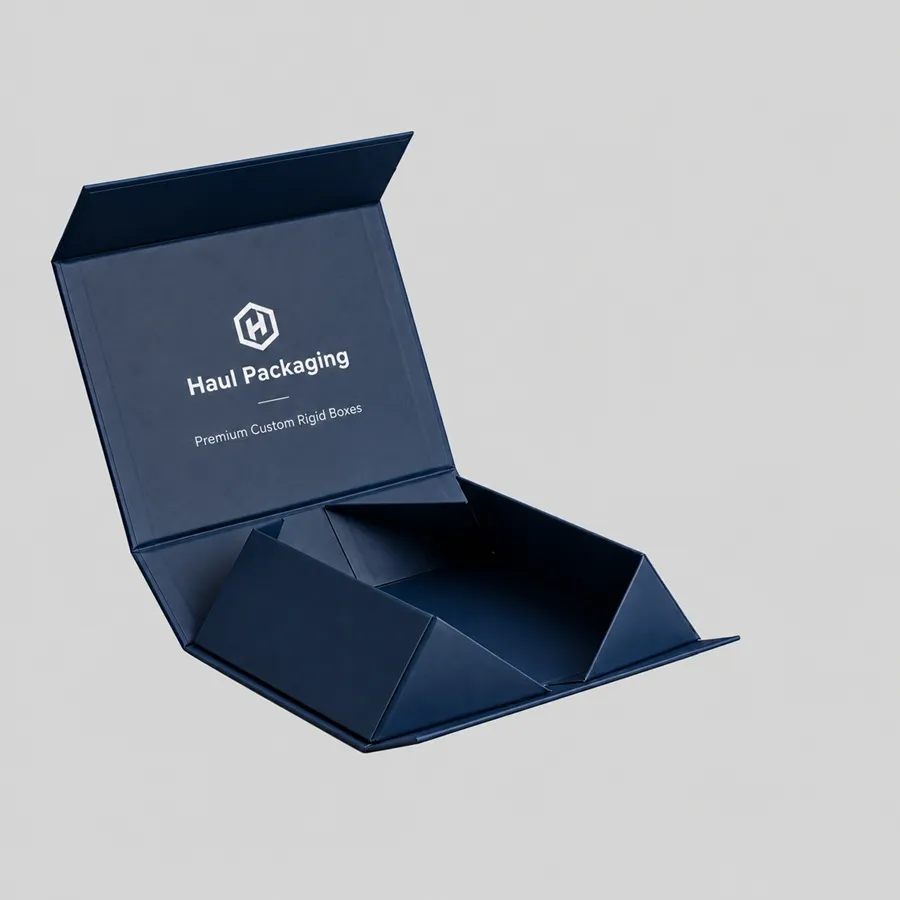
| Magnetic-closure rigid box | Hinged lid with a magnetic closure | When a hinged opening suits the product and presentation |
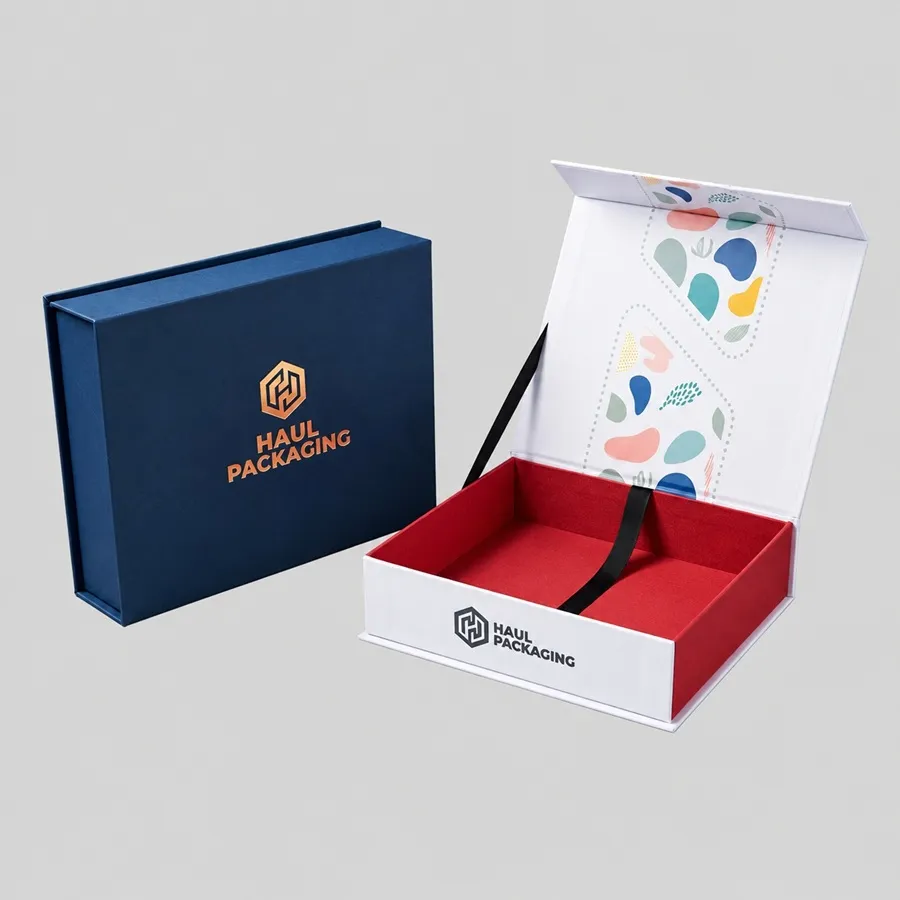
| Book-style rigid box | The lid opens along a hinged edge. | When interior messaging or a book-like opening is useful |
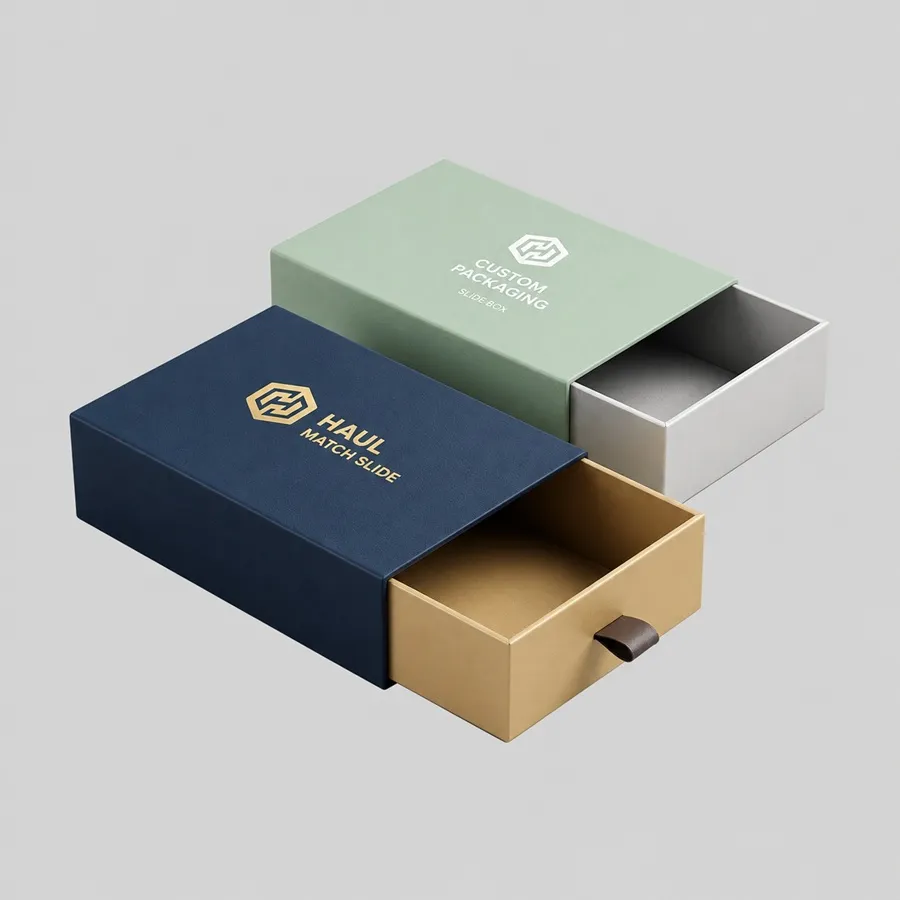
| Drawer-style rigid box | The inner tray slides out of an outer sleeve. | When a sliding reveal suits the product |
| Collapsible rigid box | Designed to fold down before assembly | When storage volume is an important consideration |
How to Get the Dimensions Right
Measure the Product First
Record the product’s full length, width, and height. Include caps, handles, closures, accessories, protective bags, or any other components that will be packed inside.
Account for the Insert
The insert affects the usable internal space. Plan its thickness, cavities, dividers, and any required clearance before confirming the box’s final dimensions.
Confirm the Shoulder and Lid Fit
The height and position of the shoulder influence the overall profile of the closed box. The lid should fit with the desired construction without being either too tight or too loose.
Test With the Actual Product
What Determines the Cost of Shoulder Neck Rigid Boxes?
Cost depends on the finished specification, not just the outer dimensions. The shoulder component and any special design details can affect the material requirements and production process.
- Box dimensions: Larger boxes generally require more material.
- Rigid-board specification: The board and construction affect material use and structural requirements.
- Shoulder design: Shoulder dimensions and construction influence the overall specification.
- Wrapping paper: Standard, textured, printed, or specialty papers may cost more.
- Printing: Artwork coverage, colors, print areas, and process affect the quotation.
- Decorative finishes: Foil, embossing, debossing, coatings, and other effects may add production steps.
- Inserts and interior details: Custom cavities, dividers, and linings affect the design and materials.
- Order quantity: Quantity influences production planning and unit pricing.
- Sampling: Structural samples, printed proofs, and other approvals may involve additional costs.
- Packing and shipping: The final quote should clarify the packing format, delivery destination, and applicable shipping charges.
Ordering Custom Shoulder-Neck Rigid Boxes
- Product information: Explain what the box will contain and how the product will be sold or presented.
- Dimensions and weight: Provide the product measurements and identify any fragile or irregular components.
- Preferred structure: Describe the desired shoulder profile, lid depth, and overall proportions, or share a reference image.
- Material preferences: Specify the desired outer wrap, colors, textures, and any material requirements.
- Branding: Provide the logo, artwork, brand colors, and desired print placement.
- Finishing details: List any preferred foil stamping, embossing, debossing, or surface treatments.
- Insert requirements: Explain whether the product needs a fitted insert, dividers, or an interior lining.
- Quantity and schedule: Share the planned quantity and target delivery date so the supplier can confirm the applicable production schedule.
Before you approve the order, make sure that you have reviewed the final structural specification, the artwork, the choice of materials, the quantity, the quotation, and the delivery terms. If a close fit or a particular shoulder profile is important, then ask for an appropriate sample and compare it with the final product.
How is a shoulder-neck box different from a two-piece rigid box?
What products can be packaged in shoulder-neck boxes?
Can the shoulder and lid have different colors?
Do shoulder and neck boxes protect fragile products?
Are shoulder-neck rigid boxes suitable for luxury packaging?
What affects the price of a shoulder-neck box?
Give Your Product a Distinctive Rigid Box Structure
Shoulder-neck rigid boxes offer a different approach to premium packaging by making the lid, shoulder, and base part of the design. The layered profile can be subtle or visually prominent, depending on the proportions and materials selected.
| Dimensions | All Custom Sizes, Shapes and Styles. |
| Printing | CMYK, PMS, Screen Printing, No Printing |
| Paper Stock | 10PT to 28 PT (60lb to 400 lb) Eco Friendly Kraft Stock, E-Flute Corrugation, Bux Board, Cardstock, Fancy Cardstock. |
| Quantity | 50 - 500,000 |
| Coating | Gloss, Matte, Spot Uv |
| Default Process | Die Cutting, Gluing, Scoring, Perforation |
| Options | Custom Window Cut Out, Gold/Silver Foiling, Embossing, Raised Ink, PVC Sheet. |
| Proof | Flat View, 3D Mock-up Physical Sampling, (On Request) |
| Turn Around Time | 4-6 Business Days, Rush Production Plans. |
| Shipping | Free Shipping. |
| Delivery Courier | FedEx Express Shipping, DHL, UPS, Skynet! |
FAQs
-
What types of garments work best with shoulder boxes? Shoulder boxes are great for skirts, dresses, trousers and shirts.These boxes work well for structured clothing that wrinkles easily or has delicate details like dresses, suits, blazers, coats, formalwear, wedding gowns and any clothing that needs to hold its shape.
-
Can I utilise my own custom hangers with these boxes? Damn right! We will place your logoed hangers in our boxes. We recommend that samples be sent for proper fit, ensuring they are securely packed for shipment.
-
What is the minimum order quantity? 50 pcs for standard sizes only, which means Premium garment packaging is available to smaller collections and emerging brands.
-
How do you ensure the garment is safe in shipping? We have several security features, including a locked hanger, optional garment straps or clips, and engineering that ensures the garment fits snugly and with minimal movement.
-
Can I get a sample before a full order? Definitely. We cannot stress enough the importance of ordering physical samples so you can see the fit on your specific garments and decide on the print quality and overall feel.
-
Why are shoulder neck rigid boxes considered Premium packaging? Rigid boxes with a shoulder neck are often chosen for luxury and retail packaging because of their elegant layered structure, sturdy construction and Premium appearance.
-
Can I get my logo and branding printed on shoulder neck rigid boxes? Yes. Haul Packaging can print custom logos, graphics, foil stamping, embossing and debossing, spot UV, matte finishes, gloss coatings, and soft-touch lamination.
-
Why choose Haul Packaging for Custom Shoulder Neck Rigid Boxes in the USA? We are a USA-based manufacturer of custom shoulder neck rigid packaging solutions manufactured with high-quality materials and offer sophisticated finishing options, protective features and flexible order quantities for retail and luxury brands.

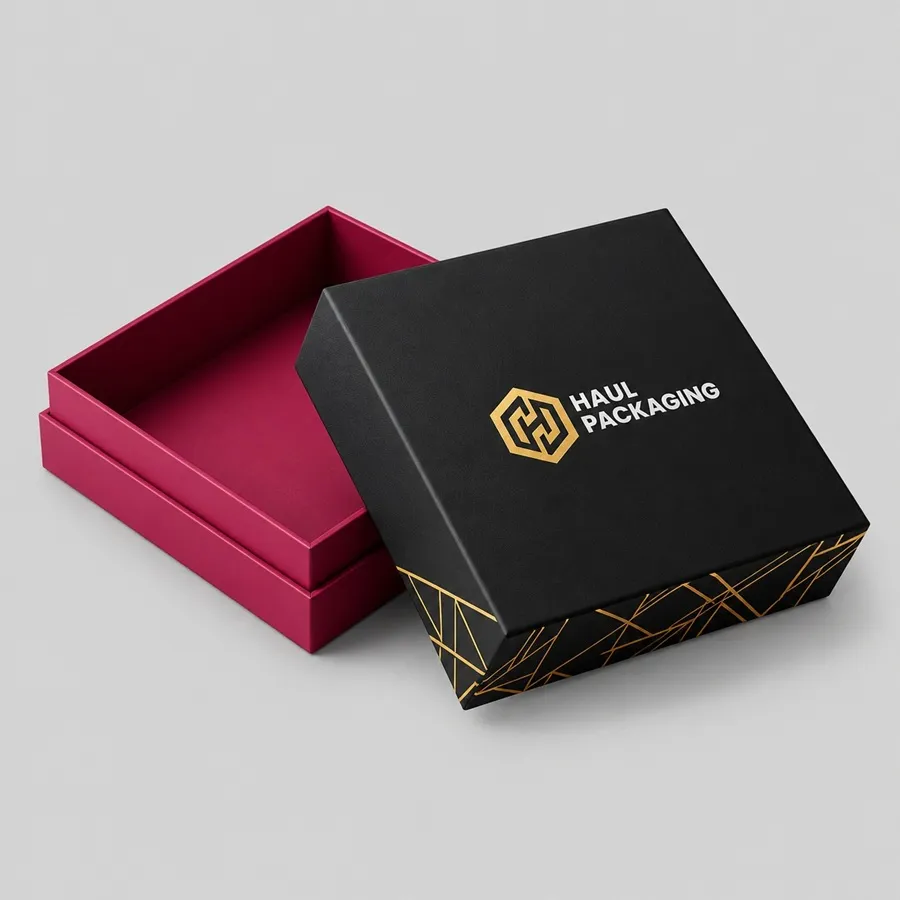
Premium Finishes
Haul Packaging provides a range of high-quality finishings, including as foil stamping, glossy or matte coatings, embossing, and soft-touch finishes, to improve the visual attractiveness of packaging. These finishes have the power to increase a product's perceived worth and make it stand out on retail shelves.
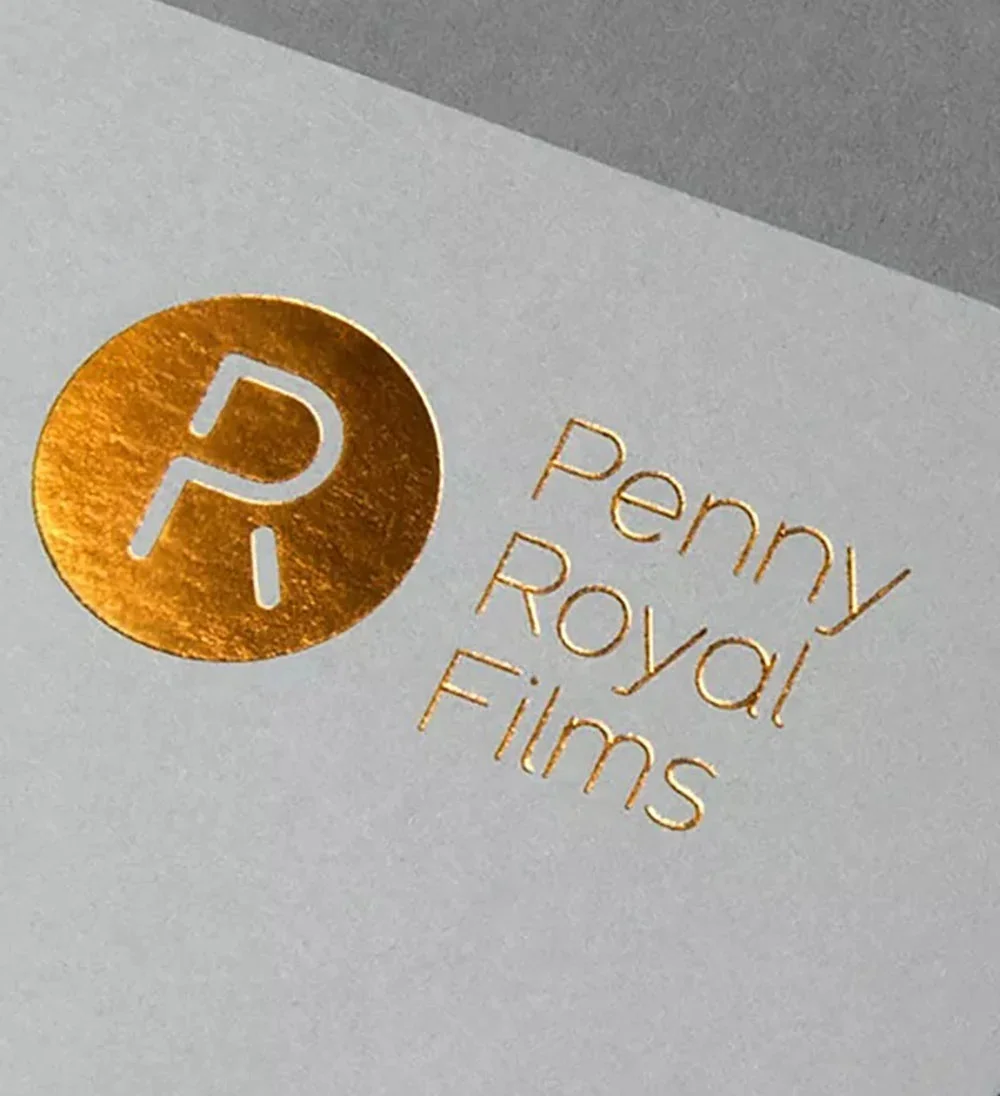
Copper Foiling
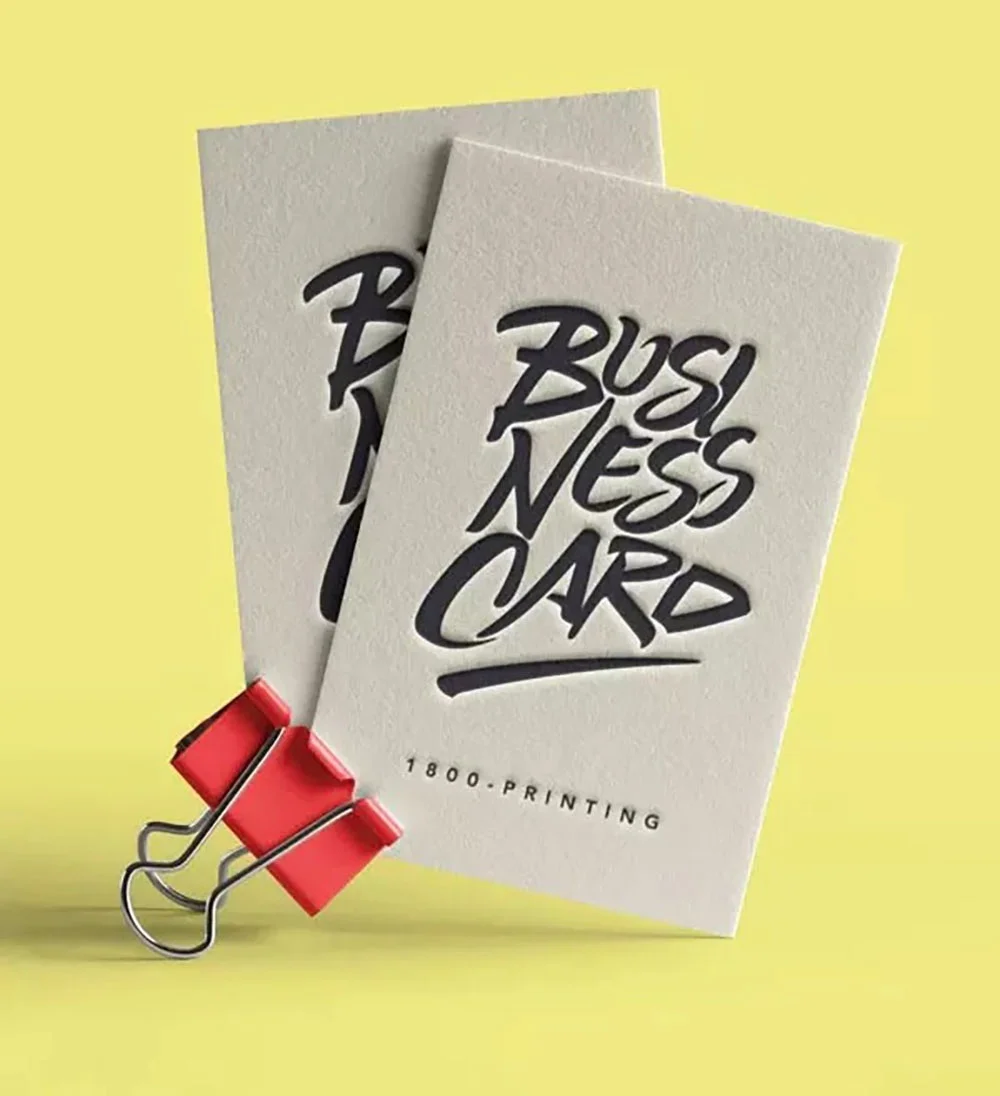
Debossing
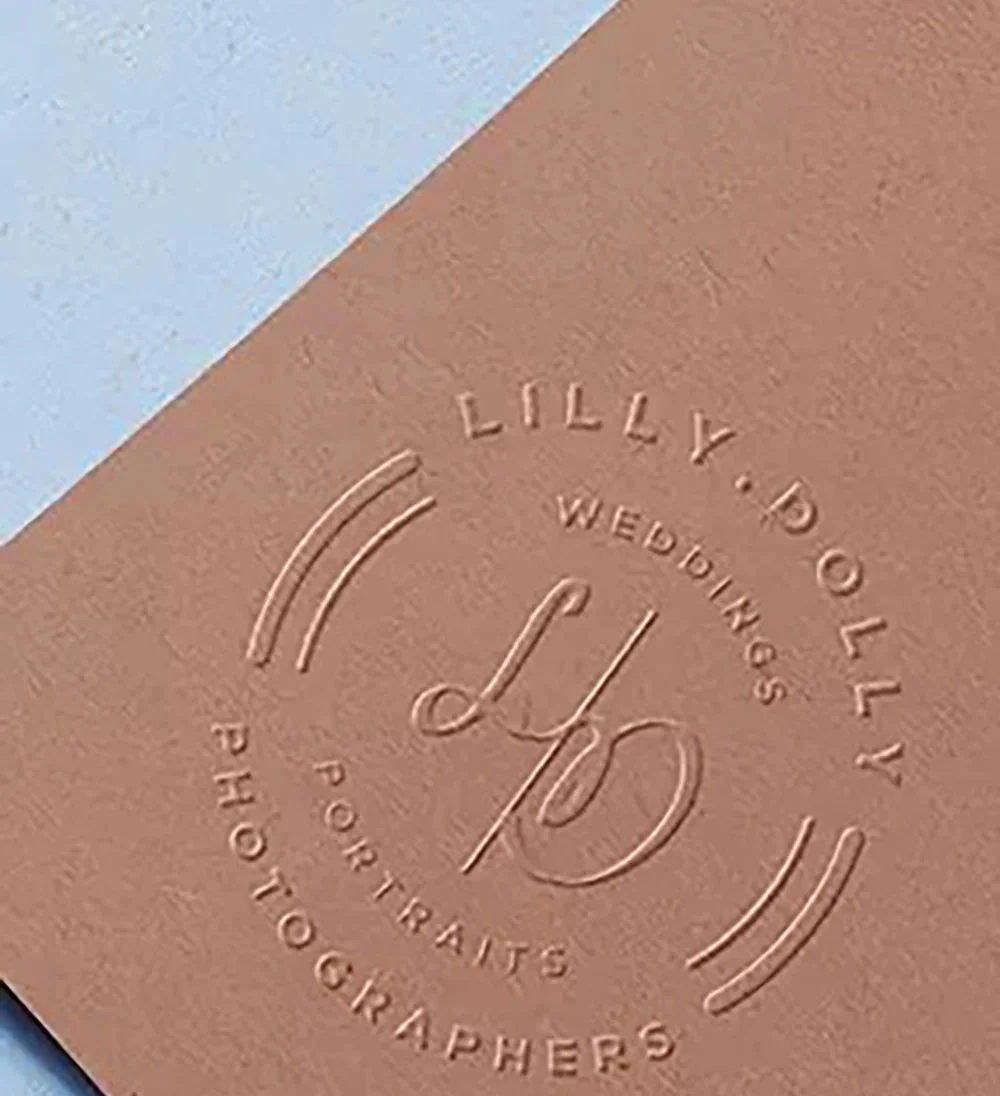
Embossing
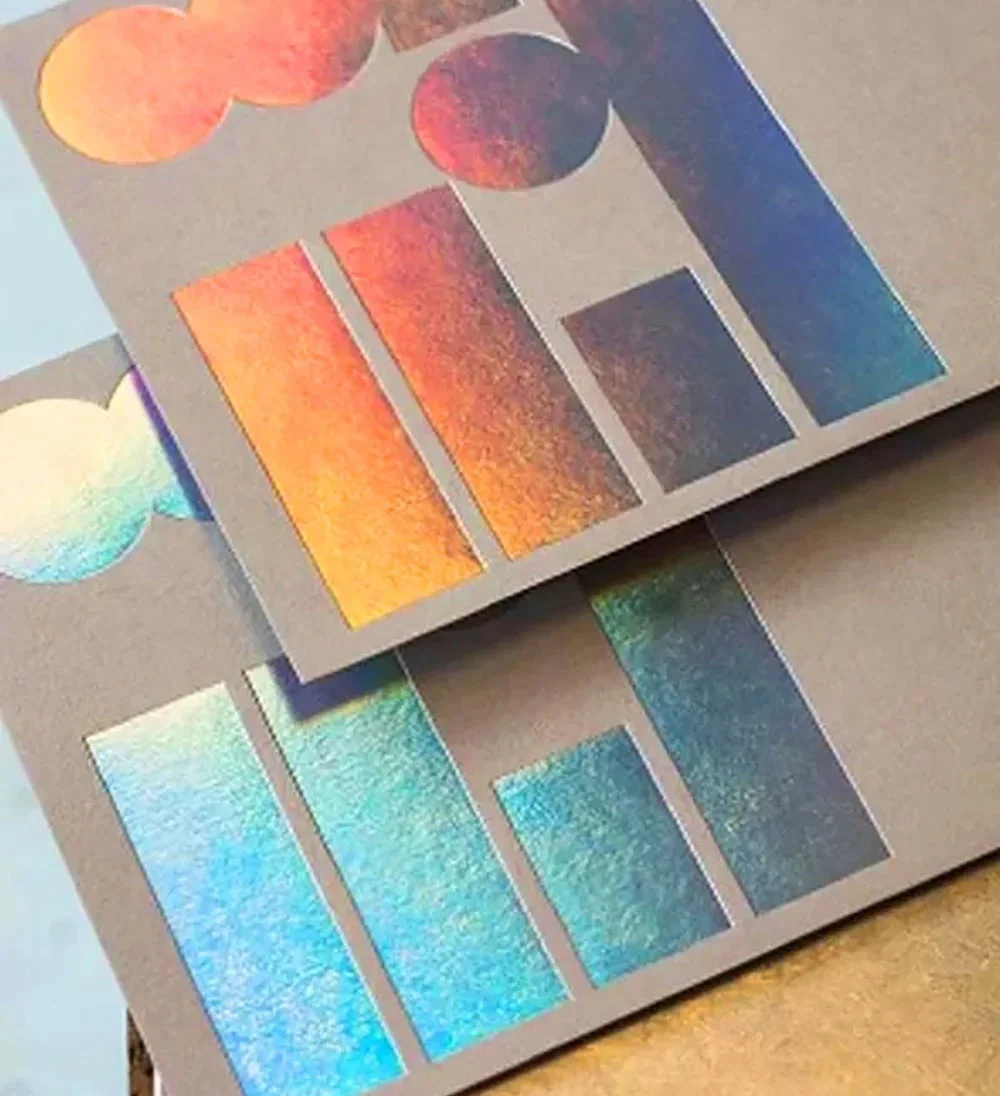
Holographics foiling
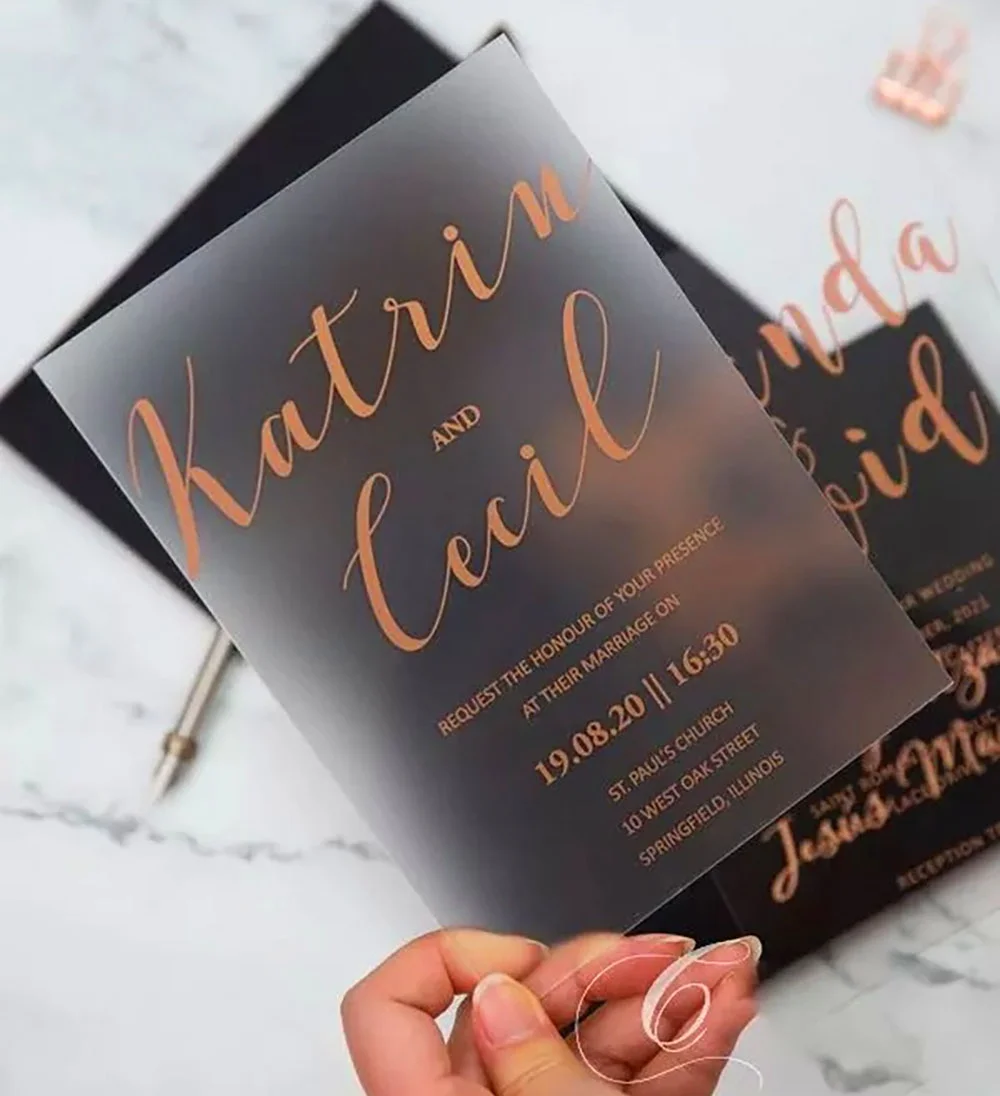
Rose Gold
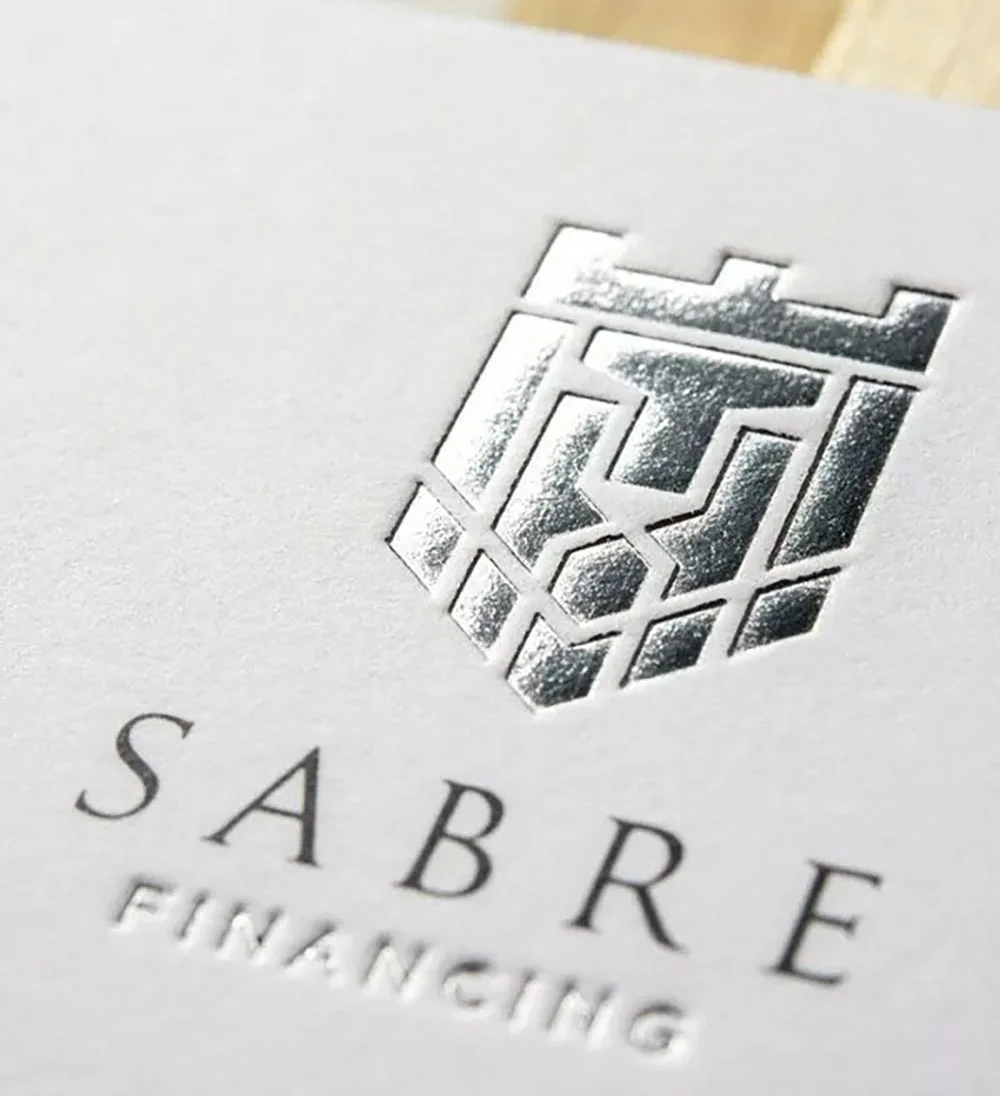
Silver Foiling

Spot UV
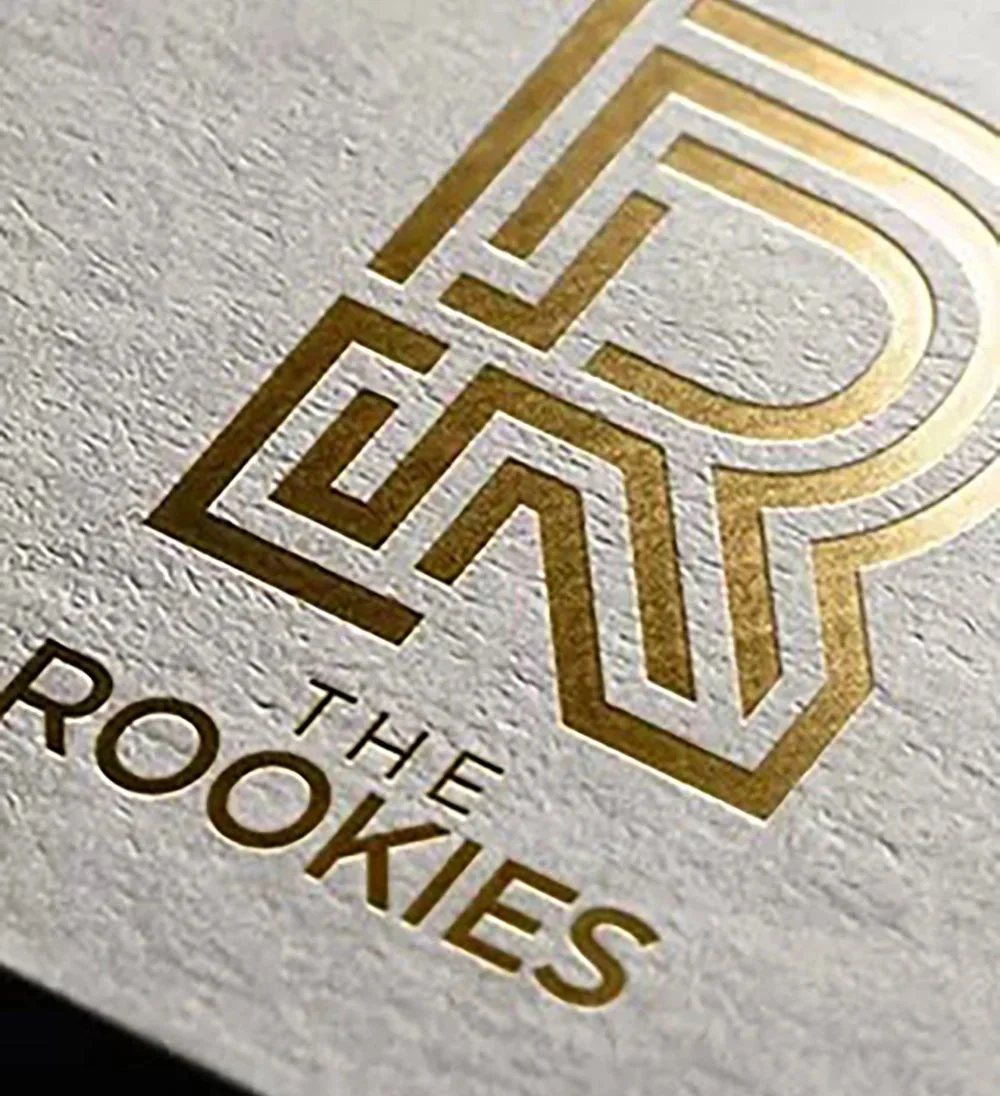
The Rookies
Card Stock Options
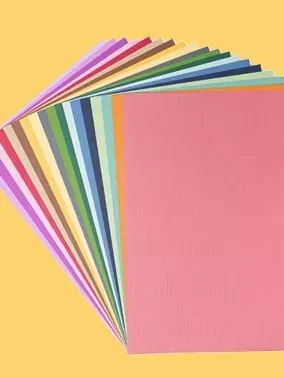
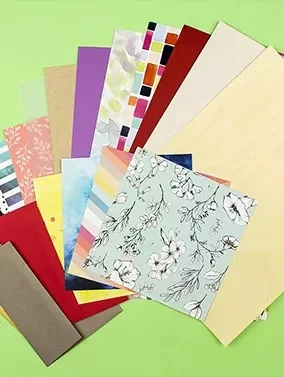
Haul Packaging provides a large selection of card stock types to meet various needs for packaging. You may give your box an adorning appearance and feel by selecting from a range of cardstocks with varying thicknesses, textures, and colors. The card stock selections for Haul Packaging are of excellent quality and longevity, guaranteeing that the packaging not only looks fantastic but also protects the contents within.

Corrugated

Glitter
Kraft
Matte
Textured