

In Stock
Sleeve Rigid Boxes
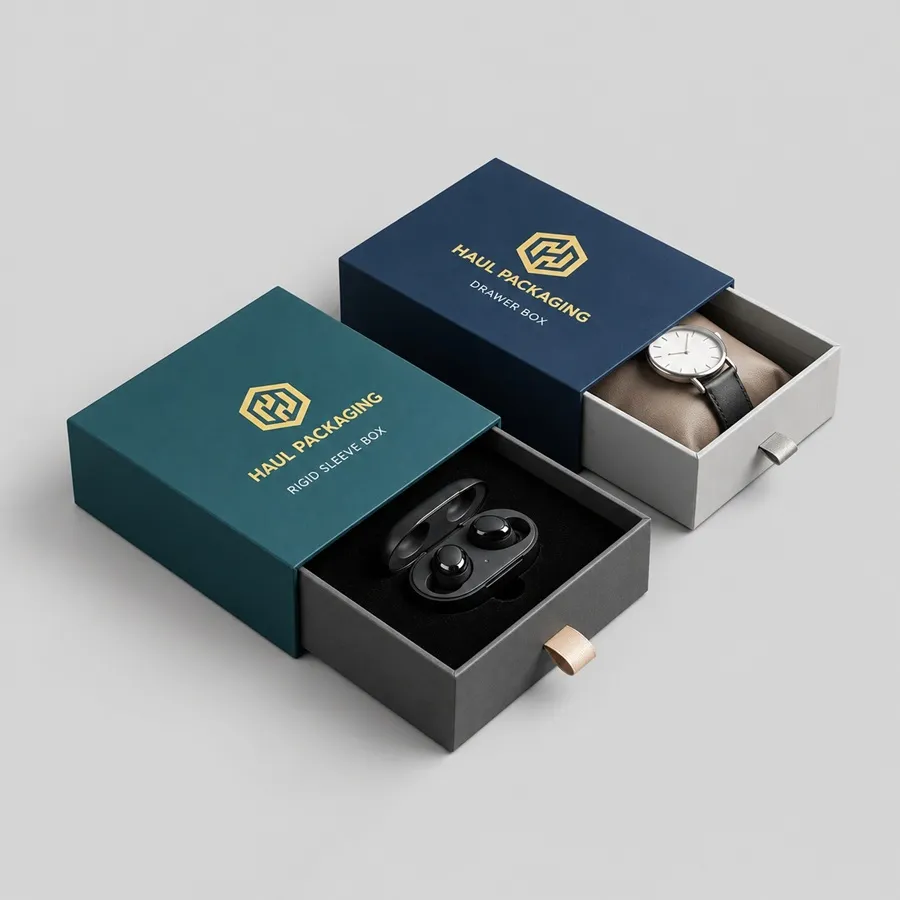
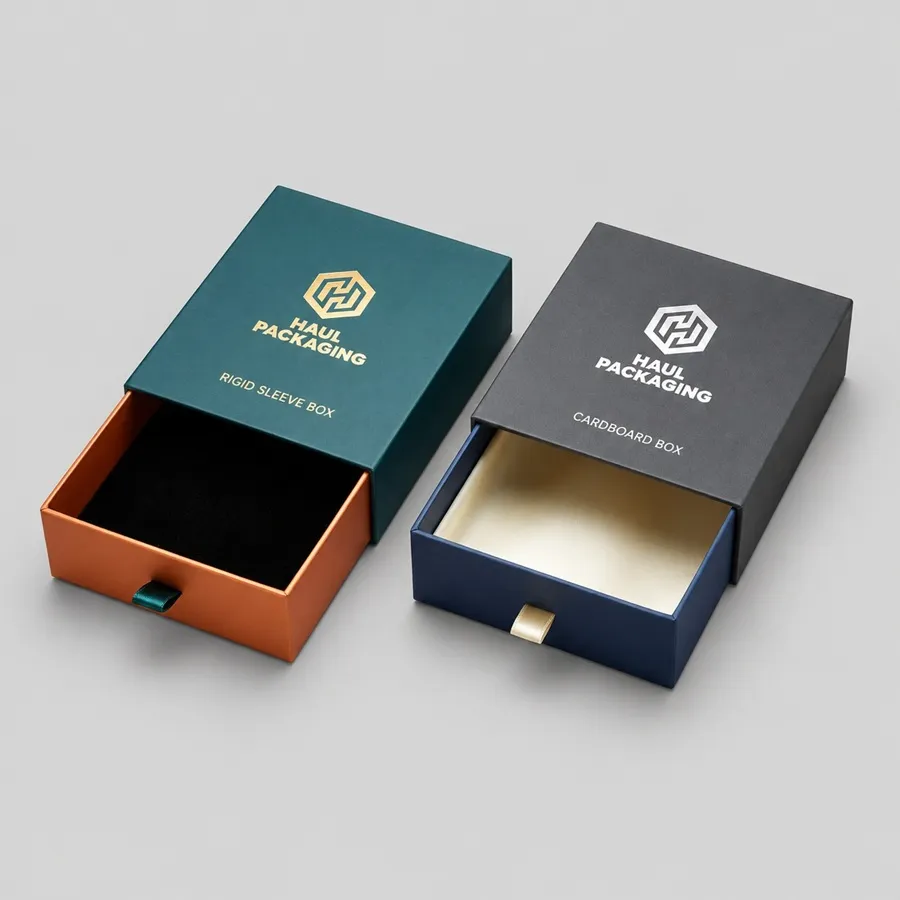
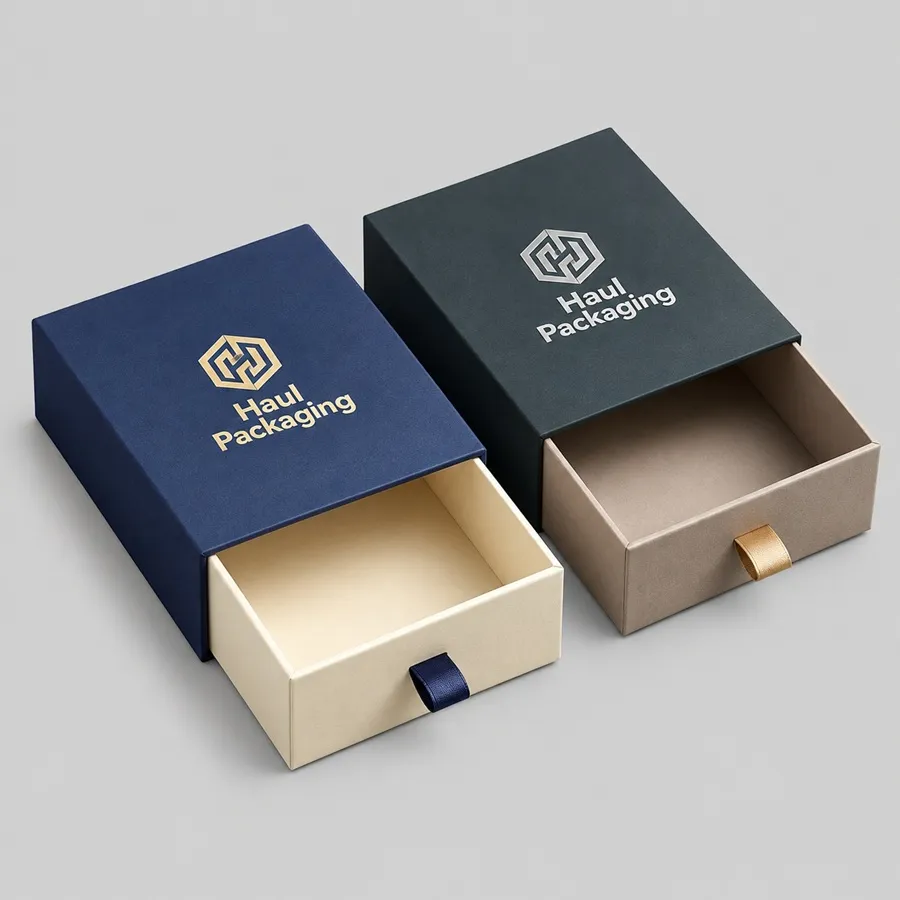
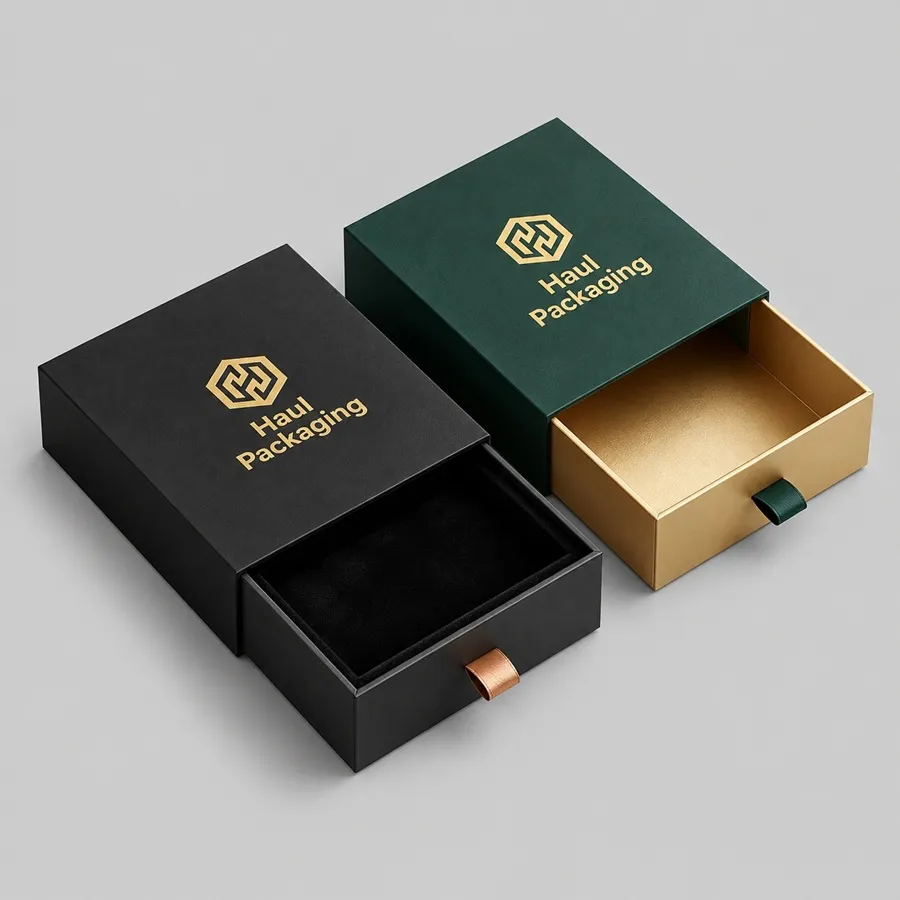
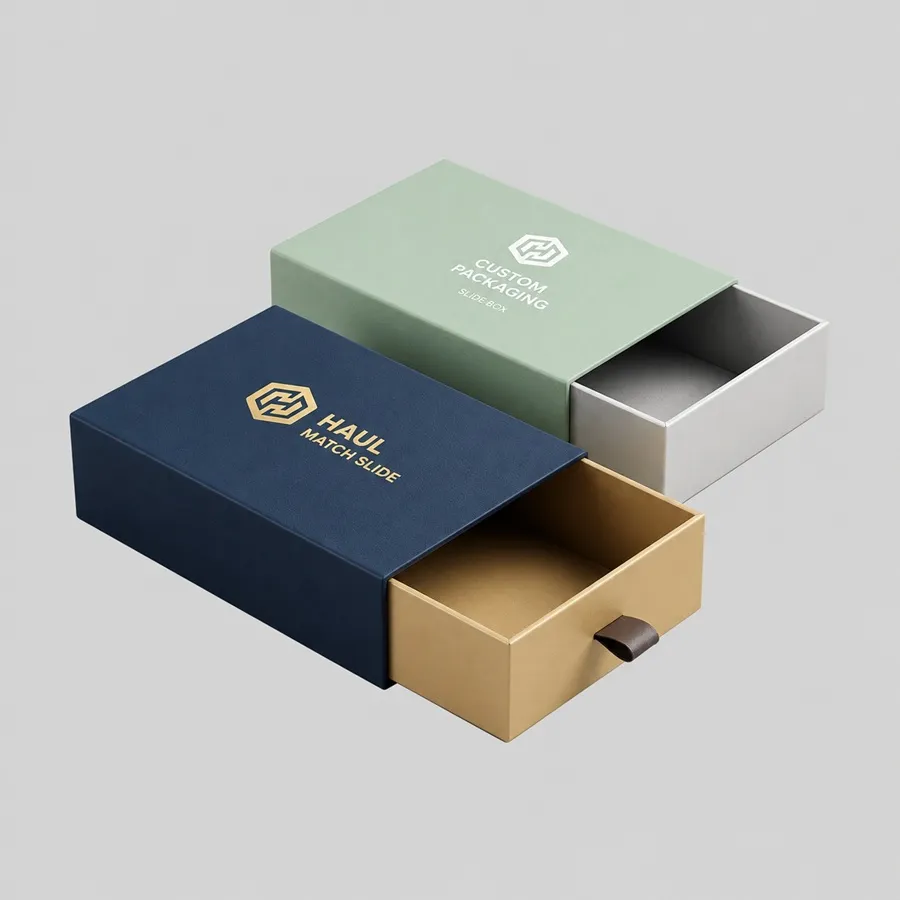
Sleeve rigid boxes use a strong inner box and a custom-fit outer sleeve that slides open to show the product. This setup gives you two areas to design: the sleeve and the box itself. You can adjust the size, artwork, colors, inserts, and finishing touches to match your product and brand. These boxes work well for gifts, cosmetics, accessories, electronics, and premium retail items. They help you organize products neatly and create a straightforward unboxing process for your customers.
Trusted Payment Methods






No Die & Plate
Charges

Quick turnaround
time

Free & Shipping

Starting from
50 boxes

customize size
& style

free graphics
designing
- Details
- Specifications
A Different Way to Present Your Product
The way a package opens is just as important as its appearance on the shelf. With sleeve rigid boxes, a sliding movement takes place whereby the outer sleeve moves away from the inner tray or box to reveal the contents.
This design creates a clear visual contrast between the outside of the sleeve and the product display inside. The sleeve may have a logo, details about the product, or a special graphic, while the inner part can include matching colors, printed messages, or a shaped insert.
For brands the advantage lies in flexibility since the two parts can function as a single, coordinated design or produce a contrast when the package is opened. This format can be used for a single highlight product, a curated gift set, or a group of accessories that are placed inside a structured box.
Understanding the Sleeve-and-Tray Construction
The Outer Sleeve
The sleeve encloses the inner box and thus forms the first area where branding can be seen. In some cases it covers most of the inner component, while in others it leaves certain edges visible.
The area that can be printed upon allows for a logo, the product name, the brand colors, illustrations, or other pertinent information, and the sleeve may be designed to contrast with the inner box so that the two parts appear to form part of a unified presentation.
The Inner Box or Tray
The product is held by the inner part, which also forms the main area for presentation. This can be a simple tray or a more substantial rigid box, according to the construction chosen.
The interior can remain fairly open or have an insert installed to hold the product in place. In the case of a set containing several items, dividers or separate compartments could be used to help keep the contents organized.
The Sliding Fit
The sleeve and the inner part must work as a unit. In the case of a too-tight fit, the package could become hard to open, whereas if the fit is too loose, the inner box might slide out too easily or would have a poor fit.
The final fit can be influenced by the thickness of the material, the type of wrapping paper, the adhesives used, the construction tolerances, and the dimensions of both parts.
Why Choose Sleeve Rigid Boxes?
Two Surfaces, One Coordinated Design
The sleeve and the inner box each have their branding areas, allowing you to repeat the logo on both parts or to use each surface for a different purpose.
A Controlled Product Reveal
The way the lid slides affects the way the contents are experienced; rather than picking up a separate lid, the customer removes the inner part from its sleeve.
An Organized Interior
The inner tray may be designed around a single product or around a number of coordinated items, and inserts and dividers can be used to hold the contents in place and to separate the individual components.
A Versatile Visual Style
Sleeve rigid boxes can be styled in more than one way; a smooth, single-color exterior gives a simple appearance, whereas the use of contrasting materials or printed artwork makes the sleeve into a more prominent visual element.
Sleeve Rigid Boxes Compared With Other Packaging Styles
It is not true that a sleeve structure is suitable for all applications. To work out if the sliding mechanism meets your product and presentation objectives, you should compare it with other formats.
| Packaging style | How it opens | Best suited to |
| Sleeve rigid box | An outer sleeve slides away from an inner box or tray. | Products that benefit from a layered reveal and coordinated exterior and interior branding |
| Match-slide rigid box | An inner tray slides out of a surrounding outer shell. | Compact products and presentation formats built around a drawer-like opening |
| Two-piece rigid box | A separate lid lifts off the base. | Traditional gift packaging and products that need a simple, open-top presentation |
| Magnetic-closure rigid box | A hinged lid opens from the box body. | Product sets and presentations that benefit from a hinged opening |
| Shoulder-neck rigid box | A lid fits over a base with a visible inner shoulder. | Packaging where the layered lid-to-base profile is a key design feature |
| Collapsible rigid box | The structure folds down before assembly. | Projects where storage volume is an important consideration |
Where Sleeve Rigid Boxes Work Well
Cosmetics and Skincare
Sleeve rigid boxes can be used to arrange skincare products, beauty accessories, gift sets, and certain collections of cosmetics; the outer sleeve may show the range of products or the brand identity, while the items are held inside in a fixed arrangement.
When dealing with sets that include multiple jars, bottles, or tools, look at the individual cavities or dividers. It is necessary to verify the sizes of the caps, pumps, and other projecting parts before deciding on the internal arrangement.
Jewelry and Accessories
Jewelry, watches, small leather goods, and fashion accessories may benefit from a structured interior that keeps the product in place.
Apparel Accessories
To present the small accessories in a more organized way, place items such as ties, scarves, socks, belts, and some of the fashion items into a rigid box with sleeves.
The dimensions must allow for the folded product without causing too much compression. When the package includes several accessories, the arrangement should be planned in such a way that the items can be taken out and put back in easily.
Electronics and Small Devices
Small devices, accessories, and technology gift sets use rigid sleeve boxes when a good presentation and internal organisation are important.
Gifts and Specialty Retail Products
The extra branding surface and the sliding opening of the sleeve make it possible to gain advantages with gift sets, limited-edition items, keepsakes, and special retail products.
When putting together a gift set, place the main item in the inner box and include smaller accessories or printed messages in separate sections. The entire arrangement should have a purposeful appearance rather than look crowded.
Corporate and Promotional Gifts
A rigid box in the form of a sleeve can combine branded merchandise, stationery, accessories, and other co-ordinated items into a single package.
Customization Options: Make Both Components Count
Custom Dimensions
The box must be made to fit the product together with any internal inserts. Give the length, width, and height of the product, including the caps, accessories, the protective wrapping, or any other parts that have an effect on the fit.
The inner box should have enough useful space for the product, and the sleeve should be able to hold the wrapped inner component as well as provide the necessary sliding clearance.
Printing on the Sleeve
The outer sleeve usually offers the first chance to spot the product. It may include a logo, the name of the product, the brand's graphics, instructions, or other pertinent information depending on the design.
Interior Branding
You can also use the inside of the sleeve or the visible sides of the inner box to add more space for messaging and visual details.
Foil Stamping
Foil stamping gives a metallic touch to certain features such as a logo, the product name, or the border; it is especially effective when used selectively on matte or textured paper.
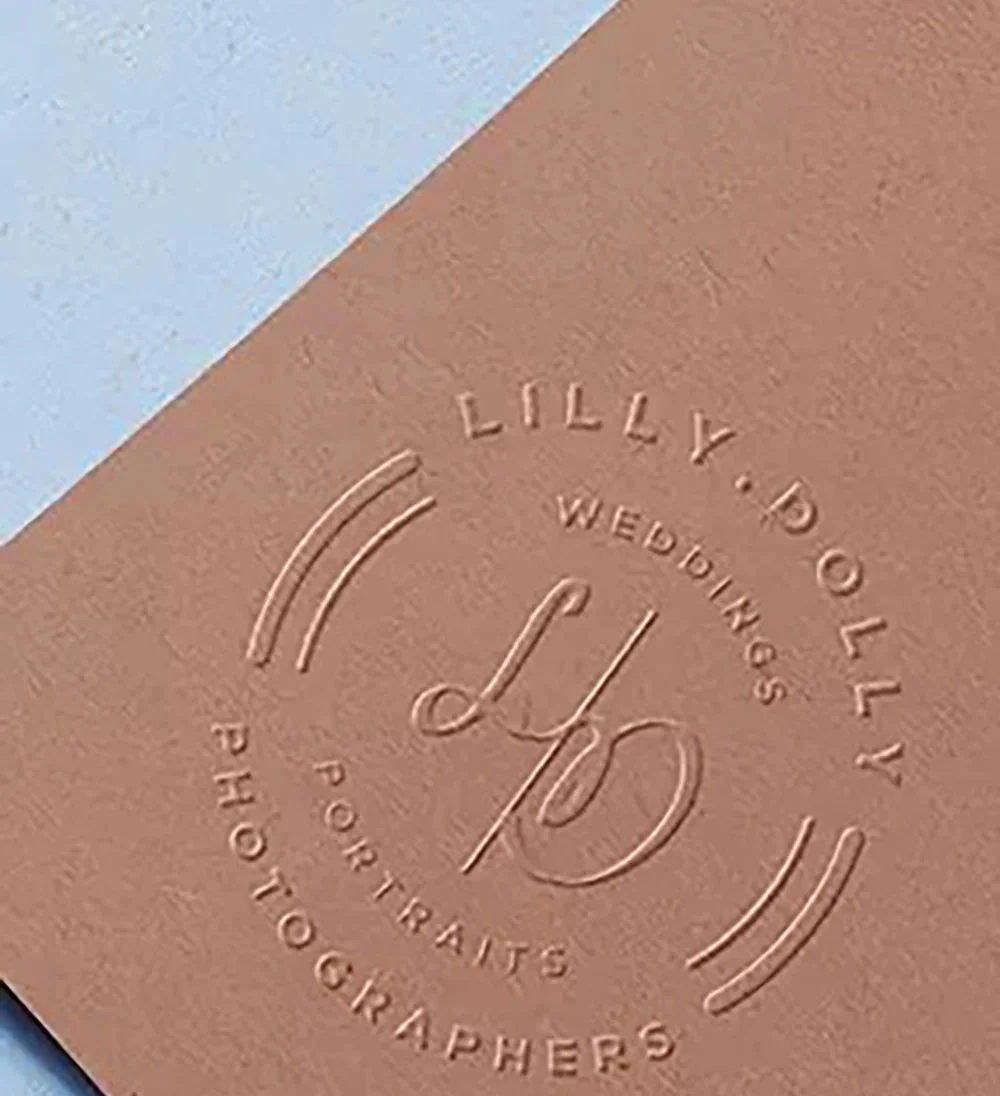
Embossing and Debossing
Embossing effects a design by raising it above the surface, whereas debossing involves pressing the design into the material. Both methods can add a tactile feature to a brand logo or a simple graphic.
Surface Finishes
The exterior's appearance and feel can vary depending on the materials used and the way it is constructed, with finishing options such as matte, gloss, or soft-touch being available.
Inserts and Compartments
An insert can be used for a single product or for holding a number of separate components; the design of it should correspond to the shape, weight, fragility, and required orientation of the product.
The following options are shaped paperboard inserts, dividers, or other appropriate kinds of insert material. The right choice will vary according to the contents and the amount of support needed.
Materials and Construction Considerations
Rigid Paperboard
Rigid boxes usually have a thick paperboard centre which is then covered with printed or special paper. This design gives the inner part its shape and results in a more substantial appearance than is found in many folding cartons.
Kraft and Textured Wraps
Paper of the Kraft type or textured paper gives a natural and simple look. On the other hand, smoother papers might be more appropriate for certain kinds of printed design or for a more refined visual style.
Ask for samples to see how the colours and textures of the sleeve and inner box match one another if they are covered by different wraps.
Color and Print Consistency
The basic colour and texture of the material can influence the way printed pictures appear, since colours look different on kraft or textured paper than on a plain, smooth surface.
Recyclability and Material Choices
The full material specification of rigid sleeve boxes determines their environmental characteristics; although paperboard and paper wraps can be recycled via suitable local schemes, adhesives, laminations, foils, magnets, coatings, and mixed-material inserts can have an impact on disposal.
Getting the Sleeve Fit Right
Measure the Product and Insert
Make a note of the full dimensions of the product and check if the item will fit directly into the inner box or whether it will fit within a fitted insert.
Confirm the Inner Box Dimensions
The component inside should include enough useful space to hold the contents. You need to think about how the product is to be inserted and removed and also check whether the package contains cards, dividers, or any other accessories.
Specify the Sleeve Clearance
The sleeve must have sufficient clearance so that it can slide over the wrapped inner box, and the finished fit is affected by factors such as the thickness of the material, the paper wraps, the adhesives, and the manufacturing tolerances.
Test the Opening and Closing Motion
Whenever possible, test the sample by pushing the inner part in and out a number of times and see if the movement is consistent, whether the parts stay aligned, and whether you are able to remove the inner box without causing any damage to the packaging.
What Influences the Price of Sleeve Rigid Boxes?
- Overall dimensions: Larger boxes generally require more material.
- Rigid-board specification: Board type and thickness affect the construction.
- Sleeve design: The sleeve’s depth, coverage, and shape influence the overall structure.
- Wrapping paper: Standard printed paper and specialty materials may cost differently.
- Printing coverage: Artwork, number of colors, and print areas affect the quotation.
- Decorative finishes: Foil stamping, embossing, debossing, and coatings may add production steps.
- Custom inserts: Fitted cavities, dividers, and internal supports add design and material requirements.
- Order quantity: Quantity affects production planning and unit pricing.
- Sampling: Prototypes or physical samples may involve separate charges.
- Packing and delivery: The quotation should clarify the packing arrangement, destination, and applicable shipping costs.
How to Order Custom Sleeve Rigid Boxes
Definite specifications allow the packaging team to evaluate the design and give the appropriate construction quote.
- Product information: Describe the product or product set and explain how the packaging will be used.
- Dimensions and weight: Provide the measurements of each item, including any accessories or protective wrapping.
- Preferred box style: Explain that you need a sleeve rigid box and share any reference images or structural preferences.
- Internal layout: Identify whether the box needs an insert, dividers, or space for printed materials.
- Branding: Supply your logo, artwork, brand colors, and preferred print placement.
- Materials and finishes: List your preferred paper wrap, colors, surface finishes, and decorative details.
- Quantity: State the required quantity and whether you expect repeat orders.
- Timeline and destination: Provide the target delivery date and shipping destination so the applicable schedule and costs can be confirmed.
Before you go ahead with production, make sure you have checked the final dimensions, the sleeve clearance, the artwork, the materials, the insert, the quantity, and the quotation. If the fit or the way the opening feels is important to the design, then ask for a sample and check it together with the finished product.
Find the Right Sleeve Rigid Box for Your Product
Sleeve rigid boxes are a useful option when you want packaging that combines a structured inner compartment with an outer surface dedicated to branding. The sliding opening creates a distinctive presentation, while the two components offer flexibility in colors, printed artwork, and internal layout.
| Dimensions | All Custom Sizes, Shapes and Styles. |
| Printing | CMYK, PMS, Screen Printing, No Printing |
| Paper Stock | 10PT to 28 PT (60lb to 400 lb) Eco Friendly Kraft Stock, E-Flute Corrugation, Bux Board, Cardstock, Fancy Cardstock. |
| Quantity | 50 - 500,000 |
| Coating | Gloss, Matte, Spot Uv |
| Default Process | Die Cutting, Gluing, Scoring, Perforation |
| Options | Custom Window Cut Out, Gold/Silver Foiling, Embossing, Raised Ink, PVC Sheet. |
| Proof | Flat View, 3D Mock-up Physical Sampling, (On Request) |
| Turn Around Time | 4-6 Business Days, Rush Production Plans. |
| Shipping | Free Shipping. |
| Delivery Courier | FedEx Express Shipping, DHL, UPS, Skynet! |
FAQs
-
How many custom Sleeve Boxes will I order? 50 pcs for standard size. Ideal for product launches, limited editions, and new brands.
-
How do you prevent the inner box from falling out during shipping? We have several proven solutions we use, such as temporary adhesive dots, friction-fit packaging inserts or smart design elements that keep the inner box in place during shipping but are easy for consumers to open.
-
Can I buy the sleeves and inner boxes for different products separately? Yes! The modular approach is great if you want the same sleeve branding across different products in a product line. We manufacture parts to fit your product line.
-
Can sleeve boxes be recycled? No worries! Good look, good make. Encourage consumers to reuse sleeve boxes for storage, gifting, or display. It’s a great way to keep customers engaged with your brand and to provide value.
-
What is the usual material for a rigid box cover? Rigid sleeve boxes are made of heavy chipboard or rigid paperboard, and covered in printed, laminated, textured or decorative paper materials for added durability and presentation.
-
What are the common products packaged in sleeve rigid boxes? Rigid boxes with sleeves are most commonly used for gift products and luxury retail products such as perfumes, confectionery, candles, apparel accessories, electronics, jewellery and cosmetics.
-
Can fragile products be packed in hard boxes? Yes. Sleeve rigid boxes are naturally hard and thick. These are used to protect sensitive and high-value products during storage and transportation.
-
Why should you opt for Haul Packaging for custom rigid sleeve boxes in the USA? Haul Packaging is a USA-based provider of customisable rigid sleeve packaging solutions with high-quality materials, state-of-the-art finishing options, protective structures, and scalable order quantities for retail and luxury brands.
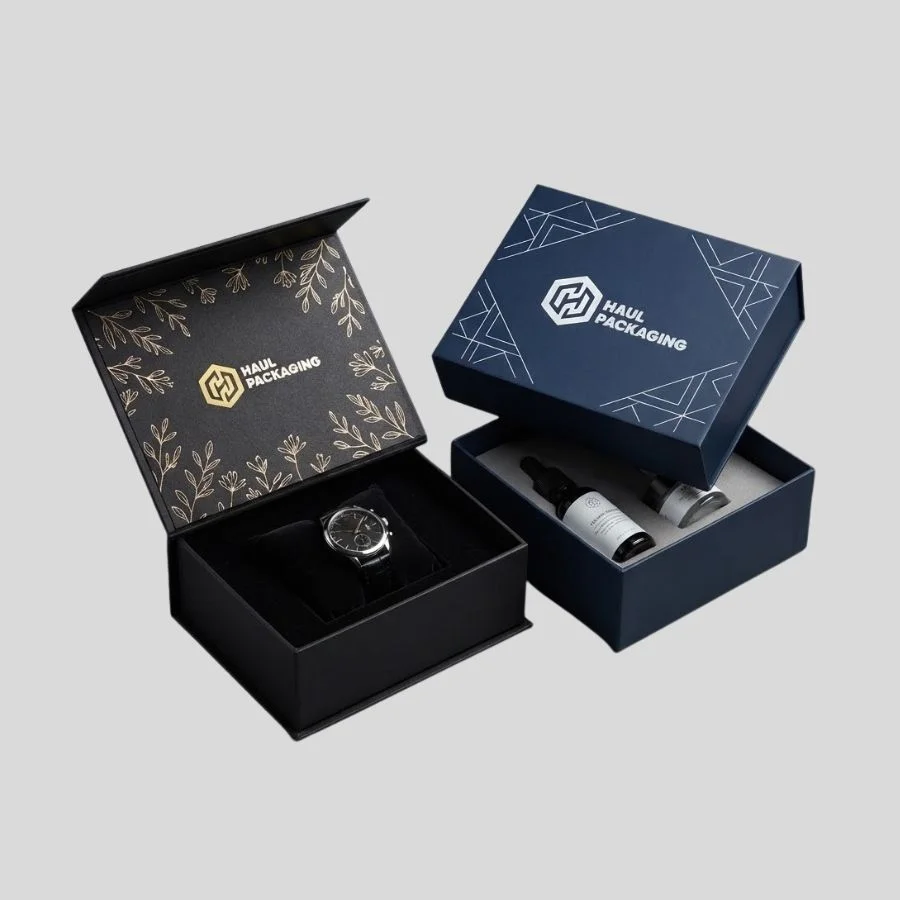
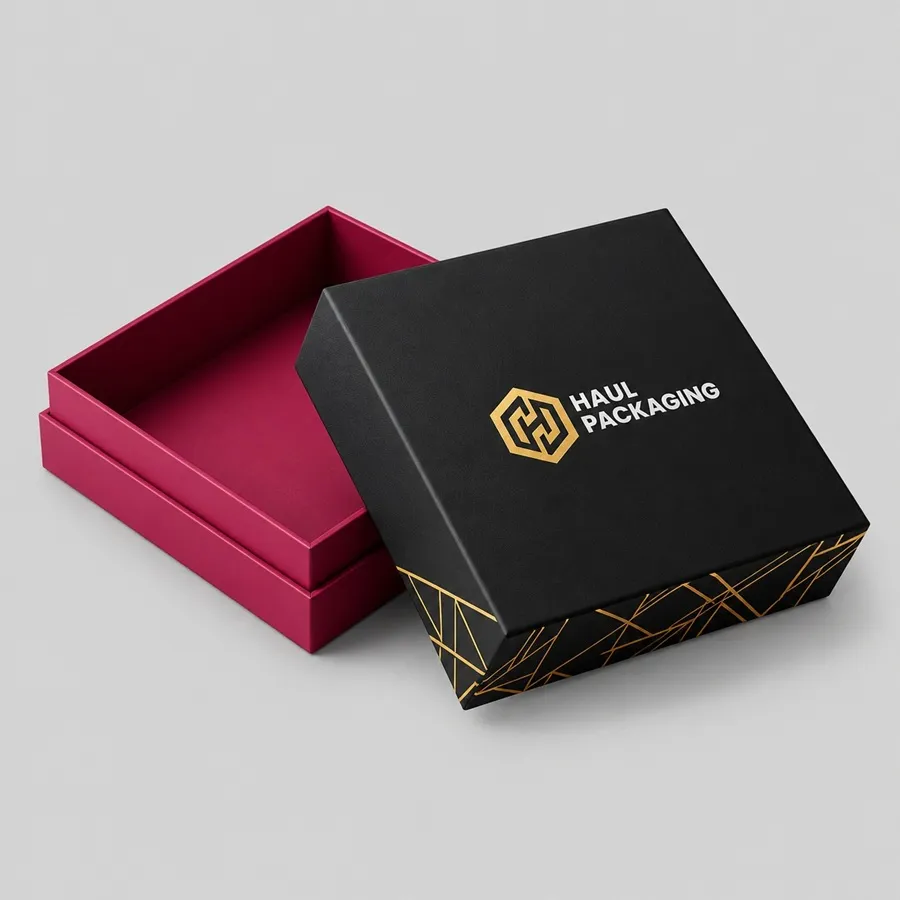
Premium Finishes
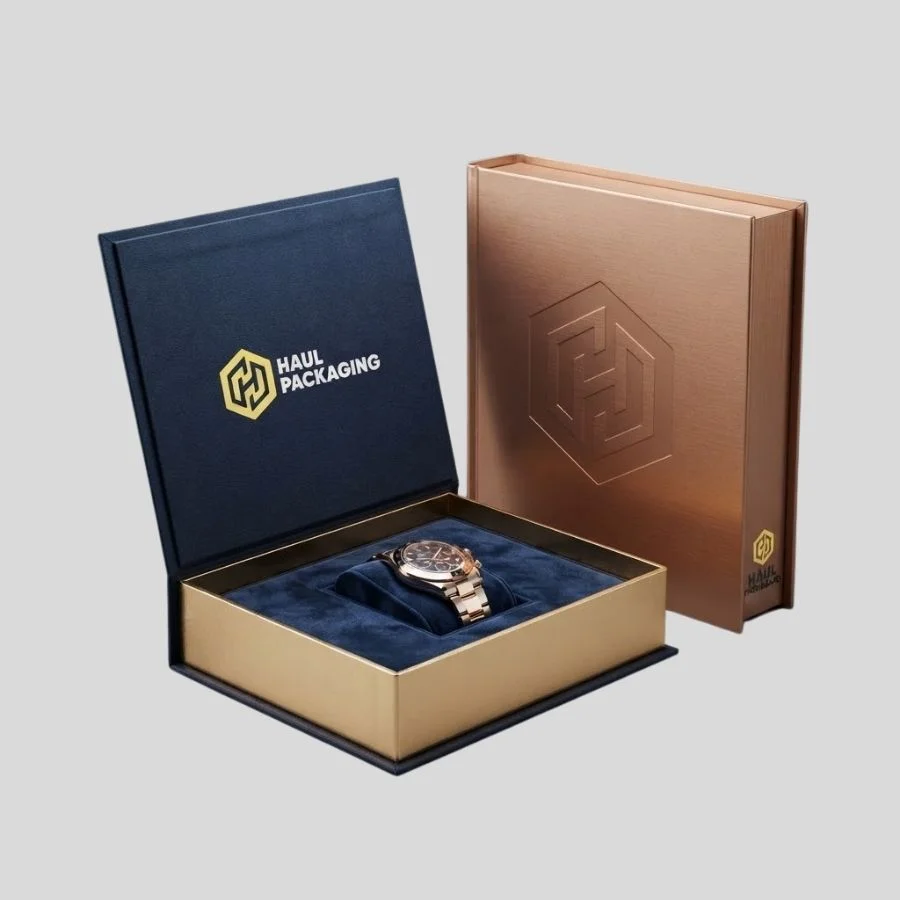
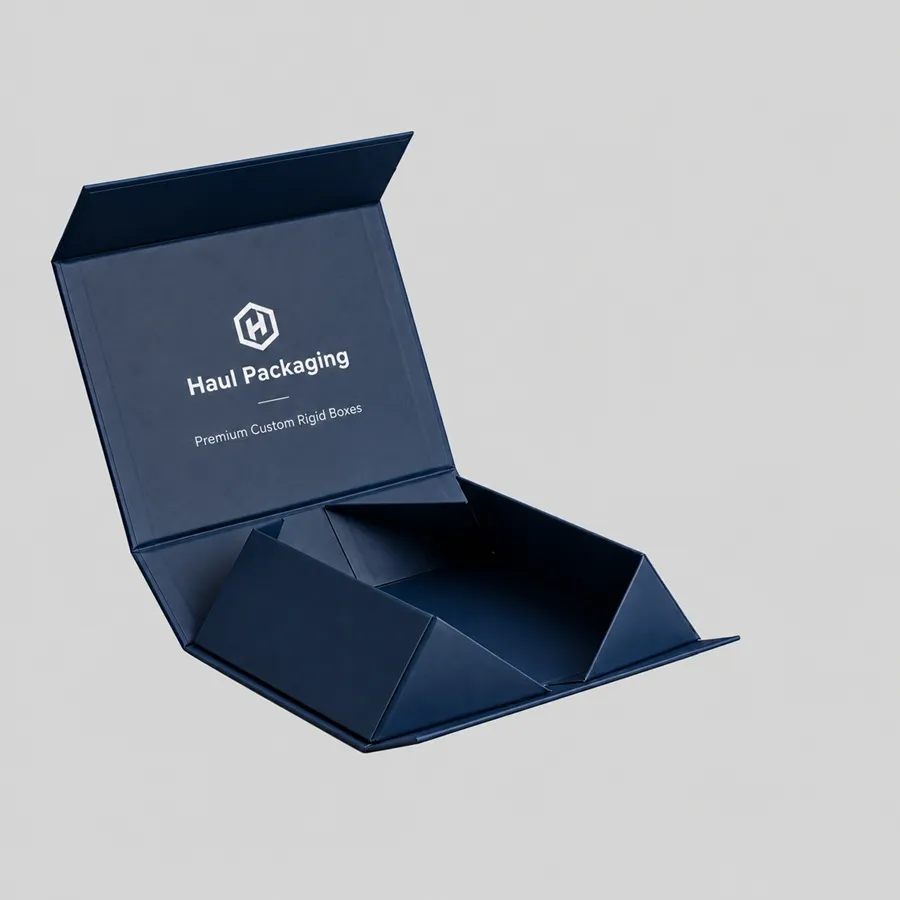
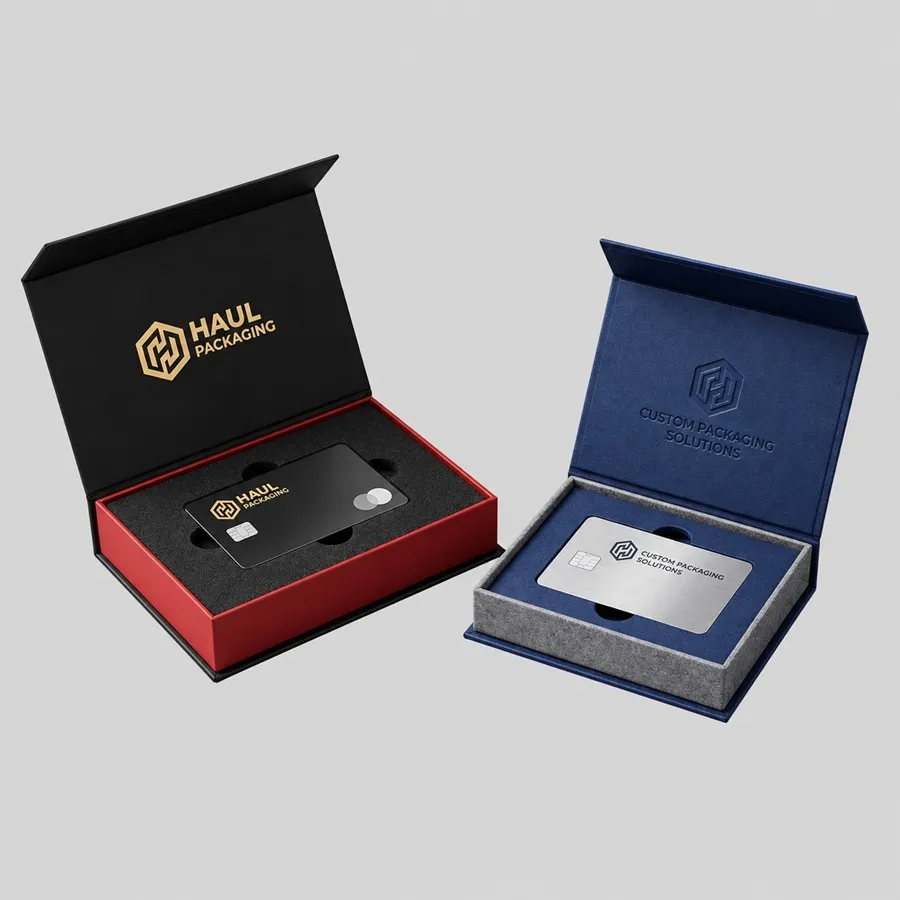
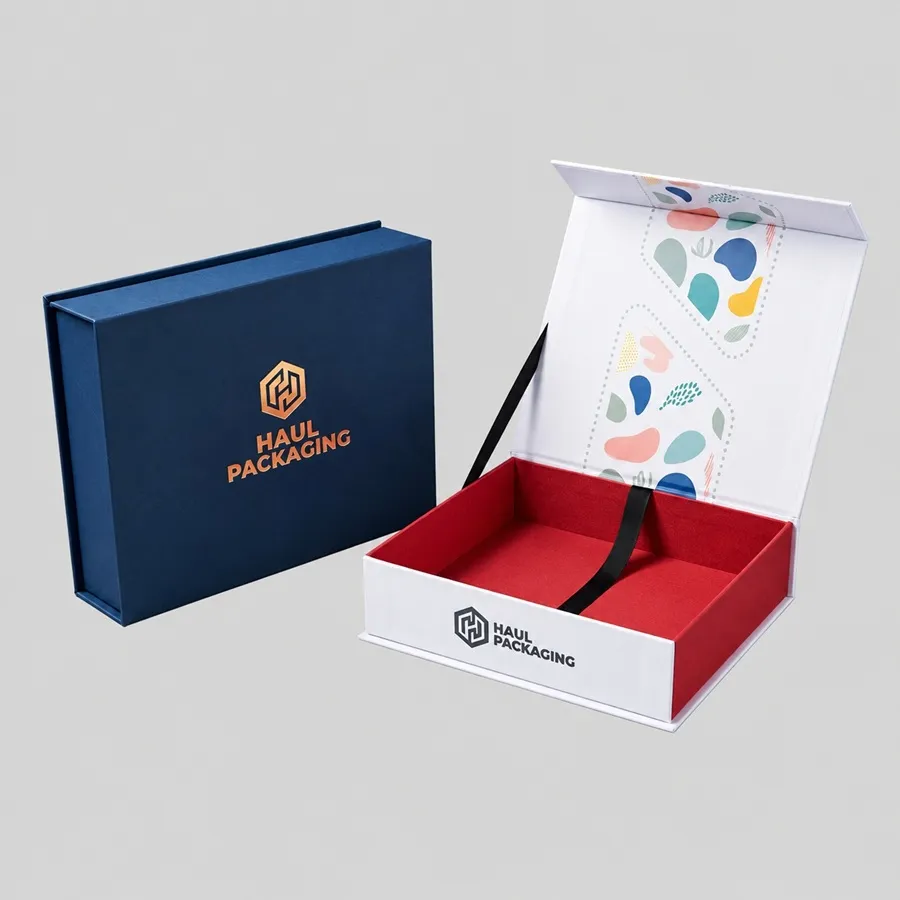
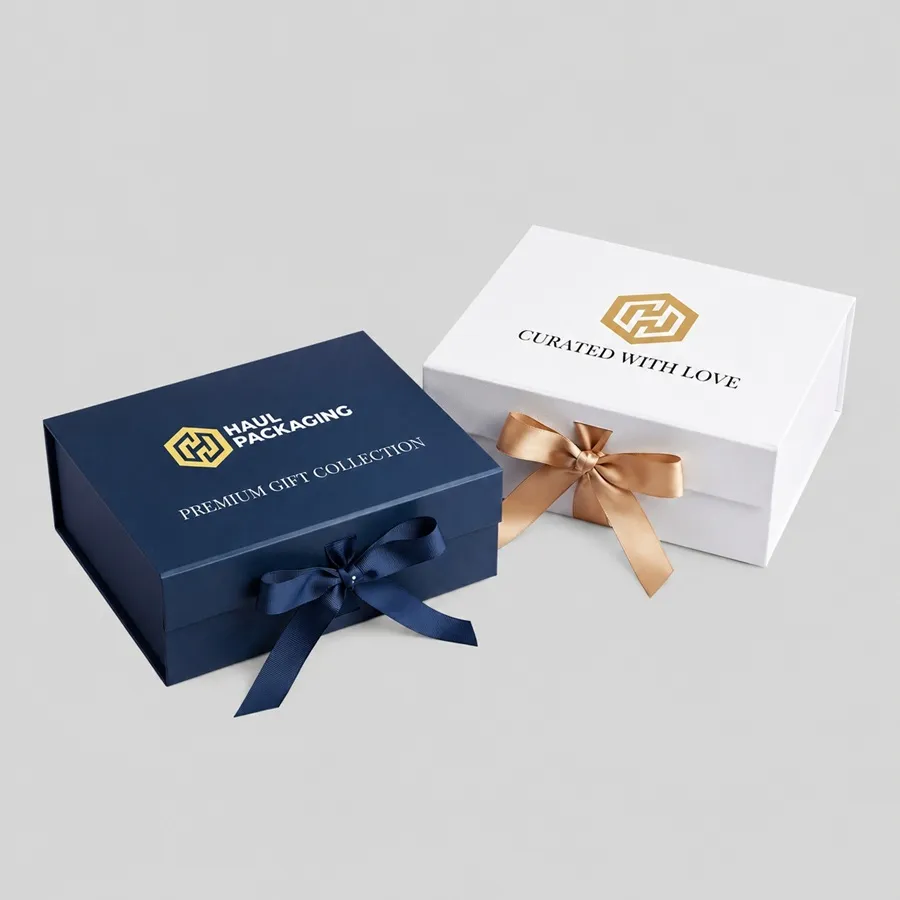
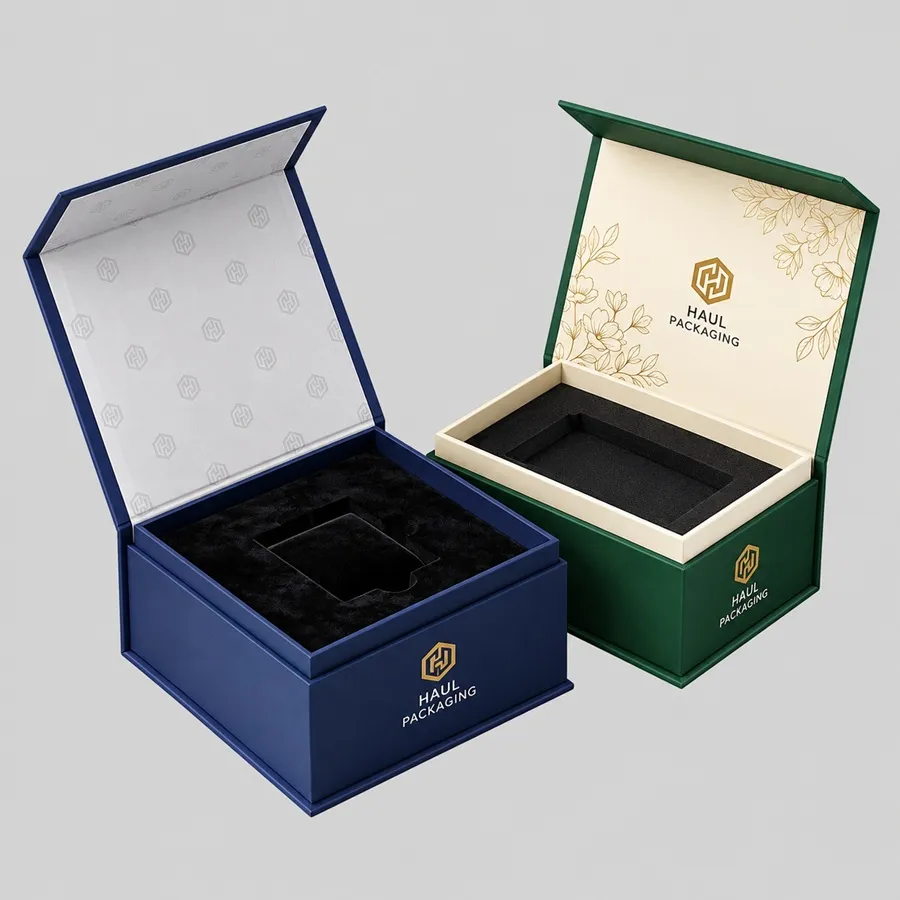
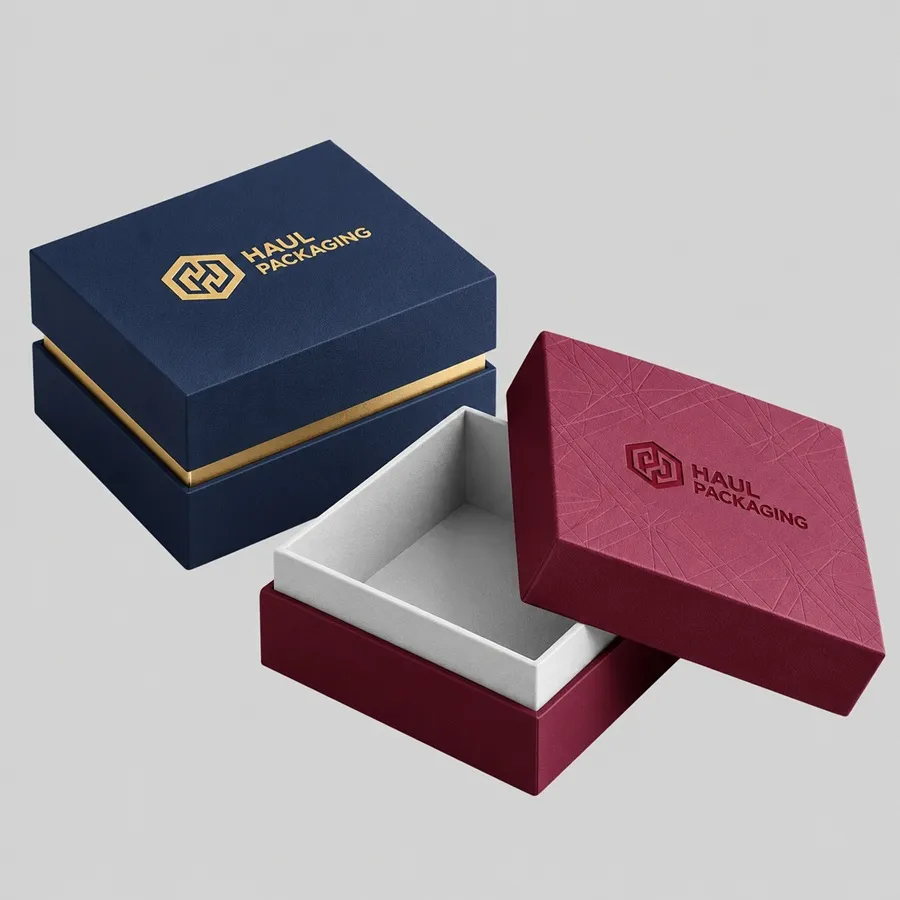
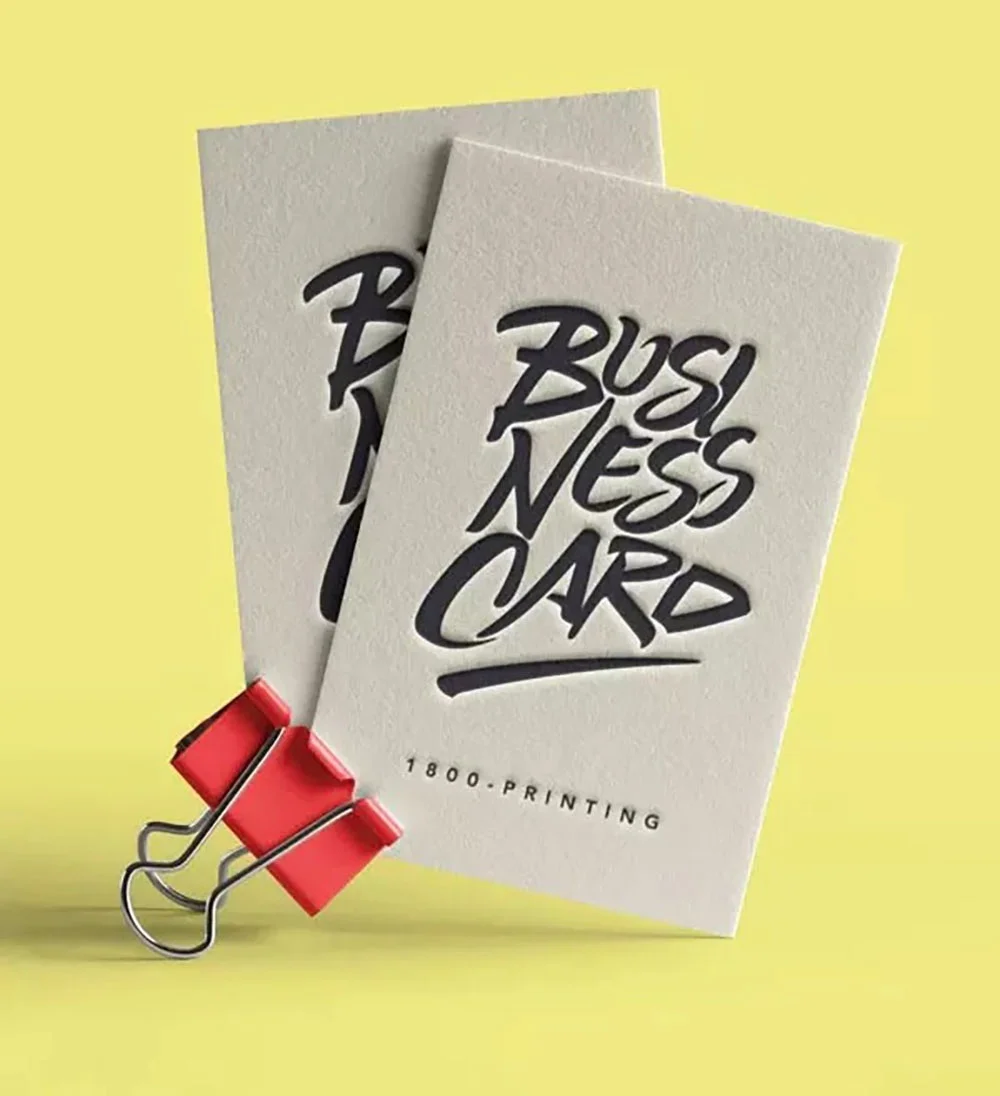
Haul Packaging provides a range of high-quality finishings, including as foil stamping, glossy or matte coatings, embossing, and soft-touch finishes, to improve the visual attractiveness of packaging. These finishes have the power to increase a product's perceived worth and make it stand out on retail shelves.

Copper Foiling
Debossing
Embossing

Holographics foiling
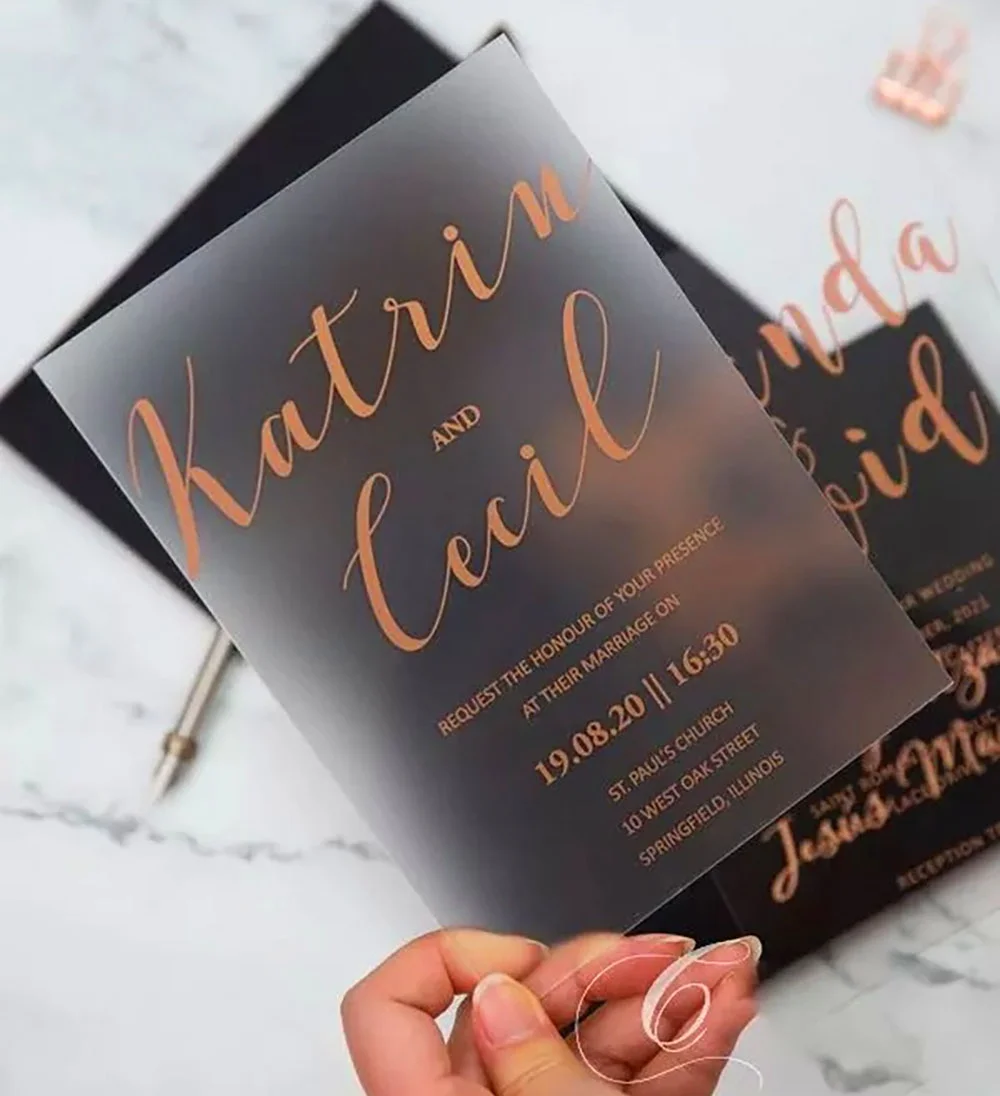
Rose Gold
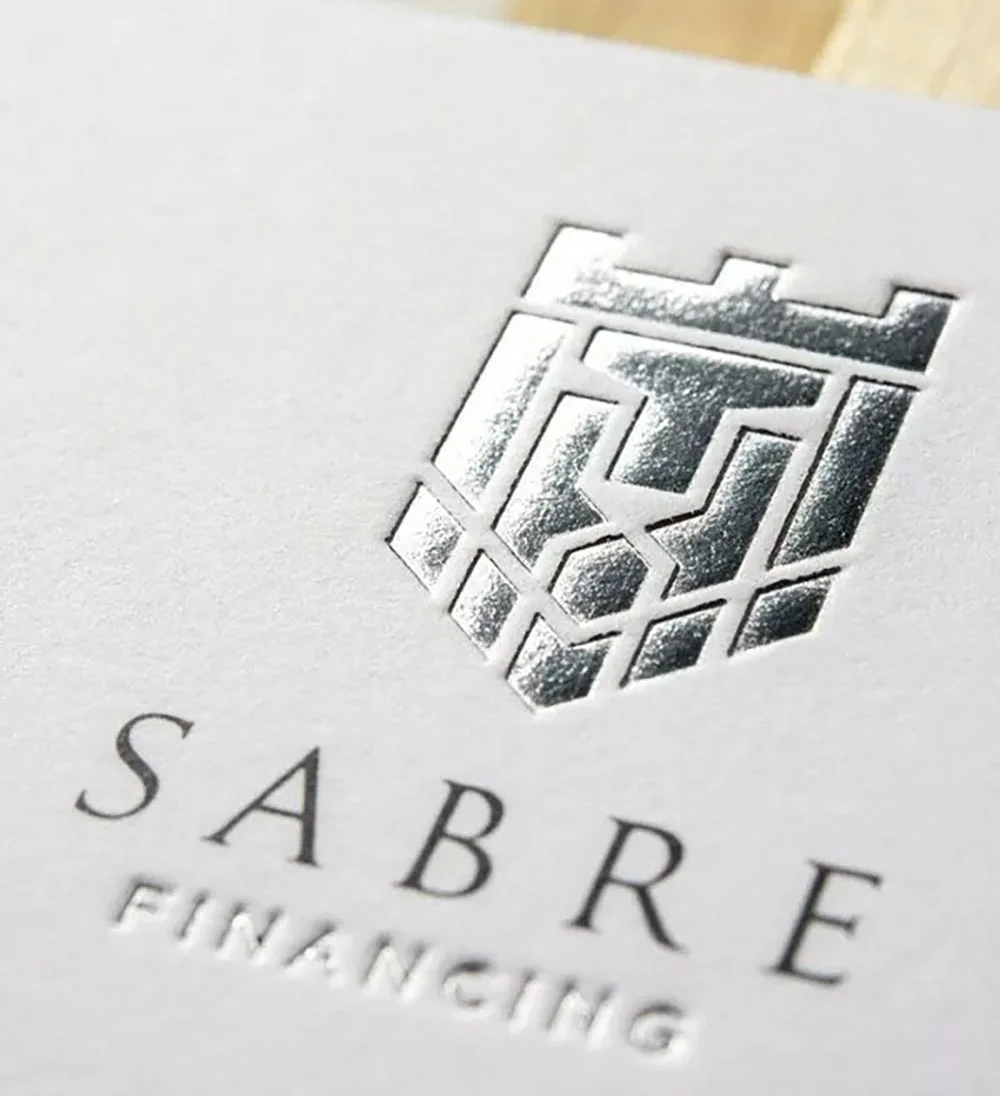
Silver Foiling

Spot UV
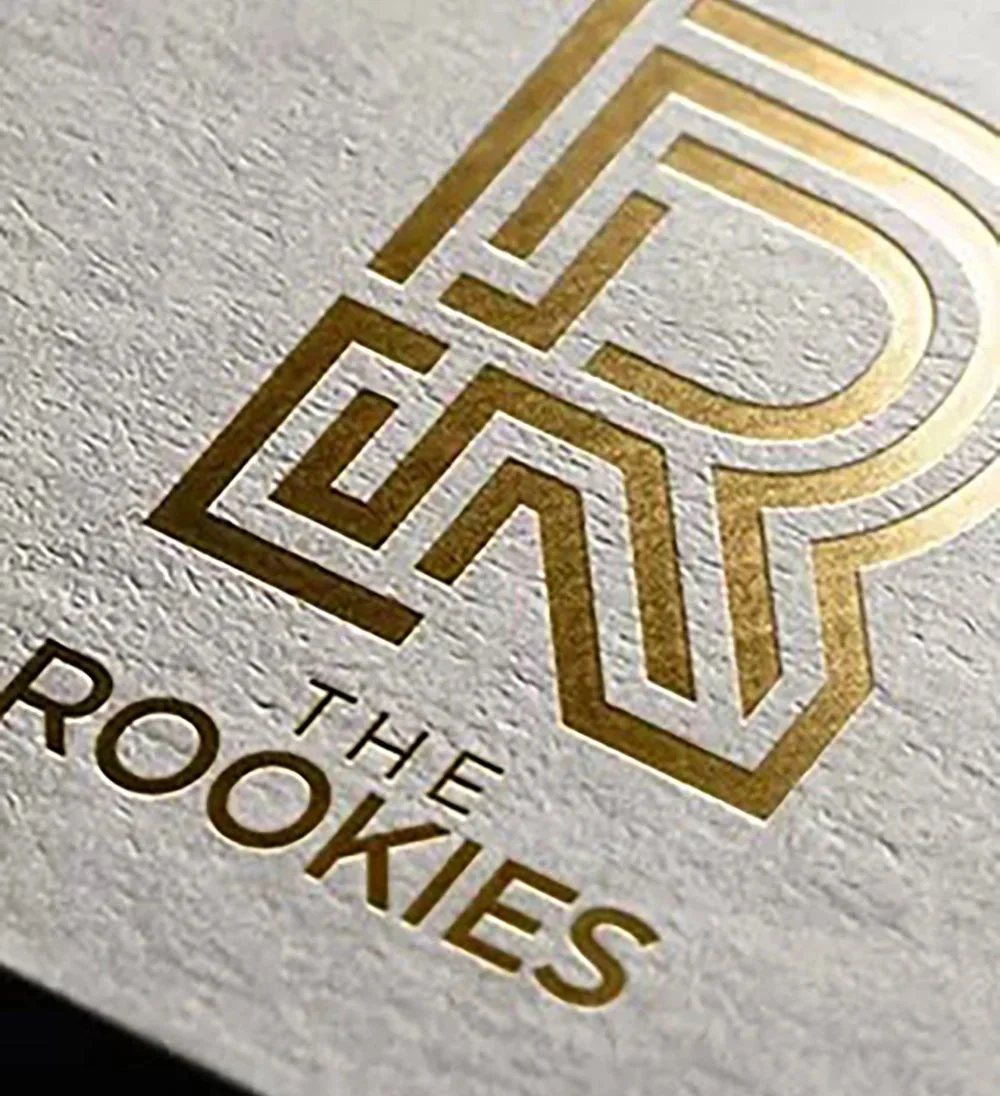
The Rookies
Card Stock Options
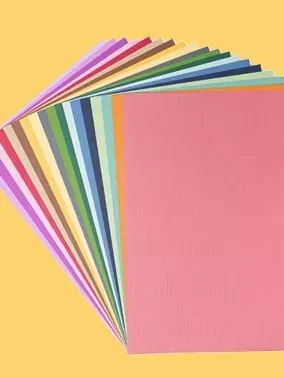
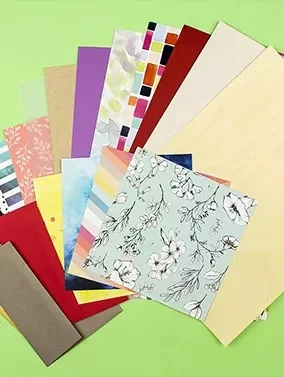
Haul Packaging provides a large selection of card stock types to meet various needs for packaging. You may give your box an adorning appearance and feel by selecting from a range of cardstocks with varying thicknesses, textures, and colors. The card stock selections for Haul Packaging are of excellent quality and longevity, guaranteeing that the packaging not only looks fantastic but also protects the contents within.

Corrugated

Glitter
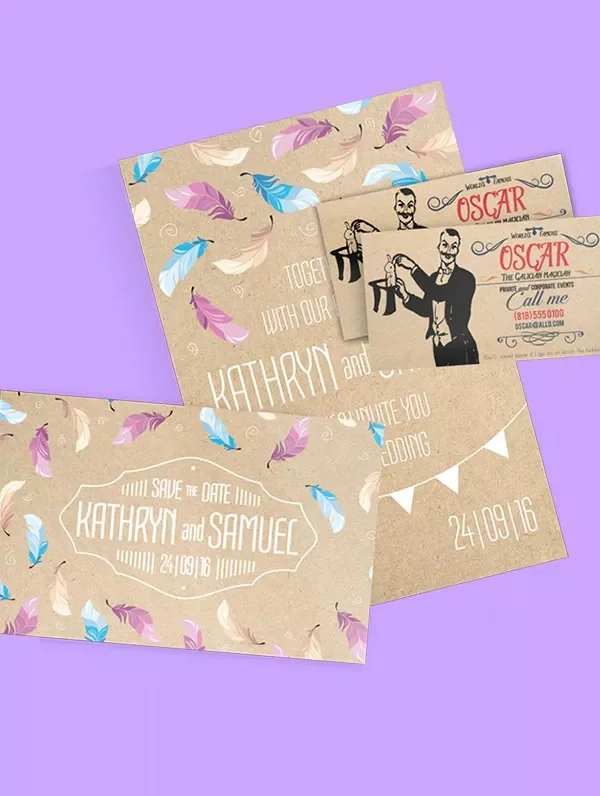
Kraft
Matte
Textured